mirror of
https://github.com/microsoft/terminal.git
synced 2026-04-06 22:29:43 +00:00
Compare commits
45 Commits
dev/migrie
...
release-1.
| Author | SHA1 | Date | |
|---|---|---|---|

|
44b2d4d2a8 | ||
|
|
f6019dcd96 | ||
|
|
de2ccfbc13 | ||
|
|
b981537ca5 | ||

|
3cfbd7a46c | ||

|
a5518a0bb9 | ||

|
9637c090c0 | ||

|
a1bb78f2a7 | ||
|
|
a9adc93776 | ||
|
|
a4d6ad2c43 | ||
|
|
6a4e0b952b | ||
|
|
f46d1fbad5 | ||
|
|
c53acfa901 | ||
|
|
6c25248d7b | ||
|
|
b592d5beb7 | ||
|
|
c6fc68e345 | ||

|
ece96f5811 | ||
|
|
fdb2fe5f92 | ||

|
c5df73ef4c | ||
|
|
6ff8ba7728 | ||

|
0dfe1bed1e | ||
|
|
bae91cee67 | ||
|
|
d7a54cb07d | ||
|
|
09f02dffe2 | ||
|
|
70cb335fd1 | ||

|
b9483a9471 | ||
|
|
43266a2f3d | ||
|
|
c31c857c1b | ||
|
|
36c5b5b5dc | ||
|
|
91fd1d0cbf | ||
|
|
15e338a7cd | ||
|
|
12488968dc | ||
|
|
1085914d1f | ||
|
|
ef8e4bf753 | ||

|
8ece1378e5 | ||
|
|
2314df8798 | ||
|
|
a52a588141 | ||
|
|
b1e4daaeed | ||
|
|
e119959943 | ||
|
|
7b291ea39a | ||
|
|
d739523db2 | ||
|
|
04a172ed92 | ||
|
|
06640d3c51 | ||
|
|
cbc42caebb | ||
|
|
420a0c9245 |
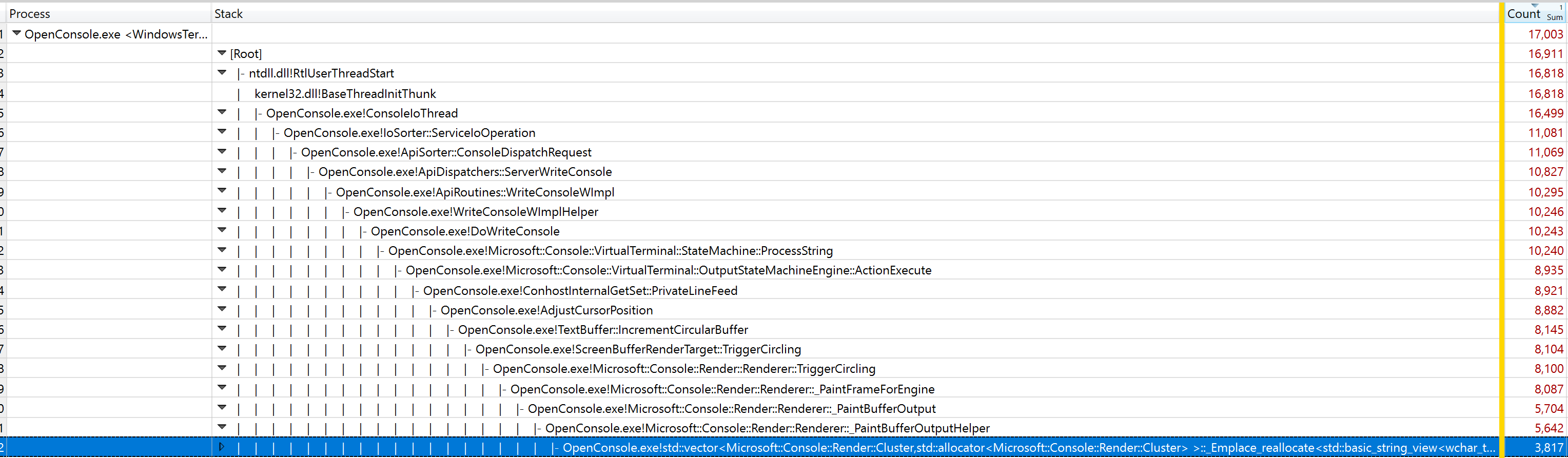

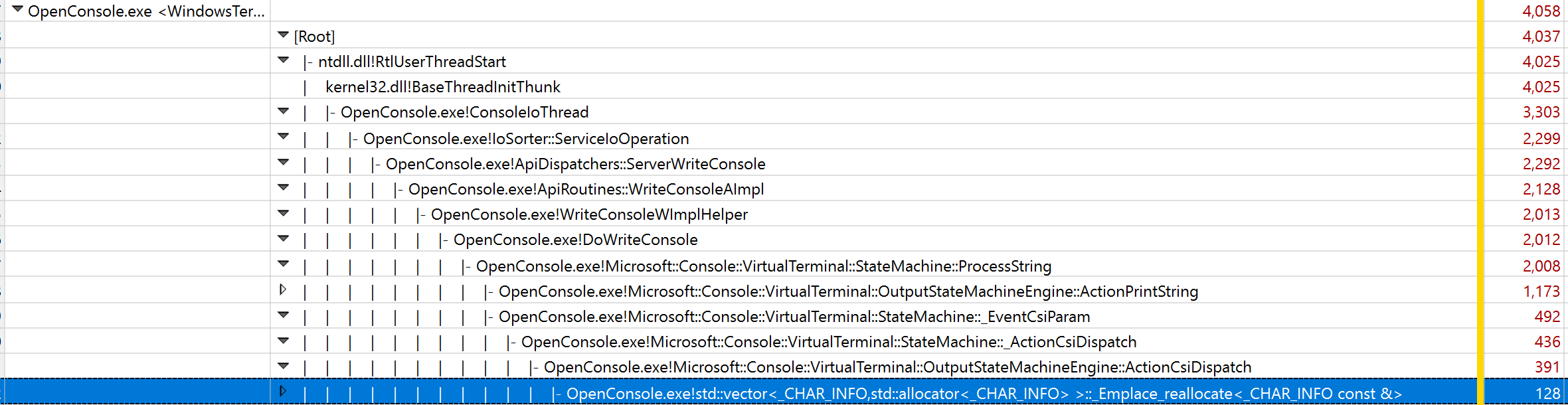
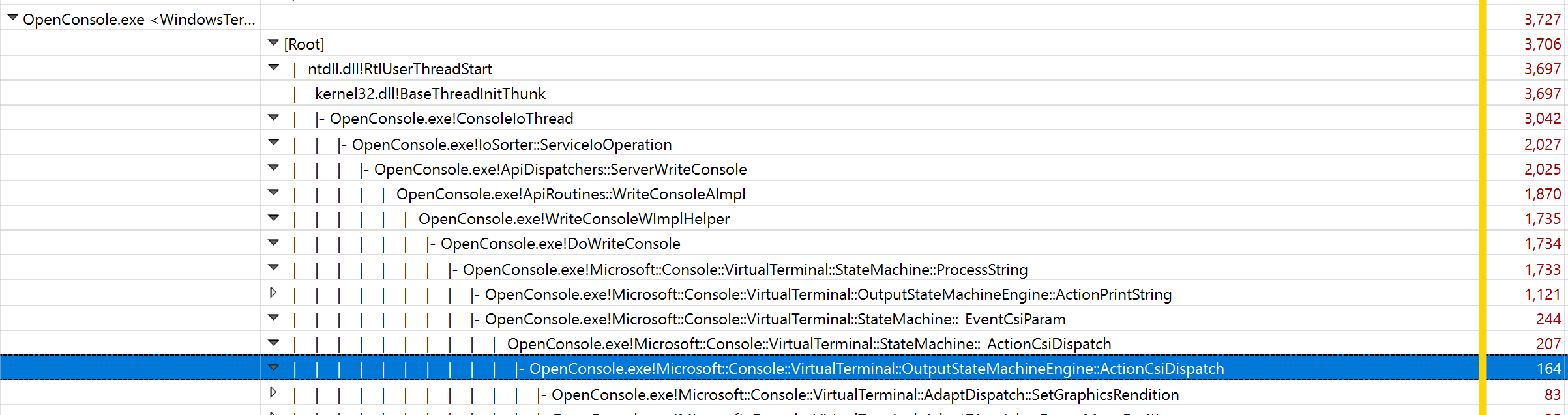


@@ -1,19 +1,17 @@
|
||||
|
||||
AccessModifierOffset: -4
|
||||
AlignAfterOpenBracket: Align
|
||||
AllowAllArgumentsOnNextLine: true
|
||||
AlignConsecutiveMacros: false
|
||||
#AllowAllArgumentsOnNextLine: false
|
||||
AlignConsecutiveAssignments: false
|
||||
AlignConsecutiveDeclarations: false
|
||||
AllowAllConstructorInitializersOnNextLine: true
|
||||
#AllowAllConstructorInitializersOnNextLine: false
|
||||
AlignEscapedNewlines: Left
|
||||
AlignOperands: true
|
||||
AlignTrailingComments: false
|
||||
AllowAllParametersOfDeclarationOnNextLine: false
|
||||
AllowShortBlocksOnASingleLine: Never
|
||||
AllowShortFunctionsOnASingleLine: Inline
|
||||
AllowShortCaseLabelsOnASingleLine: false
|
||||
AllowShortIfStatementsOnASingleLine: Never
|
||||
AllowShortIfStatementsOnASingleLine: false
|
||||
#AllowShortLambdasOnASingleLine: Inline
|
||||
AllowShortLoopsOnASingleLine: false
|
||||
AlwaysBreakAfterReturnType: None
|
||||
@@ -22,7 +20,6 @@ AlwaysBreakTemplateDeclarations: Yes
|
||||
BinPackArguments: false
|
||||
BinPackParameters: false
|
||||
BraceWrapping:
|
||||
AfterCaseLabel: true
|
||||
AfterClass: true
|
||||
AfterControlStatement: true
|
||||
AfterEnum: true
|
||||
@@ -50,7 +47,6 @@ ConstructorInitializerAllOnOneLineOrOnePerLine: true
|
||||
ConstructorInitializerIndentWidth: 4
|
||||
ContinuationIndentWidth: 4
|
||||
Cpp11BracedListStyle: false
|
||||
DeriveLineEnding: true
|
||||
DerivePointerAlignment: false
|
||||
FixNamespaceComments: false
|
||||
IncludeBlocks: Regroup
|
||||
@@ -77,7 +73,7 @@ ReflowComments: false
|
||||
SortIncludes: false
|
||||
SortUsingDeclarations: true
|
||||
SpaceAfterCStyleCast: false
|
||||
SpaceAfterLogicalNot: false
|
||||
#SpaceAfterLogicalNot: false
|
||||
SpaceAfterTemplateKeyword: false
|
||||
SpaceBeforeAssignmentOperators: true
|
||||
SpaceBeforeCpp11BracedList: false
|
||||
@@ -92,6 +88,6 @@ SpacesInCStyleCastParentheses: false
|
||||
SpacesInContainerLiterals: false
|
||||
SpacesInParentheses: false
|
||||
SpacesInSquareBrackets: false
|
||||
Standard: Latest
|
||||
Standard: Cpp11
|
||||
TabWidth: 4
|
||||
UseTab: Never
|
||||
|
||||
@@ -1,12 +0,0 @@
|
||||
{
|
||||
"version": 1,
|
||||
"isRoot": true,
|
||||
"tools": {
|
||||
"XamlStyler.Console": {
|
||||
"version": "3.2008.4",
|
||||
"commands": [
|
||||
"xstyler"
|
||||
]
|
||||
}
|
||||
}
|
||||
}
|
||||
@@ -1,7 +1,6 @@
|
||||
root = true
|
||||
|
||||
[*]
|
||||
charset = utf-8
|
||||
trim_trailing_whitespace = true
|
||||
insert_final_newline = true
|
||||
|
||||
|
||||
2
.gitattributes
vendored
2
.gitattributes
vendored
@@ -3,8 +3,6 @@
|
||||
###############################################################################
|
||||
* -text
|
||||
|
||||
*.inc linguist-language=cpp
|
||||
|
||||
###############################################################################
|
||||
# Set default behavior for command prompt diff.
|
||||
#
|
||||
|
||||
54
.github/ISSUE_TEMPLATE/Bug_Report.md
vendored
Normal file
54
.github/ISSUE_TEMPLATE/Bug_Report.md
vendored
Normal file
@@ -0,0 +1,54 @@
|
||||
---
|
||||
name: "Bug report 🐛"
|
||||
about: Report errors or unexpected behavior
|
||||
title: ''
|
||||
labels: ''
|
||||
assignees: ''
|
||||
|
||||
---
|
||||
|
||||
<!--
|
||||
🚨🚨🚨🚨🚨🚨🚨🚨🚨🚨
|
||||
|
||||
I ACKNOWLEDGE THE FOLLOWING BEFORE PROCEEDING:
|
||||
1. If I delete this entire template and go my own path, the core team may close my issue without further explanation or engagement.
|
||||
2. If I list multiple bugs/concerns in this one issue, the core team may close my issue without further explanation or engagement.
|
||||
3. If I write an issue that has many duplicates, the core team may close my issue without further explanation or engagement (and without necessarily spending time to find the exact duplicate ID number).
|
||||
4. If I leave the title incomplete when filing the issue, the core team may close my issue without further explanation or engagement.
|
||||
5. If I file something completely blank in the body, the core team may close my issue without further explanation or engagement.
|
||||
|
||||
All good? Then proceed!
|
||||
-->
|
||||
|
||||
<!--
|
||||
This bug tracker is monitored by Windows Terminal development team and other technical folks.
|
||||
|
||||
**Important: When reporting BSODs or security issues, DO NOT attach memory dumps, logs, or traces to Github issues**.
|
||||
Instead, send dumps/traces to secure@microsoft.com, referencing this GitHub issue.
|
||||
|
||||
If this is an application crash, please also provide a Feedback Hub submission link so we can find your diagnostic data on the backend. Use the category "Apps > Windows Terminal (Preview)" and choose "Share My Feedback" after submission to get the link.
|
||||
|
||||
Please use this form and describe your issue, concisely but precisely, with as much detail as possible.
|
||||
|
||||
-->
|
||||
|
||||
# Environment
|
||||
|
||||
```none
|
||||
Windows build number: [run `[Environment]::OSVersion` for powershell, or `ver` for cmd]
|
||||
Windows Terminal version (if applicable):
|
||||
|
||||
Any other software?
|
||||
```
|
||||
|
||||
# Steps to reproduce
|
||||
|
||||
<!-- A description of how to trigger this bug. -->
|
||||
|
||||
# Expected behavior
|
||||
|
||||
<!-- A description of what you're expecting, possibly containing screenshots or reference material. -->
|
||||
|
||||
# Actual behavior
|
||||
|
||||
<!-- What's actually happening? -->
|
||||
60
.github/ISSUE_TEMPLATE/Bug_Report.yml
vendored
60
.github/ISSUE_TEMPLATE/Bug_Report.yml
vendored
@@ -1,60 +0,0 @@
|
||||
name: "Bug report 🐛"
|
||||
description: Report errors or unexpected behavior
|
||||
body:
|
||||
- type: markdown
|
||||
attributes:
|
||||
value: |
|
||||
Please make sure to [search for existing issues](https://github.com/microsoft/terminal/issues) and [check the FAQ](https://github.com/microsoft/terminal/wiki/Frequently-Asked-Questions-(FAQ)) before filing a new one!
|
||||
|
||||
If this is an application crash, please also provide a [Feedback Hub](https://aka.ms/terminal-feedback-hub) submission link so we can find your diagnostic data on the backend. Use the category "Apps > Windows Terminal" and choose "Share My Feedback" after submission to get the link.
|
||||
|
||||
- type: input
|
||||
attributes:
|
||||
label: Windows Terminal version
|
||||
placeholder: "1.7.3651.0"
|
||||
description: |
|
||||
You can find the version in the about dialog, or by running `wt -v` at the commandline.
|
||||
validations:
|
||||
required: false
|
||||
|
||||
- type: input
|
||||
attributes:
|
||||
label: Windows build number
|
||||
placeholder: "10.0.19042.0"
|
||||
description: |
|
||||
Please run `ver` or `[Environment]::OSVersion`.
|
||||
validations:
|
||||
required: false
|
||||
|
||||
- type: textarea
|
||||
attributes:
|
||||
label: Other Software
|
||||
description: If you're reporting a bug about our interaction with other software, what software? What versions?
|
||||
placeholder: |
|
||||
vim 8.2 (inside WSL)
|
||||
OpenSSH_for_Windows_8.1p1
|
||||
My Cool Application v0.3 (include a code snippet if it would help!)
|
||||
validations:
|
||||
required: false
|
||||
|
||||
- type: textarea
|
||||
attributes:
|
||||
label: Steps to reproduce
|
||||
placeholder: Tell us the steps required to trigger your bug.
|
||||
validations:
|
||||
required: true
|
||||
|
||||
- type: textarea
|
||||
attributes:
|
||||
label: Expected Behavior
|
||||
description: If you want to include screenshots, paste them into the markdown editor below.
|
||||
placeholder: What were you expecting?
|
||||
validations:
|
||||
required: false
|
||||
|
||||
- type: textarea
|
||||
attributes:
|
||||
label: Actual Behavior
|
||||
placeholder: What happened instead?
|
||||
validations:
|
||||
required: true
|
||||
12
.github/ISSUE_TEMPLATE/config.yml
vendored
12
.github/ISSUE_TEMPLATE/config.yml
vendored
@@ -1,12 +0,0 @@
|
||||
blank_issues_enabled: true
|
||||
|
||||
contact_links:
|
||||
- name: Microsoft Security Response Center 🔐
|
||||
url: https://msrc.microsoft.com/create-report
|
||||
about: Please report security vulnerabilities here.
|
||||
- name: Windows Terminal Documentation issue 📄
|
||||
url: https://github.com/MicrosoftDocs/terminal/issues/new
|
||||
about: Report issues with the documentation for the Windows Terminal (in docs.microsoft.com/windows/terminal)
|
||||
- name: Console Documentation issue 📄
|
||||
url: https://github.com/MicrosoftDocs/console-docs/issues/new
|
||||
about: Report issues with the documentation for the Console (in docs.microsoft.com/windows/console)
|
||||
3
.github/PULL_REQUEST_TEMPLATE.md
vendored
3
.github/PULL_REQUEST_TEMPLATE.md
vendored
@@ -9,8 +9,7 @@
|
||||
* [ ] Closes #xxx
|
||||
* [ ] CLA signed. If not, go over [here](https://cla.opensource.microsoft.com/microsoft/Terminal) and sign the CLA
|
||||
* [ ] Tests added/passed
|
||||
* [ ] Documentation updated. If checked, please file a pull request on [our docs repo](https://github.com/MicrosoftDocs/terminal) and link it here: #xxx
|
||||
* [ ] Schema updated.
|
||||
* [ ] Requires documentation to be updated
|
||||
* [ ] I've discussed this with core contributors already. If not checked, I'm ready to accept this work might be rejected in favor of a different grand plan. Issue number where discussion took place: #xxx
|
||||
|
||||
<!-- Provide a more detailed description of the PR, other things fixed or any additional comments/features here -->
|
||||
|
||||
42
.github/linters/.markdown-lint.yml
vendored
42
.github/linters/.markdown-lint.yml
vendored
@@ -1,42 +0,0 @@
|
||||
---
|
||||
###########################
|
||||
###########################
|
||||
## Markdown Linter rules ##
|
||||
###########################
|
||||
###########################
|
||||
|
||||
# Linter rules doc:
|
||||
# - https://github.com/DavidAnson/markdownlint
|
||||
#
|
||||
# Note:
|
||||
# To comment out a single error:
|
||||
# <!-- markdownlint-disable -->
|
||||
# any violations you want
|
||||
# <!-- markdownlint-restore -->
|
||||
#
|
||||
# To run the linter locally:
|
||||
# 1. install the npm package:
|
||||
# `npm install -g markdownlint-cli`
|
||||
# 2. Then run it in the root of the repo with
|
||||
# `markdownlint -c .github\linters\.markdown-lint.yml ./*.md`
|
||||
|
||||
###############
|
||||
# Rules by id #
|
||||
###############
|
||||
MD004: false # Unordered list style
|
||||
MD007:
|
||||
indent: 2 # Unordered list indentation
|
||||
MD013:
|
||||
line_length: 400 # Line length 80 is far to short
|
||||
MD024: false # Allow multiple headings with same content
|
||||
MD026:
|
||||
punctuation: ".,;:!。,;:" # List of not allowed
|
||||
MD029: false # Ordered list item prefix
|
||||
MD033: false # Allow inline HTML
|
||||
MD036: false # Emphasis used instead of a heading
|
||||
MD040: false # Allow ``` blocks in md files with no language specified
|
||||
|
||||
#################
|
||||
# Rules by tags #
|
||||
#################
|
||||
blank_lines: false # Error on blank lines
|
||||
@@ -1,4 +1,4 @@
|
||||
<?xml version="1.0" encoding="utf-8"?>
|
||||
<packages>
|
||||
<package id="vswhere" version="2.6.7" />
|
||||
</packages>
|
||||
</packages>
|
||||
13
.vscode/extensions.json
vendored
13
.vscode/extensions.json
vendored
@@ -1,13 +0,0 @@
|
||||
{
|
||||
// See https://go.microsoft.com/fwlink/?LinkId=827846 to learn about workspace recommendations.
|
||||
// Extension identifier format: ${publisher}.${name}. Example: vscode.csharp
|
||||
|
||||
// List of extensions which should be recommended for users of this workspace.
|
||||
"recommendations": [
|
||||
"ms-vscode.cpptools"
|
||||
],
|
||||
// List of extensions recommended by VS Code that should not be recommended for users of this workspace.
|
||||
"unwantedRecommendations": [
|
||||
|
||||
]
|
||||
}
|
||||
24
.vscode/launch.json
vendored
24
.vscode/launch.json
vendored
@@ -1,24 +0,0 @@
|
||||
{
|
||||
// Use IntelliSense to learn about possible attributes.
|
||||
// Hover to view descriptions of existing attributes.
|
||||
// For more information, visit: https://go.microsoft.com/fwlink/?linkid=830387
|
||||
"version": "0.2.0",
|
||||
"configurations": [
|
||||
{
|
||||
"name": "Debug OpenConsole by Launching (x64, debug)",
|
||||
"type": "cppvsdbg",
|
||||
"request": "launch",
|
||||
"program": "${workspaceFolder}\\bin\\x64\\debug\\openconsole.exe",
|
||||
"args": [],
|
||||
"stopAtEntry": false,
|
||||
"cwd": "${workspaceFolder}",
|
||||
"environment": [],
|
||||
},
|
||||
{
|
||||
"name": "Debug Terminal by Attaching (You go build/register/launch it first.)",
|
||||
"type": "cppvsdbg",
|
||||
"request": "attach",
|
||||
"processId": "${command:pickProcess}"
|
||||
}
|
||||
]
|
||||
}
|
||||
105
.vscode/settings.json
vendored
105
.vscode/settings.json
vendored
@@ -1,105 +0,0 @@
|
||||
{
|
||||
"C_Cpp.default.browse.databaseFilename": "${workspaceFolder}\\.vscode\\.BROWSE.VC.DB",
|
||||
"C_Cpp.default.browse.path": [
|
||||
"${workspaceFolder}"
|
||||
],
|
||||
"C_Cpp.loggingLevel": "None",
|
||||
"files.associations": {
|
||||
"xstring": "cpp",
|
||||
"*.idl": "cpp",
|
||||
"array": "cpp",
|
||||
"future": "cpp",
|
||||
"istream": "cpp",
|
||||
"memory": "cpp",
|
||||
"tuple": "cpp",
|
||||
"type_traits": "cpp",
|
||||
"utility": "cpp",
|
||||
"variant": "cpp",
|
||||
"xlocmes": "cpp",
|
||||
"xlocmon": "cpp",
|
||||
"xlocnum": "cpp",
|
||||
"xloctime": "cpp",
|
||||
"multi_span": "cpp",
|
||||
"pointers": "cpp",
|
||||
"vector": "cpp",
|
||||
"bitset": "cpp",
|
||||
"deque": "cpp",
|
||||
"initializer_list": "cpp",
|
||||
"list": "cpp",
|
||||
"queue": "cpp",
|
||||
"random": "cpp",
|
||||
"regex": "cpp",
|
||||
"stack": "cpp",
|
||||
"xhash": "cpp",
|
||||
"xtree": "cpp",
|
||||
"xutility": "cpp",
|
||||
"span": "cpp",
|
||||
"string_span": "cpp",
|
||||
"algorithm": "cpp",
|
||||
"atomic": "cpp",
|
||||
"bit": "cpp",
|
||||
"cctype": "cpp",
|
||||
"charconv": "cpp",
|
||||
"chrono": "cpp",
|
||||
"clocale": "cpp",
|
||||
"cmath": "cpp",
|
||||
"compare": "cpp",
|
||||
"complex": "cpp",
|
||||
"concepts": "cpp",
|
||||
"condition_variable": "cpp",
|
||||
"cstdarg": "cpp",
|
||||
"cstddef": "cpp",
|
||||
"cstdint": "cpp",
|
||||
"cstdio": "cpp",
|
||||
"cstdlib": "cpp",
|
||||
"cstring": "cpp",
|
||||
"ctime": "cpp",
|
||||
"cwchar": "cpp",
|
||||
"cwctype": "cpp",
|
||||
"exception": "cpp",
|
||||
"filesystem": "cpp",
|
||||
"fstream": "cpp",
|
||||
"functional": "cpp",
|
||||
"iomanip": "cpp",
|
||||
"ios": "cpp",
|
||||
"iosfwd": "cpp",
|
||||
"iostream": "cpp",
|
||||
"iterator": "cpp",
|
||||
"limits": "cpp",
|
||||
"locale": "cpp",
|
||||
"map": "cpp",
|
||||
"memory_resource": "cpp",
|
||||
"mutex": "cpp",
|
||||
"new": "cpp",
|
||||
"numeric": "cpp",
|
||||
"optional": "cpp",
|
||||
"ostream": "cpp",
|
||||
"ratio": "cpp",
|
||||
"set": "cpp",
|
||||
"shared_mutex": "cpp",
|
||||
"sstream": "cpp",
|
||||
"stdexcept": "cpp",
|
||||
"stop_token": "cpp",
|
||||
"streambuf": "cpp",
|
||||
"string": "cpp",
|
||||
"system_error": "cpp",
|
||||
"thread": "cpp",
|
||||
"typeinfo": "cpp",
|
||||
"unordered_map": "cpp",
|
||||
"unordered_set": "cpp",
|
||||
"xfacet": "cpp",
|
||||
"xiosbase": "cpp",
|
||||
"xlocale": "cpp",
|
||||
"xlocbuf": "cpp",
|
||||
"xlocinfo": "cpp",
|
||||
"xmemory": "cpp",
|
||||
"xstddef": "cpp",
|
||||
"xtr1common": "cpp"
|
||||
},
|
||||
"files.exclude": {
|
||||
"**/bin/**": true,
|
||||
"**/obj/**": true,
|
||||
"**/packages/**": true,
|
||||
"**/Generated Files/**": true
|
||||
}
|
||||
}
|
||||
121
.vscode/tasks.json
vendored
121
.vscode/tasks.json
vendored
@@ -1,121 +0,0 @@
|
||||
{
|
||||
"version": "2.0.0",
|
||||
"tasks": [
|
||||
{
|
||||
"type": "process",
|
||||
"label": "Build Terminal/Console",
|
||||
"command": "powershell.exe",
|
||||
"args": [
|
||||
"-Command",
|
||||
"Import-Module ${workspaceFolder}\\tools\\OpenConsole.psm1;",
|
||||
"Set-MsBuildDevEnvironment;",
|
||||
"$project = switch(\"${input:buildProjectChoice}\"){OpenConsole{\"Conhost\\Host_EXE\"} Terminal{\"Terminal\\CascadiaPackage\"} TermControl{\"Terminal\\TerminalControl\"}};",
|
||||
"$target = switch(\"${input:buildModeChoice}\"){Build{\"\"} Rebuild{\":Rebuild\"} Clean{\":Clean\"}};",
|
||||
"$target = $project + $target;",
|
||||
"msbuild",
|
||||
"${workspaceFolder}\\OpenConsole.sln",
|
||||
"/p:Configuration=${input:configChoice}",
|
||||
"/p:Platform=${input:platformChoice}",
|
||||
"/p:AppxSymbolPackageEnabled=false", // This takes a long time, so false if we don't really need it.
|
||||
"/t:$target",
|
||||
"/m", // Parallel builds
|
||||
"/verbosity:minimal"
|
||||
],
|
||||
"problemMatcher": ["$msCompile"],
|
||||
"group": {
|
||||
"kind": "build",
|
||||
"isDefault": true
|
||||
},
|
||||
"runOptions": {
|
||||
"reevaluateOnRerun": false,
|
||||
"instanceLimit": 1,
|
||||
"runOn": "default"
|
||||
}
|
||||
},
|
||||
{
|
||||
"type": "process",
|
||||
"label": "Register Windows Terminal x64 Debug",
|
||||
"command": "powershell.exe",
|
||||
"args": [
|
||||
"-Command",
|
||||
"Import-Module ${workspaceFolder}\\tools\\OpenConsole.psm1;",
|
||||
"Set-MsBuildDevEnvironment;",
|
||||
"Set-Location -Path ${workspaceFolder}\\src\\cascadia\\CascadiaPackage\\AppPackages\\CascadiaPackage_0.0.1.0_x64_Debug_Test;",
|
||||
"if ((Get-AppxPackage -Name 'WindowsTerminalDev*') -ne $null) { Remove-AppxPackage 'WindowsTerminalDev_0.0.1.0_x64__8wekyb3d8bbwe'};",
|
||||
"New-Item ..\\loose -Type Directory -Force;",
|
||||
"makeappx unpack /v /o /p .\\CascadiaPackage_0.0.1.0_x64_Debug.msix /d ..\\Loose\\;",
|
||||
"Add-AppxPackage -Path ..\\loose\\AppxManifest.xml -Register -ForceUpdateFromAnyVersion -ForceApplicationShutdown"
|
||||
],
|
||||
"problemMatcher": ["$msCompile"],
|
||||
"group": {
|
||||
"kind": "build"
|
||||
}
|
||||
},
|
||||
{
|
||||
"type": "process",
|
||||
"label": "Run Windows Terminal Dev",
|
||||
"command": "wtd.exe",
|
||||
"args": [
|
||||
],
|
||||
"problemMatcher": ["$msCompile"],
|
||||
},
|
||||
{
|
||||
"type": "process",
|
||||
"label": "Run Code Format",
|
||||
"command": "powershell.exe",
|
||||
"args": [
|
||||
"-Command",
|
||||
"Import-Module ${workspaceFolder}\\tools\\OpenConsole.psm1;",
|
||||
"Set-MsBuildDevEnvironment;",
|
||||
"Invoke-CodeFormat",
|
||||
],
|
||||
"problemMatcher": ["$msCompile"],
|
||||
}
|
||||
],
|
||||
"inputs":[
|
||||
{
|
||||
"id": "platformChoice",
|
||||
"type": "pickString",
|
||||
"description": "Processor architecture choice",
|
||||
"options":[
|
||||
"x64",
|
||||
"x86",
|
||||
"arm64"
|
||||
],
|
||||
"default": "x64"
|
||||
},
|
||||
{
|
||||
"id": "configChoice",
|
||||
"type": "pickString",
|
||||
"description": "Debug or release?",
|
||||
"options":[
|
||||
"Debug",
|
||||
"Release"
|
||||
],
|
||||
"default": "Debug"
|
||||
},
|
||||
{
|
||||
"id": "buildModeChoice",
|
||||
"type": "pickString",
|
||||
"description": "Build, rebuild, or clean?",
|
||||
"options":[
|
||||
"Build",
|
||||
"Rebuild",
|
||||
"Clean"
|
||||
],
|
||||
"default": "Build"
|
||||
},
|
||||
{
|
||||
"id": "buildProjectChoice",
|
||||
"type": "pickString",
|
||||
"description": "OpenConsole or Terminal?",
|
||||
"options":[
|
||||
"OpenConsole",
|
||||
"Terminal",
|
||||
"TermControl"
|
||||
],
|
||||
"default": "Terminal"
|
||||
}
|
||||
|
||||
]
|
||||
}
|
||||
@@ -17,7 +17,7 @@
|
||||
"Microsoft.Net.Component.4.5.TargetingPack",
|
||||
"Microsoft.VisualStudio.Component.DiagnosticTools",
|
||||
"Microsoft.VisualStudio.Component.Debugger.JustInTime",
|
||||
"Microsoft.VisualStudio.Component.Windows11SDK.22000",
|
||||
"Microsoft.VisualStudio.Component.Windows10SDK.18362",
|
||||
"Microsoft.VisualStudio.ComponentGroup.UWP.Support",
|
||||
"Microsoft.VisualStudio.Component.VC.CoreIde",
|
||||
"Microsoft.VisualStudio.ComponentGroup.NativeDesktop.Core",
|
||||
|
||||
@@ -14,7 +14,7 @@ The point of doing all this work in public is to ensure that we are holding ours
|
||||
|
||||
The team triages new issues several times a week. During triage, the team uses labels to categorize, manage, and drive the project workflow.
|
||||
|
||||
We employ [a bot engine](https://github.com/microsoft/terminal/blob/main/doc/bot.md) to help us automate common processes within our workflow.
|
||||
We employ [a bot engine](https://github.com/microsoft/terminal/blob/master/doc/bot.md) to help us automate common processes within our workflow.
|
||||
|
||||
We drive the bot by tagging issues with specific labels which cause the bot engine to close issues, merge branches, etc. This bot engine helps us keep the repo clean by automating the process of notifying appropriate parties if/when information/follow-up is needed, and closing stale issues/PRs after reminders have remained unanswered for several days.
|
||||
|
||||
@@ -43,7 +43,7 @@ If no existing item describes your issue/feature, great - please file a new issu
|
||||
* Have a question that you don't see answered in docs, videos, etc.? File an issue
|
||||
* Want to know if we're planning on building a particular feature? File an issue
|
||||
* Got a great idea for a new feature? File an issue/request/idea
|
||||
* Don't understand how to do something? File an issue
|
||||
* Don't understand how to do something? File an issue/Community Guidance Request
|
||||
* Found an existing issue that describes yours? Great - upvote and add additional commentary / info / repro-steps / etc.
|
||||
|
||||
When you hit "New Issue", select the type of issue closest to what you want to report/ask/request:
|
||||
@@ -99,39 +99,25 @@ If you don't have any additional info/context to add but would like to indicate
|
||||
|
||||
## Contributing fixes / features
|
||||
|
||||
If you're able & willing to help fix issues and/or implement features, we'd love your contribution!
|
||||
|
||||
The best place to start is the list of ["Easy Starter"](https://github.com/microsoft/terminal/issues?q=is%3Aopen+is%3Aissue+label%3A%22Help+Wanted%22+label%3A%22Easy+Starter%22+) issues. These are bugs or tasks that we on the team believe would be easier to implement for someone without any prior experience in the codebase. Once you're feeling more comfortable in the codebase, feel free to just use the ["Help Wanted"](https://github.com/microsoft/terminal/issues?q=is%3Aopen+is%3Aissue+label%3A%22Help+Wanted%22+) label, or just find an issue your interested in and hop in!
|
||||
|
||||
Generally, we categorize issues in the following way, which is largely derived from our old internal work tracking system:
|
||||
* ["Bugs"](https://github.com/microsoft/terminal/issues?q=is%3Aopen+is%3Aissue+label%3A%22Issue-Bug%22+) are parts of the Terminal & Console that are not quite working the right way. There's code to already support some scenario, but it's not quite working right. Fixing these is generally a matter of debugging the broken functionality and fixing the wrong code.
|
||||
* ["Tasks"](https://github.com/microsoft/terminal/issues?q=is%3Aopen+is%3Aissue+label%3A%22Issue-Task%22+) are usually new pieces of functionality that aren't yet implemented for the Terminal/Console. These are usually smaller features, which we believe
|
||||
- could be a single, atomic PR
|
||||
- Don't require much design consideration, or we've already written the spec for the larger feature they belong to.
|
||||
* ["Features"](https://github.com/microsoft/terminal/issues?q=is%3Aopen+is%3Aissue+label%3A%22Issue-Feature%22+) are larger pieces of new functionality. These are usually things we believe would require larger discussion of how they should be implemented, or they'll require some complicated new settings. They might just be features that are composed of many individual tasks. Often times, with features, we like to have a spec written before development work is started, to make sure we're all on the same page (see below).
|
||||
|
||||
Bugs and tasks are obviously the easiest to get started with, but don't feel afraid of features either! We've had some community members contribute some amazing "feature"-level work to the Terminal (albeit, with lots of discussion 😄).
|
||||
|
||||
|
||||
Often, we like to assign issues that generally belong to somebody's area of expertise to the team member that owns that area. This doesn't mean the community can't jump in -- they should reach out and have a chat with the assignee to see if it'd okay to take. If an issue's been assigned more than a month ago, there's a good chance it's fair game to try yourself.
|
||||
For those able & willing to help fix issues and/or implement features ...
|
||||
|
||||
### To Spec or not to Spec
|
||||
|
||||
Some issues/features may be quick and simple to describe and understand. For such scenarios, once a team member has agreed with your approach, skip ahead to the section headed "Fork, Branch, and Create your PR", below.
|
||||
|
||||
Small issues that do not require a spec will be labelled `Issue-Bug` or `Issue-Task`.
|
||||
Small issues that do not require a spec will be labelled Issue-Bug or Issue-Task.
|
||||
|
||||
However, some issues/features will require careful thought & formal design before implementation. For these scenarios, we'll request that a spec is written and the associated issue will be labeled `Issue-Feature`. More often than not, we'll add such features to the ["Specification Tracker" project](https://github.com/microsoft/terminal/projects/1).
|
||||
However, some issues/features will require careful thought & formal design before implementation. For these scenarios, we'll request that a spec is written and the associated issue will be labeled Issue-Feature.
|
||||
|
||||
Specs help collaborators discuss different approaches to solve a problem, describe how the feature will behave, how the feature will impact the user, what happens if something goes wrong, etc. Driving towards agreement in a spec, before any code is written, often results in simpler code, and less wasted effort in the long run.
|
||||
|
||||
Specs will be managed in a very similar manner as code contributions so please follow the "[Fork, Branch and Create your PR](CONTRIBUTING.md#fork-clone-branch-and-create-your-pr)" section below.
|
||||
Specs will be managed in a very similar manner as code contributions so please follow the "Fork, Branch and Create your PR" below.
|
||||
|
||||
### Writing / Contributing-to a Spec
|
||||
|
||||
To write/contribute to a spec: fork, branch and commit via PRs, as you would with any code changes.
|
||||
|
||||
Specs are written in markdown, stored under the [`\doc\specs`](./doc/specs) folder and named `[issue id] - [spec description].md`.
|
||||
Specs are written in markdown, stored under the `\doc\spec` folder and named `[issue id] - [spec description].md`.
|
||||
|
||||
👉 **It is important to follow the spec templates and complete the requested information**. The available spec templates will help ensure that specs contain the minimum information & decisions necessary to permit development to begin. In particular, specs require you to confirm that you've already discussed the issue/idea with the team in an issue and that you provide the issue ID for reference.
|
||||
|
||||
@@ -139,7 +125,7 @@ Team members will be happy to help review specs and guide them to completion.
|
||||
|
||||
### Help Wanted
|
||||
|
||||
Once the team has approved an issue/spec, development can proceed. If no developers are immediately available, the spec can be parked ready for a developer to get started. Parked specs' issues will be labeled "Help Wanted". To find a list of development opportunities waiting for developer involvement, visit the Issues and filter on [the Help-Wanted label](https://github.com/microsoft/terminal/labels/Help%20Wanted).
|
||||
Once the team have approved an issue/spec, development can proceed. If no developers are immediately available, the spec can be parked ready for a developer to get started. Parked specs' issues will be labeled "Help Wanted". To find a list of development opportunities waiting for developer involvement, visit the Issues and filter on [the Help-Wanted label](https://github.com/microsoft/terminal/labels/Help-Wanted).
|
||||
|
||||
---
|
||||
|
||||
@@ -154,13 +140,6 @@ Once you've discussed your proposed feature/fix/etc. with a team member, and you
|
||||
1. Create & push a feature branch
|
||||
1. Create a [Draft Pull Request (PR)](https://github.blog/2019-02-14-introducing-draft-pull-requests/)
|
||||
1. Work on your changes
|
||||
1. Build and see if it works. Consult [How to build OpenConsole](./doc/building.md) if you have problems.
|
||||
|
||||
### Testing
|
||||
|
||||
Testing is a key component in the development workflow. Both Windows Terminal and Windows Console use TAEF(the Test Authoring and Execution Framework) as the main framework for testing.
|
||||
|
||||
If your changes affect existing test cases, or you're working on brand new features and also the accompanying test cases, see [TAEF](./doc/TAEF.md) for more information about how to validate your work locally.
|
||||
|
||||
### Code Review
|
||||
|
||||
@@ -170,10 +149,10 @@ When you'd like the team to take a look, (even if the work is not yet fully-comp
|
||||
|
||||
### Merge
|
||||
|
||||
Once your code has been reviewed and approved by the requisite number of team members, it will be merged into the main branch. Once merged, your PR will be automatically closed.
|
||||
Once your code has been reviewed and approved by the requisite number of team members, it will be merged into the master branch. Once merged, your PR will be automatically closed.
|
||||
|
||||
---
|
||||
|
||||
## Thank you
|
||||
|
||||
Thank you in advance for your contribution! Now, [what's next on the list](https://github.com/microsoft/terminal/labels/Help%20Wanted)? 😜
|
||||
Thank you in advance for your contribution! Now, [what's next on the list](https://github.com/microsoft/terminal/labels/Help-Wanted)? 😜
|
||||
|
||||
218
NOTICE.md
218
NOTICE.md
@@ -2,7 +2,7 @@
|
||||
Do Not Translate or Localize
|
||||
|
||||
This software incorporates material from third parties. Microsoft makes certain
|
||||
open source code available at [http://3rdpartysource.microsoft.com](http://3rdpartysource.microsoft.com), or you may
|
||||
open source code available at http://3rdpartysource.microsoft.com, or you may
|
||||
send a check or money order for US $5.00, including the product name, the open
|
||||
source component name, and version number, to:
|
||||
|
||||
@@ -20,7 +20,7 @@ General Public License.
|
||||
|
||||
## jsoncpp
|
||||
|
||||
**Source**: [https://github.com/open-source-parsers/jsoncpp](https://github.com/open-source-parsers/jsoncpp)
|
||||
**Source**: https://github.com/open-source-parsers/jsoncpp
|
||||
|
||||
### License
|
||||
|
||||
@@ -48,9 +48,39 @@ CONNECTION WITH THE SOFTWARE OR THE USE OR OTHER DEALINGS IN THE
|
||||
SOFTWARE.
|
||||
```
|
||||
|
||||
## telnetpp
|
||||
|
||||
**Source**: https://github.com/KazDragon/telnetpp
|
||||
|
||||
### License
|
||||
|
||||
```
|
||||
The MIT License (MIT)
|
||||
|
||||
Copyright (c) 2015-2017 Matthew Chaplain a.k.a KazDragon
|
||||
|
||||
Permission is hereby granted, free of charge, to any person obtaining a copy
|
||||
of this software and associated documentation files (the "Software"), to deal
|
||||
in the Software without restriction, including without limitation the rights
|
||||
to use, copy, modify, merge, publish, distribute, sublicense, and/or sell
|
||||
copies of the Software, and to permit persons to whom the Software is
|
||||
furnished to do so, subject to the following conditions:
|
||||
|
||||
The above copyright notice and this permission notice shall be included in all
|
||||
copies or substantial portions of the Software.
|
||||
|
||||
THE SOFTWARE IS PROVIDED "AS IS", WITHOUT WARRANTY OF ANY KIND, EXPRESS OR
|
||||
IMPLIED, INCLUDING BUT NOT LIMITED TO THE WARRANTIES OF MERCHANTABILITY,
|
||||
FITNESS FOR A PARTICULAR PURPOSE AND NONINFRINGEMENT. IN NO EVENT SHALL THE
|
||||
AUTHORS OR COPYRIGHT HOLDERS BE LIABLE FOR ANY CLAIM, DAMAGES OR OTHER
|
||||
LIABILITY, WHETHER IN AN ACTION OF CONTRACT, TORT OR OTHERWISE, ARISING FROM,
|
||||
OUT OF OR IN CONNECTION WITH THE SOFTWARE OR THE USE OR OTHER DEALINGS IN THE
|
||||
SOFTWARE.
|
||||
```
|
||||
|
||||
## chromium/base/numerics
|
||||
|
||||
**Source**: [https://github.com/chromium/chromium/tree/master/base/numerics](https://github.com/chromium/chromium/tree/master/base/numerics)
|
||||
**Source**: https://github.com/chromium/chromium/tree/master/base/numerics
|
||||
|
||||
### License
|
||||
|
||||
@@ -86,7 +116,7 @@ OF THIS SOFTWARE, EVEN IF ADVISED OF THE POSSIBILITY OF SUCH DAMAGE.
|
||||
|
||||
## kimwalisch/libpopcnt
|
||||
|
||||
**Source**: [https://github.com/kimwalisch/libpopcnt](https://github.com/kimwalisch/libpopcnt)
|
||||
**Source**: https://github.com/kimwalisch/libpopcnt
|
||||
|
||||
### License
|
||||
|
||||
@@ -117,11 +147,12 @@ LOSS OF USE, DATA, OR PROFITS; OR BUSINESS INTERRUPTION) HOWEVER CAUSED AND
|
||||
ON ANY THEORY OF LIABILITY, WHETHER IN CONTRACT, STRICT LIABILITY, OR TORT
|
||||
(INCLUDING NEGLIGENCE OR OTHERWISE) ARISING IN ANY WAY OUT OF THE USE OF THIS
|
||||
SOFTWARE, EVEN IF ADVISED OF THE POSSIBILITY OF SUCH DAMAGE.
|
||||
|
||||
```
|
||||
|
||||
## dynamic_bitset
|
||||
|
||||
**Source**: [https://github.com/pinam45/dynamic_bitset](https://github.com/pinam45/dynamic_bitset)
|
||||
**Source**: https://github.com/pinam45/dynamic_bitset
|
||||
|
||||
### License
|
||||
|
||||
@@ -147,11 +178,12 @@ AUTHORS OR COPYRIGHT HOLDERS BE LIABLE FOR ANY CLAIM, DAMAGES OR OTHER
|
||||
LIABILITY, WHETHER IN AN ACTION OF CONTRACT, TORT OR OTHERWISE, ARISING FROM,
|
||||
OUT OF OR IN CONNECTION WITH THE SOFTWARE OR THE USE OR OTHER DEALINGS IN THE
|
||||
SOFTWARE.
|
||||
|
||||
```
|
||||
|
||||
## \{fmt\}
|
||||
## {fmt}
|
||||
|
||||
**Source**: [https://github.com/fmtlib/fmt](https://github.com/fmtlib/fmt)
|
||||
**Source**: https://github.com/fmtlib/fmt
|
||||
|
||||
### License
|
||||
|
||||
@@ -186,175 +218,3 @@ of this Software are embedded into a machine-executable object form of such
|
||||
source code, you may redistribute such embedded portions in such object form
|
||||
without including the above copyright and permission notices.
|
||||
```
|
||||
|
||||
## interval_tree
|
||||
|
||||
**Source**: [https://github.com/ekg/IntervalTree](https://github.com/ekg/IntervalTree)
|
||||
|
||||
### License
|
||||
|
||||
```
|
||||
Copyright (c) 2011 Erik Garrison
|
||||
|
||||
Permission is hereby granted, free of charge, to any person obtaining a copy of
|
||||
this software and associated documentation files (the "Software"), to deal in
|
||||
the Software without restriction, including without limitation the rights to
|
||||
use, copy, modify, merge, publish, distribute, sublicense, and/or sell copies
|
||||
of the Software, and to permit persons to whom the Software is furnished to do
|
||||
so, subject to the following conditions:
|
||||
|
||||
The above copyright notice and this permission notice shall be included in all
|
||||
copies or substantial portions of the Software.
|
||||
|
||||
THE SOFTWARE IS PROVIDED "AS IS", WITHOUT WARRANTY OF ANY KIND, EXPRESS OR
|
||||
IMPLIED, INCLUDING BUT NOT LIMITED TO THE WARRANTIES OF MERCHANTABILITY,
|
||||
FITNESS FOR A PARTICULAR PURPOSE AND NONINFRINGEMENT. IN NO EVENT SHALL THE
|
||||
AUTHORS OR COPYRIGHT HOLDERS BE LIABLE FOR ANY CLAIM, DAMAGES OR OTHER
|
||||
LIABILITY, WHETHER IN AN ACTION OF CONTRACT, TORT OR OTHERWISE, ARISING FROM,
|
||||
OUT OF OR IN CONNECTION WITH THE SOFTWARE OR THE USE OR OTHER DEALINGS IN THE
|
||||
SOFTWARE.
|
||||
```
|
||||
|
||||
|
||||
## boost
|
||||
|
||||
**Source**: [https://github.com/boostorg/boost](https://github.com/boostorg/boost)
|
||||
|
||||
### License
|
||||
|
||||
```
|
||||
Boost Software License - Version 1.0 - August 17th, 2003
|
||||
|
||||
Permission is hereby granted, free of charge, to any person or organization
|
||||
obtaining a copy of the software and accompanying documentation covered by
|
||||
this license (the "Software") to use, reproduce, display, distribute,
|
||||
execute, and transmit the Software, and to prepare derivative works of the
|
||||
Software, and to permit third-parties to whom the Software is furnished to
|
||||
do so, all subject to the following:
|
||||
|
||||
The copyright notices in the Software and this entire statement, including
|
||||
the above license grant, this restriction and the following disclaimer,
|
||||
must be included in all copies of the Software, in whole or in part, and
|
||||
all derivative works of the Software, unless such copies or derivative
|
||||
works are solely in the form of machine-executable object code generated by
|
||||
a source language processor.
|
||||
|
||||
THE SOFTWARE IS PROVIDED "AS IS", WITHOUT WARRANTY OF ANY KIND, EXPRESS OR
|
||||
IMPLIED, INCLUDING BUT NOT LIMITED TO THE WARRANTIES OF MERCHANTABILITY,
|
||||
FITNESS FOR A PARTICULAR PURPOSE, TITLE AND NON-INFRINGEMENT. IN NO EVENT
|
||||
SHALL THE COPYRIGHT HOLDERS OR ANYONE DISTRIBUTING THE SOFTWARE BE LIABLE
|
||||
FOR ANY DAMAGES OR OTHER LIABILITY, WHETHER IN CONTRACT, TORT OR OTHERWISE,
|
||||
ARISING FROM, OUT OF OR IN CONNECTION WITH THE SOFTWARE OR THE USE OR OTHER
|
||||
DEALINGS IN THE SOFTWARE.
|
||||
```
|
||||
|
||||
## PCG Random Number Generation
|
||||
|
||||
**Source**: [https://github.com/imneme/pcg-cpp](https://github.com/imneme/pcg-cpp)
|
||||
|
||||
### License
|
||||
|
||||
```
|
||||
Copyright (c) 2014-2017 Melissa O'Neill and PCG Project contributors
|
||||
|
||||
Permission is hereby granted, free of charge, to any person obtaining a copy
|
||||
of this software and associated documentation files (the "Software"), to deal
|
||||
in the Software without restriction, including without limitation the rights
|
||||
to use, copy, modify, merge, publish, distribute, sublicense, and/or sell
|
||||
copies of the Software, and to permit persons to whom the Software is
|
||||
furnished to do so, subject to the following conditions:
|
||||
|
||||
The above copyright notice and this permission notice shall be included in all
|
||||
copies or substantial portions of the Software.
|
||||
|
||||
THE SOFTWARE IS PROVIDED "AS IS", WITHOUT WARRANTY OF ANY KIND, EXPRESS OR
|
||||
IMPLIED, INCLUDING BUT NOT LIMITED TO THE WARRANTIES OF MERCHANTABILITY,
|
||||
FITNESS FOR A PARTICULAR PURPOSE AND NONINFRINGEMENT. IN NO EVENT SHALL THE
|
||||
AUTHORS OR COPYRIGHT HOLDERS BE LIABLE FOR ANY CLAIM, DAMAGES OR OTHER
|
||||
LIABILITY, WHETHER IN AN ACTION OF CONTRACT, TORT OR OTHERWISE, ARISING FROM,
|
||||
OUT OF OR IN CONNECTION WITH THE SOFTWARE OR THE USE OR OTHER DEALINGS IN THE
|
||||
SOFTWARE.
|
||||
```
|
||||
|
||||
## ConEmu
|
||||
**Source**: [https://github.com/Maximus5/ConEmu](https://github.com/Maximus5/ConEmu)
|
||||
|
||||
### License
|
||||
|
||||
```
|
||||
BSD 3-Clause License
|
||||
|
||||
Copyright (c) 2009-2017, Maximus5 <ConEmu.Maximus5@gmail.com>
|
||||
All rights reserved.
|
||||
|
||||
Redistribution and use in source and binary forms, with or without
|
||||
modification, are permitted provided that the following conditions are met:
|
||||
|
||||
* Redistributions of source code must retain the above copyright notice, this
|
||||
list of conditions and the following disclaimer.
|
||||
|
||||
* Redistributions in binary form must reproduce the above copyright notice,
|
||||
this list of conditions and the following disclaimer in the documentation
|
||||
and/or other materials provided with the distribution.
|
||||
|
||||
* Neither the name of the copyright holder nor the names of its
|
||||
contributors may be used to endorse or promote products derived from
|
||||
this software without specific prior written permission.
|
||||
|
||||
THIS SOFTWARE IS PROVIDED BY THE COPYRIGHT HOLDERS AND CONTRIBUTORS "AS IS"
|
||||
AND ANY EXPRESS OR IMPLIED WARRANTIES, INCLUDING, BUT NOT LIMITED TO, THE
|
||||
IMPLIED WARRANTIES OF MERCHANTABILITY AND FITNESS FOR A PARTICULAR PURPOSE ARE
|
||||
DISCLAIMED. IN NO EVENT SHALL THE COPYRIGHT HOLDER OR CONTRIBUTORS BE LIABLE
|
||||
FOR ANY DIRECT, INDIRECT, INCIDENTAL, SPECIAL, EXEMPLARY, OR CONSEQUENTIAL
|
||||
DAMAGES (INCLUDING, BUT NOT LIMITED TO, PROCUREMENT OF SUBSTITUTE GOODS OR
|
||||
SERVICES; LOSS OF USE, DATA, OR PROFITS; OR BUSINESS INTERRUPTION) HOWEVER
|
||||
CAUSED AND ON ANY THEORY OF LIABILITY, WHETHER IN CONTRACT, STRICT LIABILITY,
|
||||
OR TORT (INCLUDING NEGLIGENCE OR OTHERWISE) ARISING IN ANY WAY OUT OF THE USE
|
||||
OF THIS SOFTWARE, EVEN IF ADVISED OF THE POSSIBILITY OF SUCH DAMAGE.
|
||||
```
|
||||
|
||||
# Microsoft Open Source
|
||||
|
||||
This product also incorporates source code from other Microsoft open source projects, all licensed under the MIT license.
|
||||
|
||||
## `GSL`
|
||||
|
||||
**Source**: [https://github.com/microsoft/GSL](https://github.com/microsoft/GSL)
|
||||
|
||||
## `Microsoft-UI-XAML`
|
||||
|
||||
**Source**: [https://github.com/microsoft/Microsoft-UI-XAML](https://github.com/microsoft/Microsoft-UI-XAML)
|
||||
|
||||
## `VirtualDesktopUtils`
|
||||
|
||||
**Source**: [https://github.com/microsoft/PowerToys](https://github.com/microsoft/PowerToys)
|
||||
|
||||
## `wil`
|
||||
|
||||
**Source**: [https://github.com/microsoft/wil](https://github.com/microsoft/wil)
|
||||
|
||||
### License
|
||||
|
||||
```
|
||||
The MIT License
|
||||
|
||||
Copyright (c) Microsoft Corporation. All rights reserved.
|
||||
|
||||
Permission is hereby granted, free of charge, to any person obtaining a copy
|
||||
of this software and associated documentation files (the "Software"), to deal
|
||||
in the Software without restriction, including without limitation the rights
|
||||
to use, copy, modify, merge, publish, distribute, sublicense, and/or sell
|
||||
copies of the Software, and to permit persons to whom the Software is
|
||||
furnished to do so, subject to the following conditions:
|
||||
|
||||
The above copyright notice and this permission notice shall be included in
|
||||
all copies or substantial portions of the Software.
|
||||
|
||||
THE SOFTWARE IS PROVIDED "AS IS", WITHOUT WARRANTY OF ANY KIND, EXPRESS OR
|
||||
IMPLIED, INCLUDING BUT NOT LIMITED TO THE WARRANTIES OF MERCHANTABILITY,
|
||||
FITNESS FOR A PARTICULAR PURPOSE AND NONINFRINGEMENT. IN NO EVENT SHALL THE
|
||||
AUTHORS OR COPYRIGHT HOLDERS BE LIABLE FOR ANY CLAIM, DAMAGES OR OTHER
|
||||
LIABILITY, WHETHER IN AN ACTION OF CONTRACT, TORT OR OTHERWISE, ARISING FROM,
|
||||
OUT OF OR IN CONNECTION WITH THE SOFTWARE OR THE USE OR OTHER DEALINGS IN
|
||||
THE SOFTWARE.
|
||||
```
|
||||
|
||||
19
NuGet.Config
19
NuGet.Config
@@ -1,17 +1,20 @@
|
||||
<?xml version="1.0" encoding="utf-8"?>
|
||||
<configuration>
|
||||
<packageSources>
|
||||
<clear />
|
||||
<!-- Dependencies that we can turn on to force override for testing purposes before uploading. -->
|
||||
<add key="NuGet.org" value="https://api.nuget.org/v3/index.json" />
|
||||
<!-- Add repositories here to the list of available repositories -->
|
||||
|
||||
<!-- Dependencies that we must carry because they're not on public nuget feeds right now. -->
|
||||
<!--<add key="Static Package Dependencies" value="dep\packages" />-->
|
||||
<add key="TerminalDependencies" value="https://pkgs.dev.azure.com/ms/terminal/_packaging/TerminalDependencies/nuget/v3/index.json" />
|
||||
|
||||
<!-- Use our own NuGet Feed -->
|
||||
<add key="Windows Terminal NuGet Feed" value="https://terminalnuget.blob.core.windows.net/feed/index.json" />
|
||||
|
||||
<!-- Internal NuGet feeds that may not be accessible outside Microsoft corporate network -->
|
||||
<!--<add key="TAEF - internal" value="https://microsoft.pkgs.visualstudio.com/DefaultCollection/_packaging/Taef/nuget/v3/index.json" />
|
||||
<add key="OpenConsole - Internal" value="https://microsoft.pkgs.visualstudio.com/_packaging/OpenConsole/nuget/v3/index.json" />-->
|
||||
</packageSources>
|
||||
<disabledPackageSources>
|
||||
<clear />
|
||||
</disabledPackageSources>
|
||||
<config>
|
||||
<!-- TODO: TEMPORARY UNTIL PGO-Helpers is updated to search both. We shouldn't need to keep the globals path here. -->
|
||||
<add key="globalPackagesFolder" value=".\packages" />
|
||||
<add key="repositorypath" value=".\packages" />
|
||||
</config>
|
||||
</configuration>
|
||||
|
||||
2037
OpenConsole.sln
2037
OpenConsole.sln
File diff suppressed because it is too large
Load Diff
282
README.md
282
README.md
@@ -1,33 +1,25 @@
|
||||
|
||||
|
||||
# Welcome to the Windows Terminal, Console and Command-Line repo
|
||||
|
||||
This repository contains the source code for:
|
||||
|
||||
* [Windows Terminal](https://aka.ms/terminal)
|
||||
* [Windows Terminal Preview](https://aka.ms/terminal-preview)
|
||||
* [Windows Terminal](https://www.microsoft.com/en-us/p/windows-terminal-preview/9n0dx20hk701)
|
||||
* The Windows console host (`conhost.exe`)
|
||||
* Components shared between the two projects
|
||||
* [ColorTool](https://github.com/microsoft/terminal/tree/main/src/tools/ColorTool)
|
||||
* [Sample projects](https://github.com/microsoft/terminal/tree/main/samples)
|
||||
that show how to consume the Windows Console APIs
|
||||
* [ColorTool](https://github.com/Microsoft/Terminal/tree/master/src/tools/ColorTool)
|
||||
* [Sample projects](https://github.com/Microsoft/Terminal/tree/master/samples) that show how to consume the Windows Console APIs
|
||||
|
||||
Related repositories include:
|
||||
|
||||
* [Windows Terminal Documentation](https://docs.microsoft.com/windows/terminal)
|
||||
([Repo: Contribute to the docs](https://github.com/MicrosoftDocs/terminal))
|
||||
* [Console API Documentation](https://github.com/MicrosoftDocs/Console-Docs)
|
||||
* [Cascadia Code Font](https://github.com/Microsoft/Cascadia-Code)
|
||||
|
||||
## Installing and running Windows Terminal
|
||||
|
||||
> 🔴 Note: Windows Terminal requires Windows 10 1903 (build 18362) or later
|
||||
> 👉 Note: Windows Terminal requires Windows 10 1903 (build 18362) or later
|
||||
|
||||
### Microsoft Store [Recommended]
|
||||
|
||||
Install the [Windows Terminal from the Microsoft Store][store-install-link].
|
||||
This allows you to always be on the latest version when we release new builds
|
||||
with automatic upgrades.
|
||||
Install the [Windows Terminal from the Microsoft Store][store-install-link]. This allows you to always be on the latest version when we release new builds with automatic upgrades.
|
||||
|
||||
This is our preferred method.
|
||||
|
||||
@@ -35,43 +27,16 @@ This is our preferred method.
|
||||
|
||||
#### Via GitHub
|
||||
|
||||
For users who are unable to install Windows Terminal from the Microsoft Store,
|
||||
released builds can be manually downloaded from this repository's [Releases
|
||||
page](https://github.com/microsoft/terminal/releases).
|
||||
For users who are unable to install Terminal from the Microsoft Store, Terminal builds can be manually downloaded from this repository's [Releases page](https://github.com/microsoft/terminal/releases).
|
||||
|
||||
Download the `Microsoft.WindowsTerminal_<versionNumber>.msixbundle` file from
|
||||
the **Assets** section. To install the app, you can simply double-click on the
|
||||
`.msixbundle` file, and the app installer should automatically run. If that
|
||||
fails for any reason, you can try the following command at a PowerShell prompt:
|
||||
|
||||
```powershell
|
||||
# NOTE: If you are using PowerShell 7+, please run
|
||||
# Import-Module Appx -UseWindowsPowerShell
|
||||
# before using Add-AppxPackage.
|
||||
|
||||
Add-AppxPackage Microsoft.WindowsTerminal_<versionNumber>.msixbundle
|
||||
```
|
||||
|
||||
> 🔴 Note: If you install Terminal manually:
|
||||
> ⚠ Note: If you install Terminal manually:
|
||||
>
|
||||
> * Terminal will not auto-update when new builds are released so you will need
|
||||
> to regularly install the latest Terminal release to receive all the latest
|
||||
> fixes and improvements!
|
||||
|
||||
#### Via Windows Package Manager CLI (aka winget)
|
||||
|
||||
[winget](https://github.com/microsoft/winget-cli) users can download and install
|
||||
the latest Terminal release by installing the `Microsoft.WindowsTerminal`
|
||||
package:
|
||||
|
||||
```powershell
|
||||
winget install --id=Microsoft.WindowsTerminal -e
|
||||
```
|
||||
> * Be sure to install the [Desktop Bridge VC++ v14 Redistributable Package](https://www.microsoft.com/en-us/download/details.aspx?id=53175) otherwise Terminal may not install and/or run and may crash at startup
|
||||
> * Terminal will not auto-update when new builds are released so you will need to regularly install the latest Terminal release to receive all the latest fixes and improvements!
|
||||
|
||||
#### Via Chocolatey (unofficial)
|
||||
|
||||
[Chocolatey](https://chocolatey.org) users can download and install the latest
|
||||
Terminal release by installing the `microsoft-windows-terminal` package:
|
||||
[Chocolatey](https://chocolatey.org) users can download and install the latest Terminal release by installing the `microsoft-windows-terminal` package:
|
||||
|
||||
```powershell
|
||||
choco install microsoft-windows-terminal
|
||||
@@ -83,144 +48,72 @@ To upgrade Windows Terminal using Chocolatey, run the following:
|
||||
choco upgrade microsoft-windows-terminal
|
||||
```
|
||||
|
||||
If you have any issues when installing/upgrading the package please go to the
|
||||
[Windows Terminal package
|
||||
page](https://chocolatey.org/packages/microsoft-windows-terminal) and follow the
|
||||
[Chocolatey triage process](https://chocolatey.org/docs/package-triage-process)
|
||||
|
||||
#### Via Scoop (unofficial)
|
||||
|
||||
[Scoop](https://scoop.sh) users can download and install the latest Terminal
|
||||
release by installing the `windows-terminal` package:
|
||||
|
||||
```powershell
|
||||
scoop bucket add extras
|
||||
scoop install windows-terminal
|
||||
```
|
||||
|
||||
To update Windows Terminal using Scoop, run the following:
|
||||
|
||||
```powershell
|
||||
scoop update windows-terminal
|
||||
```
|
||||
|
||||
If you have any issues when installing/updating the package, please search for
|
||||
or report the same on the [issues
|
||||
page](https://github.com/lukesampson/scoop-extras/issues) of Scoop Extras bucket
|
||||
repository.
|
||||
If you have any issues when installing/upgrading the package please go to the [Windows Terminal package page](https://chocolatey.org/packages/microsoft-windows-terminal) and follow the [Chocolatey triage process](https://chocolatey.org/docs/package-triage-process)
|
||||
|
||||
---
|
||||
|
||||
## Windows Terminal 2.0 Roadmap
|
||||
|
||||
The plan for delivering Windows Terminal 2.0 [is described
|
||||
here](/doc/terminal-v2-roadmap.md) and will be updated as the project proceeds.
|
||||
|
||||
## Project Build Status
|
||||
|
||||
Project|Build Status
|
||||
---|---
|
||||
Terminal|[](https://dev.azure.com/ms/terminal/_build?definitionId=136)
|
||||
ColorTool|
|
||||
Terminal|[](https://dev.azure.com/ms/Terminal/_build?definitionId=136)
|
||||
ColorTool|
|
||||
|
||||
---
|
||||
|
||||
## Windows Terminal v1.0 Roadmap
|
||||
|
||||
The plan for delivering Windows Terminal v1.0 [is described here](/doc/terminal-v1-roadmap.md), and will be updated as the project proceeds.
|
||||
|
||||
---
|
||||
|
||||
## Terminal & Console Overview
|
||||
|
||||
Please take a few minutes to review the overview below before diving into the
|
||||
code:
|
||||
Please take a few minutes to review the overview below before diving into the code:
|
||||
|
||||
### Windows Terminal
|
||||
|
||||
Windows Terminal is a new, modern, feature-rich, productive terminal application
|
||||
for command-line users. It includes many of the features most frequently
|
||||
requested by the Windows command-line community including support for tabs, rich
|
||||
text, globalization, configurability, theming & styling, and more.
|
||||
Windows Terminal is a new, modern, feature-rich, productive terminal application for command-line users. It includes many of the features most frequently requested by the Windows command-line community including support for tabs, rich text, globalization, configurability, theming & styling, and more.
|
||||
|
||||
The Terminal will also need to meet our goals and measures to ensure it remains
|
||||
fast and efficient, and doesn't consume vast amounts of memory or power.
|
||||
The Terminal will also need to meet our goals and measures to ensure it remains fast and efficient, and doesn't consume vast amounts of memory or power.
|
||||
|
||||
### The Windows Console Host
|
||||
|
||||
The Windows Console host, `conhost.exe`, is Windows' original command-line user
|
||||
experience. It also hosts Windows' command-line infrastructure and the Windows
|
||||
Console API server, input engine, rendering engine, user preferences, etc. The
|
||||
console host code in this repository is the actual source from which the
|
||||
`conhost.exe` in Windows itself is built.
|
||||
The Windows Console host, `conhost.exe`, is Windows' original command-line user experience. It also hosts Windows' command-line infrastructure and the Windows Console API server, input engine, rendering engine, user preferences, etc. The console host code in this repository is the actual source from which the `conhost.exe` in Windows itself is built.
|
||||
|
||||
Since taking ownership of the Windows command-line in 2014, the team added
|
||||
several new features to the Console, including background transparency,
|
||||
line-based selection, support for [ANSI / Virtual Terminal
|
||||
sequences](https://en.wikipedia.org/wiki/ANSI_escape_code), [24-bit
|
||||
color](https://devblogs.microsoft.com/commandline/24-bit-color-in-the-windows-console/),
|
||||
a [Pseudoconsole
|
||||
("ConPTY")](https://devblogs.microsoft.com/commandline/windows-command-line-introducing-the-windows-pseudo-console-conpty/),
|
||||
and more.
|
||||
Since taking ownership of the Windows command-line in 2014, the team added several new features to the Console, including background transparency, line-based selection, support for [ANSI / Virtual Terminal sequences](https://en.wikipedia.org/wiki/ANSI_escape_code), [24-bit color](https://devblogs.microsoft.com/commandline/24-bit-color-in-the-windows-console/), a [Pseudoconsole ("ConPTY")](https://devblogs.microsoft.com/commandline/windows-command-line-introducing-the-windows-pseudo-console-conpty/), and more.
|
||||
|
||||
However, because Windows Console's primary goal is to maintain backward
|
||||
compatibility, we have been unable to add many of the features the community
|
||||
(and the team) have been wanting for the last several years including tabs,
|
||||
unicode text, and emoji.
|
||||
However, because Windows Console's primary goal is to maintain backward compatibility, we have been unable to add many of the features the community (and the team) have been wanting for the last several years including tabs, unicode text, and emoji.
|
||||
|
||||
These limitations led us to create the new Windows Terminal.
|
||||
|
||||
> You can read more about the evolution of the command-line in general, and the
|
||||
> Windows command-line specifically in [this accompanying series of blog
|
||||
> posts](https://devblogs.microsoft.com/commandline/windows-command-line-backgrounder/)
|
||||
> on the Command-Line team's blog.
|
||||
> You can read more about the evolution of the command-line in general, and the Windows command-line specifically in [this accompanying series of blog posts](https://devblogs.microsoft.com/commandline/windows-command-line-backgrounder/) on the Command-Line team's blog.
|
||||
|
||||
### Shared Components
|
||||
|
||||
While overhauling Windows Console, we modernized its codebase considerably,
|
||||
cleanly separating logical entities into modules and classes, introduced some
|
||||
key extensibility points, replaced several old, home-grown collections and
|
||||
containers with safer, more efficient [STL
|
||||
containers](https://docs.microsoft.com/en-us/cpp/standard-library/stl-containers?view=vs-2019),
|
||||
and made the code simpler and safer by using Microsoft's [Windows Implementation
|
||||
Libraries - WIL](https://github.com/Microsoft/wil).
|
||||
While overhauling Windows Console, we modernized its codebase considerably, cleanly separating logical entities into modules and classes, introduced some key extensibility points, replaced several old, home-grown collections and containers with safer, more efficient [STL containers](https://docs.microsoft.com/en-us/cpp/standard-library/stl-containers?view=vs-2019), and made the code simpler and safer by using Microsoft's [Windows Implementation Libraries - WIL](https://github.com/Microsoft/wil).
|
||||
|
||||
This overhaul resulted in several of Console's key components being available
|
||||
for re-use in any terminal implementation on Windows. These components include a
|
||||
new DirectWrite-based text layout and rendering engine, a text buffer capable of
|
||||
storing both UTF-16 and UTF-8, a VT parser/emitter, and more.
|
||||
This overhaul resulted in several of Console's key components being available for re-use in any terminal implementation on Windows. These components include a new DirectWrite-based text layout and rendering engine, a text buffer capable of storing both UTF-16 and UTF-8, a VT parser/emitter, and more.
|
||||
|
||||
### Creating the new Windows Terminal
|
||||
|
||||
When we started planning the new Windows Terminal application, we explored and
|
||||
evaluated several approaches and technology stacks. We ultimately decided that
|
||||
our goals would be best met by continuing our investment in our C++ codebase,
|
||||
which would allow us to reuse several of the aforementioned modernized
|
||||
components in both the existing Console and the new Terminal. Further, we
|
||||
realized that this would allow us to build much of the Terminal's core itself as
|
||||
a reusable UI control that others can incorporate into their own applications.
|
||||
When we started planning the new Windows Terminal application, we explored and evaluated several approaches and technology stacks. We ultimately decided that our goals would be best met by continuing our investment in our C++ codebase, which would allow us to reuse several of the aforementioned modernized components in both the existing Console and the new Terminal. Further, we realized that this would allow us to build much of the Terminal's core itself as a reusable UI control that others can incorporate into their own applications.
|
||||
|
||||
The result of this work is contained within this repo and delivered as the
|
||||
Windows Terminal application you can download from the Microsoft Store, or
|
||||
[directly from this repo's
|
||||
releases](https://github.com/microsoft/terminal/releases).
|
||||
The result of this work is contained within this repo and delivered as the Windows Terminal application you can download from the Microsoft Store, or [directly from this repo's releases](https://github.com/microsoft/terminal/releases).
|
||||
|
||||
---
|
||||
|
||||
## Resources
|
||||
|
||||
For more information about Windows Terminal, you may find some of these
|
||||
resources useful and interesting:
|
||||
For more information about Windows Terminal, you may find some of these resources useful and interesting:
|
||||
|
||||
* [Command-Line Blog](https://devblogs.microsoft.com/commandline)
|
||||
* [Command-Line Backgrounder Blog
|
||||
Series](https://devblogs.microsoft.com/commandline/windows-command-line-backgrounder/)
|
||||
* Windows Terminal Launch: [Terminal "Sizzle
|
||||
Video"](https://www.youtube.com/watch?v=8gw0rXPMMPE&list=PLEHMQNlPj-Jzh9DkNpqipDGCZZuOwrQwR&index=2&t=0s)
|
||||
* Windows Terminal Launch: [Build 2019
|
||||
Session](https://www.youtube.com/watch?v=KMudkRcwjCw)
|
||||
* Run As Radio: [Show 645 - Windows Terminal with Richard
|
||||
Turner](https://www.runasradio.com/Shows/Show/645)
|
||||
* Azure Devops Podcast: [Episode 54 - Kayla Cinnamon and Rich Turner on DevOps
|
||||
on the Windows
|
||||
Terminal](http://azuredevopspodcast.clear-measure.com/kayla-cinnamon-and-rich-turner-on-devops-on-the-windows-terminal-team-episode-54)
|
||||
* Microsoft Ignite 2019 Session: [The Modern Windows Command Line: Windows
|
||||
Terminal -
|
||||
BRK3321](https://myignite.techcommunity.microsoft.com/sessions/81329?source=sessions)
|
||||
* [Command-Line Backgrounder Blog Series](https://devblogs.microsoft.com/commandline/windows-command-line-backgrounder/)
|
||||
* Windows Terminal Launch: [Terminal "Sizzle Video"](https://www.youtube.com/watch?v=8gw0rXPMMPE&list=PLEHMQNlPj-Jzh9DkNpqipDGCZZuOwrQwR&index=2&t=0s)
|
||||
* Windows Terminal Launch: [Build 2019 Session](https://www.youtube.com/watch?v=KMudkRcwjCw)
|
||||
* Run As Radio: [Show 645 - Windows Terminal with Richard Turner](http://www.runasradio.com/Shows/Show/645)
|
||||
* Azure Devops Podcast: [Episode 54 - Kayla Cinnamon and Rich Turner on DevOps on the Windows Terminal](http://azuredevopspodcast.clear-measure.com/kayla-cinnamon-and-rich-turner-on-devops-on-the-windows-terminal-team-episode-54)
|
||||
* Microsoft Ignite 2019 Session: [The Modern Windows Command Line: Windows Terminal - BRK3321](https://myignite.techcommunity.microsoft.com/sessions/81329?source=sessions)
|
||||
|
||||
---
|
||||
|
||||
@@ -230,74 +123,48 @@ resources useful and interesting:
|
||||
|
||||
Cause: You're launching the incorrect solution in Visual Studio.
|
||||
|
||||
Solution: Make sure you're building & deploying the `CascadiaPackage` project in
|
||||
Visual Studio.
|
||||
Solution: Make sure you're building & deploying the `CascadiaPackage` project in Visual Studio.
|
||||
|
||||
> ⚠ Note: `OpenConsole.exe` is just a locally-built `conhost.exe`, the classic
|
||||
> Windows Console that hosts Windows' command-line infrastructure. OpenConsole
|
||||
> is used by Windows Terminal to connect to and communicate with command-line
|
||||
> applications (via
|
||||
> [ConPty](https://devblogs.microsoft.com/commandline/windows-command-line-introducing-the-windows-pseudo-console-conpty/)).
|
||||
> ⚠ Note: `OpenConsole.exe` is just a locally-built `conhost.exe`, the classic Windows Console that hosts Windows' command-line infrastructure. OpenConsole is used by Windows Terminal to connect to and communicate with command-line applications (via [ConPty](https://devblogs.microsoft.com/commandline/windows-command-line-introducing-the-windows-pseudo-console-conpty/)).
|
||||
|
||||
---
|
||||
|
||||
## Documentation
|
||||
|
||||
All project documentation is located at [aka.ms/terminal-docs](https://aka.ms/terminal-docs). If you would like
|
||||
to contribute to the documentation, please submit a pull request on the [Windows
|
||||
Terminal Documentation repo](https://github.com/MicrosoftDocs/terminal).
|
||||
All project documentation is located in the `./doc` folder. If you would like to contribute to the documentation, please submit a pull request.
|
||||
|
||||
---
|
||||
|
||||
## Contributing
|
||||
|
||||
We are excited to work alongside you, our amazing community, to build and
|
||||
enhance Windows Terminal\!
|
||||
We are excited to work alongside you, our amazing community, to build and enhance Windows Terminal\!
|
||||
|
||||
***BEFORE you start work on a feature/fix***, please read & follow our
|
||||
[Contributor's
|
||||
Guide](https://github.com/microsoft/terminal/blob/main/CONTRIBUTING.md) to
|
||||
help avoid any wasted or duplicate effort.
|
||||
***BEFORE you start work on a feature/fix***, please read & follow our [Contributor's Guide](https://github.com/microsoft/terminal/blob/master/CONTRIBUTING.md) to help avoid any wasted or duplicate effort.
|
||||
|
||||
## Communicating with the Team
|
||||
|
||||
The easiest way to communicate with the team is via GitHub issues.
|
||||
|
||||
Please file new issues, feature requests and suggestions, but **DO search for
|
||||
similar open/closed pre-existing issues before creating a new issue.**
|
||||
Please file new issues, feature requests and suggestions, but **DO search for similar open/closed pre-existing issues before creating a new issue.**
|
||||
|
||||
If you would like to ask a question that you feel doesn't warrant an issue
|
||||
(yet), please reach out to us via Twitter:
|
||||
If you would like to ask a question that you feel doesn't warrant an issue (yet), please reach out to us via Twitter:
|
||||
|
||||
* Kayla Cinnamon, Program Manager:
|
||||
[@cinnamon\_msft](https://twitter.com/cinnamon_msft)
|
||||
* Kayla Cinnamon, Program Manager: [@cinnamon\_msft](https://twitter.com/cinnamon_msft)
|
||||
* Dustin Howett, Engineering Lead: [@dhowett](https://twitter.com/DHowett)
|
||||
* Michael Niksa, Senior Developer:
|
||||
[@michaelniksa](https://twitter.com/MichaelNiksa)
|
||||
* Michael Niksa, Senior Developer: [@michaelniksa](https://twitter.com/MichaelNiksa)
|
||||
* Mike Griese, Developer: [@zadjii](https://twitter.com/zadjii)
|
||||
* Carlos Zamora, Developer: [@cazamor_msft](https://twitter.com/cazamor_msft)
|
||||
* Leon Liang, Developer: [@leonmsft](https://twitter.com/leonmsft)
|
||||
* Pankaj Bhojwani, Developer
|
||||
* Leonard Hecker, Developer: [@LeonardHecker](https://twitter.com/LeonardHecker)
|
||||
|
||||
## Developer Guidance
|
||||
|
||||
## Prerequisites
|
||||
|
||||
* You must be running Windows 1903 (build >= 10.0.18362.0) or later to run
|
||||
Windows Terminal
|
||||
* You must [enable Developer Mode in the Windows Settings
|
||||
app](https://docs.microsoft.com/en-us/windows/uwp/get-started/enable-your-device-for-development)
|
||||
to locally install and run Windows Terminal
|
||||
* You must have [PowerShell 7 or later](https://github.com/PowerShell/PowerShell/releases/latest) installed
|
||||
* You must have the [Windows 11 (10.0.22000.0)
|
||||
SDK](https://developer.microsoft.com/en-us/windows/downloads/windows-sdk/)
|
||||
installed
|
||||
* You must have at least [VS
|
||||
2019](https://visualstudio.microsoft.com/downloads/) installed
|
||||
* You must install the following Workloads via the VS Installer. Note: Opening
|
||||
the solution in VS 2019 will [prompt you to install missing components
|
||||
automatically](https://devblogs.microsoft.com/setup/configure-visual-studio-across-your-organization-with-vsconfig/):
|
||||
* You must be running Windows 1903 (build >= 10.0.18362.0) or later to run Windows Terminal
|
||||
* You must [enable Developer Mode in the Windows Settings app](https://docs.microsoft.com/en-us/windows/uwp/get-started/enable-your-device-for-development) to locally install and run Windows Terminal
|
||||
* You must have the [Windows 10 1903 SDK](https://developer.microsoft.com/en-us/windows/downloads/windows-10-sdk) installed
|
||||
* You must have at least [VS 2019](https://visualstudio.microsoft.com/downloads/) installed
|
||||
* You must install the following Workloads via the VS Installer. Note: Opening the solution in VS 2019 will [prompt you to install missing components automatically](https://devblogs.microsoft.com/setup/configure-visual-studio-across-your-organization-with-vsconfig/):
|
||||
* Desktop Development with C++
|
||||
* Universal Windows Platform Development
|
||||
* **The following Individual Components**
|
||||
@@ -305,17 +172,13 @@ If you would like to ask a question that you feel doesn't warrant an issue
|
||||
|
||||
## Building the Code
|
||||
|
||||
This repository uses [git
|
||||
submodules](https://git-scm.com/book/en/v2/Git-Tools-Submodules) for some of its
|
||||
dependencies. To make sure submodules are restored or updated, be sure to run
|
||||
the following prior to building:
|
||||
This repository uses [git submodules](https://git-scm.com/book/en/v2/Git-Tools-Submodules) for some of its dependencies. To make sure submodules are restored or updated, be sure to run the following prior to building:
|
||||
|
||||
```shell
|
||||
git submodule update --init --recursive
|
||||
```
|
||||
|
||||
OpenConsole.sln may be built from within Visual Studio or from the command-line
|
||||
using a set of convenience scripts & tools in the **/tools** directory:
|
||||
OpenConsole.sln may be built from within Visual Studio or from the command-line using a set of convenience scripts & tools in the **/tools** directory:
|
||||
|
||||
### Building in PowerShell
|
||||
|
||||
@@ -334,46 +197,33 @@ bcz
|
||||
|
||||
## Running & Debugging
|
||||
|
||||
To debug the Windows Terminal in VS, right click on `CascadiaPackage` (in the
|
||||
Solution Explorer) and go to properties. In the Debug menu, change "Application
|
||||
process" and "Background task process" to "Native Only".
|
||||
To debug the Windows Terminal in VS, right click on `CascadiaPackage` (in the Solution Explorer) and go to properties. In the Debug menu, change "Application process" and "Background task process" to "Native Only".
|
||||
|
||||
You should then be able to build & debug the Terminal project by hitting
|
||||
<kbd>F5</kbd>. Make sure to select either the "x64" or the "x86" platform - the
|
||||
Terminal doesn't build for "Any Cpu" (because the Terminal is a C++ application,
|
||||
not a C# one).
|
||||
You should then be able to build & debug the Terminal project by hitting <kbd>F5</kbd>.
|
||||
|
||||
> 👉 You will _not_ be able to launch the Terminal directly by running the
|
||||
> WindowsTerminal.exe. For more details on why, see
|
||||
> [#926](https://github.com/microsoft/terminal/issues/926),
|
||||
> [#4043](https://github.com/microsoft/terminal/issues/4043)
|
||||
> 👉 You will _not_ be able to launch the Terminal directly by running the WindowsTerminal.exe. For more details on why, see [#926](https://github.com/microsoft/terminal/issues/926), [#4043](https://github.com/microsoft/terminal/issues/4043)
|
||||
|
||||
### Coding Guidance
|
||||
|
||||
Please review these brief docs below about our coding practices.
|
||||
|
||||
> 👉 If you find something missing from these docs, feel free to contribute to
|
||||
> any of our documentation files anywhere in the repository (or write some new
|
||||
> ones!)
|
||||
> 👉 If you find something missing from these docs, feel free to contribute to any of our documentation files anywhere in the repository (or write some new ones!)
|
||||
|
||||
This is a work in progress as we learn what we'll need to provide people in
|
||||
order to be effective contributors to our project.
|
||||
This is a work in progress as we learn what we'll need to provide people in order to be effective contributors to our project.
|
||||
|
||||
* [Coding Style](https://github.com/microsoft/terminal/blob/main/doc/STYLE.md)
|
||||
* [Code Organization](https://github.com/microsoft/terminal/blob/main/doc/ORGANIZATION.md)
|
||||
* [Exceptions in our legacy codebase](https://github.com/microsoft/terminal/blob/main/doc/EXCEPTIONS.md)
|
||||
* [Helpful smart pointers and macros for interfacing with Windows in WIL](https://github.com/microsoft/terminal/blob/main/doc/WIL.md)
|
||||
* [Coding Style](https://github.com/Microsoft/Terminal/blob/master/doc/STYLE.md)
|
||||
* [Code Organization](https://github.com/Microsoft/Terminal/blob/master/doc/ORGANIZATION.md)
|
||||
* [Exceptions in our legacy codebase](https://github.com/Microsoft/Terminal/blob/master/doc/EXCEPTIONS.md)
|
||||
* [Helpful smart pointers and macros for interfacing with Windows in WIL](https://github.com/Microsoft/Terminal/blob/master/doc/WIL.md)
|
||||
|
||||
---
|
||||
|
||||
## Code of Conduct
|
||||
# Code of Conduct
|
||||
|
||||
This project has adopted the [Microsoft Open Source Code of
|
||||
Conduct][conduct-code]. For more information see the [Code of Conduct
|
||||
FAQ][conduct-FAQ] or contact [opencode@microsoft.com][conduct-email] with any
|
||||
additional questions or comments.
|
||||
This project has adopted the [Microsoft Open Source Code of Conduct][conduct-code].
|
||||
For more information see the [Code of Conduct FAQ][conduct-FAQ] or contact [opencode@microsoft.com][conduct-email] with any additional questions or comments.
|
||||
|
||||
[conduct-code]: https://opensource.microsoft.com/codeofconduct/
|
||||
[conduct-FAQ]: https://opensource.microsoft.com/codeofconduct/faq/
|
||||
[conduct-email]: mailto:opencode@microsoft.com
|
||||
[store-install-link]: https://aka.ms/terminal
|
||||
[store-install-link]: https://aka.ms/windowsterminal
|
||||
|
||||
17
SUPPORT.md
17
SUPPORT.md
@@ -1,17 +0,0 @@
|
||||
# Support
|
||||
|
||||
## How to file issues and get help
|
||||
|
||||
This project uses [GitHub issues][gh-issue] to [track bugs][gh-bug] and [feature requests][gh-feature]. Please search the existing issues before filing new issues to avoid duplicates. For new topics, file your bug or feature request as a new issue.
|
||||
|
||||
For help and questions about using this project, please look at the [docs site for Windows Terminal][docs] and our [Contributor's Guide][contributor] if you want to work on Windows Terminal.
|
||||
|
||||
## Microsoft Support Policy
|
||||
|
||||
Support for Windows Terminal is limited to the resources listed above.
|
||||
|
||||
[gh-issue]: https://github.com/microsoft/terminal/issues/new/choose
|
||||
[gh-bug]: https://github.com/microsoft/terminal/issues/new?assignees=&labels=Issue-Bug&template=bug_report.md&title=
|
||||
[gh-feature]: https://github.com/microsoft/terminal/issues/new?assignees=&labels=Issue-Feature&template=Feature_Request.md&title=
|
||||
[docs]: https://docs.microsoft.com/windows/terminal
|
||||
[contributor]: https://github.com/microsoft/terminal/blob/main/CONTRIBUTING.md
|
||||
221
Scratch.sln
221
Scratch.sln
@@ -1,221 +0,0 @@
|
||||
|
||||
Microsoft Visual Studio Solution File, Format Version 12.00
|
||||
# Visual Studio Version 16
|
||||
VisualStudioVersion = 16.0.31205.134
|
||||
MinimumVisualStudioVersion = 10.0.40219.1
|
||||
Project("{C7167F0D-BC9F-4E6E-AFE1-012C56B48DB5}") = "Package", "scratch\ScratchIslandApp\Package\Package.wapproj", "{CF31505E-3BAE-4C0A-81D7-F1EB279F40BB}"
|
||||
EndProject
|
||||
Project("{8BC9CEB8-8B4A-11D0-8D11-00A0C91BC942}") = "SampleAppLib", "scratch\ScratchIslandApp\SampleApp\SampleAppLib.vcxproj", "{A4394404-37F7-41C1-802B-49788D3720E3}"
|
||||
EndProject
|
||||
Project("{8BC9CEB8-8B4A-11D0-8D11-00A0C91BC942}") = "SampleApp", "scratch\ScratchIslandApp\SampleApp\dll\SampleApp.vcxproj", "{26C51792-41A3-4FE0-AB5E-8B69D557BF91}"
|
||||
ProjectSection(ProjectDependencies) = postProject
|
||||
{A4394404-37F7-41C1-802B-49788D3720E3} = {A4394404-37F7-41C1-802B-49788D3720E3}
|
||||
EndProjectSection
|
||||
EndProject
|
||||
Project("{8BC9CEB8-8B4A-11D0-8D11-00A0C91BC942}") = "WindowExe", "scratch\ScratchIslandApp\WindowExe\WindowExe.vcxproj", "{B4427499-9FDE-4208-B456-5BC580637633}"
|
||||
ProjectSection(ProjectDependencies) = postProject
|
||||
{26C51792-41A3-4FE0-AB5E-8B69D557BF91} = {26C51792-41A3-4FE0-AB5E-8B69D557BF91}
|
||||
EndProjectSection
|
||||
EndProject
|
||||
Project("{2150E333-8FDC-42A3-9474-1A3956D46DE8}") = "Common Props", "Common Props", "{53DD5520-E64C-4C06-B472-7CE62CA539C9}"
|
||||
ProjectSection(SolutionItems) = preProject
|
||||
src\common.build.post.props = src\common.build.post.props
|
||||
src\common.build.pre.props = src\common.build.pre.props
|
||||
src\common.build.tests.props = src\common.build.tests.props
|
||||
common.openconsole.props = common.openconsole.props
|
||||
src\cppwinrt.build.post.props = src\cppwinrt.build.post.props
|
||||
src\cppwinrt.build.pre.props = src\cppwinrt.build.pre.props
|
||||
src\wap-common.build.post.props = src\wap-common.build.post.props
|
||||
src\wap-common.build.pre.props = src\wap-common.build.pre.props
|
||||
EndProjectSection
|
||||
EndProject
|
||||
Project("{8BC9CEB8-8B4A-11D0-8D11-00A0C91BC942}") = "fmt", "src\dep\fmt\fmt.vcxproj", "{6BAE5851-50D5-4934-8D5E-30361A8A40F3}"
|
||||
EndProject
|
||||
Project("{8BC9CEB8-8B4A-11D0-8D11-00A0C91BC942}") = "Types", "src\types\lib\types.vcxproj", "{18D09A24-8240-42D6-8CB6-236EEE820263}"
|
||||
EndProject
|
||||
Project("{2150E333-8FDC-42A3-9474-1A3956D46DE8}") = "dependencies", "dependencies", "{75AC9360-76FD-4ABC-AFEC-EF342BD2B3E9}"
|
||||
EndProject
|
||||
Global
|
||||
GlobalSection(SolutionConfigurationPlatforms) = preSolution
|
||||
AuditMode|ARM64 = AuditMode|ARM64
|
||||
AuditMode|x64 = AuditMode|x64
|
||||
AuditMode|x86 = AuditMode|x86
|
||||
Debug|ARM64 = Debug|ARM64
|
||||
Debug|x64 = Debug|x64
|
||||
Debug|x86 = Debug|x86
|
||||
Fuzzing|ARM64 = Fuzzing|ARM64
|
||||
Fuzzing|x64 = Fuzzing|x64
|
||||
Fuzzing|x86 = Fuzzing|x86
|
||||
Release|ARM64 = Release|ARM64
|
||||
Release|x64 = Release|x64
|
||||
Release|x86 = Release|x86
|
||||
EndGlobalSection
|
||||
GlobalSection(ProjectConfigurationPlatforms) = postSolution
|
||||
{CF31505E-3BAE-4C0A-81D7-F1EB279F40BB}.AuditMode|ARM64.ActiveCfg = Debug|ARM64
|
||||
{CF31505E-3BAE-4C0A-81D7-F1EB279F40BB}.AuditMode|ARM64.Build.0 = Debug|ARM64
|
||||
{CF31505E-3BAE-4C0A-81D7-F1EB279F40BB}.AuditMode|ARM64.Deploy.0 = Debug|ARM64
|
||||
{CF31505E-3BAE-4C0A-81D7-F1EB279F40BB}.AuditMode|x64.ActiveCfg = Debug|x64
|
||||
{CF31505E-3BAE-4C0A-81D7-F1EB279F40BB}.AuditMode|x64.Build.0 = Debug|x64
|
||||
{CF31505E-3BAE-4C0A-81D7-F1EB279F40BB}.AuditMode|x64.Deploy.0 = Debug|x64
|
||||
{CF31505E-3BAE-4C0A-81D7-F1EB279F40BB}.AuditMode|x86.ActiveCfg = Debug|x86
|
||||
{CF31505E-3BAE-4C0A-81D7-F1EB279F40BB}.AuditMode|x86.Build.0 = Debug|x86
|
||||
{CF31505E-3BAE-4C0A-81D7-F1EB279F40BB}.AuditMode|x86.Deploy.0 = Debug|x86
|
||||
{CF31505E-3BAE-4C0A-81D7-F1EB279F40BB}.Debug|ARM64.ActiveCfg = Debug|ARM64
|
||||
{CF31505E-3BAE-4C0A-81D7-F1EB279F40BB}.Debug|ARM64.Build.0 = Debug|ARM64
|
||||
{CF31505E-3BAE-4C0A-81D7-F1EB279F40BB}.Debug|ARM64.Deploy.0 = Debug|ARM64
|
||||
{CF31505E-3BAE-4C0A-81D7-F1EB279F40BB}.Debug|x64.ActiveCfg = Debug|x64
|
||||
{CF31505E-3BAE-4C0A-81D7-F1EB279F40BB}.Debug|x64.Build.0 = Debug|x64
|
||||
{CF31505E-3BAE-4C0A-81D7-F1EB279F40BB}.Debug|x64.Deploy.0 = Debug|x64
|
||||
{CF31505E-3BAE-4C0A-81D7-F1EB279F40BB}.Debug|x86.ActiveCfg = Debug|x86
|
||||
{CF31505E-3BAE-4C0A-81D7-F1EB279F40BB}.Debug|x86.Build.0 = Debug|x86
|
||||
{CF31505E-3BAE-4C0A-81D7-F1EB279F40BB}.Debug|x86.Deploy.0 = Debug|x86
|
||||
{CF31505E-3BAE-4C0A-81D7-F1EB279F40BB}.Fuzzing|ARM64.ActiveCfg = Debug|ARM64
|
||||
{CF31505E-3BAE-4C0A-81D7-F1EB279F40BB}.Fuzzing|ARM64.Build.0 = Debug|ARM64
|
||||
{CF31505E-3BAE-4C0A-81D7-F1EB279F40BB}.Fuzzing|ARM64.Deploy.0 = Debug|ARM64
|
||||
{CF31505E-3BAE-4C0A-81D7-F1EB279F40BB}.Fuzzing|x64.ActiveCfg = Debug|x64
|
||||
{CF31505E-3BAE-4C0A-81D7-F1EB279F40BB}.Fuzzing|x64.Build.0 = Debug|x64
|
||||
{CF31505E-3BAE-4C0A-81D7-F1EB279F40BB}.Fuzzing|x64.Deploy.0 = Debug|x64
|
||||
{CF31505E-3BAE-4C0A-81D7-F1EB279F40BB}.Fuzzing|x86.ActiveCfg = Debug|x86
|
||||
{CF31505E-3BAE-4C0A-81D7-F1EB279F40BB}.Fuzzing|x86.Build.0 = Debug|x86
|
||||
{CF31505E-3BAE-4C0A-81D7-F1EB279F40BB}.Fuzzing|x86.Deploy.0 = Debug|x86
|
||||
{CF31505E-3BAE-4C0A-81D7-F1EB279F40BB}.Release|ARM64.ActiveCfg = Release|ARM64
|
||||
{CF31505E-3BAE-4C0A-81D7-F1EB279F40BB}.Release|ARM64.Build.0 = Release|ARM64
|
||||
{CF31505E-3BAE-4C0A-81D7-F1EB279F40BB}.Release|ARM64.Deploy.0 = Release|ARM64
|
||||
{CF31505E-3BAE-4C0A-81D7-F1EB279F40BB}.Release|x64.ActiveCfg = Release|x64
|
||||
{CF31505E-3BAE-4C0A-81D7-F1EB279F40BB}.Release|x64.Build.0 = Release|x64
|
||||
{CF31505E-3BAE-4C0A-81D7-F1EB279F40BB}.Release|x64.Deploy.0 = Release|x64
|
||||
{CF31505E-3BAE-4C0A-81D7-F1EB279F40BB}.Release|x86.ActiveCfg = Release|x86
|
||||
{CF31505E-3BAE-4C0A-81D7-F1EB279F40BB}.Release|x86.Build.0 = Release|x86
|
||||
{CF31505E-3BAE-4C0A-81D7-F1EB279F40BB}.Release|x86.Deploy.0 = Release|x86
|
||||
{A4394404-37F7-41C1-802B-49788D3720E3}.AuditMode|ARM64.ActiveCfg = AuditMode|ARM64
|
||||
{A4394404-37F7-41C1-802B-49788D3720E3}.AuditMode|ARM64.Build.0 = AuditMode|ARM64
|
||||
{A4394404-37F7-41C1-802B-49788D3720E3}.AuditMode|x64.ActiveCfg = AuditMode|x64
|
||||
{A4394404-37F7-41C1-802B-49788D3720E3}.AuditMode|x64.Build.0 = AuditMode|x64
|
||||
{A4394404-37F7-41C1-802B-49788D3720E3}.AuditMode|x86.ActiveCfg = AuditMode|Win32
|
||||
{A4394404-37F7-41C1-802B-49788D3720E3}.AuditMode|x86.Build.0 = AuditMode|Win32
|
||||
{A4394404-37F7-41C1-802B-49788D3720E3}.Debug|ARM64.ActiveCfg = Debug|ARM64
|
||||
{A4394404-37F7-41C1-802B-49788D3720E3}.Debug|ARM64.Build.0 = Debug|ARM64
|
||||
{A4394404-37F7-41C1-802B-49788D3720E3}.Debug|x64.ActiveCfg = Debug|x64
|
||||
{A4394404-37F7-41C1-802B-49788D3720E3}.Debug|x64.Build.0 = Debug|x64
|
||||
{A4394404-37F7-41C1-802B-49788D3720E3}.Debug|x86.ActiveCfg = Debug|Win32
|
||||
{A4394404-37F7-41C1-802B-49788D3720E3}.Debug|x86.Build.0 = Debug|Win32
|
||||
{A4394404-37F7-41C1-802B-49788D3720E3}.Fuzzing|ARM64.ActiveCfg = Fuzzing|ARM64
|
||||
{A4394404-37F7-41C1-802B-49788D3720E3}.Fuzzing|ARM64.Build.0 = Fuzzing|ARM64
|
||||
{A4394404-37F7-41C1-802B-49788D3720E3}.Fuzzing|x64.ActiveCfg = Fuzzing|x64
|
||||
{A4394404-37F7-41C1-802B-49788D3720E3}.Fuzzing|x64.Build.0 = Fuzzing|x64
|
||||
{A4394404-37F7-41C1-802B-49788D3720E3}.Fuzzing|x86.ActiveCfg = Fuzzing|Win32
|
||||
{A4394404-37F7-41C1-802B-49788D3720E3}.Fuzzing|x86.Build.0 = Fuzzing|Win32
|
||||
{A4394404-37F7-41C1-802B-49788D3720E3}.Release|ARM64.ActiveCfg = Release|ARM64
|
||||
{A4394404-37F7-41C1-802B-49788D3720E3}.Release|ARM64.Build.0 = Release|ARM64
|
||||
{A4394404-37F7-41C1-802B-49788D3720E3}.Release|x64.ActiveCfg = Release|x64
|
||||
{A4394404-37F7-41C1-802B-49788D3720E3}.Release|x64.Build.0 = Release|x64
|
||||
{A4394404-37F7-41C1-802B-49788D3720E3}.Release|x86.ActiveCfg = Release|Win32
|
||||
{A4394404-37F7-41C1-802B-49788D3720E3}.Release|x86.Build.0 = Release|Win32
|
||||
{26C51792-41A3-4FE0-AB5E-8B69D557BF91}.AuditMode|ARM64.ActiveCfg = AuditMode|ARM64
|
||||
{26C51792-41A3-4FE0-AB5E-8B69D557BF91}.AuditMode|ARM64.Build.0 = AuditMode|ARM64
|
||||
{26C51792-41A3-4FE0-AB5E-8B69D557BF91}.AuditMode|x64.ActiveCfg = AuditMode|x64
|
||||
{26C51792-41A3-4FE0-AB5E-8B69D557BF91}.AuditMode|x64.Build.0 = AuditMode|x64
|
||||
{26C51792-41A3-4FE0-AB5E-8B69D557BF91}.AuditMode|x86.ActiveCfg = AuditMode|Win32
|
||||
{26C51792-41A3-4FE0-AB5E-8B69D557BF91}.AuditMode|x86.Build.0 = AuditMode|Win32
|
||||
{26C51792-41A3-4FE0-AB5E-8B69D557BF91}.Debug|ARM64.ActiveCfg = Debug|ARM64
|
||||
{26C51792-41A3-4FE0-AB5E-8B69D557BF91}.Debug|ARM64.Build.0 = Debug|ARM64
|
||||
{26C51792-41A3-4FE0-AB5E-8B69D557BF91}.Debug|x64.ActiveCfg = Debug|x64
|
||||
{26C51792-41A3-4FE0-AB5E-8B69D557BF91}.Debug|x64.Build.0 = Debug|x64
|
||||
{26C51792-41A3-4FE0-AB5E-8B69D557BF91}.Debug|x86.ActiveCfg = Debug|Win32
|
||||
{26C51792-41A3-4FE0-AB5E-8B69D557BF91}.Debug|x86.Build.0 = Debug|Win32
|
||||
{26C51792-41A3-4FE0-AB5E-8B69D557BF91}.Fuzzing|ARM64.ActiveCfg = Fuzzing|ARM64
|
||||
{26C51792-41A3-4FE0-AB5E-8B69D557BF91}.Fuzzing|ARM64.Build.0 = Fuzzing|ARM64
|
||||
{26C51792-41A3-4FE0-AB5E-8B69D557BF91}.Fuzzing|x64.ActiveCfg = Fuzzing|x64
|
||||
{26C51792-41A3-4FE0-AB5E-8B69D557BF91}.Fuzzing|x64.Build.0 = Fuzzing|x64
|
||||
{26C51792-41A3-4FE0-AB5E-8B69D557BF91}.Fuzzing|x86.ActiveCfg = Fuzzing|Win32
|
||||
{26C51792-41A3-4FE0-AB5E-8B69D557BF91}.Fuzzing|x86.Build.0 = Fuzzing|Win32
|
||||
{26C51792-41A3-4FE0-AB5E-8B69D557BF91}.Release|ARM64.ActiveCfg = Release|ARM64
|
||||
{26C51792-41A3-4FE0-AB5E-8B69D557BF91}.Release|ARM64.Build.0 = Release|ARM64
|
||||
{26C51792-41A3-4FE0-AB5E-8B69D557BF91}.Release|x64.ActiveCfg = Release|x64
|
||||
{26C51792-41A3-4FE0-AB5E-8B69D557BF91}.Release|x64.Build.0 = Release|x64
|
||||
{26C51792-41A3-4FE0-AB5E-8B69D557BF91}.Release|x86.ActiveCfg = Release|Win32
|
||||
{26C51792-41A3-4FE0-AB5E-8B69D557BF91}.Release|x86.Build.0 = Release|Win32
|
||||
{B4427499-9FDE-4208-B456-5BC580637633}.AuditMode|ARM64.ActiveCfg = AuditMode|ARM64
|
||||
{B4427499-9FDE-4208-B456-5BC580637633}.AuditMode|ARM64.Build.0 = AuditMode|ARM64
|
||||
{B4427499-9FDE-4208-B456-5BC580637633}.AuditMode|x64.ActiveCfg = AuditMode|x64
|
||||
{B4427499-9FDE-4208-B456-5BC580637633}.AuditMode|x64.Build.0 = AuditMode|x64
|
||||
{B4427499-9FDE-4208-B456-5BC580637633}.AuditMode|x86.ActiveCfg = AuditMode|Win32
|
||||
{B4427499-9FDE-4208-B456-5BC580637633}.AuditMode|x86.Build.0 = AuditMode|Win32
|
||||
{B4427499-9FDE-4208-B456-5BC580637633}.Debug|ARM64.ActiveCfg = Debug|ARM64
|
||||
{B4427499-9FDE-4208-B456-5BC580637633}.Debug|ARM64.Build.0 = Debug|ARM64
|
||||
{B4427499-9FDE-4208-B456-5BC580637633}.Debug|x64.ActiveCfg = Debug|x64
|
||||
{B4427499-9FDE-4208-B456-5BC580637633}.Debug|x64.Build.0 = Debug|x64
|
||||
{B4427499-9FDE-4208-B456-5BC580637633}.Debug|x86.ActiveCfg = Debug|Win32
|
||||
{B4427499-9FDE-4208-B456-5BC580637633}.Debug|x86.Build.0 = Debug|Win32
|
||||
{B4427499-9FDE-4208-B456-5BC580637633}.Fuzzing|ARM64.ActiveCfg = Fuzzing|ARM64
|
||||
{B4427499-9FDE-4208-B456-5BC580637633}.Fuzzing|ARM64.Build.0 = Fuzzing|ARM64
|
||||
{B4427499-9FDE-4208-B456-5BC580637633}.Fuzzing|x64.ActiveCfg = Fuzzing|x64
|
||||
{B4427499-9FDE-4208-B456-5BC580637633}.Fuzzing|x64.Build.0 = Fuzzing|x64
|
||||
{B4427499-9FDE-4208-B456-5BC580637633}.Fuzzing|x86.ActiveCfg = Fuzzing|Win32
|
||||
{B4427499-9FDE-4208-B456-5BC580637633}.Fuzzing|x86.Build.0 = Fuzzing|Win32
|
||||
{B4427499-9FDE-4208-B456-5BC580637633}.Release|ARM64.ActiveCfg = Release|ARM64
|
||||
{B4427499-9FDE-4208-B456-5BC580637633}.Release|ARM64.Build.0 = Release|ARM64
|
||||
{B4427499-9FDE-4208-B456-5BC580637633}.Release|x64.ActiveCfg = Release|x64
|
||||
{B4427499-9FDE-4208-B456-5BC580637633}.Release|x64.Build.0 = Release|x64
|
||||
{B4427499-9FDE-4208-B456-5BC580637633}.Release|x86.ActiveCfg = Release|Win32
|
||||
{B4427499-9FDE-4208-B456-5BC580637633}.Release|x86.Build.0 = Release|Win32
|
||||
{6BAE5851-50D5-4934-8D5E-30361A8A40F3}.AuditMode|ARM64.ActiveCfg = AuditMode|ARM64
|
||||
{6BAE5851-50D5-4934-8D5E-30361A8A40F3}.AuditMode|ARM64.Build.0 = AuditMode|ARM64
|
||||
{6BAE5851-50D5-4934-8D5E-30361A8A40F3}.AuditMode|x64.ActiveCfg = AuditMode|x64
|
||||
{6BAE5851-50D5-4934-8D5E-30361A8A40F3}.AuditMode|x64.Build.0 = AuditMode|x64
|
||||
{6BAE5851-50D5-4934-8D5E-30361A8A40F3}.AuditMode|x86.ActiveCfg = AuditMode|Win32
|
||||
{6BAE5851-50D5-4934-8D5E-30361A8A40F3}.AuditMode|x86.Build.0 = AuditMode|Win32
|
||||
{6BAE5851-50D5-4934-8D5E-30361A8A40F3}.Debug|ARM64.ActiveCfg = Debug|ARM64
|
||||
{6BAE5851-50D5-4934-8D5E-30361A8A40F3}.Debug|ARM64.Build.0 = Debug|ARM64
|
||||
{6BAE5851-50D5-4934-8D5E-30361A8A40F3}.Debug|x64.ActiveCfg = Debug|x64
|
||||
{6BAE5851-50D5-4934-8D5E-30361A8A40F3}.Debug|x64.Build.0 = Debug|x64
|
||||
{6BAE5851-50D5-4934-8D5E-30361A8A40F3}.Debug|x86.ActiveCfg = Debug|Win32
|
||||
{6BAE5851-50D5-4934-8D5E-30361A8A40F3}.Debug|x86.Build.0 = Debug|Win32
|
||||
{6BAE5851-50D5-4934-8D5E-30361A8A40F3}.Fuzzing|ARM64.ActiveCfg = Fuzzing|ARM64
|
||||
{6BAE5851-50D5-4934-8D5E-30361A8A40F3}.Fuzzing|ARM64.Build.0 = Fuzzing|ARM64
|
||||
{6BAE5851-50D5-4934-8D5E-30361A8A40F3}.Fuzzing|x64.ActiveCfg = Fuzzing|x64
|
||||
{6BAE5851-50D5-4934-8D5E-30361A8A40F3}.Fuzzing|x64.Build.0 = Fuzzing|x64
|
||||
{6BAE5851-50D5-4934-8D5E-30361A8A40F3}.Fuzzing|x86.ActiveCfg = Fuzzing|Win32
|
||||
{6BAE5851-50D5-4934-8D5E-30361A8A40F3}.Fuzzing|x86.Build.0 = Fuzzing|Win32
|
||||
{6BAE5851-50D5-4934-8D5E-30361A8A40F3}.Release|ARM64.ActiveCfg = Release|ARM64
|
||||
{6BAE5851-50D5-4934-8D5E-30361A8A40F3}.Release|ARM64.Build.0 = Release|ARM64
|
||||
{6BAE5851-50D5-4934-8D5E-30361A8A40F3}.Release|x64.ActiveCfg = Release|x64
|
||||
{6BAE5851-50D5-4934-8D5E-30361A8A40F3}.Release|x64.Build.0 = Release|x64
|
||||
{6BAE5851-50D5-4934-8D5E-30361A8A40F3}.Release|x86.ActiveCfg = Release|Win32
|
||||
{6BAE5851-50D5-4934-8D5E-30361A8A40F3}.Release|x86.Build.0 = Release|Win32
|
||||
{18D09A24-8240-42D6-8CB6-236EEE820263}.AuditMode|ARM64.ActiveCfg = AuditMode|ARM64
|
||||
{18D09A24-8240-42D6-8CB6-236EEE820263}.AuditMode|ARM64.Build.0 = AuditMode|ARM64
|
||||
{18D09A24-8240-42D6-8CB6-236EEE820263}.AuditMode|x64.ActiveCfg = AuditMode|x64
|
||||
{18D09A24-8240-42D6-8CB6-236EEE820263}.AuditMode|x64.Build.0 = AuditMode|x64
|
||||
{18D09A24-8240-42D6-8CB6-236EEE820263}.AuditMode|x86.ActiveCfg = AuditMode|Win32
|
||||
{18D09A24-8240-42D6-8CB6-236EEE820263}.AuditMode|x86.Build.0 = AuditMode|Win32
|
||||
{18D09A24-8240-42D6-8CB6-236EEE820263}.Debug|ARM64.ActiveCfg = Debug|ARM64
|
||||
{18D09A24-8240-42D6-8CB6-236EEE820263}.Debug|ARM64.Build.0 = Debug|ARM64
|
||||
{18D09A24-8240-42D6-8CB6-236EEE820263}.Debug|x64.ActiveCfg = Debug|x64
|
||||
{18D09A24-8240-42D6-8CB6-236EEE820263}.Debug|x64.Build.0 = Debug|x64
|
||||
{18D09A24-8240-42D6-8CB6-236EEE820263}.Debug|x86.ActiveCfg = Debug|Win32
|
||||
{18D09A24-8240-42D6-8CB6-236EEE820263}.Debug|x86.Build.0 = Debug|Win32
|
||||
{18D09A24-8240-42D6-8CB6-236EEE820263}.Fuzzing|ARM64.ActiveCfg = Fuzzing|ARM64
|
||||
{18D09A24-8240-42D6-8CB6-236EEE820263}.Fuzzing|ARM64.Build.0 = Fuzzing|ARM64
|
||||
{18D09A24-8240-42D6-8CB6-236EEE820263}.Fuzzing|x64.ActiveCfg = Fuzzing|x64
|
||||
{18D09A24-8240-42D6-8CB6-236EEE820263}.Fuzzing|x64.Build.0 = Fuzzing|x64
|
||||
{18D09A24-8240-42D6-8CB6-236EEE820263}.Fuzzing|x86.ActiveCfg = Fuzzing|Win32
|
||||
{18D09A24-8240-42D6-8CB6-236EEE820263}.Fuzzing|x86.Build.0 = Fuzzing|Win32
|
||||
{18D09A24-8240-42D6-8CB6-236EEE820263}.Release|ARM64.ActiveCfg = Release|ARM64
|
||||
{18D09A24-8240-42D6-8CB6-236EEE820263}.Release|ARM64.Build.0 = Release|ARM64
|
||||
{18D09A24-8240-42D6-8CB6-236EEE820263}.Release|x64.ActiveCfg = Release|x64
|
||||
{18D09A24-8240-42D6-8CB6-236EEE820263}.Release|x64.Build.0 = Release|x64
|
||||
{18D09A24-8240-42D6-8CB6-236EEE820263}.Release|x86.ActiveCfg = Release|Win32
|
||||
{18D09A24-8240-42D6-8CB6-236EEE820263}.Release|x86.Build.0 = Release|Win32
|
||||
EndGlobalSection
|
||||
GlobalSection(SolutionProperties) = preSolution
|
||||
HideSolutionNode = FALSE
|
||||
EndGlobalSection
|
||||
GlobalSection(NestedProjects) = preSolution
|
||||
{6BAE5851-50D5-4934-8D5E-30361A8A40F3} = {75AC9360-76FD-4ABC-AFEC-EF342BD2B3E9}
|
||||
{18D09A24-8240-42D6-8CB6-236EEE820263} = {75AC9360-76FD-4ABC-AFEC-EF342BD2B3E9}
|
||||
EndGlobalSection
|
||||
GlobalSection(ExtensibilityGlobals) = postSolution
|
||||
SolutionGuid = {05EAE315-9188-4D7B-B889-7D5F480A8915}
|
||||
EndGlobalSection
|
||||
EndGlobal
|
||||
@@ -1,41 +0,0 @@
|
||||
{
|
||||
"AttributesTolerance": 1,
|
||||
"KeepFirstAttributeOnSameLine": true,
|
||||
"MaxAttributeCharactersPerLine": 0,
|
||||
"MaxAttributesPerLine": 1,
|
||||
"NewlineExemptionElements": "RadialGradientBrush, GradientStop, LinearGradientBrush, ScaleTransform, SkewTransform, RotateTransform, TranslateTransform, Trigger, Condition, Setter",
|
||||
"SeparateByGroups": false,
|
||||
"AttributeIndentation": 0,
|
||||
"AttributeIndentationStyle": 1,
|
||||
"RemoveDesignTimeReferences": false,
|
||||
"EnableAttributeReordering": true,
|
||||
"AttributeOrderingRuleGroups": [
|
||||
"x:Class",
|
||||
"xmlns, xmlns:x",
|
||||
"xmlns:*",
|
||||
"x:Key, Key, x:Name, Name, x:Uid, Uid, Title",
|
||||
"Grid.Row, Grid.RowSpan, Grid.Column, Grid.ColumnSpan, Canvas.Left, Canvas.Top, Canvas.Right, Canvas.Bottom",
|
||||
"Width, Height, MinWidth, MinHeight, MaxWidth, MaxHeight",
|
||||
"Margin, Padding, HorizontalAlignment, VerticalAlignment, HorizontalContentAlignment, VerticalContentAlignment, Panel.ZIndex",
|
||||
"*:*, *",
|
||||
"PageSource, PageIndex, Offset, Color, TargetName, Property, Value, StartPoint, EndPoint",
|
||||
"mc:Ignorable, d:IsDataSource, d:LayoutOverrides, d:IsStaticText",
|
||||
"Storyboard.*, From, To, Duration"
|
||||
],
|
||||
"FirstLineAttributes": "",
|
||||
"OrderAttributesByName": true,
|
||||
"PutEndingBracketOnNewLine": false,
|
||||
"RemoveEndingTagOfEmptyElement": true,
|
||||
"SpaceBeforeClosingSlash": true,
|
||||
"RootElementLineBreakRule": 0,
|
||||
"ReorderVSM": 2,
|
||||
"ReorderGridChildren": false,
|
||||
"ReorderCanvasChildren": false,
|
||||
"ReorderSetters": 0,
|
||||
"FormatMarkupExtension": true,
|
||||
"NoNewLineMarkupExtensions": "x:Bind, Binding",
|
||||
"ThicknessSeparator": 2,
|
||||
"ThicknessAttributes": "Margin, Padding, BorderThickness, ThumbnailClipMargin",
|
||||
"FormatOnSave": true,
|
||||
"CommentPadding": 2,
|
||||
}
|
||||
@@ -1,175 +0,0 @@
|
||||
function GetAzureDevOpsBaseUri
|
||||
{
|
||||
Param(
|
||||
[string]$CollectionUri,
|
||||
[string]$TeamProject
|
||||
)
|
||||
|
||||
return $CollectionUri + $TeamProject
|
||||
}
|
||||
|
||||
function GetQueryTestRunsUri
|
||||
{
|
||||
Param(
|
||||
[string]$CollectionUri,
|
||||
[string]$TeamProject,
|
||||
[string]$BuildUri,
|
||||
[switch]$IncludeRunDetails
|
||||
)
|
||||
|
||||
if ($IncludeRunDetails)
|
||||
{
|
||||
$includeRunDetailsParameter = "&includeRunDetails=true"
|
||||
}
|
||||
else
|
||||
{
|
||||
$includeRunDetailsParameter = ""
|
||||
}
|
||||
|
||||
$baseUri = GetAzureDevOpsBaseUri -CollectionUri $CollectionUri -TeamProject $TeamProject
|
||||
$queryUri = "$baseUri/_apis/test/runs?buildUri=$BuildUri$includeRunDetailsParameter&api-version=5.0"
|
||||
return $queryUri
|
||||
}
|
||||
|
||||
function Get-HelixJobTypeFromTestRun
|
||||
{
|
||||
Param ($testRun)
|
||||
|
||||
$testRunSingleResultUri = "$($testRun.url)/results?`$top=1&`$skip=0&api-version=5.1"
|
||||
$singleTestResult = Invoke-RestMethod -Uri $testRunSingleResultUri -Method Get -Headers $azureDevOpsRestApiHeaders
|
||||
$count = $singleTestResult.value.Length
|
||||
if($count -eq 0)
|
||||
{
|
||||
# If the count is 0, then results have not yet been reported for this run.
|
||||
# We only care about completed runs with results, so it is ok to just return 'UNKNOWN' for this run.
|
||||
return "UNKNOWN"
|
||||
}
|
||||
else
|
||||
{
|
||||
$info = ConvertFrom-Json $singleTestResult.value.comment
|
||||
$helixJobId = $info.HelixJobId
|
||||
$job = Invoke-RestMethodWithRetries "https://helix.dot.net/api/2019-06-17/jobs/${helixJobId}?access_token=${HelixAccessToken}"
|
||||
return $job.Type
|
||||
}
|
||||
}
|
||||
|
||||
function Append-HelixAccessTokenToUrl
|
||||
{
|
||||
Param ([string]$url, [string]$token)
|
||||
if($url.Contains("?"))
|
||||
{
|
||||
$url = "$($url)&access_token=$($token)"
|
||||
}
|
||||
else
|
||||
{
|
||||
$url = "$($url)?access_token=$($token)"
|
||||
}
|
||||
return $url
|
||||
}
|
||||
|
||||
|
||||
# The Helix Rest api is sometimes unreliable. So we call these apis with retry logic.
|
||||
# Note: The Azure DevOps apis are stable and do not need to be called with this retry logic.
|
||||
$helixApiRetries = 0
|
||||
$helixApiRetriesMax = 10
|
||||
|
||||
function Download-StringWithRetries
|
||||
{
|
||||
Param ([string]$fileName, [string]$url)
|
||||
|
||||
$result = ""
|
||||
$done = $false
|
||||
|
||||
while(!($done))
|
||||
{
|
||||
try
|
||||
{
|
||||
Write-Host "Downloading $fileName"
|
||||
$result = (New-Object System.Net.WebClient).DownloadString($url)
|
||||
$done = $true
|
||||
}
|
||||
catch
|
||||
{
|
||||
Write-Host "Failed to download $fileName $($PSItem.Exception)"
|
||||
|
||||
$helixApiRetries = $helixApiRetries + 1
|
||||
if($helixApiRetries -lt $helixApiRetriesMax)
|
||||
{
|
||||
Write-Host "Sleep and retry download of $fileName"
|
||||
Start-Sleep 60
|
||||
}
|
||||
else
|
||||
{
|
||||
throw "Failed to download $fileName"
|
||||
}
|
||||
}
|
||||
}
|
||||
|
||||
return $result
|
||||
}
|
||||
|
||||
function Invoke-RestMethodWithRetries
|
||||
{
|
||||
Param ([string]$url,$Headers)
|
||||
|
||||
$result = @()
|
||||
$done = $false
|
||||
|
||||
while(!($done))
|
||||
{
|
||||
try
|
||||
{
|
||||
$result = Invoke-RestMethod -Uri $url -Method Get -Headers $Headers
|
||||
$done = $true
|
||||
}
|
||||
catch
|
||||
{
|
||||
Write-Host "Failed to invoke Rest method $($PSItem.Exception)"
|
||||
|
||||
$helixApiRetries = $helixApiRetries + 1
|
||||
if($helixApiRetries -lt $helixApiRetriesMax)
|
||||
{
|
||||
Write-Host "Sleep and retry invoke"
|
||||
Start-Sleep 60
|
||||
}
|
||||
else
|
||||
{
|
||||
throw "Failed to invoke Rest method"
|
||||
}
|
||||
}
|
||||
}
|
||||
|
||||
return $result
|
||||
}
|
||||
|
||||
function Download-FileWithRetries
|
||||
{
|
||||
Param ([string]$fileurl, [string]$destination)
|
||||
|
||||
$done = $false
|
||||
|
||||
while(!($done))
|
||||
{
|
||||
try
|
||||
{
|
||||
Write-Host "Downloading $destination"
|
||||
$webClient.DownloadFile($fileurl, $destination)
|
||||
$done = $true
|
||||
}
|
||||
catch
|
||||
{
|
||||
Write-Host "Failed to download $destination $($PSItem.Exception)"
|
||||
|
||||
$helixApiRetries = $helixApiRetries + 1
|
||||
if($helixApiRetries -lt $helixApiRetriesMax)
|
||||
{
|
||||
Write-Host "Sleep and retry download of $destination"
|
||||
Start-Sleep 60
|
||||
}
|
||||
else
|
||||
{
|
||||
throw "Failed to download $destination"
|
||||
}
|
||||
}
|
||||
}
|
||||
}
|
||||
@@ -1,28 +0,0 @@
|
||||
Param(
|
||||
[Parameter(Mandatory = $true)]
|
||||
[string]$WttInputPath,
|
||||
|
||||
[Parameter(Mandatory = $true)]
|
||||
[string]$WttSingleRerunInputPath,
|
||||
|
||||
[Parameter(Mandatory = $true)]
|
||||
[string]$WttMultipleRerunInputPath,
|
||||
|
||||
[Parameter(Mandatory = $true)]
|
||||
[string]$XUnitOutputPath,
|
||||
|
||||
[Parameter(Mandatory = $true)]
|
||||
[string]$TestNamePrefix
|
||||
)
|
||||
|
||||
# Ideally these would be passed as parameters to the script. However ps makes it difficult to deal with string literals containing '&', so we just
|
||||
# read the values directly from the environment variables
|
||||
$helixResultsContainerUri = $Env:HELIX_RESULTS_CONTAINER_URI
|
||||
$helixResultsContainerRsas = $Env:HELIX_RESULTS_CONTAINER_RSAS
|
||||
|
||||
$rerunPassesRequiredToAvoidFailure = $env:rerunPassesRequiredToAvoidFailure
|
||||
|
||||
Add-Type -Language CSharp -ReferencedAssemblies System.Xml,System.Xml.Linq,System.Runtime.Serialization,System.Runtime.Serialization.Json (Get-Content $PSScriptRoot\HelixTestHelpers.cs -Raw)
|
||||
|
||||
$testResultParser = [HelixTestHelpers.TestResultParser]::new($TestNamePrefix, $helixResultsContainerUri, $helixResultsContainerRsas)
|
||||
$testResultParser.ConvertWttLogToXUnitLog($WttInputPath, $WttSingleRerunInputPath, $WttMultipleRerunInputPath, $XUnitOutputPath, $rerunPassesRequiredToAvoidFailure)
|
||||
@@ -1,112 +0,0 @@
|
||||
$scriptDirectory = $script:MyInvocation.MyCommand.Path | Split-Path -Parent
|
||||
|
||||
# List all processes to aid debugging:
|
||||
Write-Host "All processes running:"
|
||||
Get-Process
|
||||
|
||||
tasklist /svc
|
||||
|
||||
# Add this test directory as an exclusion for Windows Defender
|
||||
Write-Host "Add $scriptDirectory as Exclusion Path"
|
||||
Add-MpPreference -ExclusionPath $scriptDirectory
|
||||
Write-Host "Add $($env:HELIX_CORRELATION_PAYLOAD) as Exclusion Path"
|
||||
Add-MpPreference -ExclusionPath $env:HELIX_CORRELATION_PAYLOAD
|
||||
Get-MpPreference
|
||||
Get-MpComputerStatus
|
||||
|
||||
|
||||
# Minimize all windows:
|
||||
$shell = New-Object -ComObject "Shell.Application"
|
||||
$shell.minimizeall()
|
||||
|
||||
# Kill any instances of Windows Security Alert:
|
||||
$windowTitleToMatch = "*Windows Security Alert*"
|
||||
$procs = Get-Process | Where {$_.MainWindowTitle -like "*Windows Security Alert*"}
|
||||
foreach ($proc in $procs)
|
||||
{
|
||||
Write-Host "Found process with '$windowTitleToMatch' title: $proc"
|
||||
$proc.Kill();
|
||||
}
|
||||
|
||||
# Kill processes by name that are known to interfere with our tests:
|
||||
$processNamesToStop = @("Microsoft.Photos", "WinStore.App", "SkypeApp", "SkypeBackgroundHost", "OneDriveSetup", "OneDrive")
|
||||
foreach($procName in $processNamesToStop)
|
||||
{
|
||||
Write-Host "Attempting to kill $procName if it is running"
|
||||
Stop-Process -ProcessName $procName -Verbose -ErrorAction Ignore
|
||||
}
|
||||
Write-Host "All processes running after attempting to kill unwanted processes:"
|
||||
Get-Process
|
||||
|
||||
tasklist /svc
|
||||
|
||||
$platform = $env:testbuildplatform
|
||||
if(!$platform)
|
||||
{
|
||||
$platform = "x86"
|
||||
}
|
||||
|
||||
function UninstallApps {
|
||||
Param([string[]]$appsToUninstall)
|
||||
|
||||
foreach($pkgName in $appsToUninstall)
|
||||
{
|
||||
foreach($pkg in (Get-AppxPackage $pkgName).PackageFullName)
|
||||
{
|
||||
Write-Output "Removing: $pkg"
|
||||
Remove-AppxPackage $pkg
|
||||
}
|
||||
}
|
||||
}
|
||||
|
||||
function UninstallTestApps {
|
||||
Param([string[]]$appsToUninstall)
|
||||
|
||||
foreach($pkgName in $appsToUninstall)
|
||||
{
|
||||
foreach($pkg in (Get-AppxPackage $pkgName).PackageFullName)
|
||||
{
|
||||
Write-Output "Removing: $pkg"
|
||||
Remove-AppxPackage $pkg
|
||||
}
|
||||
|
||||
# Sometimes an app can get into a state where it is no longer returned by Get-AppxPackage, but it is still present
|
||||
# which prevents other versions of the app from being installed.
|
||||
# To handle this, we can directly call Remove-AppxPackage against the full name of the package. However, without
|
||||
# Get-AppxPackage to find the PackageFullName, we just have to manually construct the name.
|
||||
$packageFullName = "$($pkgName)_1.0.0.0_$($platform)__8wekyb3d8bbwe"
|
||||
Write-Host "Removing $packageFullName if installed"
|
||||
Remove-AppPackage $packageFullName -ErrorVariable appxerror -ErrorAction SilentlyContinue
|
||||
if($appxerror)
|
||||
{
|
||||
foreach($error in $appxerror)
|
||||
{
|
||||
# In most cases, Remove-AppPackage will fail due to the package not being found. Don't treat this as an error.
|
||||
if(!($error.Exception.Message -match "0x80073CF1"))
|
||||
{
|
||||
Write-Error $error
|
||||
}
|
||||
}
|
||||
}
|
||||
else
|
||||
{
|
||||
Write-Host "Successfully removed $packageFullName"
|
||||
}
|
||||
}
|
||||
}
|
||||
|
||||
Write-Host "Uninstall AppX packages that are known to cause issues with our tests"
|
||||
UninstallApps("*Skype*", "*Windows.Photos*")
|
||||
|
||||
Write-Host "Uninstall any of our test apps that may have been left over from previous test runs"
|
||||
UninstallTestApps("NugetPackageTestApp", "NugetPackageTestAppCX", "IXMPTestApp", "MUXControlsTestApp")
|
||||
|
||||
Write-Host "Uninstall MUX Framework package that may have been left over from previous test runs"
|
||||
# We don't want to uninstall all versions of the MUX Framework package, as there may be other apps preinstalled on the system
|
||||
# that depend on it. We only uninstall the Framework package that corresponds to the version of MUX that we are testing.
|
||||
[xml]$versionData = (Get-Content "version.props")
|
||||
$versionMajor = $versionData.GetElementsByTagName("MUXVersionMajor").'#text'
|
||||
$versionMinor = $versionData.GetElementsByTagName("MUXVersionMinor").'#text'
|
||||
UninstallApps("Microsoft.UI.Xaml.$versionMajor.$versionMinor")
|
||||
|
||||
Get-Process
|
||||
@@ -1,336 +0,0 @@
|
||||
[CmdLetBinding()]
|
||||
Param(
|
||||
[Parameter(Mandatory = $true)]
|
||||
[string]$TestFile,
|
||||
|
||||
[Parameter(Mandatory = $true)]
|
||||
[string]$OutputProjFile,
|
||||
|
||||
[Parameter(Mandatory = $true)]
|
||||
[string]$JobTestSuiteName,
|
||||
|
||||
[Parameter(Mandatory = $true)]
|
||||
[string]$TaefPath,
|
||||
|
||||
[string]$TaefQuery
|
||||
)
|
||||
|
||||
Class TestCollection
|
||||
{
|
||||
[string]$Name
|
||||
[string]$SetupMethodName
|
||||
[string]$TeardownMethodName
|
||||
[System.Collections.Generic.Dictionary[string, string]]$Properties
|
||||
|
||||
TestCollection()
|
||||
{
|
||||
if ($this.GetType() -eq [TestCollection])
|
||||
{
|
||||
throw "This class should never be instantiated directly; it should only be derived from."
|
||||
}
|
||||
}
|
||||
|
||||
TestCollection([string]$name)
|
||||
{
|
||||
$this.Init($name)
|
||||
}
|
||||
|
||||
hidden Init([string]$name)
|
||||
{
|
||||
$this.Name = $name
|
||||
$this.Properties = @{}
|
||||
}
|
||||
}
|
||||
|
||||
Class Test : TestCollection
|
||||
{
|
||||
Test([string]$name)
|
||||
{
|
||||
$this.Init($name)
|
||||
}
|
||||
}
|
||||
|
||||
Class TestClass : TestCollection
|
||||
{
|
||||
[System.Collections.Generic.List[Test]]$Tests
|
||||
|
||||
TestClass([string]$name)
|
||||
{
|
||||
$this.Init($name)
|
||||
$this.Tests = @{}
|
||||
}
|
||||
}
|
||||
|
||||
Class TestModule : TestCollection
|
||||
{
|
||||
[System.Collections.Generic.List[TestClass]]$TestClasses
|
||||
|
||||
TestModule([string]$name)
|
||||
{
|
||||
$this.Init($name)
|
||||
$this.TestClasses = @{}
|
||||
}
|
||||
}
|
||||
|
||||
function Parse-TestInfo([string]$taefOutput)
|
||||
{
|
||||
enum LineType
|
||||
{
|
||||
None
|
||||
TestModule
|
||||
TestClass
|
||||
Test
|
||||
Setup
|
||||
Teardown
|
||||
Property
|
||||
}
|
||||
|
||||
[string]$testModuleIndentation = " "
|
||||
[string]$testClassIndentation = " "
|
||||
[string]$testIndentation = " "
|
||||
[string]$setupBeginning = "Setup: "
|
||||
[string]$teardownBeginning = "Teardown: "
|
||||
[string]$propertyBeginning = "Property["
|
||||
|
||||
function Get-LineType([string]$line)
|
||||
{
|
||||
if ($line.Contains($setupBeginning))
|
||||
{
|
||||
return [LineType]::Setup;
|
||||
}
|
||||
elseif ($line.Contains($teardownBeginning))
|
||||
{
|
||||
return [LineType]::Teardown;
|
||||
}
|
||||
elseif ($line.Contains($propertyBeginning))
|
||||
{
|
||||
return [LineType]::Property;
|
||||
}
|
||||
elseif ($line.StartsWith($testModuleIndentation) -and -not $line.StartsWith("$testModuleIndentation "))
|
||||
{
|
||||
return [LineType]::TestModule;
|
||||
}
|
||||
elseif ($line.StartsWith($testClassIndentation) -and -not $line.StartsWith("$testClassIndentation "))
|
||||
{
|
||||
return [LineType]::TestClass;
|
||||
}
|
||||
elseif ($line.StartsWith($testIndentation) -and -not $line.StartsWith("$testIndentation "))
|
||||
{
|
||||
return [LineType]::Test;
|
||||
}
|
||||
else
|
||||
{
|
||||
return [LineType]::None;
|
||||
}
|
||||
}
|
||||
|
||||
[string[]]$lines = $taefOutput.Split(@([Environment]::NewLine, "`n"), [StringSplitOptions]::RemoveEmptyEntries)
|
||||
[System.Collections.Generic.List[TestModule]]$testModules = @()
|
||||
|
||||
[TestModule]$currentTestModule = $null
|
||||
[TestClass]$currentTestClass = $null
|
||||
[Test]$currentTest = $null
|
||||
|
||||
[TestCollection]$lastTestCollection = $null
|
||||
|
||||
foreach ($rawLine in $lines)
|
||||
{
|
||||
[LineType]$lineType = (Get-LineType $rawLine)
|
||||
|
||||
# We don't need the whitespace around the line anymore, so we'll discard it to make things easier.
|
||||
[string]$line = $rawLine.Trim()
|
||||
|
||||
if ($lineType -eq [LineType]::TestModule)
|
||||
{
|
||||
if ($currentTest -ne $null -and $currentTestClass -ne $null)
|
||||
{
|
||||
$currentTestClass.Tests.Add($currentTest)
|
||||
}
|
||||
|
||||
if ($currentTestClass -ne $null -and $currentTestModule -ne $null)
|
||||
{
|
||||
$currentTestModule.TestClasses.Add($currentTestClass)
|
||||
}
|
||||
|
||||
if ($currentTestModule -ne $null)
|
||||
{
|
||||
$testModules.Add($currentTestModule)
|
||||
}
|
||||
|
||||
$currentTestModule = [TestModule]::new($line)
|
||||
$currentTestClass = $null
|
||||
$currentTest = $null
|
||||
$lastTestCollection = $currentTestModule
|
||||
}
|
||||
elseif ($lineType -eq [LineType]::TestClass)
|
||||
{
|
||||
if ($currentTest -ne $null -and $currentTestClass -ne $null)
|
||||
{
|
||||
$currentTestClass.Tests.Add($currentTest)
|
||||
}
|
||||
|
||||
if ($currentTestClass -ne $null -and $currentTestModule -ne $null)
|
||||
{
|
||||
$currentTestModule.TestClasses.Add($currentTestClass)
|
||||
}
|
||||
|
||||
$currentTestClass = [TestClass]::new($line)
|
||||
$currentTest = $null
|
||||
$lastTestCollection = $currentTestClass
|
||||
}
|
||||
elseif ($lineType -eq [LineType]::Test)
|
||||
{
|
||||
if ($currentTest -ne $null -and $currentTestClass -ne $null)
|
||||
{
|
||||
$currentTestClass.Tests.Add($currentTest)
|
||||
}
|
||||
|
||||
$currentTest = [Test]::new($line)
|
||||
$lastTestCollection = $currentTest
|
||||
}
|
||||
elseif ($lineType -eq [LineType]::Setup)
|
||||
{
|
||||
if ($lastTestCollection -ne $null)
|
||||
{
|
||||
$lastTestCollection.SetupMethodName = $line.Replace($setupBeginning, "")
|
||||
}
|
||||
}
|
||||
elseif ($lineType -eq [LineType]::Teardown)
|
||||
{
|
||||
if ($lastTestCollection -ne $null)
|
||||
{
|
||||
$lastTestCollection.TeardownMethodName = $line.Replace($teardownBeginning, "")
|
||||
}
|
||||
}
|
||||
elseif ($lineType -eq [LineType]::Property)
|
||||
{
|
||||
if ($lastTestCollection -ne $null)
|
||||
{
|
||||
foreach ($match in [Regex]::Matches($line, "Property\[(.*)\]\s+=\s+(.*)"))
|
||||
{
|
||||
[string]$propertyKey = $match.Groups[1].Value;
|
||||
[string]$propertyValue = $match.Groups[2].Value;
|
||||
$lastTestCollection.Properties.Add($propertyKey, $propertyValue);
|
||||
}
|
||||
}
|
||||
}
|
||||
}
|
||||
|
||||
if ($currentTest -ne $null -and $currentTestClass -ne $null)
|
||||
{
|
||||
$currentTestClass.Tests.Add($currentTest)
|
||||
}
|
||||
|
||||
if ($currentTestClass -ne $null -and $currentTestModule -ne $null)
|
||||
{
|
||||
$currentTestModule.TestClasses.Add($currentTestClass)
|
||||
}
|
||||
|
||||
if ($currentTestModule -ne $null)
|
||||
{
|
||||
$testModules.Add($currentTestModule)
|
||||
}
|
||||
|
||||
return $testModules
|
||||
}
|
||||
|
||||
Write-Verbose "TaefQuery = $TaefQuery"
|
||||
|
||||
$TaefSelectQuery = ""
|
||||
$TaefQueryToAppend = ""
|
||||
if($TaefQuery)
|
||||
{
|
||||
$TaefSelectQuery = "/select:`"$TaefQuery`""
|
||||
$TaefQueryToAppend = " and $TaefQuery"
|
||||
}
|
||||
Write-Verbose "TaefSelectQuery = $TaefSelectQuery"
|
||||
|
||||
|
||||
$taefExe = "$TaefPath\te.exe"
|
||||
[string]$taefOutput = & "$taefExe" /listproperties $TaefSelectQuery $TestFile | Out-String
|
||||
|
||||
[System.Collections.Generic.List[TestModule]]$testModules = (Parse-TestInfo $taefOutput)
|
||||
|
||||
$projFileContent = @"
|
||||
<Project>
|
||||
<ItemGroup>
|
||||
"@
|
||||
|
||||
foreach ($testModule in $testModules)
|
||||
{
|
||||
foreach ($testClass in $testModules.TestClasses)
|
||||
{
|
||||
Write-Host "Generating Helix work item for test class $($testClass.Name)..."
|
||||
[System.Collections.Generic.List[string]]$testSuiteNames = @()
|
||||
|
||||
$testSuiteExists = $false
|
||||
$suitelessTestExists = $false
|
||||
|
||||
foreach ($test in $testClass.Tests)
|
||||
{
|
||||
# A test method inherits its 'TestSuite' property from its TestClass
|
||||
if (!$test.Properties.ContainsKey("TestSuite") -and $testClass.Properties.ContainsKey("TestSuite"))
|
||||
{
|
||||
$test.Properties["TestSuite"] = $testClass.Properties["TestSuite"]
|
||||
}
|
||||
|
||||
if ($test.Properties.ContainsKey("TestSuite"))
|
||||
{
|
||||
[string]$testSuite = $test.Properties["TestSuite"]
|
||||
|
||||
if (-not $testSuiteNames.Contains($testSuite))
|
||||
{
|
||||
Write-Host " Found test suite $testSuite. Generating Helix work item for it as well."
|
||||
$testSuiteNames.Add($testSuite)
|
||||
}
|
||||
|
||||
$testSuiteExists = $true
|
||||
}
|
||||
else
|
||||
{
|
||||
$suitelessTestExists = $true
|
||||
}
|
||||
}
|
||||
|
||||
$testClassSelectPattern = "$($testClass.Name).*"
|
||||
if($testClass.Name.Contains("::"))
|
||||
{
|
||||
$testClassSelectPattern = "$($testClass.Name)::*"
|
||||
}
|
||||
$testNameQuery= "(@Name='$testClassSelectPattern')"
|
||||
|
||||
$workItemName = $testClass.Name
|
||||
# Native tests use '::' as a separator, which is not valid for workItem names.
|
||||
$workItemName = $workItemName -replace "::", "-"
|
||||
|
||||
if ($suitelessTestExists)
|
||||
{
|
||||
$projFileContent += @"
|
||||
|
||||
<HelixWorkItem Include="$($workItemName)" Condition="'`$(TestSuite)'=='$($JobTestSuiteName)'">
|
||||
<Timeout>00:30:00</Timeout>
|
||||
<Command>call %HELIX_CORRELATION_PAYLOAD%\runtests.cmd /select:"(@Name='$($testClass.Name)*'$(if ($testSuiteExists) { "and not @TestSuite='*'" }))$($TaefQueryToAppend)"</Command>
|
||||
</HelixWorkItem>
|
||||
"@
|
||||
}
|
||||
|
||||
foreach ($testSuiteName in $testSuiteNames)
|
||||
{
|
||||
$projFileContent += @"
|
||||
|
||||
<HelixWorkItem Include="$($workItemName)-$testSuiteName" Condition="'`$(TestSuite)'=='$($JobTestSuiteName)'">
|
||||
<Timeout>00:30:00</Timeout>
|
||||
<Command>call %HELIX_CORRELATION_PAYLOAD%\runtests.cmd /select:"(@Name='$($testClass.Name)*' and @TestSuite='$testSuiteName')$($TaefQueryToAppend)"</Command>
|
||||
</HelixWorkItem>
|
||||
"@
|
||||
}
|
||||
}
|
||||
}
|
||||
|
||||
$projFileContent += @"
|
||||
|
||||
</ItemGroup>
|
||||
</Project>
|
||||
"@
|
||||
|
||||
Set-Content $OutputProjFile $projFileContent -NoNewline -Encoding UTF8
|
||||
@@ -1,669 +0,0 @@
|
||||
using System;
|
||||
using System.Collections.Generic;
|
||||
using System.IO;
|
||||
using System.Linq;
|
||||
using System.Runtime.Serialization;
|
||||
using System.Runtime.Serialization.Json;
|
||||
using System.Text;
|
||||
using System.Xml.Linq;
|
||||
|
||||
namespace HelixTestHelpers
|
||||
{
|
||||
public class TestResult
|
||||
{
|
||||
public TestResult()
|
||||
{
|
||||
Screenshots = new List<string>();
|
||||
RerunResults = new List<TestResult>();
|
||||
}
|
||||
|
||||
public string Name { get; set; }
|
||||
public string SourceWttFile { get; set; }
|
||||
public bool Passed { get; set; }
|
||||
public bool CleanupPassed { get; set; }
|
||||
public TimeSpan ExecutionTime { get; set; }
|
||||
public string Details { get; set; }
|
||||
|
||||
public List<string> Screenshots { get; private set; }
|
||||
public List<TestResult> RerunResults { get; private set; }
|
||||
|
||||
// Returns true if the test pass rate is sufficient to avoid being counted as a failure.
|
||||
public bool PassedOrUnreliable(int requiredNumberOfPasses)
|
||||
{
|
||||
if(Passed)
|
||||
{
|
||||
return true;
|
||||
}
|
||||
else
|
||||
{
|
||||
if(RerunResults.Count == 1)
|
||||
{
|
||||
return RerunResults[0].Passed;
|
||||
}
|
||||
else
|
||||
{
|
||||
return RerunResults.Where(r => r.Passed).Count() >= requiredNumberOfPasses;
|
||||
}
|
||||
}
|
||||
}
|
||||
}
|
||||
|
||||
//
|
||||
// Azure DevOps doesn't currently provide a way to directly report sub-results for tests that failed at least once
|
||||
// that were run multiple times. To get around that limitation, we'll mark the test as "Skip" since
|
||||
// that's the only non-pass/fail result we can return, and will then report the information about the
|
||||
// runs in the "reason" category for the skipped test. In order to save space, we'll make the following
|
||||
// optimizations for size:
|
||||
//
|
||||
// 1. Serialize as JSON, which is more compact than XML;
|
||||
// 2. Don't serialize values that we don't need;
|
||||
// 3. Store the URL prefix and suffix for the blob storage URL only once instead of
|
||||
// storing every log and screenshot URL in its entirety; and
|
||||
// 4. Store a list of unique error messages and then index into that instead of
|
||||
// storing every error message in its entirety.
|
||||
//
|
||||
// #4 is motivated by the fact that if a test fails multiple times, it probably failed for the same reason
|
||||
// each time, in which case we'd just be repeating ourselves if we stored every error message each time.
|
||||
//
|
||||
// TODO (https://github.com/dotnet/arcade/issues/2773): Once we're able to directly report things in a
|
||||
// more granular fashion than just a binary pass/fail result, we should do that.
|
||||
//
|
||||
[DataContract]
|
||||
internal class JsonSerializableTestResults
|
||||
{
|
||||
[DataMember]
|
||||
internal string blobPrefix;
|
||||
|
||||
[DataMember]
|
||||
internal string blobSuffix;
|
||||
|
||||
[DataMember]
|
||||
internal string[] errors;
|
||||
|
||||
[DataMember]
|
||||
internal JsonSerializableTestResult[] results;
|
||||
}
|
||||
|
||||
[DataContract]
|
||||
internal class JsonSerializableTestResult
|
||||
{
|
||||
[DataMember]
|
||||
internal string outcome;
|
||||
|
||||
[DataMember]
|
||||
internal int duration;
|
||||
|
||||
[DataMember(EmitDefaultValue = false)]
|
||||
internal string log;
|
||||
|
||||
[DataMember(EmitDefaultValue = false)]
|
||||
internal string[] screenshots;
|
||||
|
||||
[DataMember(EmitDefaultValue = false)]
|
||||
internal int errorIndex;
|
||||
}
|
||||
|
||||
public class TestPass
|
||||
{
|
||||
public TimeSpan TestPassExecutionTime { get; set; }
|
||||
public List<TestResult> TestResults { get; set; }
|
||||
|
||||
public static TestPass ParseTestWttFile(string fileName, bool cleanupFailuresAreRegressions, bool truncateTestNames)
|
||||
{
|
||||
using (var stream = File.OpenRead(fileName))
|
||||
{
|
||||
var doc = XDocument.Load(stream);
|
||||
var testResults = new List<TestResult>();
|
||||
var testExecutionTimeMap = new Dictionary<string, List<double>>();
|
||||
|
||||
TestResult currentResult = null;
|
||||
long frequency = 0;
|
||||
long startTime = 0;
|
||||
long stopTime = 0;
|
||||
bool inTestCleanup = false;
|
||||
|
||||
bool shouldLogToTestDetails = false;
|
||||
|
||||
long testPassStartTime = 0;
|
||||
long testPassStopTime = 0;
|
||||
|
||||
Func<XElement, bool> isScopeData = (elt) =>
|
||||
{
|
||||
return
|
||||
elt.Element("Data") != null &&
|
||||
elt.Element("Data").Element("WexContext") != null &&
|
||||
(
|
||||
elt.Element("Data").Element("WexContext").Value == "Cleanup" ||
|
||||
elt.Element("Data").Element("WexContext").Value == "TestScope" ||
|
||||
elt.Element("Data").Element("WexContext").Value == "TestScope" ||
|
||||
elt.Element("Data").Element("WexContext").Value == "ClassScope" ||
|
||||
elt.Element("Data").Element("WexContext").Value == "ModuleScope"
|
||||
);
|
||||
};
|
||||
|
||||
Func<XElement, bool> isModuleOrClassScopeStart = (elt) =>
|
||||
{
|
||||
return
|
||||
elt.Name == "Msg" &&
|
||||
elt.Element("Data") != null &&
|
||||
elt.Element("Data").Element("StartGroup") != null &&
|
||||
elt.Element("Data").Element("WexContext") != null &&
|
||||
(elt.Element("Data").Element("WexContext").Value == "ClassScope" ||
|
||||
elt.Element("Data").Element("WexContext").Value == "ModuleScope");
|
||||
};
|
||||
|
||||
Func<XElement, bool> isModuleScopeEnd = (elt) =>
|
||||
{
|
||||
return
|
||||
elt.Name == "Msg" &&
|
||||
elt.Element("Data") != null &&
|
||||
elt.Element("Data").Element("EndGroup") != null &&
|
||||
elt.Element("Data").Element("WexContext") != null &&
|
||||
elt.Element("Data").Element("WexContext").Value == "ModuleScope";
|
||||
};
|
||||
|
||||
Func<XElement, bool> isClassScopeEnd = (elt) =>
|
||||
{
|
||||
return
|
||||
elt.Name == "Msg" &&
|
||||
elt.Element("Data") != null &&
|
||||
elt.Element("Data").Element("EndGroup") != null &&
|
||||
elt.Element("Data").Element("WexContext") != null &&
|
||||
elt.Element("Data").Element("WexContext").Value == "ClassScope";
|
||||
};
|
||||
|
||||
int testsExecuting = 0;
|
||||
foreach (XElement element in doc.Root.Elements())
|
||||
{
|
||||
// Capturing the frequency data to record accurate
|
||||
// timing data.
|
||||
if (element.Name == "RTI")
|
||||
{
|
||||
frequency = Int64.Parse(element.Attribute("Frequency").Value);
|
||||
}
|
||||
|
||||
// It's possible for a test to launch another test. If that happens, we won't modify the
|
||||
// current result. Instead, we'll continue operating like normal and expect that we get two
|
||||
// EndTests nodes before our next StartTests. We'll check that we've actually got a stop time
|
||||
// before creating a new result. This will result in the two results being squashed
|
||||
// into one result of the outer test that ran the inner one.
|
||||
if (element.Name == "StartTest")
|
||||
{
|
||||
testsExecuting++;
|
||||
if (testsExecuting == 1)
|
||||
{
|
||||
string testName = element.Attribute("Title").Value;
|
||||
|
||||
if (truncateTestNames)
|
||||
{
|
||||
const string xamlNativePrefix = "Windows::UI::Xaml::Tests::";
|
||||
const string xamlManagedPrefix = "Windows.UI.Xaml.Tests.";
|
||||
if (testName.StartsWith(xamlNativePrefix))
|
||||
{
|
||||
testName = testName.Substring(xamlNativePrefix.Length);
|
||||
}
|
||||
else if (testName.StartsWith(xamlManagedPrefix))
|
||||
{
|
||||
testName = testName.Substring(xamlManagedPrefix.Length);
|
||||
}
|
||||
}
|
||||
|
||||
currentResult = new TestResult() { Name = testName, SourceWttFile = fileName, Passed = true, CleanupPassed = true };
|
||||
testResults.Add(currentResult);
|
||||
startTime = Int64.Parse(element.Descendants("WexTraceInfo").First().Attribute("TimeStamp").Value);
|
||||
inTestCleanup = false;
|
||||
shouldLogToTestDetails = true;
|
||||
stopTime = 0;
|
||||
}
|
||||
}
|
||||
else if (currentResult != null && element.Name == "EndTest")
|
||||
{
|
||||
testsExecuting--;
|
||||
|
||||
// If any inner test fails, we'll still fail the outer
|
||||
currentResult.Passed &= element.Attribute("Result").Value == "Pass";
|
||||
|
||||
// Only gather execution data if this is the outer test we ran initially
|
||||
if (testsExecuting == 0)
|
||||
{
|
||||
stopTime = Int64.Parse(element.Descendants("WexTraceInfo").First().Attribute("TimeStamp").Value);
|
||||
if (!testExecutionTimeMap.Keys.Contains(currentResult.Name))
|
||||
testExecutionTimeMap[currentResult.Name] = new List<double>();
|
||||
testExecutionTimeMap[currentResult.Name].Add((double)(stopTime - startTime) / frequency);
|
||||
currentResult.ExecutionTime = TimeSpan.FromSeconds(testExecutionTimeMap[currentResult.Name].Average());
|
||||
|
||||
startTime = 0;
|
||||
inTestCleanup = true;
|
||||
}
|
||||
}
|
||||
else if (currentResult != null &&
|
||||
(isModuleOrClassScopeStart(element) || isModuleScopeEnd(element) || isClassScopeEnd(element)))
|
||||
{
|
||||
shouldLogToTestDetails = false;
|
||||
inTestCleanup = false;
|
||||
}
|
||||
|
||||
// Log-appending methods.
|
||||
if (currentResult != null && element.Name == "Error")
|
||||
{
|
||||
if (shouldLogToTestDetails)
|
||||
{
|
||||
currentResult.Details += "\r\n[Error]: " + element.Attribute("UserText").Value;
|
||||
if (element.Attribute("File") != null && element.Attribute("File").Value != "")
|
||||
{
|
||||
currentResult.Details += (" [File " + element.Attribute("File").Value);
|
||||
if (element.Attribute("Line") != null)
|
||||
currentResult.Details += " Line: " + element.Attribute("Line").Value;
|
||||
currentResult.Details += "]";
|
||||
}
|
||||
}
|
||||
|
||||
|
||||
// The test cleanup errors will often come after the test claimed to have
|
||||
// 'passed'. We treat them as errors as well.
|
||||
if (inTestCleanup)
|
||||
{
|
||||
currentResult.CleanupPassed = false;
|
||||
currentResult.Passed = false;
|
||||
// In stress mode runs, this test will run n times before cleanup is run. If the cleanup
|
||||
// fails, we want to fail every test.
|
||||
if (cleanupFailuresAreRegressions)
|
||||
{
|
||||
foreach (var result in testResults.Where(res => res.Name == currentResult.Name))
|
||||
{
|
||||
result.Passed = false;
|
||||
result.CleanupPassed = false;
|
||||
}
|
||||
}
|
||||
}
|
||||
}
|
||||
|
||||
if (currentResult != null && element.Name == "Warn")
|
||||
{
|
||||
if (shouldLogToTestDetails)
|
||||
{
|
||||
currentResult.Details += "\r\n[Warn]: " + element.Attribute("UserText").Value;
|
||||
}
|
||||
|
||||
if (element.Attribute("File") != null && element.Attribute("File").Value != "")
|
||||
{
|
||||
currentResult.Details += (" [File " + element.Attribute("File").Value);
|
||||
if (element.Attribute("Line") != null)
|
||||
currentResult.Details += " Line: " + element.Attribute("Line").Value;
|
||||
currentResult.Details += "]";
|
||||
}
|
||||
}
|
||||
|
||||
if (currentResult != null && element.Name == "Msg")
|
||||
{
|
||||
var dataElement = element.Element("Data");
|
||||
if (dataElement != null)
|
||||
{
|
||||
var supportingInfo = dataElement.Element("SupportingInfo");
|
||||
if (supportingInfo != null)
|
||||
{
|
||||
var screenshots = supportingInfo.Elements("Item")
|
||||
.Where(item => GetAttributeValue(item, "Name") == "Screenshot")
|
||||
.Select(item => GetAttributeValue(item, "Value"));
|
||||
|
||||
foreach(var screenshot in screenshots)
|
||||
{
|
||||
string fileNameSuffix = string.Empty;
|
||||
|
||||
if (fileName.Contains("_rerun_multiple"))
|
||||
{
|
||||
fileNameSuffix = "_rerun_multiple";
|
||||
}
|
||||
else if (fileName.Contains("_rerun"))
|
||||
{
|
||||
fileNameSuffix = "_rerun";
|
||||
}
|
||||
|
||||
currentResult.Screenshots.Add(screenshot.Replace(".jpg", fileNameSuffix + ".jpg"));
|
||||
}
|
||||
}
|
||||
}
|
||||
}
|
||||
}
|
||||
|
||||
testPassStartTime = Int64.Parse(doc.Root.Descendants("WexTraceInfo").First().Attribute("TimeStamp").Value);
|
||||
testPassStopTime = Int64.Parse(doc.Root.Descendants("WexTraceInfo").Last().Attribute("TimeStamp").Value);
|
||||
|
||||
var testPassTime = TimeSpan.FromSeconds((double)(testPassStopTime - testPassStartTime) / frequency);
|
||||
|
||||
foreach (TestResult testResult in testResults)
|
||||
{
|
||||
if (testResult.Details != null)
|
||||
{
|
||||
testResult.Details = testResult.Details.Trim();
|
||||
}
|
||||
}
|
||||
|
||||
var testpass = new TestPass
|
||||
{
|
||||
TestPassExecutionTime = testPassTime,
|
||||
TestResults = testResults
|
||||
};
|
||||
|
||||
return testpass;
|
||||
}
|
||||
}
|
||||
|
||||
public static TestPass ParseTestWttFileWithReruns(string fileName, string singleRerunFileName, string multipleRerunFileName, bool cleanupFailuresAreRegressions, bool truncateTestNames)
|
||||
{
|
||||
TestPass testPass = ParseTestWttFile(fileName, cleanupFailuresAreRegressions, truncateTestNames);
|
||||
TestPass singleRerunTestPass = File.Exists(singleRerunFileName) ? ParseTestWttFile(singleRerunFileName, cleanupFailuresAreRegressions, truncateTestNames) : null;
|
||||
TestPass multipleRerunTestPass = File.Exists(multipleRerunFileName) ? ParseTestWttFile(multipleRerunFileName, cleanupFailuresAreRegressions, truncateTestNames) : null;
|
||||
|
||||
List<TestResult> rerunTestResults = new List<TestResult>();
|
||||
|
||||
if (singleRerunTestPass != null)
|
||||
{
|
||||
rerunTestResults.AddRange(singleRerunTestPass.TestResults);
|
||||
}
|
||||
|
||||
if (multipleRerunTestPass != null)
|
||||
{
|
||||
rerunTestResults.AddRange(multipleRerunTestPass.TestResults);
|
||||
}
|
||||
|
||||
// For each failed test result, we'll check to see whether the test passed at least once upon rerun.
|
||||
// If so, we'll set PassedOnRerun to true to flag the fact that this is an unreliable test
|
||||
// rather than a genuine test failure.
|
||||
foreach (TestResult failedTestResult in testPass.TestResults.Where(r => !r.Passed))
|
||||
{
|
||||
failedTestResult.RerunResults.AddRange(rerunTestResults.Where(r => r.Name == failedTestResult.Name));
|
||||
}
|
||||
|
||||
return testPass;
|
||||
}
|
||||
|
||||
private static string GetAttributeValue(XElement element, string attributeName)
|
||||
{
|
||||
if(element.Attribute(attributeName) != null)
|
||||
{
|
||||
return element.Attribute(attributeName).Value;
|
||||
}
|
||||
|
||||
return null;
|
||||
}
|
||||
}
|
||||
|
||||
public static class FailedTestDetector
|
||||
{
|
||||
public static void OutputFailedTestQuery(string wttInputPath)
|
||||
{
|
||||
var testPass = TestPass.ParseTestWttFile(wttInputPath, cleanupFailuresAreRegressions: true, truncateTestNames: false);
|
||||
|
||||
List<string> failedTestNames = new List<string>();
|
||||
|
||||
foreach (var result in testPass.TestResults)
|
||||
{
|
||||
if (!result.Passed)
|
||||
{
|
||||
failedTestNames.Add(result.Name);
|
||||
}
|
||||
}
|
||||
|
||||
if (failedTestNames.Count > 0)
|
||||
{
|
||||
string failedTestSelectQuery = "(@Name='";
|
||||
|
||||
for (int i = 0; i < failedTestNames.Count; i++)
|
||||
{
|
||||
failedTestSelectQuery += failedTestNames[i];
|
||||
|
||||
if (i < failedTestNames.Count - 1)
|
||||
{
|
||||
failedTestSelectQuery += "' or @Name='";
|
||||
}
|
||||
}
|
||||
|
||||
failedTestSelectQuery += "')";
|
||||
|
||||
Console.WriteLine(failedTestSelectQuery);
|
||||
}
|
||||
else
|
||||
{
|
||||
Console.WriteLine("");
|
||||
}
|
||||
}
|
||||
}
|
||||
|
||||
public class TestResultParser
|
||||
{
|
||||
private string testNamePrefix;
|
||||
private string helixResultsContainerUri;
|
||||
private string helixResultsContainerRsas;
|
||||
|
||||
public TestResultParser(string testNamePrefix, string helixResultsContainerUri, string helixResultsContainerRsas)
|
||||
{
|
||||
this.testNamePrefix = testNamePrefix;
|
||||
this.helixResultsContainerUri = helixResultsContainerUri;
|
||||
this.helixResultsContainerRsas = helixResultsContainerRsas;
|
||||
}
|
||||
|
||||
public Dictionary<string, string> GetSubResultsJsonByMethodName(string wttInputPath, string wttSingleRerunInputPath, string wttMultipleRerunInputPath)
|
||||
{
|
||||
Dictionary<string, string> subResultsJsonByMethod = new Dictionary<string, string>();
|
||||
TestPass testPass = TestPass.ParseTestWttFileWithReruns(wttInputPath, wttSingleRerunInputPath, wttMultipleRerunInputPath, cleanupFailuresAreRegressions: true, truncateTestNames: false);
|
||||
|
||||
foreach (var result in testPass.TestResults)
|
||||
{
|
||||
var methodName = result.Name.Substring(result.Name.LastIndexOf('.') + 1);
|
||||
|
||||
if (!result.Passed)
|
||||
{
|
||||
// If a test failed, we'll have rerun it multiple times. We'll record the results of each run
|
||||
// formatted as JSON.
|
||||
JsonSerializableTestResults serializableResults = new JsonSerializableTestResults();
|
||||
serializableResults.blobPrefix = helixResultsContainerUri;
|
||||
serializableResults.blobSuffix = helixResultsContainerRsas;
|
||||
|
||||
List<string> errorList = new List<string>();
|
||||
errorList.Add(result.Details);
|
||||
|
||||
foreach (TestResult rerunResult in result.RerunResults)
|
||||
{
|
||||
errorList.Add(rerunResult.Details);
|
||||
}
|
||||
|
||||
serializableResults.errors = errorList.Distinct().Where(s => s != null).ToArray();
|
||||
|
||||
var reason = new XElement("reason");
|
||||
List<JsonSerializableTestResult> serializableResultList = new List<JsonSerializableTestResult>();
|
||||
serializableResultList.Add(ConvertToSerializableResult(result, serializableResults.errors));
|
||||
|
||||
foreach (TestResult rerunResult in result.RerunResults)
|
||||
{
|
||||
serializableResultList.Add(ConvertToSerializableResult(rerunResult, serializableResults.errors));
|
||||
}
|
||||
|
||||
serializableResults.results = serializableResultList.ToArray();
|
||||
|
||||
using (MemoryStream stream = new MemoryStream())
|
||||
{
|
||||
DataContractJsonSerializer serializer = new DataContractJsonSerializer(typeof(JsonSerializableTestResults));
|
||||
serializer.WriteObject(stream, serializableResults);
|
||||
stream.Position = 0;
|
||||
|
||||
using (StreamReader streamReader = new StreamReader(stream))
|
||||
{
|
||||
subResultsJsonByMethod.Add(methodName, streamReader.ReadToEnd());
|
||||
}
|
||||
}
|
||||
}
|
||||
}
|
||||
|
||||
return subResultsJsonByMethod;
|
||||
}
|
||||
|
||||
public void ConvertWttLogToXUnitLog(string wttInputPath, string wttSingleRerunInputPath, string wttMultipleRerunInputPath, string xunitOutputPath, int requiredPassRateThreshold)
|
||||
{
|
||||
TestPass testPass = TestPass.ParseTestWttFileWithReruns(wttInputPath, wttSingleRerunInputPath, wttMultipleRerunInputPath, cleanupFailuresAreRegressions: true, truncateTestNames: false);
|
||||
var results = testPass.TestResults;
|
||||
|
||||
int resultCount = results.Count;
|
||||
int passedCount = results.Where(r => r.Passed).Count();
|
||||
|
||||
// Since we re-run tests on failure, we'll mark every test that failed at least once as "skipped" rather than "failed".
|
||||
// If the test failed sufficiently often enough for it to count as a failed test (determined by a property on the
|
||||
// Azure DevOps job), we'll later mark it as failed during test results processing.
|
||||
|
||||
int failedCount = results.Where(r => !r.PassedOrUnreliable(requiredPassRateThreshold)).Count();
|
||||
int skippedCount = results.Where(r => !r.Passed && r.PassedOrUnreliable(requiredPassRateThreshold)).Count();
|
||||
|
||||
var root = new XElement("assemblies");
|
||||
|
||||
var assembly = new XElement("assembly");
|
||||
assembly.SetAttributeValue("name", "MUXControls.Test.dll");
|
||||
assembly.SetAttributeValue("test-framework", "TAEF");
|
||||
assembly.SetAttributeValue("run-date", DateTime.Now.ToString("yyyy-MM-dd"));
|
||||
|
||||
// This doesn't need to be completely accurate since it's not exposed anywhere.
|
||||
// If we need accurate an start time we can probably calculate it from the te.wtl file, but for
|
||||
// now this is fine.
|
||||
assembly.SetAttributeValue("run-time", (DateTime.Now - testPass.TestPassExecutionTime).ToString("hh:mm:ss"));
|
||||
|
||||
assembly.SetAttributeValue("total", resultCount);
|
||||
assembly.SetAttributeValue("passed", passedCount);
|
||||
assembly.SetAttributeValue("failed", failedCount);
|
||||
assembly.SetAttributeValue("skipped", skippedCount);
|
||||
|
||||
assembly.SetAttributeValue("time", (int)testPass.TestPassExecutionTime.TotalSeconds);
|
||||
assembly.SetAttributeValue("errors", 0);
|
||||
root.Add(assembly);
|
||||
|
||||
var collection = new XElement("collection");
|
||||
collection.SetAttributeValue("total", resultCount);
|
||||
collection.SetAttributeValue("passed", passedCount);
|
||||
collection.SetAttributeValue("failed", failedCount);
|
||||
collection.SetAttributeValue("skipped", skippedCount);
|
||||
collection.SetAttributeValue("name", "Test collection");
|
||||
collection.SetAttributeValue("time", (int)testPass.TestPassExecutionTime.TotalSeconds);
|
||||
assembly.Add(collection);
|
||||
|
||||
foreach (var result in results)
|
||||
{
|
||||
var test = new XElement("test");
|
||||
test.SetAttributeValue("name", testNamePrefix + "." + result.Name);
|
||||
|
||||
var className = GetTestClassName(result.Name);
|
||||
var methodName = GetTestMethodName(result.Name);
|
||||
test.SetAttributeValue("type", className);
|
||||
test.SetAttributeValue("method", methodName);
|
||||
|
||||
test.SetAttributeValue("time", result.ExecutionTime.TotalSeconds);
|
||||
|
||||
string resultString = string.Empty;
|
||||
|
||||
if (result.Passed)
|
||||
{
|
||||
resultString = "Pass";
|
||||
}
|
||||
else if(result.PassedOrUnreliable(requiredPassRateThreshold))
|
||||
{
|
||||
resultString = "Skip";
|
||||
}
|
||||
else
|
||||
{
|
||||
resultString = "Fail";
|
||||
}
|
||||
|
||||
|
||||
test.SetAttributeValue("result", resultString);
|
||||
|
||||
if (!result.Passed)
|
||||
{
|
||||
// If a test failed, we'll have rerun it multiple times.
|
||||
// We'll save the subresults to a JSON text file that we'll upload to the helix results container -
|
||||
// this allows it to be as long as we want, whereas the reason field in Azure DevOps has a 4000 character limit.
|
||||
string subResultsFileName = methodName + "_subresults.json";
|
||||
string subResultsFilePath = Path.Combine(Path.GetDirectoryName(wttInputPath), subResultsFileName);
|
||||
|
||||
if (result.PassedOrUnreliable(requiredPassRateThreshold))
|
||||
{
|
||||
var reason = new XElement("reason");
|
||||
reason.Add(new XCData(GetUploadedFileUrl(subResultsFileName, helixResultsContainerUri, helixResultsContainerRsas)));
|
||||
test.Add(reason);
|
||||
}
|
||||
else
|
||||
{
|
||||
var failure = new XElement("failure");
|
||||
var message = new XElement("message");
|
||||
message.Add(new XCData(GetUploadedFileUrl(subResultsFileName, helixResultsContainerUri, helixResultsContainerRsas)));
|
||||
failure.Add(message);
|
||||
test.Add(failure);
|
||||
}
|
||||
}
|
||||
collection.Add(test);
|
||||
}
|
||||
|
||||
File.WriteAllText(xunitOutputPath, root.ToString());
|
||||
}
|
||||
|
||||
private JsonSerializableTestResult ConvertToSerializableResult(TestResult rerunResult, string[] uniqueErrors)
|
||||
{
|
||||
var serializableResult = new JsonSerializableTestResult();
|
||||
|
||||
serializableResult.outcome = rerunResult.Passed ? "Passed" : "Failed";
|
||||
serializableResult.duration = (int)Math.Round(rerunResult.ExecutionTime.TotalMilliseconds);
|
||||
|
||||
if (!rerunResult.Passed)
|
||||
{
|
||||
serializableResult.log = Path.GetFileName(rerunResult.SourceWttFile);
|
||||
|
||||
if (rerunResult.Screenshots.Any())
|
||||
{
|
||||
List<string> screenshots = new List<string>();
|
||||
|
||||
foreach (var screenshot in rerunResult.Screenshots)
|
||||
{
|
||||
screenshots.Add(Path.GetFileName(screenshot));
|
||||
}
|
||||
|
||||
serializableResult.screenshots = screenshots.ToArray();
|
||||
}
|
||||
|
||||
// To conserve space, we'll log the index of the error to index in a list of unique errors rather than
|
||||
// jotting down every single error in its entirety. We'll add one to the result so we can avoid
|
||||
// serializing this property when it has the default value of 0.
|
||||
serializableResult.errorIndex = Array.IndexOf(uniqueErrors, rerunResult.Details) + 1;
|
||||
}
|
||||
|
||||
return serializableResult;
|
||||
}
|
||||
|
||||
private string GetUploadedFileUrl(string filePath, string helixResultsContainerUri, string helixResultsContainerRsas)
|
||||
{
|
||||
var filename = Path.GetFileName(filePath);
|
||||
return string.Format("{0}/{1}{2}", helixResultsContainerUri, filename, helixResultsContainerRsas);
|
||||
}
|
||||
|
||||
private string GetTestNameSeparator(string testname)
|
||||
{
|
||||
var separatorString = ".";
|
||||
if (!testname.Contains(separatorString))
|
||||
{
|
||||
separatorString = "::";
|
||||
}
|
||||
return separatorString;
|
||||
}
|
||||
|
||||
private string GetTestMethodName(string fullyQualifiedName)
|
||||
{
|
||||
var separatorString = GetTestNameSeparator(fullyQualifiedName);
|
||||
var methodName = fullyQualifiedName.Substring(fullyQualifiedName.LastIndexOf(separatorString) + separatorString.Length);
|
||||
|
||||
return methodName;
|
||||
}
|
||||
|
||||
private string GetTestClassName(string fullyQualifiedName)
|
||||
{
|
||||
var separatorString = GetTestNameSeparator(fullyQualifiedName);
|
||||
var className = fullyQualifiedName.Substring(0, fullyQualifiedName.LastIndexOf(separatorString));
|
||||
|
||||
return className;
|
||||
}
|
||||
}
|
||||
}
|
||||
@@ -1,12 +0,0 @@
|
||||
# Displaying progress is unnecessary and is just distracting.
|
||||
$ProgressPreference = "SilentlyContinue"
|
||||
|
||||
$dependencyFiles = Get-ChildItem -Filter "*Microsoft.VCLibs.*.appx"
|
||||
|
||||
foreach ($file in $dependencyFiles)
|
||||
{
|
||||
Write-Host "Adding dependency $($file)..."
|
||||
|
||||
Add-AppxPackage $file
|
||||
|
||||
}
|
||||
@@ -1,8 +0,0 @@
|
||||
Param(
|
||||
[Parameter(Mandatory = $true)]
|
||||
[string]$WttInputPath
|
||||
)
|
||||
|
||||
Add-Type -Language CSharp -ReferencedAssemblies System.Xml,System.Xml.Linq,System.Runtime.Serialization,System.Runtime.Serialization.Json (Get-Content $PSScriptRoot\HelixTestHelpers.cs -Raw)
|
||||
|
||||
[HelixTestHelpers.FailedTestDetector]::OutputFailedTestQuery($WttInputPath)
|
||||
@@ -1,32 +0,0 @@
|
||||
Param(
|
||||
[Parameter(Mandatory = $true)]
|
||||
[string]$WttInputPath,
|
||||
|
||||
[Parameter(Mandatory = $true)]
|
||||
[string]$WttSingleRerunInputPath,
|
||||
|
||||
[Parameter(Mandatory = $true)]
|
||||
[string]$WttMultipleRerunInputPath,
|
||||
|
||||
[Parameter(Mandatory = $true)]
|
||||
[string]$TestNamePrefix
|
||||
)
|
||||
|
||||
# Ideally these would be passed as parameters to the script. However ps makes it difficult to deal with string literals containing '&', so we just
|
||||
# read the values directly from the environment variables
|
||||
$helixResultsContainerUri = $Env:HELIX_RESULTS_CONTAINER_URI
|
||||
$helixResultsContainerRsas = $Env:HELIX_RESULTS_CONTAINER_RSAS
|
||||
|
||||
Add-Type -Language CSharp -ReferencedAssemblies System.Xml,System.Xml.Linq,System.Runtime.Serialization,System.Runtime.Serialization.Json (Get-Content $PSScriptRoot\HelixTestHelpers.cs -Raw)
|
||||
|
||||
$testResultParser = [HelixTestHelpers.TestResultParser]::new($TestNamePrefix, $helixResultsContainerUri, $helixResultsContainerRsas)
|
||||
[System.Collections.Generic.Dictionary[string, string]]$subResultsJsonByMethodName = $testResultParser.GetSubResultsJsonByMethodName($WttInputPath, $WttSingleRerunInputPath, $WttMultipleRerunInputPath)
|
||||
|
||||
$subResultsJsonDirectory = [System.IO.Path]::GetDirectoryName($WttInputPath)
|
||||
|
||||
foreach ($methodName in $subResultsJsonByMethodName.Keys)
|
||||
{
|
||||
$subResultsJson = $subResultsJsonByMethodName[$methodName]
|
||||
$subResultsJsonPath = [System.IO.Path]::Combine($subResultsJsonDirectory, $methodName + "_subresults.json")
|
||||
Out-File $subResultsJsonPath -Encoding utf8 -InputObject $subResultsJson
|
||||
}
|
||||
@@ -1,131 +0,0 @@
|
||||
Param(
|
||||
[Parameter(Mandatory = $true)]
|
||||
[int]$MinimumExpectedTestsExecutedCount,
|
||||
|
||||
[string]$AccessToken = $env:SYSTEM_ACCESSTOKEN,
|
||||
[string]$CollectionUri = $env:SYSTEM_COLLECTIONURI,
|
||||
[string]$TeamProject = $env:SYSTEM_TEAMPROJECT,
|
||||
[string]$BuildUri = $env:BUILD_BUILDURI,
|
||||
[bool]$CheckJobAttempt
|
||||
)
|
||||
|
||||
$azureDevOpsRestApiHeaders = @{
|
||||
"Accept"="application/json"
|
||||
"Authorization"="Basic $([System.Convert]::ToBase64String([System.Text.ASCIIEncoding]::ASCII.GetBytes(":$AccessToken")))"
|
||||
}
|
||||
|
||||
. "$PSScriptRoot/AzurePipelinesHelperScripts.ps1"
|
||||
|
||||
Write-Host "Checking test results..."
|
||||
|
||||
$queryUri = GetQueryTestRunsUri -CollectionUri $CollectionUri -TeamProject $TeamProject -BuildUri $BuildUri -IncludeRunDetails
|
||||
Write-Host "queryUri = $queryUri"
|
||||
|
||||
$testRuns = Invoke-RestMethodWithRetries $queryUri -Headers $azureDevOpsRestApiHeaders
|
||||
[System.Collections.Generic.List[string]]$failingTests = @()
|
||||
[System.Collections.Generic.List[string]]$unreliableTests = @()
|
||||
[System.Collections.Generic.List[string]]$unexpectedResultTest = @()
|
||||
|
||||
[System.Collections.Generic.List[string]]$namesOfProcessedTestRuns = @()
|
||||
$totalTestsExecutedCount = 0
|
||||
|
||||
# We assume that we only have one testRun with a given name that we care about
|
||||
# We only process the last testRun with a given name (based on completedDate)
|
||||
# The name of a testRun is set to the Helix queue that it was run on (e.g. windows.10.amd64.client19h1.xaml)
|
||||
# If we have multiple test runs on the same queue that we care about, we will need to re-visit this logic
|
||||
foreach ($testRun in ($testRuns.value | Sort-Object -Property "completedDate" -Descending))
|
||||
{
|
||||
if ($CheckJobAttempt)
|
||||
{
|
||||
if ($namesOfProcessedTestRuns -contains $testRun.name)
|
||||
{
|
||||
Write-Host "Skipping test run '$($testRun.name)', since we have already processed a test run of that name."
|
||||
continue
|
||||
}
|
||||
}
|
||||
|
||||
Write-Host "Processing results from test run '$($testRun.name)'"
|
||||
$namesOfProcessedTestRuns.Add($testRun.name)
|
||||
|
||||
$totalTestsExecutedCount += $testRun.totalTests
|
||||
|
||||
$testRunResultsUri = "$($testRun.url)/results?api-version=5.0"
|
||||
$testResults = Invoke-RestMethodWithRetries "$($testRun.url)/results?api-version=5.0" -Headers $azureDevOpsRestApiHeaders
|
||||
|
||||
foreach ($testResult in $testResults.value)
|
||||
{
|
||||
$shortTestCaseTitle = $testResult.testCaseTitle -replace "[a-zA-Z0-9]+.[a-zA-Z0-9]+.Windows.UI.Xaml.Tests.MUXControls.",""
|
||||
|
||||
if ($testResult.outcome -eq "Failed")
|
||||
{
|
||||
if (-not $failingTests.Contains($shortTestCaseTitle))
|
||||
{
|
||||
$failingTests.Add($shortTestCaseTitle)
|
||||
}
|
||||
}
|
||||
elseif ($testResult.outcome -eq "Warning")
|
||||
{
|
||||
if (-not $unreliableTests.Contains($shortTestCaseTitle))
|
||||
{
|
||||
$unreliableTests.Add($shortTestCaseTitle)
|
||||
}
|
||||
}
|
||||
elseif ($testResult.outcome -ne "Passed")
|
||||
{
|
||||
# We should only see tests with result "Passed", "Failed" or "Warning"
|
||||
if (-not $unexpectedResultTest.Contains($shortTestCaseTitle))
|
||||
{
|
||||
$unexpectedResultTest.Add($shortTestCaseTitle)
|
||||
}
|
||||
}
|
||||
}
|
||||
}
|
||||
|
||||
if ($unreliableTests.Count -gt 0)
|
||||
{
|
||||
Write-Host @"
|
||||
##vso[task.logissue type=warning;]Unreliable tests:
|
||||
##vso[task.logissue type=warning;]$($unreliableTests -join "$([Environment]::NewLine)##vso[task.logissue type=warning;]")
|
||||
|
||||
"@
|
||||
}
|
||||
|
||||
if ($failingTests.Count -gt 0)
|
||||
{
|
||||
Write-Host @"
|
||||
##vso[task.logissue type=error;]Failing tests:
|
||||
##vso[task.logissue type=error;]$($failingTests -join "$([Environment]::NewLine)##vso[task.logissue type=error;]")
|
||||
|
||||
"@
|
||||
}
|
||||
|
||||
if ($unexpectedResultTest.Count -gt 0)
|
||||
{
|
||||
Write-Host @"
|
||||
##vso[task.logissue type=error;]Tests with unexpected results:
|
||||
##vso[task.logissue type=error;]$($unexpectedResultTest -join "$([Environment]::NewLine)##vso[task.logissue type=error;]")
|
||||
|
||||
"@
|
||||
}
|
||||
|
||||
if($totalTestsExecutedCount -lt $MinimumExpectedTestsExecutedCount)
|
||||
{
|
||||
Write-Host "Expected at least $MinimumExpectedTestsExecutedCount tests to be executed."
|
||||
Write-Host "Actual executed test count is: $totalTestsExecutedCount"
|
||||
Write-Host "##vso[task.complete result=Failed;]"
|
||||
}
|
||||
elseif ($failingTests.Count -gt 0)
|
||||
{
|
||||
Write-Host "At least one test failed."
|
||||
Write-Host "##vso[task.complete result=Failed;]"
|
||||
}
|
||||
elseif ($unreliableTests.Count -gt 0)
|
||||
{
|
||||
Write-Host "All tests eventually passed, but some initially failed."
|
||||
Write-Host "##vso[task.complete result=Succeeded;]"
|
||||
}
|
||||
else
|
||||
{
|
||||
Write-Host "All tests passed."
|
||||
Write-Host "##vso[task.complete result=Succeeded;]"
|
||||
}
|
||||
@@ -1,66 +0,0 @@
|
||||
[CmdLetBinding()]
|
||||
Param(
|
||||
[string]$Platform,
|
||||
[string]$Configuration,
|
||||
[string]$ArtifactName='drop'
|
||||
)
|
||||
|
||||
$payloadDir = "HelixPayload\$Configuration\$Platform"
|
||||
|
||||
$repoDirectory = Join-Path (Split-Path -Parent $script:MyInvocation.MyCommand.Path) "..\..\"
|
||||
$nugetPackagesDir = Join-Path (Split-Path -Parent $script:MyInvocation.MyCommand.Path) "packages"
|
||||
|
||||
# Create the payload directory. Remove it if it already exists.
|
||||
If(test-path $payloadDir)
|
||||
{
|
||||
Remove-Item $payloadDir -Recurse
|
||||
}
|
||||
New-Item -ItemType Directory -Force -Path $payloadDir
|
||||
|
||||
# Copy files from nuget packages
|
||||
Copy-Item "$nugetPackagesDir\microsoft.windows.apps.test.1.0.181203002\lib\netcoreapp2.1\*.dll" $payloadDir
|
||||
Copy-Item "$nugetPackagesDir\Microsoft.Taef.10.60.210621002\build\Binaries\$Platform\*" $payloadDir
|
||||
Copy-Item "$nugetPackagesDir\Microsoft.Taef.10.60.210621002\build\Binaries\$Platform\NetFx4.5\*" $payloadDir
|
||||
New-Item -ItemType Directory -Force -Path "$payloadDir\.NETCoreApp2.1\"
|
||||
Copy-Item "$nugetPackagesDir\runtime.win-$Platform.microsoft.netcore.app.2.1.0\runtimes\win-$Platform\lib\netcoreapp2.1\*" "$payloadDir\.NETCoreApp2.1\"
|
||||
Copy-Item "$nugetPackagesDir\runtime.win-$Platform.microsoft.netcore.app.2.1.0\runtimes\win-$Platform\native\*" "$payloadDir\.NETCoreApp2.1\"
|
||||
New-Item -ItemType Directory -Force -Path "$payloadDir\content\"
|
||||
Copy-Item "$nugetPackagesDir\Microsoft.Internal.Windows.Terminal.TestContent.1.0.1\content\*" "$payloadDir\content\"
|
||||
|
||||
function Copy-If-Exists
|
||||
{
|
||||
Param($source, $destinationDir)
|
||||
|
||||
if (Test-Path $source)
|
||||
{
|
||||
Write-Host "Copy from '$source' to '$destinationDir'"
|
||||
Copy-Item -Force $source $destinationDir
|
||||
}
|
||||
else
|
||||
{
|
||||
Write-Host "'$source' does not exist."
|
||||
}
|
||||
}
|
||||
|
||||
# Copy files from the 'drop' artifact dir
|
||||
Copy-Item "$repoDirectory\Artifacts\$ArtifactName\$Configuration\$Platform\Test\*" $payloadDir -Recurse
|
||||
|
||||
# Copy files from the repo
|
||||
New-Item -ItemType Directory -Force -Path "$payloadDir"
|
||||
Copy-Item "build\helix\ConvertWttLogToXUnit.ps1" "$payloadDir"
|
||||
Copy-Item "build\helix\OutputFailedTestQuery.ps1" "$payloadDir"
|
||||
Copy-Item "build\helix\OutputSubResultsJsonFiles.ps1" "$payloadDir"
|
||||
Copy-Item "build\helix\HelixTestHelpers.cs" "$payloadDir"
|
||||
Copy-Item "build\helix\runtests.cmd" $payloadDir
|
||||
Copy-Item "build\helix\InstallTestAppDependencies.ps1" "$payloadDir"
|
||||
Copy-Item "build\Helix\EnsureMachineState.ps1" "$payloadDir"
|
||||
|
||||
# Copy the APPX package from the 'drop' artifact dir
|
||||
Copy-Item "$repoDirectory\Artifacts\$ArtifactName\appx\CascadiaPackage_0.0.1.0_$Platform.msix" $payloadDir\CascadiaPackage.zip
|
||||
|
||||
# Rename it to extension of ZIP because Expand-Archive is real sassy on the build machines
|
||||
# and refuses to unzip it because of its file extension while on a desktop, it just
|
||||
# does the job without complaining.
|
||||
|
||||
# Extract the APPX package
|
||||
Expand-Archive -LiteralPath $payloadDir\CascadiaPackage.zip -DestinationPath $payloadDir\appx
|
||||
@@ -1,130 +0,0 @@
|
||||
Param(
|
||||
[string]$AccessToken = $env:SYSTEM_ACCESSTOKEN,
|
||||
[string]$HelixAccessToken = $env:HelixAccessToken,
|
||||
[string]$CollectionUri = $env:SYSTEM_COLLECTIONURI,
|
||||
[string]$TeamProject = $env:SYSTEM_TEAMPROJECT,
|
||||
[string]$BuildUri = $env:BUILD_BUILDURI,
|
||||
[string]$OutputFolder = "HelixOutput"
|
||||
)
|
||||
|
||||
$helixLinkFile = "$OutputFolder\LinksToHelixTestFiles.html"
|
||||
|
||||
|
||||
function Generate-File-Links
|
||||
{
|
||||
Param ([Array[]]$files,[string]$sectionName)
|
||||
if($files.Count -gt 0)
|
||||
{
|
||||
Out-File -FilePath $helixLinkFile -Append -InputObject "<div class=$sectionName>"
|
||||
Out-File -FilePath $helixLinkFile -Append -InputObject "<h4>$sectionName</h4>"
|
||||
Out-File -FilePath $helixLinkFile -Append -InputObject "<ul>"
|
||||
foreach($file in $files)
|
||||
{
|
||||
$url = Append-HelixAccessTokenToUrl $file.Link "{Your-Helix-Access-Token-Here}"
|
||||
Out-File -FilePath $helixLinkFile -Append -InputObject "<li>$($url)</li>"
|
||||
}
|
||||
Out-File -FilePath $helixLinkFile -Append -InputObject "</ul>"
|
||||
Out-File -FilePath $helixLinkFile -Append -InputObject "</div>"
|
||||
}
|
||||
}
|
||||
|
||||
function Append-HelixAccessTokenToUrl
|
||||
{
|
||||
Param ([string]$url, [string]$token)
|
||||
if($token)
|
||||
{
|
||||
if($url.Contains("?"))
|
||||
{
|
||||
$url = "$($url)&access_token=$($token)"
|
||||
}
|
||||
else
|
||||
{
|
||||
$url = "$($url)?access_token=$($token)"
|
||||
}
|
||||
}
|
||||
return $url
|
||||
}
|
||||
|
||||
#Create output directory
|
||||
New-Item $OutputFolder -ItemType Directory
|
||||
|
||||
$azureDevOpsRestApiHeaders = @{
|
||||
"Accept"="application/json"
|
||||
"Authorization"="Basic $([System.Convert]::ToBase64String([System.Text.ASCIIEncoding]::ASCII.GetBytes(":$AccessToken")))"
|
||||
}
|
||||
|
||||
. "$PSScriptRoot/AzurePipelinesHelperScripts.ps1"
|
||||
|
||||
$queryUri = GetQueryTestRunsUri -CollectionUri $CollectionUri -TeamProject $TeamProject -BuildUri $BuildUri -IncludeRunDetails
|
||||
Write-Host "queryUri = $queryUri"
|
||||
|
||||
$testRuns = Invoke-RestMethodWithRetries $queryUri -Headers $azureDevOpsRestApiHeaders
|
||||
$webClient = New-Object System.Net.WebClient
|
||||
[System.Collections.Generic.List[string]]$workItems = @()
|
||||
|
||||
foreach ($testRun in $testRuns.value)
|
||||
{
|
||||
Write-Host "testRunUri = $testRun.url"
|
||||
$testResults = Invoke-RestMethodWithRetries "$($testRun.url)/results?api-version=5.0" -Headers $azureDevOpsRestApiHeaders
|
||||
$isTestRunNameShown = $false
|
||||
|
||||
foreach ($testResult in $testResults.value)
|
||||
{
|
||||
$info = ConvertFrom-Json $testResult.comment
|
||||
$helixJobId = $info.HelixJobId
|
||||
$helixWorkItemName = $info.HelixWorkItemName
|
||||
|
||||
$workItem = "$helixJobId-$helixWorkItemName"
|
||||
|
||||
Write-Host "Helix Work Item = $workItem"
|
||||
|
||||
if (-not $workItems.Contains($workItem))
|
||||
{
|
||||
$workItems.Add($workItem)
|
||||
$filesQueryUri = "https://helix.dot.net/api/2019-06-17/jobs/$helixJobId/workitems/$helixWorkItemName/files"
|
||||
$filesQueryUri = Append-HelixAccessTokenToUrl $filesQueryUri $helixAccessToken
|
||||
$files = Invoke-RestMethodWithRetries $filesQueryUri
|
||||
|
||||
$screenShots = $files | where { $_.Name.EndsWith(".jpg") }
|
||||
$dumps = $files | where { $_.Name.EndsWith(".dmp") }
|
||||
$pgcFiles = $files | where { $_.Name.EndsWith(".pgc") }
|
||||
if ($screenShots.Count + $dumps.Count + $pgcFiles.Count -gt 0)
|
||||
{
|
||||
if(-Not $isTestRunNameShown)
|
||||
{
|
||||
Out-File -FilePath $helixLinkFile -Append -InputObject "<h2>$($testRun.name)</h2>"
|
||||
$isTestRunNameShown = $true
|
||||
}
|
||||
Out-File -FilePath $helixLinkFile -Append -InputObject "<h3>$helixWorkItemName</h3>"
|
||||
Generate-File-Links $screenShots "Screenshots"
|
||||
Generate-File-Links $dumps "CrashDumps"
|
||||
Generate-File-Links $pgcFiles "PGC files"
|
||||
$misc = $files | where { ($screenShots -NotContains $_) -And ($dumps -NotContains $_) -And ($visualTreeVerificationFiles -NotContains $_) -And ($pgcFiles -NotContains $_) }
|
||||
Generate-File-Links $misc "Misc"
|
||||
|
||||
foreach($pgcFile in $pgcFiles)
|
||||
{
|
||||
$flavorPath = $testResult.automatedTestName.Split('.')[0]
|
||||
$archPath = $testResult.automatedTestName.Split('.')[1]
|
||||
$fileName = $pgcFile.Name
|
||||
$fullPath = "$OutputFolder\PGO\$flavorPath\$archPath"
|
||||
$destination = "$fullPath\$fileName"
|
||||
|
||||
Write-Host "Copying $($pgcFile.Name) to $destination"
|
||||
|
||||
if (-Not (Test-Path $fullPath))
|
||||
{
|
||||
New-Item $fullPath -ItemType Directory
|
||||
}
|
||||
|
||||
$link = $pgcFile.Link
|
||||
|
||||
Write-Host "Downloading $link to $destination"
|
||||
|
||||
$link = Append-HelixAccessTokenToUrl $link $HelixAccessToken
|
||||
Download-FileWithRetries $link $destination
|
||||
}
|
||||
}
|
||||
}
|
||||
}
|
||||
}
|
||||
@@ -1,20 +0,0 @@
|
||||
<Project Sdk="Microsoft.DotNet.Helix.Sdk" DefaultTargets="Test">
|
||||
<PropertyGroup>
|
||||
<HelixSource>pr/terminal/$(BUILD_SOURCEBRANCH)/</HelixSource>
|
||||
<EnableXUnitReporter>true</EnableXUnitReporter>
|
||||
<EnableAzurePipelinesReporter>true</EnableAzurePipelinesReporter>
|
||||
<FailOnMissionControlTestFailure>true</FailOnMissionControlTestFailure>
|
||||
<HelixPreCommands>$(HelixPreCommands);set testnameprefix=$(Configuration).$(Platform);set testbuildplatform=$(Platform);set rerunPassesRequiredToAvoidFailure=$(rerunPassesRequiredToAvoidFailure)</HelixPreCommands>
|
||||
<OutputPath>..\..\bin\$(Platform)\$(Configuration)\</OutputPath>
|
||||
</PropertyGroup>
|
||||
|
||||
<ItemGroup>
|
||||
<HelixCorrelationPayload Include="..\..\HelixPayload\$(Configuration)\$(Platform)" />
|
||||
</ItemGroup>
|
||||
|
||||
<!-- These .proj files are generated by the build machine prior to running tests via GenerateTestProjFile.ps1. -->
|
||||
<Import Project="$(ProjFilesPath)\$(Configuration)\$(Platform)\RunTestsInHelix-TerminalAppLocalTests.proj" Condition=" '$(TestSuite)'=='DevTestSuite' " />
|
||||
<Import Project="$(ProjFilesPath)\$(Configuration)\$(Platform)\RunTestsInHelix-SettingsModelLocalTests.proj" Condition=" '$(TestSuite)'=='DevTestSuite' " />
|
||||
<Import Project="$(ProjFilesPath)\$(Configuration)\$(Platform)\RunTestsInHelix-HostTestsUIA.proj" Condition=" '$(TestSuite)'=='DevTestSuite' " />
|
||||
<Import Project="$(ProjFilesPath)\$(Configuration)\$(Platform)\RunTestsInHelix-WindowsTerminalUIATests.proj" Condition=" '$(TestSuite)'=='PgoInstrumentationSuite' " />
|
||||
</Project>
|
||||
@@ -1,136 +0,0 @@
|
||||
[CmdLetBinding()]
|
||||
Param(
|
||||
[Parameter(Mandatory = $true)]
|
||||
[int]$RerunPassesRequiredToAvoidFailure,
|
||||
|
||||
[string]$AccessToken = $env:SYSTEM_ACCESSTOKEN,
|
||||
[string]$CollectionUri = $env:SYSTEM_COLLECTIONURI,
|
||||
[string]$TeamProject = $env:SYSTEM_TEAMPROJECT,
|
||||
[string]$BuildUri = $env:BUILD_BUILDURI
|
||||
)
|
||||
|
||||
. "$PSScriptRoot/AzurePipelinesHelperScripts.ps1"
|
||||
|
||||
|
||||
$azureDevOpsRestApiHeaders = @{
|
||||
"Accept"="application/json"
|
||||
"Authorization"="Basic $([System.Convert]::ToBase64String([System.Text.ASCIIEncoding]::ASCII.GetBytes(":$AccessToken")))"
|
||||
}
|
||||
|
||||
$queryUri = GetQueryTestRunsUri -CollectionUri $CollectionUri -TeamProject $TeamProject -BuildUri $BuildUri
|
||||
Write-Host "queryUri = $queryUri"
|
||||
|
||||
# To account for unreliable tests, we'll iterate through all of the tests associated with this build, check to see any tests that were unreliable
|
||||
# (denoted by being marked as "skipped"), and if so, we'll instead mark those tests with a warning and enumerate all of the attempted runs
|
||||
# with their pass/fail states as well as any relevant error messages for failed attempts.
|
||||
$testRuns = Invoke-RestMethodWithRetries $queryUri -Headers $azureDevOpsRestApiHeaders
|
||||
|
||||
$timesSeenByRunName = @{}
|
||||
|
||||
foreach ($testRun in $testRuns.value)
|
||||
{
|
||||
$testRunResultsUri = "$($testRun.url)/results?api-version=5.0"
|
||||
|
||||
Write-Host "Marking test run `"$($testRun.name)`" as in progress so we can change its results to account for unreliable tests."
|
||||
Invoke-RestMethod "$($testRun.url)?api-version=5.0" -Method Patch -Body (ConvertTo-Json @{ "state" = "InProgress" }) -Headers $azureDevOpsRestApiHeaders -ContentType "application/json" | Out-Null
|
||||
|
||||
Write-Host "Retrieving test results..."
|
||||
$testResults = Invoke-RestMethodWithRetries $testRunResultsUri -Headers $azureDevOpsRestApiHeaders
|
||||
|
||||
foreach ($testResult in $testResults.value)
|
||||
{
|
||||
$testNeedsSubResultProcessing = $false
|
||||
if ($testResult.outcome -eq "NotExecuted")
|
||||
{
|
||||
$testNeedsSubResultProcessing = $true
|
||||
}
|
||||
elseif($testResult.outcome -eq "Failed")
|
||||
{
|
||||
$testNeedsSubResultProcessing = $testResult.errorMessage -like "*_subresults.json*"
|
||||
}
|
||||
|
||||
if ($testNeedsSubResultProcessing)
|
||||
{
|
||||
Write-Host " Test $($testResult.testCaseTitle) was detected as unreliable. Updating..."
|
||||
|
||||
# The errorMessage field contains a link to the JSON-encoded rerun result data.
|
||||
$resultsJson = Download-StringWithRetries "Error results" $testResult.errorMessage
|
||||
$rerunResults = ConvertFrom-Json $resultsJson
|
||||
[System.Collections.Generic.List[System.Collections.Hashtable]]$rerunDataList = @()
|
||||
$attemptCount = 0
|
||||
$passCount = 0
|
||||
$totalDuration = 0
|
||||
|
||||
foreach ($rerun in $rerunResults.results)
|
||||
{
|
||||
$rerunData = @{
|
||||
"displayName" = "Attempt #$($attemptCount + 1) - $($testResult.testCaseTitle)";
|
||||
"durationInMs" = $rerun.duration;
|
||||
"outcome" = $rerun.outcome;
|
||||
}
|
||||
|
||||
if ($rerun.outcome -eq "Passed")
|
||||
{
|
||||
$passCount++
|
||||
}
|
||||
|
||||
if ($attemptCount -gt 0)
|
||||
{
|
||||
$rerunData["sequenceId"] = $attemptCount
|
||||
}
|
||||
|
||||
Write-Host " Attempt #$($attemptCount + 1): $($rerun.outcome)"
|
||||
|
||||
if ($rerun.outcome -ne "Passed")
|
||||
{
|
||||
$screenshots = "$($rerunResults.blobPrefix)/$($rerun.screenshots -join @"
|
||||
$($rerunResults.blobSuffix)
|
||||
$($rerunResults.blobPrefix)
|
||||
"@)$($rerunResults.blobSuffix)"
|
||||
|
||||
# We subtract 1 from the error index because we added 1 so we could use 0
|
||||
# as a default value not injected into the JSON in order to keep its size down.
|
||||
# We did this because there's a maximum size enforced for the errorMessage parameter
|
||||
# in the Azure DevOps REST API.
|
||||
$fullErrorMessage = @"
|
||||
Log: $($rerunResults.blobPrefix)/$($rerun.log)$($rerunResults.blobSuffix)
|
||||
|
||||
Screenshots:
|
||||
$screenshots
|
||||
|
||||
Error log:
|
||||
$($rerunResults.errors[$rerun.errorIndex - 1])
|
||||
"@
|
||||
|
||||
$rerunData["errorMessage"] = $fullErrorMessage
|
||||
}
|
||||
|
||||
$attemptCount++
|
||||
$totalDuration += $rerun.duration
|
||||
$rerunDataList.Add($rerunData)
|
||||
}
|
||||
|
||||
$overallOutcome = "Warning"
|
||||
|
||||
if ($attemptCount -eq 2)
|
||||
{
|
||||
Write-Host " Test $($testResult.testCaseTitle) passed on the immediate rerun, so we'll mark it as unreliable."
|
||||
}
|
||||
elseif ($passCount -gt $RerunPassesRequiredToAvoidFailure)
|
||||
{
|
||||
Write-Host " Test $($testResult.testCaseTitle) passed on $passCount of $attemptCount attempts, which is greater than or equal to the $RerunPassesRequiredToAvoidFailure passes required to avoid being marked as failed. Marking as unreliable."
|
||||
}
|
||||
else
|
||||
{
|
||||
Write-Host " Test $($testResult.testCaseTitle) passed on only $passCount of $attemptCount attempts, which is less than the $RerunPassesRequiredToAvoidFailure passes required to avoid being marked as failed. Marking as failed."
|
||||
$overallOutcome = "Failed"
|
||||
}
|
||||
|
||||
$updateBody = ConvertTo-Json @(@{ "id" = $testResult.id; "outcome" = $overallOutcome; "errorMessage" = " "; "durationInMs" = $totalDuration; "subResults" = $rerunDataList; "resultGroupType" = "rerun" }) -Depth 5
|
||||
Invoke-RestMethod -Uri $testRunResultsUri -Method Patch -Headers $azureDevOpsRestApiHeaders -Body $updateBody -ContentType "application/json" | Out-Null
|
||||
}
|
||||
}
|
||||
|
||||
Write-Host "Finished updates. Re-marking test run `"$($testRun.name)`" as completed."
|
||||
Invoke-RestMethod -Uri "$($testRun.url)?api-version=5.0" -Method Patch -Body (ConvertTo-Json @{ "state" = "Completed" }) -Headers $azureDevOpsRestApiHeaders -ContentType "application/json" | Out-Null
|
||||
}
|
||||
@@ -1,5 +0,0 @@
|
||||
{
|
||||
"msbuild-sdks": {
|
||||
"Microsoft.DotNet.Helix.Sdk": "5.0.0-beta.20277.5"
|
||||
}
|
||||
}
|
||||
@@ -1,9 +0,0 @@
|
||||
<?xml version="1.0" encoding="utf-8"?>
|
||||
<packages>
|
||||
<package id="MUXCustomBuildTasks" version="1.0.48" targetFramework="native" />
|
||||
<package id="Microsoft.Internal.Windows.Terminal.TestContent" version="1.0.1" />
|
||||
<package id="Microsoft.Taef" version="10.60.210621002" targetFramework="native" />
|
||||
<package id="microsoft.windows.apps.test" version="1.0.181203002" targetFramework="native" />
|
||||
<package id="runtime.win-x86.microsoft.netcore.app" version="2.1.0" targetFramework="native" />
|
||||
<package id="runtime.win-x64.microsoft.netcore.app" version="2.1.0" targetFramework="native" />
|
||||
</packages>
|
||||
@@ -1,32 +0,0 @@
|
||||
This directory contains code and configuration files to run WinUI tests in Helix.
|
||||
|
||||
Helix is a cloud hosted test execution environment which is accessed via the Arcade SDK.
|
||||
More details:
|
||||
* [Arcade](https://github.com/dotnet/arcade)
|
||||
* [Helix](https://github.com/dotnet/arcade/tree/master/src/Microsoft.DotNet.Helix/Sdk)
|
||||
|
||||
WinUI tests are scheduled in Helix by the Azure DevOps Pipeline: [RunHelixTests.yml](../RunHelixTests.yml).
|
||||
|
||||
The workflow is as follows:
|
||||
1. NuGet Restore is called on the packages.config in this directory. This downloads any runtime dependencies
|
||||
that are needed to run tests.
|
||||
2. PrepareHelixPayload.ps1 is called. This copies the necessary files from various locations into a Helix
|
||||
payload directory. This directory is what will get sent to the Helix machines.
|
||||
3. RunTestsInHelix.proj is executed. This proj has a dependency on
|
||||
[Microsoft.DotNet.Helix.Sdk](https://github.com/dotnet/arcade/tree/master/src/Microsoft.DotNet.Helix/Sdk)
|
||||
which it uses to publish the Helix payload directory and to schedule the Helix Work Items. The WinUI tests
|
||||
are parallelized into multiple Helix Work Items.
|
||||
4. Each Helix Work Item calls [runtests.cmd](runtests.cmd) with a specific query to pass to
|
||||
[TAEF](https://docs.microsoft.com/en-us/windows-hardware/drivers/taef/) which runs the tests.
|
||||
5. If a test is detected to have failed, we run it again, first once, then eight more times if it fails again.
|
||||
If it fails all ten times, we report the test as failed; otherwise, we report it as unreliable,
|
||||
which will show up as a warning, but which will not fail the build. When a test is reported as unreliable,
|
||||
we include the results for each individual run via a JSON string in the original test's errorMessage field.
|
||||
6. TAEF produces logs in WTT format. Helix is able to process logs in XUnit format. We run
|
||||
[ConvertWttLogToXUnit.ps1](ConvertWttLogToXUnit.ps1) to convert the logs into the necessary format.
|
||||
7. RunTestsInHelix.proj has EnableAzurePipelinesReporter set to true. This allows the XUnit formatted test
|
||||
results to be reported back to the Azure DevOps Pipeline.
|
||||
8. We process unreliable tests once all tests have been reported by reading the JSON string from the
|
||||
errorMessage field and calling the Azure DevOps REST API to modify the unreliable tests to have sub-results
|
||||
added to the test and to mark the test as "warning", which will enable people to see exactly how the test
|
||||
failed in runs where it did.
|
||||
@@ -1,105 +0,0 @@
|
||||
setlocal ENABLEDELAYEDEXPANSION
|
||||
|
||||
echo %TIME%
|
||||
|
||||
robocopy %HELIX_CORRELATION_PAYLOAD% . /s /NP > NUL
|
||||
|
||||
echo %TIME%
|
||||
|
||||
reg add HKLM\Software\Policies\Microsoft\Windows\Appx /v AllowAllTrustedApps /t REG_DWORD /d 1 /f
|
||||
|
||||
rem enable dump collection for our test apps:
|
||||
rem note, this script is run from a 32-bit cmd, but we need to set the native reg-key
|
||||
FOR %%A IN (TestHostApp.exe,te.exe,te.processhost.exe,conhost.exe,OpenConsole.exe,WindowsTerminal.exe) DO (
|
||||
%systemroot%\sysnative\cmd.exe /c reg add "HKLM\Software\Microsoft\Windows\Windows Error Reporting\LocalDumps\%%A" /v DumpFolder /t REG_EXPAND_SZ /d %HELIX_DUMP_FOLDER% /f
|
||||
%systemroot%\sysnative\cmd.exe /c reg add "HKLM\Software\Microsoft\Windows\Windows Error Reporting\LocalDumps\%%A" /v DumpType /t REG_DWORD /d 2 /f
|
||||
%systemroot%\sysnative\cmd.exe /c reg add "HKLM\Software\Microsoft\Windows\Windows Error Reporting\LocalDumps\%%A" /v DumpCount /t REG_DWORD /d 10 /f
|
||||
)
|
||||
|
||||
echo %TIME%
|
||||
|
||||
:: kill dhandler, which is a tool designed to handle unexpected windows appearing. But since our tests are
|
||||
:: expected to show UI we don't want it running.
|
||||
taskkill -f -im dhandler.exe
|
||||
|
||||
echo %TIME%
|
||||
powershell -ExecutionPolicy Bypass .\EnsureMachineState.ps1
|
||||
echo %TIME%
|
||||
powershell -ExecutionPolicy Bypass .\InstallTestAppDependencies.ps1
|
||||
echo %TIME%
|
||||
|
||||
set testBinaryCandidates=TerminalApp.LocalTests.dll SettingsModel.LocalTests.dll Conhost.UIA.Tests.dll WindowsTerminal.UIA.Tests.dll
|
||||
set testBinaries=
|
||||
for %%B in (%testBinaryCandidates%) do (
|
||||
if exist %%B (
|
||||
set "testBinaries=!testBinaries! %%B"
|
||||
)
|
||||
)
|
||||
|
||||
echo %TIME%
|
||||
te.exe %testBinaries% /enablewttlogging /unicodeOutput:false /sessionTimeout:0:15 /testtimeout:0:10 /screenCaptureOnError %*
|
||||
echo %TIME%
|
||||
|
||||
powershell -ExecutionPolicy Bypass Get-Process
|
||||
|
||||
move te.wtl te_original.wtl
|
||||
|
||||
copy /y te_original.wtl %HELIX_WORKITEM_UPLOAD_ROOT%
|
||||
copy /y WexLogFileOutput\*.jpg %HELIX_WORKITEM_UPLOAD_ROOT%
|
||||
copy /y *.pgc %HELIX_WORKITEM_UPLOAD_ROOT%
|
||||
|
||||
set FailedTestQuery=
|
||||
for /F "tokens=* usebackq" %%I IN (`powershell -ExecutionPolicy Bypass .\OutputFailedTestQuery.ps1 te_original.wtl`) DO (
|
||||
set FailedTestQuery=%%I
|
||||
)
|
||||
|
||||
rem The first time, we'll just re-run failed tests once. In many cases, tests fail very rarely, such that
|
||||
rem a single re-run will be sufficient to detect many unreliable tests.
|
||||
if "%FailedTestQuery%" == "" goto :SkipReruns
|
||||
|
||||
echo %TIME%
|
||||
te.exe %testBinaries% /enablewttlogging /unicodeOutput:false /sessionTimeout:0:15 /testtimeout:0:10 /screenCaptureOnError /select:"%FailedTestQuery%"
|
||||
echo %TIME%
|
||||
|
||||
move te.wtl te_rerun.wtl
|
||||
|
||||
copy /y te_rerun.wtl %HELIX_WORKITEM_UPLOAD_ROOT%
|
||||
copy /y WexLogFileOutput\*.jpg %HELIX_WORKITEM_UPLOAD_ROOT%
|
||||
|
||||
rem If there are still failing tests remaining, we'll run them eight more times, so they'll have been run a total of ten times.
|
||||
rem If any tests fail all ten times, we can be pretty confident that these are actual test failures rather than unreliable tests.
|
||||
if not exist te_rerun.wtl goto :SkipReruns
|
||||
|
||||
set FailedTestQuery=
|
||||
for /F "tokens=* usebackq" %%I IN (`powershell -ExecutionPolicy Bypass .\OutputFailedTestQuery.ps1 te_rerun.wtl`) DO (
|
||||
set FailedTestQuery=%%I
|
||||
)
|
||||
|
||||
if "%FailedTestQuery%" == "" goto :SkipReruns
|
||||
|
||||
echo %TIME%
|
||||
te.exe %testBinaries% /enablewttlogging /unicodeOutput:false /sessionTimeout:0:15 /testtimeout:0:10 /screenCaptureOnError /testmode:Loop /LoopTest:8 /select:"%FailedTestQuery%"
|
||||
echo %TIME%
|
||||
|
||||
powershell -ExecutionPolicy Bypass Get-Process
|
||||
|
||||
move te.wtl te_rerun_multiple.wtl
|
||||
|
||||
copy /y te_rerun_multiple.wtl %HELIX_WORKITEM_UPLOAD_ROOT%
|
||||
copy /y WexLogFileOutput\*.jpg %HELIX_WORKITEM_UPLOAD_ROOT%
|
||||
powershell -ExecutionPolicy Bypass .\CopyVisualTreeVerificationFiles.ps1
|
||||
|
||||
:SkipReruns
|
||||
|
||||
powershell -ExecutionPolicy Bypass Get-Process
|
||||
|
||||
echo %TIME%
|
||||
powershell -ExecutionPolicy Bypass .\OutputSubResultsJsonFiles.ps1 te_original.wtl te_rerun.wtl te_rerun_multiple.wtl %testnameprefix%
|
||||
powershell -ExecutionPolicy Bypass .\ConvertWttLogToXUnit.ps1 te_original.wtl te_rerun.wtl te_rerun_multiple.wtl testResults.xml %testnameprefix%
|
||||
echo %TIME%
|
||||
|
||||
copy /y *_subresults.json %HELIX_WORKITEM_UPLOAD_ROOT%
|
||||
|
||||
type testResults.xml
|
||||
|
||||
echo %TIME%
|
||||
@@ -1,11 +0,0 @@
|
||||
<PoliCheckExclusions>
|
||||
<!-- All strings must be UPPER CASE -->
|
||||
<!--Each of these exclusions is a folder name -if \[name]\exists in the file path, it will be skipped -->
|
||||
<Exclusion Type="FolderPathFull">winrt|.git|oss|packages</Exclusion>
|
||||
<!--Each of these exclusions is a folder name -if any folder or file starts with "\[name]", it will be skipped -->
|
||||
<!--<Exclusion Type="FolderPathStart">ABC|XYZ</Exclusion>-->
|
||||
<!--Each of these file types will be completely skipped for the entire scan -->
|
||||
<Exclusion Type="FileType">.PNG|.SVG|.BMP|.ICO</Exclusion>
|
||||
<!--The specified file names will be skipped during the scan regardless which folder they are in -->
|
||||
<!--<Exclusion Type="FileName">ABC.TXT|XYZ.CS</Exclusion>-->
|
||||
</PoliCheckExclusions>
|
||||
5
build/config/SignConfig.NuGet.xml
Normal file
5
build/config/SignConfig.NuGet.xml
Normal file
@@ -0,0 +1,5 @@
|
||||
<SignConfigXML>
|
||||
<job platform="" configuration="" dest="__INPATHROOT__" jobname="EngFunSimpleSign" approvers="">
|
||||
<file src="__INPATHROOT__\Microsoft.Terminal*.nupkg" signType="NuGet" />
|
||||
</job>
|
||||
</SignConfigXML>
|
||||
5
build/config/SignConfig.WindowsTerminal.xml
Normal file
5
build/config/SignConfig.WindowsTerminal.xml
Normal file
@@ -0,0 +1,5 @@
|
||||
<SignConfigXML>
|
||||
<job platform="" configuration="" certSubject="CN=Microsoft Corporation, O=Microsoft Corporation, L=Redmond, S=Washington, C=US" jobname="EngFunSimpleSign" approvers="">
|
||||
<file src="__INPATHROOT__\Microsoft.WindowsTerminal*.msixbundle" signType="136020001" />
|
||||
</job>
|
||||
</SignConfigXML>
|
||||
@@ -1,6 +0,0 @@
|
||||
<?xml version="1.0" encoding="utf-8"?>
|
||||
<packages>
|
||||
<package id="MUXCustomBuildTasks" version="1.0.48" targetFramework="native" />
|
||||
<package id="Microsoft.Taef" version="10.60.210621002" targetFramework="native" />
|
||||
<package id="Microsoft.PGO-Helpers.Cpp" version="0.2.22" targetFramework="native" />
|
||||
</packages>
|
||||
@@ -1,4 +0,0 @@
|
||||
<Project xmlns="http://schemas.microsoft.com/developer/msbuild/2003">
|
||||
<Import Project="Terminal.PGO.props" />
|
||||
<Import Project="$(PkgMicrosoft_PGO_Helpers_Cpp)\build\Microsoft.PGO-Helpers.Cpp.targets" />
|
||||
</Project>
|
||||
@@ -1,16 +0,0 @@
|
||||
<?xml version="1.0"?>
|
||||
<package xmlns="http://schemas.microsoft.com/packaging/2010/07/nuspec.xsd">
|
||||
<metadata>
|
||||
<id>Microsoft.Internal.Windows.Terminal.PGODatabase</id>
|
||||
<version>0</version>
|
||||
<title>Windows Terminal PGO Database</title>
|
||||
<authors>Microsoft</authors>
|
||||
<owners>Microsoft</owners>
|
||||
<requireLicenseAcceptance>false</requireLicenseAcceptance>
|
||||
<description>Windows Terminal PGO Database</description>
|
||||
</metadata>
|
||||
<files>
|
||||
<!-- The target directories for pgd files need to remain as is. PGO optimization pass will rely on this exact directory layout. -->
|
||||
<file src="x64\*.pgd" target="tools\x64"/>
|
||||
</files>
|
||||
</package>
|
||||
@@ -1,45 +0,0 @@
|
||||
<Project>
|
||||
<PropertyGroup>
|
||||
<NuGetPackageDirectory>$(MSBuildThisFileDirectory)..\..\packages</NuGetPackageDirectory>
|
||||
<PkgMicrosoft_PGO_Helpers_Cpp>$(NuGetPackageDirectory)\Microsoft.PGO-Helpers.Cpp.0.2.22</PkgMicrosoft_PGO_Helpers_Cpp>
|
||||
</PropertyGroup>
|
||||
|
||||
<!-- Get version information -->
|
||||
<Import Project="$(MSBuildThisFileDirectory)..\..\custom.props" />
|
||||
|
||||
<PropertyGroup>
|
||||
<!-- Optional, defaults to main. Name of the branch which will be used for calculating branch point. -->
|
||||
<PGOBranch>main</PGOBranch>
|
||||
|
||||
<!-- Mandatory. Name of the NuGet package which will contain PGO databases for consumption by build system. -->
|
||||
<PGOPackageName>Microsoft.Internal.Windows.Terminal.PGODatabase</PGOPackageName>
|
||||
|
||||
<!-- Mandatory. Major version number of the PGO database which should match the version of the product. This can be hardcoded or obtained from other sources in build system. -->
|
||||
<PGOPackageVersionMajor>$(VersionMajor)</PGOPackageVersionMajor>
|
||||
|
||||
<!-- Mandatory. Minor version number of the PGO database which should match the version of the product. This can be hardcoded or obtained from other sources in build system. -->
|
||||
<PGOPackageVersionMinor>$(VersionMinor)</PGOPackageVersionMinor>
|
||||
|
||||
<!-- Mandatory. Path to nuget.config file for the project. Path is relative to where the props file will be. -->
|
||||
<PGONuGetConfigPath>$(MSBuildThisFileDirectory)..\..\nuget.config</PGONuGetConfigPath>
|
||||
|
||||
<!-- Mandatory. Path to PGO database NuSpec, see section below. -->
|
||||
<PGONuspecPath>$(MSBuildThisFileDirectory)Terminal.PGO.DB.nuspec</PGONuspecPath>
|
||||
|
||||
<!-- Optional, defaults to true. Should verification result in build failure or error? -->
|
||||
<PGOVerifyFailureTreatedAsError>true</PGOVerifyFailureTreatedAsError>
|
||||
|
||||
<!-- Optional, defaults to $(IntDir)\Nuspec. Temporary path where PGD files are copied to. -->
|
||||
<PGONuspecBasePath>$(PGDPathForAllArch)</PGONuspecBasePath>
|
||||
|
||||
<!-- Optional, defaults to true. Specifies whether to use default information for PGD files. -->
|
||||
<PGOUseDefaultPGDFileInfo>true</PGOUseDefaultPGDFileInfo>
|
||||
|
||||
<!-- Copying the PGO runtime brings along a CRT. If we do that under normal circumstances, WAPPROJ will get its grubby hands on it and mess up all the CRT shenanigans we have to pull to make MSIX packages happy. So only pull it in for Instrument builds.-->
|
||||
<PGOCopyRuntime>false</PGOCopyRuntime>
|
||||
<PGOCopyRuntime Condition="'$(PGOBuildMode)' == 'Instrument'">true</PGOCopyRuntime>
|
||||
</PropertyGroup>
|
||||
|
||||
<!-- Import PGO-Helpers -->
|
||||
<Import Project="$(PkgMicrosoft_PGO_Helpers_Cpp)\build\Microsoft.PGO-Helpers.Cpp.props" />
|
||||
</Project>
|
||||
@@ -2,8 +2,7 @@ trigger:
|
||||
batch: true
|
||||
branches:
|
||||
include:
|
||||
- main
|
||||
- feature/*
|
||||
- master
|
||||
paths:
|
||||
exclude:
|
||||
- doc/*
|
||||
@@ -13,8 +12,7 @@ trigger:
|
||||
pr:
|
||||
branches:
|
||||
include:
|
||||
- main
|
||||
- feature/*
|
||||
- master
|
||||
paths:
|
||||
exclude:
|
||||
- doc/*
|
||||
@@ -49,6 +47,7 @@ stages:
|
||||
- stage: Build_x86
|
||||
displayName: Build x86
|
||||
dependsOn: []
|
||||
condition: not(eq(variables['Build.Reason'], 'PullRequest'))
|
||||
jobs:
|
||||
- template: ./templates/build-console-ci.yml
|
||||
parameters:
|
||||
@@ -61,21 +60,6 @@ stages:
|
||||
- template: ./templates/build-console-ci.yml
|
||||
parameters:
|
||||
platform: ARM64
|
||||
- stage: Test_x64
|
||||
displayName: Test x64
|
||||
dependsOn: [Build_x64]
|
||||
condition: succeeded()
|
||||
jobs:
|
||||
- template: ./templates/test-console-ci.yml
|
||||
parameters:
|
||||
platform: x64
|
||||
- stage: Test_x86
|
||||
displayName: Test x86
|
||||
dependsOn: [Build_x86]
|
||||
jobs:
|
||||
- template: ./templates/test-console-ci.yml
|
||||
parameters:
|
||||
platform: x86
|
||||
- stage: Scripts
|
||||
displayName: Code Health Scripts
|
||||
dependsOn: []
|
||||
|
||||
@@ -1,27 +0,0 @@
|
||||
trigger: none
|
||||
pr: none
|
||||
|
||||
variables:
|
||||
- name: runCodesignValidationInjectionBG
|
||||
value: false
|
||||
|
||||
# 0.0.yyMM.dd##
|
||||
# 0.0.1904.0900
|
||||
name: 0.0.$(Date:yyMM).$(Date:dd)$(Rev:rr)
|
||||
|
||||
stages:
|
||||
- stage: Build_x64
|
||||
displayName: Build x64
|
||||
dependsOn: []
|
||||
condition: succeeded()
|
||||
jobs:
|
||||
- template: ./templates/build-console-pgo.yml
|
||||
parameters:
|
||||
platform: x64
|
||||
- stage: Publish_PGO_Databases
|
||||
displayName: Publish PGO databases
|
||||
dependsOn: ['Build_x64']
|
||||
jobs:
|
||||
- template: ./templates/pgo-build-and-publish-nuget-job.yml
|
||||
parameters:
|
||||
pgoArtifact: 'PGO'
|
||||
@@ -1,495 +1,48 @@
|
||||
# This build should never run as CI or against a pull request.
|
||||
trigger: none
|
||||
pr: none
|
||||
|
||||
pool:
|
||||
name: WinDevPool-L
|
||||
demands: ImageOverride -equals WinDevVS16-latest
|
||||
|
||||
parameters:
|
||||
- name: branding
|
||||
displayName: "Branding (Build Type)"
|
||||
type: string
|
||||
default: Release
|
||||
values:
|
||||
- Release
|
||||
- Preview
|
||||
- name: buildTerminal
|
||||
displayName: "Build Windows Terminal MSIX"
|
||||
type: boolean
|
||||
default: true
|
||||
- name: runCompliance
|
||||
displayName: "Run Compliance and Security Build"
|
||||
type: boolean
|
||||
default: true
|
||||
- name: buildTerminalVPack
|
||||
displayName: "Build Windows Terminal VPack"
|
||||
type: boolean
|
||||
default: false
|
||||
- name: buildWPF
|
||||
displayName: "Build Terminal WPF Control"
|
||||
type: boolean
|
||||
default: false
|
||||
- name: pgoBuildMode
|
||||
displayName: "PGO Build Mode"
|
||||
type: string
|
||||
default: Optimize
|
||||
values:
|
||||
- Optimize
|
||||
- Instrument
|
||||
- None
|
||||
- name: buildConfigurations
|
||||
type: object
|
||||
default:
|
||||
- Release
|
||||
- name: buildPlatforms
|
||||
type: object
|
||||
default:
|
||||
- x64
|
||||
- x86
|
||||
- arm64
|
||||
|
||||
variables:
|
||||
TerminalInternalPackageVersion: "0.0.7"
|
||||
baseYearForVersioning: 2019 # Used by build-console-int
|
||||
versionMajor: 0
|
||||
versionMinor: 1
|
||||
|
||||
name: $(BuildDefinitionName)_$(date:yyMM).$(date:dd)$(rev:rrr)
|
||||
resources:
|
||||
repositories:
|
||||
- repository: self
|
||||
type: git
|
||||
ref: main
|
||||
# When we move off PackageES for Versioning, we'll need to switch
|
||||
# name to this format. For now, though, we need to use DayOfYear.Rev
|
||||
# to unique our builds, as mandated by PackageES's Setup task.
|
||||
# name: '$(versionMajor).$(versionMinor).$(DayOfYear)$(Rev:r).0'
|
||||
#
|
||||
# Build name/version number above must end with .0 to make the
|
||||
# store publication machinery happy.
|
||||
name: 'Terminal_$(date:yyMM).$(date:dd)$(rev:rrr)'
|
||||
|
||||
# Build Arguments:
|
||||
# WindowsTerminalOfficialBuild=[true,false]
|
||||
# true - this is running on our build agent
|
||||
# false - running locally
|
||||
# WindowsTerminalBranding=[Dev,Preview,Release]
|
||||
# <none> - Development build resources (default)
|
||||
# Preview - Preview build resources
|
||||
# Release - regular build resources
|
||||
jobs:
|
||||
- job: Build
|
||||
strategy:
|
||||
matrix:
|
||||
${{ each config in parameters.buildConfigurations }}:
|
||||
${{ each platform in parameters.buildPlatforms }}:
|
||||
${{ config }}_${{ platform }}:
|
||||
BuildConfiguration: ${{ config }}
|
||||
BuildPlatform: ${{ platform }}
|
||||
displayName: Build
|
||||
timeoutInMinutes: 240
|
||||
cancelTimeoutInMinutes: 1
|
||||
steps:
|
||||
- checkout: self
|
||||
clean: true
|
||||
submodules: true
|
||||
persistCredentials: True
|
||||
- task: PkgESSetupBuild@12
|
||||
displayName: Package ES - Setup Build
|
||||
inputs:
|
||||
disableOutputRedirect: true
|
||||
- task: PowerShell@2
|
||||
displayName: Rationalize Build Platform
|
||||
inputs:
|
||||
targetType: inline
|
||||
script: >-
|
||||
$Arch = "$(BuildPlatform)"
|
||||
- template: ./templates/build-console-audit-job.yml
|
||||
parameters:
|
||||
platform: x64
|
||||
|
||||
If ($Arch -Eq "x86") { $Arch = "Win32" }
|
||||
- template: ./templates/build-console-int.yml
|
||||
parameters:
|
||||
platform: x64
|
||||
additionalBuildArguments: /p:WindowsTerminalOfficialBuild=true;WindowsTerminalBranding=Preview
|
||||
|
||||
Write-Host "##vso[task.setvariable variable=RationalizedBuildPlatform]${Arch}"
|
||||
- task: NuGetToolInstaller@1
|
||||
displayName: Use NuGet 5.10
|
||||
inputs:
|
||||
versionSpec: 5.10
|
||||
- task: NuGetAuthenticate@0
|
||||
# In the Microsoft Azure DevOps tenant, NuGetCommand is ambiguous.
|
||||
# This should be `task: NuGetCommand@2`
|
||||
- task: 333b11bd-d341-40d9-afcf-b32d5ce6f23b@2
|
||||
displayName: Restore NuGet packages for extraneous build actions
|
||||
inputs:
|
||||
command: restore
|
||||
feedsToUse: config
|
||||
configPath: NuGet.config
|
||||
restoreSolution: build/packages.config
|
||||
restoreDirectory: '$(Build.SourcesDirectory)\packages'
|
||||
- task: NuGetCommand@2
|
||||
displayName: NuGet custom
|
||||
inputs:
|
||||
command: custom
|
||||
selectOrConfig: config
|
||||
nugetConfigPath: NuGet.Config
|
||||
arguments: restore OpenConsole.sln -SolutionDirectory $(Build.SourcesDirectory)
|
||||
# Pull the Windows SDK for the developer tools like the debuggers so we can index sources later
|
||||
- template: .\templates\install-winsdk-steps.yml
|
||||
- task: UniversalPackages@0
|
||||
displayName: Download terminal-internal Universal Package
|
||||
inputs:
|
||||
feedListDownload: 2b3f8893-a6e8-411f-b197-a9e05576da48
|
||||
packageListDownload: e82d490c-af86-4733-9dc4-07b772033204
|
||||
versionListDownload: $(TerminalInternalPackageVersion)
|
||||
- task: TouchdownBuildTask@1
|
||||
displayName: Download Localization Files
|
||||
inputs:
|
||||
teamId: 7105
|
||||
authId: $(TouchdownAppId)
|
||||
authKey: $(TouchdownAppKey)
|
||||
resourceFilePath: >-
|
||||
src\cascadia\TerminalApp\Resources\en-US\Resources.resw
|
||||
- template: ./templates/build-console-int.yml
|
||||
parameters:
|
||||
platform: x86
|
||||
additionalBuildArguments: /p:WindowsTerminalOfficialBuild=true;WindowsTerminalBranding=Preview
|
||||
|
||||
src\cascadia\TerminalApp\Resources\en-US\ContextMenu.resw
|
||||
- template: ./templates/build-console-int.yml
|
||||
parameters:
|
||||
platform: arm64
|
||||
additionalBuildArguments: /p:WindowsTerminalOfficialBuild=true;WindowsTerminalBranding=Preview
|
||||
|
||||
src\cascadia\TerminalControl\Resources\en-US\Resources.resw
|
||||
- template: ./templates/check-formatting.yml
|
||||
|
||||
src\cascadia\TerminalConnection\Resources\en-US\Resources.resw
|
||||
|
||||
src\cascadia\TerminalSettingsModel\Resources\en-US\Resources.resw
|
||||
|
||||
src\cascadia\TerminalSettingsEditor\Resources\en-US\Resources.resw
|
||||
|
||||
src\cascadia\CascadiaPackage\Resources\en-US\Resources.resw
|
||||
appendRelativeDir: true
|
||||
localizationTarget: false
|
||||
pseudoSetting: Included
|
||||
- task: PowerShell@2
|
||||
displayName: Move Loc files one level up
|
||||
inputs:
|
||||
targetType: inline
|
||||
script: >-
|
||||
$Files = Get-ChildItem . -R -Filter 'Resources.resw' | ? FullName -Like '*en-US\*\Resources.resw'
|
||||
|
||||
$Files | % { Move-Item -Verbose $_.Directory $_.Directory.Parent.Parent -EA:Ignore }
|
||||
pwsh: true
|
||||
- task: PowerShell@2
|
||||
displayName: Generate NOTICE.html from NOTICE.md
|
||||
inputs:
|
||||
filePath: .\build\scripts\Generate-ThirdPartyNotices.ps1
|
||||
arguments: -MarkdownNoticePath .\NOTICE.md -OutputPath .\src\cascadia\CascadiaPackage\NOTICE.html
|
||||
pwsh: true
|
||||
- ${{ if eq(parameters.buildTerminal, true) }}:
|
||||
- task: VSBuild@1
|
||||
displayName: Build solution **\OpenConsole.sln
|
||||
condition: true
|
||||
inputs:
|
||||
solution: '**\OpenConsole.sln'
|
||||
vsVersion: 16.0
|
||||
msbuildArgs: /p:WindowsTerminalOfficialBuild=true /p:WindowsTerminalBranding=${{ parameters.branding }};PGOBuildMode=${{ parameters.pgoBuildMode }} /t:Terminal\CascadiaPackage;Terminal\WindowsTerminalUniversal /p:WindowsTerminalReleaseBuild=true /bl:$(Build.SourcesDirectory)\msbuild.binlog
|
||||
platform: $(BuildPlatform)
|
||||
configuration: $(BuildConfiguration)
|
||||
clean: true
|
||||
maximumCpuCount: true
|
||||
- task: PublishBuildArtifacts@1
|
||||
displayName: 'Publish Artifact: binlog'
|
||||
condition: failed()
|
||||
continueOnError: True
|
||||
inputs:
|
||||
PathtoPublish: $(Build.SourcesDirectory)\msbuild.binlog
|
||||
ArtifactName: binlog-$(BuildPlatform)
|
||||
- task: PowerShell@2
|
||||
displayName: Check MSIX for common regressions
|
||||
inputs:
|
||||
targetType: inline
|
||||
script: >-
|
||||
$Package = Get-ChildItem -Recurse -Filter "CascadiaPackage_*.msix"
|
||||
|
||||
.\build\scripts\Test-WindowsTerminalPackage.ps1 -Verbose -Path $Package.FullName
|
||||
pwsh: true
|
||||
- ${{ if eq(parameters.buildWPF, true) }}:
|
||||
- task: VSBuild@1
|
||||
displayName: Build solution **\OpenConsole.sln for PublicTerminalCore
|
||||
condition: and(succeeded(), ne(variables['BuildPlatform'], 'arm64'))
|
||||
inputs:
|
||||
solution: '**\OpenConsole.sln'
|
||||
vsVersion: 16.0
|
||||
msbuildArgs: /p:WindowsTerminalOfficialBuild=true /p:WindowsTerminalBranding=${{ parameters.branding }};PGOBuildMode=${{ parameters.pgoBuildMode }} /p:WindowsTerminalReleaseBuild=true /t:Terminal\wpf\PublicTerminalCore
|
||||
platform: $(BuildPlatform)
|
||||
configuration: $(BuildConfiguration)
|
||||
- task: PowerShell@2
|
||||
displayName: Source Index PDBs
|
||||
inputs:
|
||||
filePath: build\scripts\Index-Pdbs.ps1
|
||||
arguments: -SearchDir '$(Build.SourcesDirectory)' -SourceRoot '$(Build.SourcesDirectory)' -recursive -Verbose -CommitId $(Build.SourceVersion)
|
||||
errorActionPreference: silentlyContinue
|
||||
- task: PowerShell@2
|
||||
displayName: Run Unit Tests
|
||||
condition: and(succeeded(), or(eq(variables['BuildPlatform'], 'x64'), eq(variables['BuildPlatform'], 'x86')))
|
||||
enabled: False
|
||||
inputs:
|
||||
filePath: build\scripts\Run-Tests.ps1
|
||||
arguments: -MatchPattern '*unit.test*.dll' -Platform '$(RationalizedBuildPlatform)' -Configuration '$(BuildConfiguration)'
|
||||
- task: PowerShell@2
|
||||
displayName: Run Feature Tests
|
||||
condition: and(succeeded(), eq(variables['BuildPlatform'], 'x64'))
|
||||
enabled: False
|
||||
inputs:
|
||||
filePath: build\scripts\Run-Tests.ps1
|
||||
arguments: -MatchPattern '*feature.test*.dll' -Platform '$(RationalizedBuildPlatform)' -Configuration '$(BuildConfiguration)'
|
||||
- ${{ if eq(parameters.buildTerminal, true) }}:
|
||||
- task: CopyFiles@2
|
||||
displayName: Copy *.appx/*.msix to Artifacts
|
||||
inputs:
|
||||
Contents: >-
|
||||
**/*.appx
|
||||
|
||||
**/*.msix
|
||||
|
||||
**/*.appxsym
|
||||
|
||||
!**/Microsoft.VCLibs*.appx
|
||||
TargetFolder: $(Build.ArtifactStagingDirectory)/appx
|
||||
OverWrite: true
|
||||
flattenFolders: true
|
||||
- task: AzureArtifacts.manifest-generator-task.manifest-generator-task.ManifestGeneratorTask@0
|
||||
displayName: 'Generate SBOM manifest'
|
||||
inputs:
|
||||
BuildDropPath: '$(System.ArtifactsDirectory)/appx'
|
||||
- task: PublishBuildArtifacts@1
|
||||
displayName: Publish Artifact (appx)
|
||||
inputs:
|
||||
PathtoPublish: $(Build.ArtifactStagingDirectory)/appx
|
||||
ArtifactName: appx-$(BuildPlatform)-$(BuildConfiguration)
|
||||
- ${{ if eq(parameters.buildWPF, true) }}:
|
||||
- task: CopyFiles@2
|
||||
displayName: Copy PublicTerminalCore.dll to Artifacts
|
||||
condition: and(succeeded(), ne(variables['BuildPlatform'], 'arm64'))
|
||||
inputs:
|
||||
Contents: >-
|
||||
**/PublicTerminalCore.dll
|
||||
|
||||
**/api-ms-win-core-synch-l1-2-0.dll
|
||||
TargetFolder: $(Build.ArtifactStagingDirectory)/wpf
|
||||
OverWrite: true
|
||||
flattenFolders: true
|
||||
- task: PublishBuildArtifacts@1
|
||||
displayName: Publish Artifact (PublicTerminalCore)
|
||||
condition: and(succeeded(), ne(variables['BuildPlatform'], 'arm64'))
|
||||
inputs:
|
||||
PathtoPublish: $(Build.ArtifactStagingDirectory)/wpf
|
||||
ArtifactName: wpf-dll-$(BuildPlatform)-$(BuildConfiguration)
|
||||
|
||||
- task: PublishSymbols@2
|
||||
displayName: Publish symbols path
|
||||
continueOnError: True
|
||||
inputs:
|
||||
SearchPattern: |
|
||||
$(Build.SourcesDirectory)/bin/**/*.pdb
|
||||
$(Build.SourcesDirectory)/bin/**/*.exe
|
||||
$(Build.SourcesDirectory)/bin/**/*.dll
|
||||
IndexSources: false
|
||||
SymbolServerType: TeamServices
|
||||
|
||||
- ${{ if eq(parameters.runCompliance, true) }}:
|
||||
- template: ./templates/build-console-compliance-job.yml
|
||||
|
||||
- ${{ if eq(parameters.buildTerminal, true) }}:
|
||||
- job: BundleAndSign
|
||||
displayName: Create and sign AppX/MSIX bundles
|
||||
dependsOn: Build
|
||||
steps:
|
||||
- checkout: self
|
||||
clean: true
|
||||
fetchDepth: 1
|
||||
submodules: true
|
||||
persistCredentials: True
|
||||
- task: PkgESSetupBuild@12
|
||||
displayName: Package ES - Setup Build
|
||||
inputs:
|
||||
disableOutputRedirect: true
|
||||
- task: DownloadBuildArtifacts@0
|
||||
displayName: Download Artifacts (*.appx, *.msix)
|
||||
inputs:
|
||||
downloadType: specific
|
||||
itemPattern: >-
|
||||
**/*.msix
|
||||
|
||||
**/*.appx
|
||||
extractTars: false
|
||||
- task: PowerShell@2
|
||||
displayName: Create WindowsTerminal*.msixbundle
|
||||
inputs:
|
||||
filePath: build\scripts\Create-AppxBundle.ps1
|
||||
arguments: -InputPath "$(System.ArtifactsDirectory)" -ProjectName CascadiaPackage -BundleVersion 0.0.0.0 -OutputPath "$(System.ArtifactsDirectory)\Microsoft.WindowsTerminal_$(XES_APPXMANIFESTVERSION)_8wekyb3d8bbwe.msixbundle"
|
||||
- task: EsrpCodeSigning@1
|
||||
displayName: Submit *.msixbundle to ESRP for code signing
|
||||
inputs:
|
||||
ConnectedServiceName: 9d6d2960-0793-4d59-943e-78dcb434840a
|
||||
FolderPath: $(System.ArtifactsDirectory)
|
||||
Pattern: Microsoft.WindowsTerminal*.msixbundle
|
||||
UseMinimatch: true
|
||||
signConfigType: inlineSignParams
|
||||
inlineOperation: >-
|
||||
[
|
||||
{
|
||||
"KeyCode": "Dynamic",
|
||||
"CertTemplateName": "WINMSAPP1ST",
|
||||
"CertSubjectName": "CN=Microsoft Corporation, O=Microsoft Corporation, L=Redmond, S=Washington, C=US",
|
||||
"OperationCode": "SigntoolSign",
|
||||
"Parameters": {
|
||||
"OpusName": "Microsoft",
|
||||
"OpusInfo": "http://www.microsoft.com",
|
||||
"FileDigest": "/fd \"SHA256\"",
|
||||
"TimeStamp": "/tr \"http://rfc3161.gtm.corp.microsoft.com/TSS/HttpTspServer\" /td sha256"
|
||||
},
|
||||
"ToolName": "sign",
|
||||
"ToolVersion": "1.0"
|
||||
},
|
||||
{
|
||||
"KeyCode": "Dynamic",
|
||||
"CertTemplateName": "WINMSAPP1ST",
|
||||
"CertSubjectName": "CN=Microsoft Corporation, O=Microsoft Corporation, L=Redmond, S=Washington, C=US",
|
||||
"OperationCode": "SigntoolVerify",
|
||||
"Parameters": {},
|
||||
"ToolName": "sign",
|
||||
"ToolVersion": "1.0"
|
||||
}
|
||||
]
|
||||
- task: PublishBuildArtifacts@1
|
||||
displayName: 'Publish Artifact: appxbundle-signed'
|
||||
inputs:
|
||||
PathtoPublish: $(System.ArtifactsDirectory)
|
||||
ArtifactName: appxbundle-signed
|
||||
|
||||
- ${{ if eq(parameters.buildWPF, true) }}:
|
||||
- job: PackageAndSignWPF
|
||||
strategy:
|
||||
matrix:
|
||||
${{ each config in parameters.buildConfigurations }}:
|
||||
${{ config }}:
|
||||
BuildConfiguration: ${{ config }}
|
||||
displayName: Create NuGet Package (WPF Terminal Control)
|
||||
dependsOn: Build
|
||||
steps:
|
||||
- checkout: self
|
||||
clean: true
|
||||
fetchDepth: 1
|
||||
submodules: true
|
||||
persistCredentials: True
|
||||
- task: PkgESSetupBuild@12
|
||||
displayName: Package ES - Setup Build
|
||||
inputs:
|
||||
disableOutputRedirect: true
|
||||
- task: DownloadBuildArtifacts@0
|
||||
displayName: Download x86 PublicTerminalCore
|
||||
inputs:
|
||||
artifactName: wpf-dll-x86-$(BuildConfiguration)
|
||||
itemPattern: '**/*.dll'
|
||||
downloadPath: bin\Win32\$(BuildConfiguration)\
|
||||
extractTars: false
|
||||
- task: DownloadBuildArtifacts@0
|
||||
displayName: Download x64 PublicTerminalCore
|
||||
inputs:
|
||||
artifactName: wpf-dll-x64-$(BuildConfiguration)
|
||||
itemPattern: '**/*.dll'
|
||||
downloadPath: bin\x64\$(BuildConfiguration)\
|
||||
extractTars: false
|
||||
- task: PowerShell@2
|
||||
displayName: Move downloaded artifacts up a level
|
||||
inputs:
|
||||
targetType: inline
|
||||
# Find all artifact files and move them up a directory. Ugh.
|
||||
script: >-
|
||||
Get-ChildItem bin -Recurse -Directory -Filter wpf-dll-* | % {
|
||||
$_ | Get-ChildItem -Recurse -File | % {
|
||||
Move-Item -Verbose $_.FullName $_.Directory.Parent.FullName
|
||||
}
|
||||
}
|
||||
- task: NuGetToolInstaller@1
|
||||
displayName: Use NuGet 5.10.0
|
||||
inputs:
|
||||
versionSpec: 5.10.0
|
||||
- task: NuGetCommand@2
|
||||
displayName: NuGet restore copy
|
||||
inputs:
|
||||
selectOrConfig: config
|
||||
nugetConfigPath: NuGet.Config
|
||||
- task: VSBuild@1
|
||||
displayName: Build solution **\OpenConsole.sln for WPF Control
|
||||
inputs:
|
||||
solution: '**\OpenConsole.sln'
|
||||
vsVersion: 16.0
|
||||
msbuildArgs: /p:WindowsTerminalReleaseBuild=$(UseReleaseBranding);Version=$(XES_PACKAGEVERSIONNUMBER) /t:Pack
|
||||
platform: Any CPU
|
||||
configuration: $(BuildConfiguration)
|
||||
maximumCpuCount: true
|
||||
- task: PublishSymbols@2
|
||||
displayName: Publish symbols path
|
||||
continueOnError: True
|
||||
inputs:
|
||||
SearchPattern: |
|
||||
$(Build.SourcesDirectory)/bin/**/*.pdb
|
||||
$(Build.SourcesDirectory)/bin/**/*.exe
|
||||
$(Build.SourcesDirectory)/bin/**/*.dll
|
||||
IndexSources: false
|
||||
SymbolServerType: TeamServices
|
||||
SymbolsArtifactName: Symbols_WPF_$(BuildConfiguration)
|
||||
- task: CopyFiles@2
|
||||
displayName: Copy *.nupkg to Artifacts
|
||||
inputs:
|
||||
Contents: '**/*Wpf*.nupkg'
|
||||
TargetFolder: $(Build.ArtifactStagingDirectory)/nupkg
|
||||
OverWrite: true
|
||||
flattenFolders: true
|
||||
- task: EsrpCodeSigning@1
|
||||
displayName: Submit *.nupkg to ESRP for code signing
|
||||
inputs:
|
||||
ConnectedServiceName: 9d6d2960-0793-4d59-943e-78dcb434840a
|
||||
FolderPath: $(Build.ArtifactStagingDirectory)/nupkg
|
||||
Pattern: '*.nupkg'
|
||||
UseMinimatch: true
|
||||
signConfigType: inlineSignParams
|
||||
inlineOperation: >-
|
||||
[
|
||||
{
|
||||
"KeyCode": "CP-401405",
|
||||
"OperationCode": "NuGetSign",
|
||||
"Parameters": {},
|
||||
"ToolName": "sign",
|
||||
"ToolVersion": "1.0"
|
||||
},
|
||||
{
|
||||
"KeyCode": "CP-401405",
|
||||
"OperationCode": "NuGetVerify",
|
||||
"Parameters": {},
|
||||
"ToolName": "sign",
|
||||
"ToolVersion": "1.0"
|
||||
}
|
||||
]
|
||||
- task: PublishBuildArtifacts@1
|
||||
displayName: Publish Artifact (nupkg)
|
||||
inputs:
|
||||
PathtoPublish: $(Build.ArtifactStagingDirectory)\nupkg
|
||||
ArtifactName: wpf-nupkg-$(BuildConfiguration)
|
||||
|
||||
- ${{ if eq(parameters.buildTerminalVPack, true) }}:
|
||||
- job: VPack
|
||||
displayName: Create Windows vPack
|
||||
dependsOn: BundleAndSign
|
||||
steps:
|
||||
- checkout: self
|
||||
clean: true
|
||||
fetchDepth: 1
|
||||
submodules: true
|
||||
- task: PkgESSetupBuild@12
|
||||
displayName: Package ES - Setup Build
|
||||
- task: DownloadBuildArtifacts@0
|
||||
displayName: Download Build Artifacts
|
||||
inputs:
|
||||
artifactName: appxbundle-signed
|
||||
extractTars: false
|
||||
- task: PowerShell@2
|
||||
displayName: Rename and stage packages for vpack
|
||||
inputs:
|
||||
targetType: inline
|
||||
script: >-
|
||||
# Rename to known/fixed name for Windows build system
|
||||
|
||||
Get-ChildItem Microsoft.WindowsTerminal_*.msixbundle | Rename-Item -NewName { 'Microsoft.WindowsTerminal_8wekyb3d8bbwe.msixbundle' }
|
||||
|
||||
|
||||
# Create vpack directory and place item inside
|
||||
|
||||
mkdir WindowsTerminal.app
|
||||
|
||||
mv Microsoft.WindowsTerminal_8wekyb3d8bbwe.msixbundle .\WindowsTerminal.app\
|
||||
workingDirectory: $(System.ArtifactsDirectory)\appxbundle-signed
|
||||
- task: PkgESVPack@12
|
||||
displayName: 'Package ES - VPack'
|
||||
env:
|
||||
SYSTEM_ACCESSTOKEN: $(System.AccessToken)
|
||||
inputs:
|
||||
sourceDirectory: $(System.ArtifactsDirectory)\appxbundle-signed\WindowsTerminal.app
|
||||
description: Windows Terminal pre-install application
|
||||
pushPkgName: WindowsTerminal.app
|
||||
owner: condev
|
||||
...
|
||||
- template: ./templates/release-sign-and-bundle.yml
|
||||
|
||||
@@ -8,35 +8,18 @@ jobs:
|
||||
variables:
|
||||
BuildConfiguration: AuditMode
|
||||
BuildPlatform: ${{ parameters.platform }}
|
||||
pool:
|
||||
${{ if eq(variables['System.CollectionUri'], 'https://dev.azure.com/ms/') }}:
|
||||
name: WinDevPoolOSS-L
|
||||
${{ if ne(variables['System.CollectionUri'], 'https://dev.azure.com/ms/') }}:
|
||||
name: WinDevPool-L
|
||||
demands: ImageOverride -equals WinDevVS16-latest
|
||||
pool: { vmImage: windows-2019 }
|
||||
|
||||
steps:
|
||||
- checkout: self
|
||||
submodules: true
|
||||
clean: true
|
||||
fetchDepth: 1
|
||||
|
||||
- task: NuGetToolInstaller@0
|
||||
displayName: Ensure NuGet 4.8.1
|
||||
inputs:
|
||||
versionSpec: 4.8.1
|
||||
|
||||
# In the Microsoft Azure DevOps tenant, NuGetCommand is ambiguous.
|
||||
# This should be `task: NuGetCommand@2`
|
||||
- task: 333b11bd-d341-40d9-afcf-b32d5ce6f23b@2
|
||||
displayName: Restore NuGet packages for extraneous build actions
|
||||
inputs:
|
||||
command: restore
|
||||
feedsToUse: config
|
||||
configPath: NuGet.config
|
||||
restoreSolution: build/packages.config
|
||||
restoreDirectory: '$(Build.SourcesDirectory)\packages'
|
||||
|
||||
# In the Microsoft Azure DevOps tenant, NuGetCommand is ambiguous.
|
||||
# This should be `task: NuGetCommand@2`
|
||||
- task: 333b11bd-d341-40d9-afcf-b32d5ce6f23b@2
|
||||
|
||||
@@ -2,8 +2,6 @@ parameters:
|
||||
configuration: 'Release'
|
||||
platform: ''
|
||||
additionalBuildArguments: ''
|
||||
minimumExpectedTestsExecutedCount: 10 # Sanity check for minimum expected tests to be reported
|
||||
rerunPassesRequiredToAvoidFailure: 5
|
||||
|
||||
jobs:
|
||||
- job: Build${{ parameters.platform }}${{ parameters.configuration }}
|
||||
@@ -11,38 +9,9 @@ jobs:
|
||||
variables:
|
||||
BuildConfiguration: ${{ parameters.configuration }}
|
||||
BuildPlatform: ${{ parameters.platform }}
|
||||
pool:
|
||||
${{ if eq(variables['System.CollectionUri'], 'https://dev.azure.com/ms/') }}:
|
||||
name: WinDevPoolOSS-L
|
||||
${{ if ne(variables['System.CollectionUri'], 'https://dev.azure.com/ms/') }}:
|
||||
name: WinDevPool-L
|
||||
demands: ImageOverride -equals WinDevVS16-latest
|
||||
pool: { vmImage: windows-2019 }
|
||||
|
||||
steps:
|
||||
- template: build-console-steps.yml
|
||||
parameters:
|
||||
additionalBuildArguments: ${{ parameters.additionalBuildArguments }}
|
||||
|
||||
# It appears that the Component Governance build task that gets automatically injected stopped working
|
||||
# when we renamed our main branch.
|
||||
- task: ms.vss-governance-buildtask.governance-build-task-component-detection.ComponentGovernanceComponentDetection@0
|
||||
displayName: 'Component Detection'
|
||||
condition: and(succeededOrFailed(), not(eq(variables['Build.Reason'], 'PullRequest')))
|
||||
|
||||
- template: helix-runtests-job.yml
|
||||
parameters:
|
||||
name: 'RunTestsInHelix'
|
||||
dependsOn: Build${{ parameters.platform }}${{ parameters.configuration }}
|
||||
condition: and(succeeded(), and(eq('${{ parameters.platform }}', 'x64'), not(eq(variables['Build.Reason'], 'PullRequest'))))
|
||||
testSuite: 'DevTestSuite'
|
||||
platform: ${{ parameters.platform }}
|
||||
configuration: ${{ parameters.configuration }}
|
||||
rerunPassesRequiredToAvoidFailure: ${{ parameters.rerunPassesRequiredToAvoidFailure }}
|
||||
|
||||
- template: helix-processtestresults-job.yml
|
||||
parameters:
|
||||
dependsOn:
|
||||
- RunTestsInHelix
|
||||
condition: and(succeededOrFailed(), and(eq('${{ parameters.platform }}', 'x64'), not(eq(variables['Build.Reason'], 'PullRequest'))))
|
||||
rerunPassesRequiredToAvoidFailure: ${{ parameters.rerunPassesRequiredToAvoidFailure }}
|
||||
minimumExpectedTestsExecutedCount: ${{ parameters.minimumExpectedTestsExecutedCount }}
|
||||
@@ -1,222 +0,0 @@
|
||||
jobs:
|
||||
- job: Compliance
|
||||
# We don't *need* a matrix but there's no other way to set parameters on a "job"
|
||||
# in the AzDO YAML syntax. It would have to be a "stage" or a "template".
|
||||
# Doesn't matter. We're going to do compliance on Release x64 because
|
||||
# that's the one all the tooling works against for sure.
|
||||
strategy:
|
||||
matrix:
|
||||
Release_x64:
|
||||
BuildConfiguration: Release
|
||||
BuildPlatform: x64
|
||||
displayName: Validate Security and Compliance
|
||||
timeoutInMinutes: 240
|
||||
steps:
|
||||
- checkout: self
|
||||
clean: true
|
||||
submodules: true
|
||||
persistCredentials: True
|
||||
- task: PkgESSetupBuild@12
|
||||
displayName: Package ES - Setup Build
|
||||
inputs:
|
||||
disableOutputRedirect: true
|
||||
- task: PowerShell@2
|
||||
displayName: Rationalize Build Platform
|
||||
inputs:
|
||||
targetType: inline
|
||||
script: >-
|
||||
$Arch = "$(BuildPlatform)"
|
||||
|
||||
If ($Arch -Eq "x86") { $Arch = "Win32" }
|
||||
|
||||
Write-Host "##vso[task.setvariable variable=RationalizedBuildPlatform]${Arch}"
|
||||
- task: NuGetToolInstaller@1
|
||||
displayName: Use NuGet 5.10
|
||||
inputs:
|
||||
versionSpec: 5.10
|
||||
- task: NuGetAuthenticate@0
|
||||
# In the Microsoft Azure DevOps tenant, NuGetCommand is ambiguous.
|
||||
# This should be `task: NuGetCommand@2`
|
||||
- task: 333b11bd-d341-40d9-afcf-b32d5ce6f23b@2
|
||||
displayName: Restore NuGet packages for extraneous build actions
|
||||
inputs:
|
||||
command: restore
|
||||
feedsToUse: config
|
||||
configPath: NuGet.config
|
||||
restoreSolution: build/packages.config
|
||||
restoreDirectory: '$(Build.SourcesDirectory)\packages'
|
||||
- task: NuGetCommand@2
|
||||
displayName: NuGet custom
|
||||
inputs:
|
||||
command: custom
|
||||
selectOrConfig: config
|
||||
nugetConfigPath: NuGet.Config
|
||||
arguments: restore OpenConsole.sln -SolutionDirectory $(Build.SourcesDirectory)
|
||||
- task: UniversalPackages@0
|
||||
displayName: Download terminal-internal Universal Package
|
||||
inputs:
|
||||
feedListDownload: 2b3f8893-a6e8-411f-b197-a9e05576da48
|
||||
packageListDownload: e82d490c-af86-4733-9dc4-07b772033204
|
||||
versionListDownload: $(TerminalInternalPackageVersion)
|
||||
- task: TouchdownBuildTask@1
|
||||
displayName: Download Localization Files
|
||||
inputs:
|
||||
teamId: 7105
|
||||
authId: $(TouchdownAppId)
|
||||
authKey: $(TouchdownAppKey)
|
||||
resourceFilePath: >-
|
||||
src\cascadia\TerminalApp\Resources\en-US\Resources.resw
|
||||
|
||||
src\cascadia\TerminalControl\Resources\en-US\Resources.resw
|
||||
|
||||
src\cascadia\TerminalConnection\Resources\en-US\Resources.resw
|
||||
|
||||
src\cascadia\TerminalSettingsModel\Resources\en-US\Resources.resw
|
||||
|
||||
src\cascadia\TerminalSettingsEditor\Resources\en-US\Resources.resw
|
||||
|
||||
src\cascadia\CascadiaPackage\Resources\en-US\Resources.resw
|
||||
appendRelativeDir: true
|
||||
localizationTarget: false
|
||||
pseudoSetting: Included
|
||||
- task: PowerShell@2
|
||||
displayName: Move Loc files one level up
|
||||
inputs:
|
||||
targetType: inline
|
||||
script: >-
|
||||
$Files = Get-ChildItem . -R -Filter 'Resources.resw' | ? FullName -Like '*en-US\*\Resources.resw'
|
||||
|
||||
$Files | % { Move-Item -Verbose $_.Directory $_.Directory.Parent.Parent -EA:Ignore }
|
||||
pwsh: true
|
||||
|
||||
# 1ES Component Governance onboarding (Detects open source components). See https://docs.opensource.microsoft.com/tools/cg.html
|
||||
- task: ms.vss-governance-buildtask.governance-build-task-component-detection.ComponentGovernanceComponentDetection@0
|
||||
displayName: Component Detection
|
||||
|
||||
# # PREfast and PoliCheck need Node. Install that first.
|
||||
- task: NodeTool@0
|
||||
|
||||
# !!! NOTE !!! Run PREfast first. Some of the other tasks are going to run on a completed build.
|
||||
# PREfast is going to build the code as a part of its analysis and the generated sources
|
||||
# and output binaries will be sufficient for the rest of the analysis.
|
||||
# If you disable this, the other tasks won't likely work. You would have to add a build
|
||||
# step instead that builds the code normally before calling them.
|
||||
# Also... PREfast will rebuild anyway so that's why we're not running a normal build first.
|
||||
# Waste of time to build twice.
|
||||
# PREfast. See https://www.1eswiki.com/wiki/SDL_Native_Rules_Build_Task
|
||||
|
||||
# The following 1ES tasks all operate completely differently and have a different syntax for usage.
|
||||
# Most notable is every one of them has a different way of excluding things.
|
||||
# Go see their 1eswiki.com pages to figure out how to exclude things.
|
||||
# When writing exclusions, try to make them narrow so when new projects/binaries are added, they
|
||||
# cause an error here and have to be explicitly pulled out. Don't write an exclusion so broad
|
||||
# that it will catch other new stuff.
|
||||
|
||||
# https://www.1eswiki.com/wiki/PREfast_Build_Task
|
||||
# Builds the project with C/C++ static analysis tools to find coding flaws and vulnerabilities
|
||||
# !!! WARNING !!! It doesn't work with WAPPROJ packaging projects. Build the sub-projects instead.
|
||||
- task: securedevelopmentteam.vss-secure-development-tools.build-task-prefast.SDLNativeRules@3
|
||||
displayName: 'Run the PREfast SDL Native Rules for MSBuild'
|
||||
condition: succeededOrFailed()
|
||||
inputs:
|
||||
msBuildCommandline: msbuild.exe /nologo /m /p:WindowsTerminalOfficialBuild=true /p:WindowsTerminalBranding=${{ parameters.branding }} /p:WindowsTerminalReleaseBuild=true /p:platform=$(BuildPlatform) /p:configuration=$(BuildConfiguration) /t:Terminal\Window\WindowsTerminal /p:VisualStudioVersion=16.0 $(Build.SourcesDirectory)\OpenConsole.sln
|
||||
|
||||
# Copies output from PREfast SDL Native Rules task to expected location for consumption by PkgESSecComp
|
||||
- task: CopyFiles@1
|
||||
displayName: 'Copy PREfast xml files to SDLNativeRulesDir'
|
||||
inputs:
|
||||
SourceFolder: '$(Agent.BuildDirectory)'
|
||||
Contents: |
|
||||
**\*.nativecodeanalysis.xml
|
||||
TargetFolder: '$(Agent.BuildDirectory)\_sdt\logs\SDLNativeRules'
|
||||
|
||||
# https://www.1eswiki.com/index.php?title=PoliCheck_Build_Task
|
||||
# Scans the text of source code, comments, and content for terminology that could be sensitive for legal, cultural, or geopolitical reasons.
|
||||
# (Also finds vulgarities... takes all the fun out of everything.)
|
||||
- task: securedevelopmentteam.vss-secure-development-tools.build-task-policheck.PoliCheck@2
|
||||
displayName: 'Run PoliCheck'
|
||||
inputs:
|
||||
targetType: F
|
||||
targetArgument: $(Build.SourcesDirectory)
|
||||
result: PoliCheck.xml
|
||||
optionsFC: 1
|
||||
optionsXS: 1
|
||||
optionsUEPath: $(Build.SourcesDirectory)\build\config\PolicheckExclusions.xml
|
||||
optionsHMENABLE: 0
|
||||
continueOnError: true
|
||||
|
||||
# https://www.1eswiki.com/wiki/CredScan_Azure_DevOps_Build_Task
|
||||
# Searches through source code and build outputs for a credential left behind in the open
|
||||
- task: securedevelopmentteam.vss-secure-development-tools.build-task-credscan.CredScan@3
|
||||
displayName: 'Run CredScan'
|
||||
inputs:
|
||||
outputFormat: pre
|
||||
# suppressionsFile: LocalSuppressions.json
|
||||
batchSize: 20
|
||||
debugMode: false
|
||||
continueOnError: true
|
||||
|
||||
# https://www.1eswiki.com/wiki/BinSkim_Build_Task
|
||||
# Searches managed and unmanaged binaries for known security vulnerabilities.
|
||||
- task: securedevelopmentteam.vss-secure-development-tools.build-task-binskim.BinSkim@4
|
||||
displayName: 'Run BinSkim'
|
||||
inputs:
|
||||
TargetPattern: guardianGlob
|
||||
# See https://aka.ms/gdn-globs for how to do match patterns
|
||||
AnalyzeTargetGlob: $(Build.SourcesDirectory)\bin\**\*.dll;$(Build.SourcesDirectory)\bin\**\*.exe;-:file|**\Microsoft.UI.Xaml.dll;-:file|**\Microsoft.Toolkit.Win32.UI.XamlHost.dll;-:file|**\vcruntime*.dll;-:file|**\vcomp*.dll;-:file|**\vccorlib*.dll;-:file|**\vcamp*.dll;-:file|**\msvcp*.dll;-:file|**\concrt*.dll;-:file|**\TerminalThemeHelpers*.dll;-:file|**\cpprest*.dll
|
||||
continueOnError: true
|
||||
|
||||
# Set XES_SERIALPOSTBUILDREADY to run Security and Compliance task once per build
|
||||
- powershell: Write-Host “##vso[task.setvariable variable=XES_SERIALPOSTBUILDREADY;]true”
|
||||
displayName: 'Set XES_SERIALPOSTBUILDREADY Vars'
|
||||
|
||||
# https://www.osgwiki.com/wiki/Package_ES_Security_and_Compliance
|
||||
# Does a few things:
|
||||
# - Ensures that Windows-required compliance tasks are run either inside this task
|
||||
# or were run as a previous step prior to this one
|
||||
# (PREfast, PoliCheck, Credscan)
|
||||
# - Runs Windows-specific compliance tasks inside the task
|
||||
# + CheckCFlags - ensures that compiler and linker flags meet Windows standards
|
||||
# + CFGCheck/XFGCheck - ensures that Control Flow Guard (CFG) or
|
||||
# eXtended Flow Guard (XFG) are enabled on binaries
|
||||
# NOTE: CFG is deprecated and XFG isn't fully ready yet.
|
||||
# NOTE2: CFG fails on an XFG'd binary
|
||||
# - Brokers all security/compliance task logs to "Trust Services Automation (TSA)" (https://aka.ms/tsa)
|
||||
# which is a system that maps all errors into the appropriate bug database
|
||||
# template for each organization since they all vary. It should also suppress
|
||||
# new bugs when one already exists for the product.
|
||||
# This one is set up to go to the OS repository and use the given parameters
|
||||
# to file bugs to our AzDO product path.
|
||||
# If we don't use PkgESSecComp to do this for us, we need to install the TSA task
|
||||
# ourselves in this pipeline to finalize data upload and bug creation.
|
||||
# !!! NOTE !!! This task goes *LAST* after any other compliance tasks so it catches their logs
|
||||
- task: PkgESSecComp@10
|
||||
displayName: 'Security and Compliance tasks'
|
||||
inputs:
|
||||
fileNewBugs: false
|
||||
areaPath: 'OS\WDX\DXP\WinDev\Terminal'
|
||||
teamProject: 'OS'
|
||||
iterationPath: 'OS\Future'
|
||||
bugTags: 'TerminalReleaseCompliance'
|
||||
scanAll: true
|
||||
errOnBugs: false
|
||||
failOnStdErr: true
|
||||
taskLogVerbosity: Diagnostic
|
||||
secCompConfigFromTask: |
|
||||
# Overrides default build sources directory
|
||||
sourceTargetOverrideAll: $(Build.SourcesDirectory)
|
||||
# Overrides default build binaries directory when "Scan all" option is specified
|
||||
binariesTargetOverrideAll: $(Build.SourcesDirectory)\bin
|
||||
|
||||
# Set the tools to false if they should not run in the build
|
||||
tools:
|
||||
- toolName: CheckCFlags
|
||||
enable: true
|
||||
- toolName: CFGCheck
|
||||
enable: true
|
||||
- toolName: Policheck
|
||||
enable: false
|
||||
- toolName: CredScan
|
||||
enable: false
|
||||
- toolName: XFGCheck
|
||||
enable: false
|
||||
30
build/pipelines/templates/build-console-int.yml
Normal file
30
build/pipelines/templates/build-console-int.yml
Normal file
@@ -0,0 +1,30 @@
|
||||
parameters:
|
||||
configuration: 'Release'
|
||||
platform: ''
|
||||
additionalBuildArguments: ''
|
||||
|
||||
jobs:
|
||||
- job: Build${{ parameters.platform }}${{ parameters.configuration }}
|
||||
displayName: Build ${{ parameters.platform }} ${{ parameters.configuration }}
|
||||
variables:
|
||||
BuildConfiguration: ${{ parameters.configuration }}
|
||||
BuildPlatform: ${{ parameters.platform }}
|
||||
|
||||
pool:
|
||||
name: Package ES Lab E
|
||||
demands:
|
||||
- msbuild
|
||||
- visualstudio
|
||||
- vstest
|
||||
|
||||
steps:
|
||||
- task: PkgESSetupBuild@10
|
||||
displayName: 'Package ES - Setup Build'
|
||||
inputs:
|
||||
useDfs: false
|
||||
productName: WindowsTerminal
|
||||
disableOutputRedirect: true
|
||||
|
||||
- template: build-console-steps.yml
|
||||
parameters:
|
||||
additionalBuildArguments: "/p:XesUseOneStoreVersioning=true;XesBaseYearForStoreVersion=$(baseYearForVersioning) ${{ parameters.additionalBuildArguments }}"
|
||||
@@ -1,55 +0,0 @@
|
||||
parameters:
|
||||
configuration: 'Release'
|
||||
platform: ''
|
||||
additionalBuildArguments: ''
|
||||
minimumExpectedTestsExecutedCount: 1 # Sanity check for minimum expected tests to be reported
|
||||
rerunPassesRequiredToAvoidFailure: 5
|
||||
|
||||
jobs:
|
||||
- job: Build${{ parameters.platform }}${{ parameters.configuration }}
|
||||
displayName: Build ${{ parameters.platform }} ${{ parameters.configuration }}
|
||||
variables:
|
||||
BuildConfiguration: ${{ parameters.configuration }}
|
||||
BuildPlatform: ${{ parameters.platform }}
|
||||
PGOBuildMode: 'Instrument'
|
||||
pool:
|
||||
${{ if eq(variables['System.CollectionUri'], 'https://dev.azure.com/ms/') }}:
|
||||
name: WinDevPoolOSS-L
|
||||
${{ if ne(variables['System.CollectionUri'], 'https://dev.azure.com/ms/') }}:
|
||||
name: WinDevPool-L
|
||||
demands: ImageOverride -equals WinDevVS16-latest
|
||||
|
||||
steps:
|
||||
- template: build-console-steps.yml
|
||||
parameters:
|
||||
additionalBuildArguments: '${{ parameters.additionalBuildArguments }}'
|
||||
|
||||
- template: helix-runtests-job.yml
|
||||
parameters:
|
||||
name: 'RunTestsInHelix'
|
||||
dependsOn: Build${{ parameters.platform }}${{ parameters.configuration }}
|
||||
condition: succeeded()
|
||||
testSuite: 'PgoInstrumentationSuite'
|
||||
taefQuery: '@IsPgo=true'
|
||||
configuration: ${{ parameters.configuration }}
|
||||
platform: ${{ parameters.platform }}
|
||||
rerunPassesRequiredToAvoidFailure: ${{ parameters.rerunPassesRequiredToAvoidFailure }}
|
||||
|
||||
- template: helix-processtestresults-job.yml
|
||||
parameters:
|
||||
name: 'ProcessTestResults'
|
||||
pgoArtifact: 'PGO'
|
||||
dependsOn:
|
||||
- RunTestsInHelix
|
||||
condition: succeededOrFailed()
|
||||
rerunPassesRequiredToAvoidFailure: ${{ parameters.rerunPassesRequiredToAvoidFailure }}
|
||||
minimumExpectedTestsExecutedCount: ${{ parameters.minimumExpectedTestsExecutedCount }}
|
||||
|
||||
- template: pgo-merge-pgd-job.yml
|
||||
parameters:
|
||||
name: 'MergePGD'
|
||||
dependsOn:
|
||||
- ProcessTestResults
|
||||
pgoArtifact: 'PGO'
|
||||
platform: ${{ parameters.platform }}
|
||||
configuration: ${{ parameters.configuration }}
|
||||
@@ -5,28 +5,19 @@ steps:
|
||||
- checkout: self
|
||||
submodules: true
|
||||
clean: true
|
||||
fetchDepth: 1
|
||||
|
||||
- task: NuGetToolInstaller@0
|
||||
displayName: 'Use NuGet 5.2.0'
|
||||
displayName: Ensure NuGet 4.8.1
|
||||
inputs:
|
||||
versionSpec: 5.2.0
|
||||
versionSpec: 4.8.1
|
||||
|
||||
- task: NuGetAuthenticate@0
|
||||
- task: VisualStudioTestPlatformInstaller@1
|
||||
displayName: Ensure VSTest Platform
|
||||
|
||||
# In the Microsoft Azure DevOps tenant, NuGetCommand is ambiguous.
|
||||
# This should be `task: NuGetCommand@2`
|
||||
- task: 333b11bd-d341-40d9-afcf-b32d5ce6f23b@2
|
||||
displayName: Restore NuGet packages for extraneous build actions
|
||||
inputs:
|
||||
command: restore
|
||||
feedsToUse: config
|
||||
configPath: NuGet.config
|
||||
restoreSolution: build/packages.config
|
||||
restoreDirectory: '$(Build.SourcesDirectory)\packages'
|
||||
|
||||
- task: 333b11bd-d341-40d9-afcf-b32d5ce6f23b@2
|
||||
displayName: Restore NuGet packages for solution
|
||||
displayName: Restore NuGet packages
|
||||
inputs:
|
||||
command: restore
|
||||
feedsToUse: config
|
||||
@@ -34,21 +25,6 @@ steps:
|
||||
restoreSolution: OpenConsole.sln
|
||||
restoreDirectory: '$(Build.SourcesDirectory)\packages'
|
||||
|
||||
# The environment variable VCToolsInstallDir isn't defined on lab machines, so we need to retrieve it ourselves.
|
||||
- script: |
|
||||
"%ProgramFiles(x86)%\Microsoft Visual Studio\Installer\vswhere.exe" -Latest -requires Microsoft.Component.MSBuild -property InstallationPath > %TEMP%\vsinstalldir.txt
|
||||
set /p _VSINSTALLDIR15=<%TEMP%\vsinstalldir.txt
|
||||
del %TEMP%\vsinstalldir.txt
|
||||
call "%_VSINSTALLDIR15%\Common7\Tools\VsDevCmd.bat"
|
||||
echo VCToolsInstallDir = %VCToolsInstallDir%
|
||||
echo ##vso[task.setvariable variable=VCToolsInstallDir]%VCToolsInstallDir%
|
||||
displayName: 'Retrieve VC tools directory'
|
||||
|
||||
- task: CmdLine@1
|
||||
displayName: 'Display build machine environment variables'
|
||||
inputs:
|
||||
filename: 'set'
|
||||
|
||||
- task: VSBuild@1
|
||||
displayName: 'Build solution **\OpenConsole.sln'
|
||||
inputs:
|
||||
@@ -56,15 +32,12 @@ steps:
|
||||
vsVersion: 16.0
|
||||
platform: '$(BuildPlatform)'
|
||||
configuration: '$(BuildConfiguration)'
|
||||
msbuildArgs: "${{ parameters.additionalBuildArguments }} /p:PGOBuildMode=$(PGOBuildMode) /bl:$(Build.SourcesDirectory)\\msbuild.binlog"
|
||||
msbuildArgs: "${{ parameters.additionalBuildArguments }}"
|
||||
clean: true
|
||||
maximumCpuCount: true
|
||||
|
||||
- task: PowerShell@2
|
||||
displayName: 'Check MSIX for common regressions'
|
||||
# PGO runtime needs its own CRT and it's in the package for convenience.
|
||||
# That will make this script mad so skip since we're not shipping the PGO Instrumentation one anyway.
|
||||
condition: ne(variables['PGOBuildMode'], 'Instrument')
|
||||
inputs:
|
||||
targetType: inline
|
||||
script: |
|
||||
@@ -73,7 +46,6 @@ steps:
|
||||
|
||||
- task: powershell@2
|
||||
displayName: 'Source Index PDBs'
|
||||
condition: ne(variables['PGOBuildMode'], 'Instrument')
|
||||
inputs:
|
||||
targetType: filePath
|
||||
filePath: build\scripts\Index-Pdbs.ps1
|
||||
@@ -89,6 +61,22 @@ steps:
|
||||
If ($Arch -Eq "x86") { $Arch = "Win32" }
|
||||
Write-Host "##vso[task.setvariable variable=RationalizedBuildPlatform]${Arch}"
|
||||
|
||||
- task: PowerShell@2
|
||||
displayName: 'Run Unit Tests'
|
||||
inputs:
|
||||
targetType: filePath
|
||||
filePath: build\scripts\Run-Tests.ps1
|
||||
arguments: -MatchPattern '*unit.test*.dll' -Platform '$(RationalizedBuildPlatform)' -Configuration '$(BuildConfiguration)'
|
||||
condition: and(succeeded(), or(eq(variables['BuildPlatform'], 'x64'), eq(variables['BuildPlatform'], 'x86')))
|
||||
|
||||
- task: PowerShell@2
|
||||
displayName: 'Run Feature Tests (x64 only)'
|
||||
inputs:
|
||||
targetType: filePath
|
||||
filePath: build\scripts\Run-Tests.ps1
|
||||
arguments: -MatchPattern '*feature.test*.dll' -Platform '$(RationalizedBuildPlatform)' -Configuration '$(BuildConfiguration)'
|
||||
condition: and(succeeded(), eq(variables['BuildPlatform'], 'x64'))
|
||||
|
||||
- task: CopyFiles@2
|
||||
displayName: 'Copy *.appx/*.msix to Artifacts (Non-PR builds only)'
|
||||
inputs:
|
||||
@@ -100,55 +88,11 @@ steps:
|
||||
TargetFolder: '$(Build.ArtifactStagingDirectory)/appx'
|
||||
OverWrite: true
|
||||
flattenFolders: true
|
||||
condition: succeeded()
|
||||
|
||||
- task: CopyFiles@2
|
||||
displayName: 'Copy outputs needed for test runs to Artifacts'
|
||||
inputs:
|
||||
Contents: |
|
||||
$(Build.SourcesDirectory)/bin/$(RationalizedBuildPlatform)/$(BuildConfiguration)/*.exe
|
||||
$(Build.SourcesDirectory)/bin/$(RationalizedBuildPlatform)/$(BuildConfiguration)/*.dll
|
||||
$(Build.SourcesDirectory)/bin/$(RationalizedBuildPlatform)/$(BuildConfiguration)/*.xml
|
||||
**/Microsoft.VCLibs.*.appx
|
||||
**/TestHostApp/*.exe
|
||||
**/TestHostApp/*.dll
|
||||
**/TestHostApp/*.xml
|
||||
!**/*.pdb
|
||||
!**/*.ipdb
|
||||
!**/*.obj
|
||||
!**/*.pch
|
||||
TargetFolder: '$(Build.ArtifactStagingDirectory)/$(BuildConfiguration)/$(BuildPlatform)/test'
|
||||
OverWrite: true
|
||||
flattenFolders: true
|
||||
condition: succeeded()
|
||||
condition: and(succeeded(), ne(variables['Build.Reason'], 'PullRequest'))
|
||||
|
||||
- task: PublishBuildArtifacts@1
|
||||
displayName: 'Publish All Build Artifacts'
|
||||
displayName: 'Publish Artifact (appx) (Non-PR builds only)'
|
||||
inputs:
|
||||
PathtoPublish: '$(Build.ArtifactStagingDirectory)'
|
||||
ArtifactName: 'drop'
|
||||
|
||||
- task: CopyFiles@2
|
||||
displayName: 'Copy PGO databases needed for PGO instrumentation run'
|
||||
inputs:
|
||||
Contents: |
|
||||
**/*.pgd
|
||||
TargetFolder: '$(Build.ArtifactStagingDirectory)/$(BuildConfiguration)/PGO/$(BuildPlatform)'
|
||||
OverWrite: true
|
||||
flattenFolders: true
|
||||
condition: and(succeeded(), eq(variables['PGOBuildMode'], 'Instrument'))
|
||||
|
||||
- task: PublishBuildArtifacts@1
|
||||
displayName: 'Publish All PGO Artifacts'
|
||||
inputs:
|
||||
PathtoPublish: '$(Build.ArtifactStagingDirectory)/$(BuildConfiguration)/PGO'
|
||||
ArtifactName: 'PGO'
|
||||
condition: and(succeeded(), eq(variables['PGOBuildMode'], 'Instrument'))
|
||||
|
||||
- task: PublishBuildArtifacts@1
|
||||
displayName: 'Publish Artifact: binlog'
|
||||
condition: failed()
|
||||
continueOnError: True
|
||||
inputs:
|
||||
PathtoPublish: $(Build.SourcesDirectory)\msbuild.binlog
|
||||
ArtifactName: binlog-$(BuildPlatform)
|
||||
PathtoPublish: '$(Build.ArtifactStagingDirectory)/appx'
|
||||
ArtifactName: 'appx-$(BuildConfiguration)'
|
||||
condition: and(succeeded(), ne(variables['Build.Reason'], 'PullRequest'))
|
||||
|
||||
@@ -11,7 +11,7 @@ jobs:
|
||||
clean: true
|
||||
|
||||
- task: PowerShell@2
|
||||
displayName: 'Code Formatting Check'
|
||||
displayName: 'Code Formattting Check'
|
||||
inputs:
|
||||
targetType: filePath
|
||||
filePath: '.\build\scripts\Invoke-FormattingCheck.ps1'
|
||||
|
||||
@@ -1,15 +0,0 @@
|
||||
parameters:
|
||||
condition: ''
|
||||
testFilePath: ''
|
||||
outputProjFileName: ''
|
||||
testSuite: ''
|
||||
taefQuery: ''
|
||||
|
||||
steps:
|
||||
- task: powershell@2
|
||||
displayName: 'Create ${{ parameters.outputProjFileName }}'
|
||||
condition: ${{ parameters.condition }}
|
||||
inputs:
|
||||
targetType: filePath
|
||||
filePath: build\Helix\GenerateTestProjFile.ps1
|
||||
arguments: -TestFile '${{ parameters.testFilePath }}' -OutputProjFile '$(Build.ArtifactStagingDirectory)\$(BuildConfiguration)\$(BuildPlatform)\${{ parameters.outputProjFileName }}' -JobTestSuiteName '${{ parameters.testSuite }}' -TaefPath '$(Build.SourcesDirectory)\build\Helix\packages\Microsoft.Taef.10.60.210621002\build\Binaries\x86' -TaefQuery '${{ parameters.taefQuery }}'
|
||||
@@ -1,70 +0,0 @@
|
||||
parameters:
|
||||
condition: 'succeededOrFailed()'
|
||||
dependsOn: ''
|
||||
rerunPassesRequiredToAvoidFailure: 5
|
||||
minimumExpectedTestsExecutedCount: 10
|
||||
checkJobAttempt: false
|
||||
pgoArtifact: ''
|
||||
|
||||
jobs:
|
||||
- job: ProcessTestResults
|
||||
condition: ${{ parameters.condition }}
|
||||
dependsOn: ${{ parameters.dependsOn }}
|
||||
pool:
|
||||
vmImage: 'windows-2019'
|
||||
timeoutInMinutes: 120
|
||||
variables:
|
||||
helixOutputFolder: $(Build.SourcesDirectory)\HelixOutput
|
||||
|
||||
steps:
|
||||
- task: powershell@2
|
||||
displayName: 'UpdateUnreliableTests.ps1'
|
||||
condition: succeededOrFailed()
|
||||
env:
|
||||
SYSTEM_ACCESSTOKEN: $(System.AccessToken)
|
||||
HelixAccessToken: $(HelixApiAccessToken)
|
||||
inputs:
|
||||
targetType: filePath
|
||||
filePath: build\Helix\UpdateUnreliableTests.ps1
|
||||
arguments: -RerunPassesRequiredToAvoidFailure '${{ parameters.rerunPassesRequiredToAvoidFailure }}'
|
||||
|
||||
- task: powershell@2
|
||||
displayName: 'OutputTestResults.ps1'
|
||||
condition: succeededOrFailed()
|
||||
env:
|
||||
SYSTEM_ACCESSTOKEN: $(System.AccessToken)
|
||||
HelixAccessToken: $(HelixApiAccessToken)
|
||||
inputs:
|
||||
targetType: filePath
|
||||
filePath: build\Helix\OutputTestResults.ps1
|
||||
arguments: -MinimumExpectedTestsExecutedCount '${{ parameters.minimumExpectedTestsExecutedCount }}' -CheckJobAttempt $${{ parameters.checkJobAttempt }}
|
||||
|
||||
- task: powershell@2
|
||||
displayName: 'ProcessHelixFiles.ps1'
|
||||
condition: succeededOrFailed()
|
||||
env:
|
||||
SYSTEM_ACCESSTOKEN: $(System.AccessToken)
|
||||
HelixAccessToken: $(HelixApiAccessToken)
|
||||
inputs:
|
||||
targetType: filePath
|
||||
filePath: build\Helix\ProcessHelixFiles.ps1
|
||||
arguments: -OutputFolder '$(helixOutputFolder)'
|
||||
|
||||
- ${{if ne(parameters.pgoArtifact, '') }}:
|
||||
- script: move /y $(helixOutputFolder)\PGO $(Build.ArtifactStagingDirectory)
|
||||
displayName: 'Move pgc files to PGO artifact'
|
||||
|
||||
- task: PublishBuildArtifacts@1
|
||||
displayName: 'Publish Helix files'
|
||||
condition: succeededOrFailed()
|
||||
inputs:
|
||||
PathtoPublish: $(helixOutputFolder)
|
||||
artifactName: drop
|
||||
|
||||
- ${{if ne(parameters.pgoArtifact, '') }}:
|
||||
- task: PublishBuildArtifacts@1
|
||||
displayName: 'Publish pgc files'
|
||||
condition: succeededOrFailed()
|
||||
inputs:
|
||||
PathtoPublish: $(Build.ArtifactStagingDirectory)\PGO\Release
|
||||
artifactName: ${{ parameters.pgoArtifact }}
|
||||
@@ -1,163 +0,0 @@
|
||||
parameters:
|
||||
name: 'RunTestsInHelix'
|
||||
dependsOn: ''
|
||||
condition: ''
|
||||
testSuite: ''
|
||||
# If a Pipeline runs this template more than once, this parameter should be unique per build flavor to differentiate the
|
||||
# the different test runs:
|
||||
helixType: 'test/devtest'
|
||||
artifactName: 'drop'
|
||||
maxParallel: 4
|
||||
rerunPassesRequiredToAvoidFailure: 5
|
||||
taefQuery: ''
|
||||
configuration: ''
|
||||
platform: ''
|
||||
# if 'useBuildOutputFromBuildId' is set, we will default to using a build from this pipeline:
|
||||
useBuildOutputFromPipeline: $(System.DefinitionId)
|
||||
openHelixTargetQueues: 'windows.10.amd64.client19h1.open.xaml'
|
||||
closedHelixTargetQueues: 'windows.10.amd64.client19h1.xaml'
|
||||
|
||||
jobs:
|
||||
- job: ${{ parameters.name }}
|
||||
dependsOn: ${{ parameters.dependsOn }}
|
||||
condition: ${{ parameters.condition }}
|
||||
pool:
|
||||
vmImage: 'windows-2019'
|
||||
timeoutInMinutes: 120
|
||||
strategy:
|
||||
maxParallel: ${{ parameters.maxParallel }}
|
||||
variables:
|
||||
buildConfiguration: ${{ parameters.configuration }}
|
||||
buildPlatform: ${{ parameters.platform }}
|
||||
openHelixTargetQueues: ${{ parameters.openHelixTargetQueues }}
|
||||
closedHelixTargetQueues: ${{ parameters.closedHelixTargetQueues }}
|
||||
artifactsDir: $(Build.SourcesDirectory)\Artifacts
|
||||
taefPath: $(Build.SourcesDirectory)\build\Helix\packages\Microsoft.Taef.10.60.210621002\build\Binaries\$(buildPlatform)
|
||||
helixCommonArgs: '/binaryLogger:$(Build.SourcesDirectory)/${{parameters.name}}.$(buildPlatform).$(buildConfiguration).binlog /p:HelixBuild=$(Build.BuildId).$(buildPlatform).$(buildConfiguration) /p:Platform=$(buildPlatform) /p:Configuration=$(buildConfiguration) /p:HelixType=${{parameters.helixType}} /p:TestSuite=${{parameters.testSuite}} /p:ProjFilesPath=$(Build.ArtifactStagingDirectory) /p:rerunPassesRequiredToAvoidFailure=${{parameters.rerunPassesRequiredToAvoidFailure}}'
|
||||
|
||||
steps:
|
||||
- task: CmdLine@1
|
||||
displayName: 'Display build machine environment variables'
|
||||
inputs:
|
||||
filename: 'set'
|
||||
|
||||
- task: NuGetToolInstaller@0
|
||||
displayName: 'Use NuGet 5.2.0'
|
||||
inputs:
|
||||
versionSpec: 5.2.0
|
||||
|
||||
- task: 333b11bd-d341-40d9-afcf-b32d5ce6f23b@2
|
||||
displayName: 'NuGet restore build/Helix/packages.config'
|
||||
inputs:
|
||||
restoreSolution: build/Helix/packages.config
|
||||
feedsToUse: config
|
||||
nugetConfigPath: nuget.config
|
||||
restoreDirectory: packages
|
||||
|
||||
- task: DownloadBuildArtifacts@0
|
||||
condition:
|
||||
and(succeeded(),eq(variables['useBuildOutputFromBuildId'],''))
|
||||
inputs:
|
||||
artifactName: ${{ parameters.artifactName }}
|
||||
downloadPath: '$(artifactsDir)'
|
||||
|
||||
- task: DownloadBuildArtifacts@0
|
||||
condition:
|
||||
and(succeeded(),ne(variables['useBuildOutputFromBuildId'],''))
|
||||
inputs:
|
||||
buildType: specific
|
||||
buildVersionToDownload: specific
|
||||
project: $(System.TeamProjectId)
|
||||
pipeline: ${{ parameters.useBuildOutputFromPipeline }}
|
||||
buildId: $(useBuildOutputFromBuildId)
|
||||
artifactName: ${{ parameters.artifactName }}
|
||||
downloadPath: '$(artifactsDir)'
|
||||
|
||||
- task: CmdLine@1
|
||||
displayName: 'Display Artifact Directory payload contents'
|
||||
inputs:
|
||||
filename: 'dir'
|
||||
arguments: '/s $(artifactsDir)'
|
||||
|
||||
- task: powershell@2
|
||||
displayName: 'PrepareHelixPayload.ps1'
|
||||
inputs:
|
||||
targetType: filePath
|
||||
filePath: build\Helix\PrepareHelixPayload.ps1
|
||||
arguments: -Platform '$(buildPlatform)' -Configuration '$(buildConfiguration)' -ArtifactName '${{ parameters.artifactName }}'
|
||||
|
||||
- task: CmdLine@1
|
||||
displayName: 'Display Helix payload contents'
|
||||
inputs:
|
||||
filename: 'dir'
|
||||
arguments: '/s $(Build.SourcesDirectory)\HelixPayload'
|
||||
|
||||
- task: PowerShell@2
|
||||
displayName: 'Make artifact directories'
|
||||
inputs:
|
||||
targetType: inline
|
||||
script: |
|
||||
New-Item -ItemType Directory -Force -Path "$(Build.ArtifactStagingDirectory)\$(BuildConfiguration)\"
|
||||
New-Item -ItemType Directory -Force -Path "$(Build.ArtifactStagingDirectory)\$(BuildConfiguration)\$(BuildPlatform)\"
|
||||
|
||||
- template: helix-createprojfile-steps.yml
|
||||
parameters:
|
||||
condition: and(succeeded(),eq('${{ parameters.testSuite }}','DevTestSuite'))
|
||||
testFilePath: '$(artifactsDir)\${{ parameters.artifactName }}\$(buildConfiguration)\$(buildPlatform)\Test\TerminalApp.LocalTests.dll'
|
||||
outputProjFileName: 'RunTestsInHelix-TerminalAppLocalTests.proj'
|
||||
testSuite: '${{ parameters.testSuite }}'
|
||||
taefQuery: ${{ parameters.taefQuery }}
|
||||
|
||||
- template: helix-createprojfile-steps.yml
|
||||
parameters:
|
||||
condition: and(succeeded(),eq('${{ parameters.testSuite }}','DevTestSuite'))
|
||||
testFilePath: '$(artifactsDir)\${{ parameters.artifactName }}\$(buildConfiguration)\$(buildPlatform)\Test\SettingsModel.LocalTests.dll'
|
||||
outputProjFileName: 'RunTestsInHelix-SettingsModelLocalTests.proj'
|
||||
testSuite: '${{ parameters.testSuite }}'
|
||||
taefQuery: ${{ parameters.taefQuery }}
|
||||
|
||||
|
||||
- template: helix-createprojfile-steps.yml
|
||||
parameters:
|
||||
condition: and(succeeded(),eq('${{ parameters.testSuite }}','DevTestSuite'))
|
||||
testFilePath: '$(artifactsDir)\${{ parameters.artifactName }}\$(buildConfiguration)\$(buildPlatform)\Test\Conhost.UIA.Tests.dll'
|
||||
outputProjFileName: 'RunTestsInHelix-HostTestsUIA.proj'
|
||||
testSuite: '${{ parameters.testSuite }}'
|
||||
taefQuery: ${{ parameters.taefQuery }}
|
||||
|
||||
- template: helix-createprojfile-steps.yml
|
||||
parameters:
|
||||
condition: and(succeeded(),or(eq('${{ parameters.testSuite }}','PgoInstrumentationSuite'),eq('${{ parameters.testSuite }}','DevTestSuite')))
|
||||
testFilePath: '$(artifactsDir)\${{ parameters.artifactName }}\$(buildConfiguration)\$(buildPlatform)\Test\WindowsTerminal.UIA.Tests.dll'
|
||||
outputProjFileName: 'RunTestsInHelix-WindowsTerminalUIATests.proj'
|
||||
testSuite: '${{ parameters.testSuite }}'
|
||||
taefQuery: ${{ parameters.taefQuery }}
|
||||
|
||||
- task: PublishBuildArtifacts@1
|
||||
displayName: 'Publish generated .proj files'
|
||||
inputs:
|
||||
PathtoPublish: $(Build.ArtifactStagingDirectory)
|
||||
artifactName: ${{ parameters.artifactName }}
|
||||
|
||||
- task: DotNetCoreCLI@2
|
||||
displayName: 'Run tests in Helix (open queues)'
|
||||
condition: and(succeeded(),eq(variables['System.CollectionUri'],'https://dev.azure.com/ms/'))
|
||||
env:
|
||||
SYSTEM_ACCESSTOKEN: $(System.AccessToken)
|
||||
inputs:
|
||||
command: custom
|
||||
projects: build\Helix\RunTestsInHelix.proj
|
||||
custom: msbuild
|
||||
arguments: '$(helixCommonArgs) /p:IsExternal=true /p:Creator=Terminal /p:HelixTargetQueues=$(openHelixTargetQueues)'
|
||||
|
||||
- task: DotNetCoreCLI@2
|
||||
displayName: 'Run tests in Helix (closed queues)'
|
||||
condition: and(succeeded(),ne(variables['System.CollectionUri'],'https://dev.azure.com/ms/'))
|
||||
env:
|
||||
SYSTEM_ACCESSTOKEN: $(System.AccessToken)
|
||||
HelixAccessToken: $(HelixApiAccessToken)
|
||||
inputs:
|
||||
command: custom
|
||||
projects: build\Helix\RunTestsInHelix.proj
|
||||
custom: msbuild
|
||||
arguments: '$(helixCommonArgs) /p:HelixTargetQueues=$(closedHelixTargetQueues)'
|
||||
@@ -1,9 +0,0 @@
|
||||
parameters:
|
||||
sdkVersion: 18362
|
||||
steps:
|
||||
- task: powershell@2
|
||||
inputs:
|
||||
targetType: filePath
|
||||
filePath: build\scripts\Install-WindowsSdkISO.ps1
|
||||
arguments: ${{ parameters.sdkVersion }}
|
||||
displayName: 'Install Windows SDK (${{ parameters.sdkVersion }})'
|
||||
@@ -1,66 +0,0 @@
|
||||
# From our friends at MUX: https://github.com/microsoft/microsoft-ui-xaml/blob/main/build/AzurePipelinesTemplates/MUX-BuildAndPublishPGONuGet-Job.yml
|
||||
|
||||
parameters:
|
||||
dependsOn: ''
|
||||
pgoArtifact: PGO
|
||||
|
||||
jobs:
|
||||
- job: BuildAndPublishPGONuGet
|
||||
dependsOn: ${{ parameters.dependsOn }}
|
||||
pool:
|
||||
vmImage: 'windows-2019'
|
||||
variables:
|
||||
artifactsPath: $(Build.SourcesDirectory)\Artifacts
|
||||
pgoToolsPath: $(Build.SourcesDirectory)\build\PGO
|
||||
nuspecPath: $(pgoToolsPath)\NuSpecs
|
||||
nuspecFilename: PGO.nuspec
|
||||
|
||||
steps:
|
||||
- task: DownloadBuildArtifacts@0
|
||||
inputs:
|
||||
artifactName: ${{ parameters.pgoArtifact }}
|
||||
downloadPath: $(artifactsPath)
|
||||
|
||||
- task: NuGetAuthenticate@0
|
||||
inputs:
|
||||
nuGetServiceConnections: 'Terminal Public Artifact Feed'
|
||||
|
||||
- task: NuGetToolInstaller@0
|
||||
displayName: 'Use NuGet 5.8.0'
|
||||
inputs:
|
||||
versionSpec: 5.8.0
|
||||
|
||||
# In the Microsoft Azure DevOps tenant, NuGetCommand is ambiguous.
|
||||
# This should be `task: NuGetCommand@2`
|
||||
- task: 333b11bd-d341-40d9-afcf-b32d5ce6f23b@2
|
||||
displayName: Restore NuGet packages for extraneous build actions
|
||||
inputs:
|
||||
command: restore
|
||||
feedsToUse: config
|
||||
configPath: NuGet.config
|
||||
restoreSolution: build/packages.config
|
||||
restoreDirectory: '$(Build.SourcesDirectory)\packages'
|
||||
|
||||
- task: MSBuild@1
|
||||
displayName: 'Create PGO Nuget'
|
||||
inputs:
|
||||
solution: $(pgoToolsPath)\PGO.DB.proj
|
||||
msbuildArguments: '/t:CreatePGONuGet /p:PGOBuildMode=Instrument /p:PGDPathForAllArch=$(artifactsPath)\${{ parameters.pgoArtifact }} /p:PGOOutputPath=$(Build.ArtifactStagingDirectory)'
|
||||
|
||||
- task: PublishBuildArtifacts@1
|
||||
inputs:
|
||||
pathToPublish: $(Build.ArtifactStagingDirectory)
|
||||
artifactName: ${{ parameters.pgoArtifact }}
|
||||
|
||||
- task: 333b11bd-d341-40d9-afcf-b32d5ce6f23b@2
|
||||
displayName: 'NuGet push'
|
||||
inputs:
|
||||
command: push
|
||||
nuGetFeedType: external
|
||||
packagesToPush: $(Build.ArtifactStagingDirectory)/*.nupkg
|
||||
# The actual URL and PAT for this feed is configured at
|
||||
# https://microsoft.visualstudio.com/Dart/_settings/adminservices
|
||||
# This is the name of that connection
|
||||
publishFeedCredentials: 'Terminal Public Artifact Feed'
|
||||
feedsToUse: config
|
||||
nugetConfigPath: '$(Build.SourcesDirectory)/NuGet.config'
|
||||
@@ -1,70 +0,0 @@
|
||||
parameters:
|
||||
dependsOn: ''
|
||||
pgoArtifact: PGO
|
||||
platform: ''
|
||||
configuration: ''
|
||||
|
||||
jobs:
|
||||
- job: MergePGD
|
||||
dependsOn: ${{ parameters.dependsOn }}
|
||||
pool:
|
||||
vmImage: 'windows-2019'
|
||||
variables:
|
||||
artifactsPath: $(Build.SourcesDirectory)\Artifacts
|
||||
pgoArtifactsPath: $(artifactsPath)\${{ parameters.pgoArtifact }}
|
||||
buildPlatform: ${{ parameters.platform }}
|
||||
buildConfiguration: ${{ parameters.configuration }}
|
||||
|
||||
steps:
|
||||
# The environment variable VCToolsInstallDir isn't defined on lab machines, so we need to retrieve it ourselves.
|
||||
- script: |
|
||||
"%ProgramFiles(x86)%\Microsoft Visual Studio\Installer\vswhere.exe" -Latest -requires Microsoft.Component.MSBuild -property InstallationPath > %TEMP%\vsinstalldir.txt
|
||||
set /p _VSINSTALLDIR15=<%TEMP%\vsinstalldir.txt
|
||||
del %TEMP%\vsinstalldir.txt
|
||||
call "%_VSINSTALLDIR15%\Common7\Tools\VsDevCmd.bat"
|
||||
echo VCToolsInstallDir = %VCToolsInstallDir%
|
||||
echo ##vso[task.setvariable variable=VCToolsInstallDir]%VCToolsInstallDir%
|
||||
displayName: 'Retrieve VC tools directory'
|
||||
|
||||
- task: NuGetToolInstaller@0
|
||||
displayName: 'Use NuGet 5.2.0'
|
||||
inputs:
|
||||
versionSpec: 5.2.0
|
||||
|
||||
- task: NuGetAuthenticate@0
|
||||
|
||||
# In the Microsoft Azure DevOps tenant, NuGetCommand is ambiguous.
|
||||
# This should be `task: NuGetCommand@2`
|
||||
- task: 333b11bd-d341-40d9-afcf-b32d5ce6f23b@2
|
||||
displayName: Restore NuGet packages for extraneous build actions
|
||||
inputs:
|
||||
command: restore
|
||||
feedsToUse: config
|
||||
configPath: NuGet.config
|
||||
restoreSolution: build/packages.config
|
||||
restoreDirectory: '$(Build.SourcesDirectory)\packages'
|
||||
|
||||
- task: DownloadBuildArtifacts@0
|
||||
inputs:
|
||||
artifactName: ${{ parameters.pgoArtifact }}
|
||||
downloadPath: $(artifactsPath)
|
||||
|
||||
- task: MSBuild@1
|
||||
displayName: Merge counts into PGD
|
||||
inputs:
|
||||
solution: $(Build.SourcesDirectory)\OpenConsole.sln
|
||||
platform: $(buildPlatform)
|
||||
configuration: $(buildConfiguration)
|
||||
msbuildArguments: '/t:MergePGOCounts /p:PGDPath=$(pgoArtifactsPath)\$(buildPlatform) /p:PGCRootPath=$(pgoArtifactsPath)\$(buildPlatform)'
|
||||
|
||||
- task: CopyFiles@2
|
||||
displayName: 'Copy merged pgd to artifact staging'
|
||||
inputs:
|
||||
sourceFolder: $(pgoArtifactsPath)
|
||||
contents: '**\$(buildPlatform)\*.pgd'
|
||||
targetFolder: $(Build.ArtifactStagingDirectory)
|
||||
|
||||
- task: PublishBuildArtifacts@1
|
||||
inputs:
|
||||
pathToPublish: $(Build.ArtifactStagingDirectory)
|
||||
artifactName: ${{ parameters.pgoArtifact }}
|
||||
74
build/pipelines/templates/release-sign-and-bundle.yml
Normal file
74
build/pipelines/templates/release-sign-and-bundle.yml
Normal file
@@ -0,0 +1,74 @@
|
||||
parameters:
|
||||
configuration: 'Release'
|
||||
|
||||
jobs:
|
||||
- job: SignDeploy${{ parameters.configuration }}
|
||||
displayName: Sign and Deploy for ${{ parameters.configuration }}
|
||||
|
||||
dependsOn:
|
||||
- Buildx64AuditMode
|
||||
- Buildx64Release
|
||||
- Buildx86Release
|
||||
- Buildarm64Release
|
||||
- CodeFormatCheck
|
||||
condition: |
|
||||
and
|
||||
(
|
||||
in(dependencies.Buildx64AuditMode.result, 'Succeeded', 'SucceededWithIssues', 'Skipped'),
|
||||
in(dependencies.Buildx64Release.result, 'Succeeded', 'SucceededWithIssues', 'Skipped'),
|
||||
in(dependencies.Buildx86Release.result, 'Succeeded', 'SucceededWithIssues', 'Skipped'),
|
||||
in(dependencies.Buildarm64Release.result, 'Succeeded', 'SucceededWithIssues', 'Skipped'),
|
||||
in(dependencies.CodeFormatCheck.result, 'Succeeded', 'SucceededWithIssues', 'Skipped')
|
||||
)
|
||||
|
||||
variables:
|
||||
BuildConfiguration: ${{ parameters.configuration }}
|
||||
AppxProjectName: CascadiaPackage
|
||||
AppxBundleName: Microsoft.WindowsTerminal_8wekyb3d8bbwe.msixbundle
|
||||
|
||||
pool:
|
||||
name: Package ES Lab E
|
||||
|
||||
steps:
|
||||
- checkout: self
|
||||
clean: true
|
||||
|
||||
- task: PkgESSetupBuild@10
|
||||
displayName: 'Package ES - Setup Build'
|
||||
inputs:
|
||||
useDfs: false
|
||||
productName: WindowsTerminal
|
||||
disableOutputRedirect: true
|
||||
|
||||
- task: ms.vss-governance-buildtask.governance-build-task-component-detection.ComponentGovernanceComponentDetection@0
|
||||
displayName: 'Component Detection'
|
||||
|
||||
- task: DownloadBuildArtifacts@0
|
||||
displayName: Download AppX artifacts
|
||||
inputs:
|
||||
artifactName: 'appx-$(BuildConfiguration)'
|
||||
itemPattern: |
|
||||
**/*.appx
|
||||
**/*.msix
|
||||
downloadPath: '$(Build.ArtifactStagingDirectory)\appx'
|
||||
|
||||
- task: PowerShell@2
|
||||
displayName: 'Create $(AppxBundleName)'
|
||||
inputs:
|
||||
targetType: filePath
|
||||
filePath: '.\build\scripts\Create-AppxBundle.ps1'
|
||||
arguments: |
|
||||
-InputPath "$(Build.ArtifactStagingDirectory)\appx" -ProjectName $(AppxProjectName) -BundleVersion 0.0.0.0 -OutputPath "$(Build.ArtifactStagingDirectory)\$(AppxBundleName)"
|
||||
|
||||
- task: PkgESCodeSign@10
|
||||
displayName: 'Package ES - SignConfig.WindowsTerminal.xml'
|
||||
inputs:
|
||||
signConfigXml: 'build\config\SignConfig.WindowsTerminal.xml'
|
||||
inPathRoot: '$(Build.ArtifactStagingDirectory)'
|
||||
outPathRoot: '$(Build.ArtifactStagingDirectory)\signed'
|
||||
|
||||
- task: PublishBuildArtifacts@1
|
||||
displayName: 'Publish Signed AppX'
|
||||
inputs:
|
||||
PathtoPublish: '$(Build.ArtifactStagingDirectory)\signed'
|
||||
ArtifactName: 'appxbundle-signed-$(BuildConfiguration)'
|
||||
@@ -1,92 +0,0 @@
|
||||
parameters:
|
||||
configuration: 'Release'
|
||||
platform: ''
|
||||
additionalBuildArguments: ''
|
||||
minimumExpectedTestsExecutedCount: 10 # Sanity check for minimum expected tests to be reported
|
||||
rerunPassesRequiredToAvoidFailure: 5
|
||||
artifactName: 'drop'
|
||||
testLogPath: '$(Build.BinariesDirectory)\$(BuildPlatform)\$(BuildConfiguration)\testsOnBuildMachine.wtl'
|
||||
|
||||
jobs:
|
||||
- job: Test${{ parameters.platform }}${{ parameters.configuration }}
|
||||
displayName: Test ${{ parameters.platform }} ${{ parameters.configuration }}
|
||||
variables:
|
||||
BuildConfiguration: ${{ parameters.configuration }}
|
||||
BuildPlatform: ${{ parameters.platform }}
|
||||
pool:
|
||||
${{ if eq(variables['System.CollectionUri'], 'https://dev.azure.com/ms/') }}:
|
||||
name: WinDevPoolOSS-L
|
||||
${{ if ne(variables['System.CollectionUri'], 'https://dev.azure.com/ms/') }}:
|
||||
name: WinDevPool-L
|
||||
demands: ImageOverride -equals WinDevVS16-latest
|
||||
|
||||
steps:
|
||||
- checkout: self
|
||||
submodules: true
|
||||
clean: true
|
||||
fetchDepth: 1
|
||||
|
||||
- task: DownloadBuildArtifacts@0
|
||||
inputs:
|
||||
artifactName: ${{ parameters.artifactName }}
|
||||
|
||||
- task: PowerShell@2
|
||||
displayName: 'Rationalize build platform'
|
||||
inputs:
|
||||
targetType: inline
|
||||
script: |
|
||||
$Arch = "$(BuildPlatform)"
|
||||
If ($Arch -Eq "x86") { $Arch = "Win32" }
|
||||
Write-Host "##vso[task.setvariable variable=RationalizedBuildPlatform]${Arch}"
|
||||
|
||||
- task: PowerShell@2
|
||||
displayName: 'Run Unit Tests'
|
||||
inputs:
|
||||
targetType: filePath
|
||||
filePath: build\scripts\Run-Tests.ps1
|
||||
arguments: -MatchPattern '*unit.test*.dll' -Platform '$(RationalizedBuildPlatform)' -Configuration '$(BuildConfiguration)' -LogPath '${{ parameters.testLogPath }}' -Root "$(System.ArtifactsDirectory)\\${{ parameters.artifactName }}\\$(BuildConfiguration)\\$(BuildPlatform)\\test"
|
||||
condition: and(and(succeeded(), ne(variables['PGOBuildMode'], 'Instrument')), or(eq(variables['BuildPlatform'], 'x64'), eq(variables['BuildPlatform'], 'x86')))
|
||||
|
||||
- task: PowerShell@2
|
||||
displayName: 'Run Feature Tests (x64 only)'
|
||||
inputs:
|
||||
targetType: filePath
|
||||
filePath: build\scripts\Run-Tests.ps1
|
||||
arguments: -MatchPattern '*feature.test*.dll' -Platform '$(RationalizedBuildPlatform)' -Configuration '$(BuildConfiguration)' -LogPath '${{ parameters.testLogPath }}' -Root "$(System.ArtifactsDirectory)\\${{ parameters.artifactName }}\\$(BuildConfiguration)\\$(BuildPlatform)\\test"
|
||||
condition: and(and(succeeded(), ne(variables['PGOBuildMode'], 'Instrument')), eq(variables['BuildPlatform'], 'x64'))
|
||||
|
||||
- task: PowerShell@2
|
||||
displayName: 'Convert Test Logs from WTL to xUnit format'
|
||||
inputs:
|
||||
targetType: filePath
|
||||
filePath: build\Helix\ConvertWttLogToXUnit.ps1
|
||||
arguments: -WttInputPath '${{ parameters.testLogPath }}' -WttSingleRerunInputPath 'unused.wtl' -WttMultipleRerunInputPath 'unused2.wtl' -XUnitOutputPath 'onBuildMachineResults.xml' -TestNamePrefix '$(BuildConfiguration).$(BuildPlatform)'
|
||||
condition: and(ne(variables['PGOBuildMode'], 'Instrument'),or(eq(variables['BuildPlatform'], 'x64'), eq(variables['BuildPlatform'], 'x86')))
|
||||
|
||||
- task: PublishTestResults@2
|
||||
displayName: 'Upload converted test logs'
|
||||
condition: ne(variables['PGOBuildMode'], 'Instrument')
|
||||
inputs:
|
||||
testResultsFormat: 'xUnit' # Options: JUnit, NUnit, VSTest, xUnit, cTest
|
||||
testResultsFiles: '**/onBuildMachineResults.xml'
|
||||
#searchFolder: '$(System.DefaultWorkingDirectory)' # Optional
|
||||
#mergeTestResults: false # Optional
|
||||
#failTaskOnFailedTests: false # Optional
|
||||
testRunTitle: 'On Build Machine Tests' # Optional
|
||||
buildPlatform: $(BuildPlatform) # Optional
|
||||
buildConfiguration: $(BuildConfiguration) # Optional
|
||||
#publishRunAttachments: true # Optional
|
||||
|
||||
- task: CopyFiles@2
|
||||
displayName: 'Copy result logs to Artifacts'
|
||||
inputs:
|
||||
Contents: |
|
||||
**/*.wtl
|
||||
**/*onBuildMachineResults.xml
|
||||
${{ parameters.testLogPath }}
|
||||
TargetFolder: '$(Build.ArtifactStagingDirectory)/$(BuildConfiguration)/$(BuildPlatform)/test-logs'
|
||||
OverWrite: true
|
||||
flattenFolders: true
|
||||
|
||||
- publish: '$(Build.ArtifactStagingDirectory)/$(BuildConfiguration)/$(BuildPlatform)/test-logs'
|
||||
artifact: TestLogs$(BuildPlatform)$(BuildConfiguration)
|
||||
@@ -1,18 +0,0 @@
|
||||
<?xml version="1.0" encoding="utf-8"?>
|
||||
<Project ToolsVersion="14.0" xmlns="http://schemas.microsoft.com/developer/msbuild/2003">
|
||||
<PropertyGroup>
|
||||
<_WTBrandingPreprocessorToken Condition="'$(WindowsTerminalBranding)'=='Preview'">WT_BRANDING_PREVIEW</_WTBrandingPreprocessorToken>
|
||||
<_WTBrandingPreprocessorToken Condition="'$(WindowsTerminalBranding)'=='Release'">WT_BRANDING_RELEASE</_WTBrandingPreprocessorToken>
|
||||
<_WTBrandingPreprocessorToken Condition="'$(_WTBrandingPreprocessorToken)'==''">WT_BRANDING_DEV</_WTBrandingPreprocessorToken>
|
||||
</PropertyGroup>
|
||||
|
||||
<ItemDefinitionGroup>
|
||||
<ClCompile>
|
||||
<PreprocessorDefinitions>$(_WTBrandingPreprocessorToken);%(PreprocessorDefinitions)</PreprocessorDefinitions>
|
||||
</ClCompile>
|
||||
|
||||
<ResourceCompile>
|
||||
<PreprocessorDefinitions>$(_WTBrandingPreprocessorToken);%(PreprocessorDefinitions)</PreprocessorDefinitions>
|
||||
</ResourceCompile>
|
||||
</ItemDefinitionGroup>
|
||||
</Project>
|
||||
@@ -1,103 +0,0 @@
|
||||
<?xml version="1.0" encoding="utf-8"?>
|
||||
<Project DefaultTargets="Build" ToolsVersion="16.0" xmlns="http://schemas.microsoft.com/developer/msbuild/2003">
|
||||
<!-- THIS PROJECT CANNOT BE LOADED INTO THE SOLUTION. -->
|
||||
<Import Project="$(MSBuildExtensionsPath)\$(MSBuildToolsVersion)\Microsoft.Common.props" Condition="Exists('$(MSBuildExtensionsPath)\$(MSBuildToolsVersion)\Microsoft.Common.props')" />
|
||||
|
||||
<ItemGroup Label="ProjectConfigurations">
|
||||
<ProjectConfiguration Include="Release|Any CPU">
|
||||
<Configuration>Release</Configuration>
|
||||
<Platform>AnyCPU</Platform>
|
||||
</ProjectConfiguration>
|
||||
<ProjectConfiguration Include="Fuzzing|Any CPU">
|
||||
<Configuration>Fuzzing</Configuration>
|
||||
<Platform>AnyCPU</Platform>
|
||||
</ProjectConfiguration>
|
||||
<ProjectConfiguration Include="AuditMode|Any CPU">
|
||||
<Configuration>AuditMode</Configuration>
|
||||
<Platform>AnyCPU</Platform>
|
||||
</ProjectConfiguration>
|
||||
<ProjectConfiguration Include="Debug|Any CPU">
|
||||
<Configuration>Debug</Configuration>
|
||||
<Platform>AnyCPU</Platform>
|
||||
</ProjectConfiguration>
|
||||
</ItemGroup>
|
||||
|
||||
<PropertyGroup Label="Globals">
|
||||
<ProjectGuid>d97c3c61-53cd-4e72-919b-9a0940e038f9</ProjectGuid>
|
||||
</PropertyGroup>
|
||||
|
||||
<PropertyGroup>
|
||||
<IntermediateOutputPath>$(SolutionDir)obj\$(Configuration)\GenerateFeatureFlags\</IntermediateOutputPath>
|
||||
<OpenConsoleCommonOutDir>$(SolutionDir)bin\$(Configuration)\</OpenConsoleCommonOutDir>
|
||||
|
||||
<_WTBrandingName Condition="'$(WindowsTerminalBranding)'=='Preview'">Preview</_WTBrandingName>
|
||||
<_WTBrandingName Condition="'$(WindowsTerminalBranding)'=='Release'">Release</_WTBrandingName>
|
||||
<_WTBrandingName Condition="'$(_WTBrandingName)'==''">Dev</_WTBrandingName>
|
||||
</PropertyGroup>
|
||||
|
||||
<Target Name="_GenerateBranchAndBrandingCache">
|
||||
<Exec Command="git.exe rev-parse --abbrev-ref HEAD"
|
||||
CustomWarningRegularExpression="^fatal:.*"
|
||||
ConsoleToMsBuild="true"
|
||||
IgnoreExitCode="true">
|
||||
<Output TaskParameter="ConsoleOutput" ItemName="_GitBranchLines" />
|
||||
</Exec>
|
||||
|
||||
<ItemGroup>
|
||||
<_BrandingLines Include="$(_WTBrandingName)" />
|
||||
</ItemGroup>
|
||||
|
||||
<WriteLinesToFile File="$(IntermediateOutputPath)branch_branding_cache.txt"
|
||||
Lines="@(_GitBranchLines);@(_BrandingLines)"
|
||||
Overwrite="true"
|
||||
WriteOnlyWhenDifferent="true" />
|
||||
|
||||
<ItemGroup>
|
||||
<FileWrites Include="$(IntermediateOutputPath)branch_branding_cache.txt" />
|
||||
<_BranchBrandingCacheFiles Include="$(IntermediateOutputPath)branch_branding_cache.txt" />
|
||||
</ItemGroup>
|
||||
</Target>
|
||||
|
||||
<Target Name="_RunFeatureFlagScript"
|
||||
Inputs="@(FeatureFlagFile);@(_BranchBrandingCacheFiles)"
|
||||
Outputs="$(OpenConsoleCommonOutDir)\inc\TilFeatureStaging.h"
|
||||
DependsOnTargets="_GenerateBranchAndBrandingCache">
|
||||
<MakeDir Directories="$(OpenConsoleCommonOutDir)\inc" />
|
||||
<!-- This commandline is escaped like:
|
||||
|
||||
powershell -Command "&'$(SolutionDir)\tools\Generate-FeatureStagingHeader.ps1' -Path '%(FeatureFlagFile.FullPath)'' -Branding $(_WTBrandingName)"
|
||||
|
||||
which was the only way I could find to get it to obey spaces in the SolutionDir
|
||||
-->
|
||||
<Exec
|
||||
Command="powershell -NoLogo -NoProfile -NonInteractive -ExecutionPolicy ByPass -Command "&'$(SolutionDir)\tools\Generate-FeatureStagingHeader.ps1' -Path '%(FeatureFlagFile.FullPath)' -Branding $(_WTBrandingName)""
|
||||
ConsoleToMsBuild="true"
|
||||
StandardOutputImportance="low">
|
||||
<Output TaskParameter="ConsoleOutput" ItemName="_FeatureFlagFileLines" />
|
||||
</Exec>
|
||||
|
||||
<!--
|
||||
We gather the feature flag output in MSBuild and emit the file so that we can take advantage of
|
||||
WriteOnlyWhenDifferent. Doing this ensures that we don't rebuild the world when the branch changes
|
||||
(if it results in a new TilFeatureStaging.h that would have had the same content/features as the previous one)
|
||||
-->
|
||||
|
||||
<WriteLinesToFile File="$(OpenConsoleCommonOutDir)\inc\TilFeatureStaging.h"
|
||||
Lines="@(_FeatureFlagFileLines)"
|
||||
Overwrite="true"
|
||||
WriteOnlyWhenDifferent="true" />
|
||||
|
||||
<ItemGroup>
|
||||
<FileWrites Include="$(OpenConsoleCommonOutDir)\inc\TilFeatureStaging.h" />
|
||||
</ItemGroup>
|
||||
</Target>
|
||||
|
||||
<Target Name="Build" DependsOnTargets="_RunFeatureFlagScript" />
|
||||
<Target Name="Clean">
|
||||
<Delete Files="$(OpenConsoleCommonOutDir)\inc\TilFeatureStaging.h" />
|
||||
</Target>
|
||||
|
||||
<ItemGroup>
|
||||
<FeatureFlagFile Include="$(SolutionDir)\src\features.xml" />
|
||||
</ItemGroup>
|
||||
</Project>
|
||||
@@ -22,7 +22,7 @@ Param(
|
||||
[Parameter(HelpMessage="Path to makeappx.exe")]
|
||||
[ValidateScript({Test-Path $_ -Type Leaf})]
|
||||
[string]
|
||||
$MakeAppxPath = "C:\Program Files (x86)\Windows Kits\10\bin\10.0.22000.0\x86\MakeAppx.exe"
|
||||
$MakeAppxPath = "C:\Program Files (x86)\Windows Kits\10\bin\10.0.17763.0\x86\MakeAppx.exe"
|
||||
)
|
||||
|
||||
If ($null -Eq (Get-Item $MakeAppxPath -EA:SilentlyContinue)) {
|
||||
|
||||
@@ -1,15 +0,0 @@
|
||||
[CmdLetBinding()]
|
||||
Param(
|
||||
[Parameter(Mandatory=$true, Position=0)][string]$BuildPlatform,
|
||||
[Parameter(Mandatory=$true, Position=1)][string]$RationalizedPlatform,
|
||||
[Parameter(Mandatory=$true, Position=2)][string]$Configuration
|
||||
)
|
||||
|
||||
|
||||
$i = Get-Item .\packages\MuxCustomBuild*
|
||||
$wtt = Join-Path -Path $i[0].FullName -ChildPath (Join-Path -Path 'tools' -ChildPath (Join-Path -Path $BuildPlatform -ChildPath 'wttlog.dll'))
|
||||
$dest = Join-Path -Path .\bin -ChildPath (Join-Path -Path $RationalizedPlatform -ChildPath ($Configuration))
|
||||
copy $wtt $dest
|
||||
|
||||
|
||||
Exit 0
|
||||
@@ -23,7 +23,6 @@ $mappedFiles = New-Object System.Collections.ArrayList
|
||||
|
||||
foreach ($file in (Get-ChildItem -r:$recursive "$SearchDir\*.pdb"))
|
||||
{
|
||||
$mappedFiles = New-Object System.Collections.ArrayList
|
||||
Write-Verbose "Found $file"
|
||||
|
||||
$ErrorActionPreference = "Continue" # Azure Pipelines defaults to "Stop", continue past errors in this script.
|
||||
@@ -51,7 +50,7 @@ foreach ($file in (Get-ChildItem -r:$recursive "$SearchDir\*.pdb"))
|
||||
if ($relative)
|
||||
{
|
||||
$mapping = $allFiles[$i] + "*$relative"
|
||||
$ignore = $mappedFiles.Add($mapping)
|
||||
$mappedFiles.Add($mapping)
|
||||
|
||||
Write-Verbose "Mapped path $($i): $mapping"
|
||||
}
|
||||
@@ -79,26 +78,7 @@ $($mappedFiles -join "`r`n")
|
||||
SRCSRV: end ------------------------------------------------
|
||||
"@ | Set-Content $pdbstrFile
|
||||
|
||||
Write-Host
|
||||
Write-Host
|
||||
Write-Host (Get-Content $pdbstrFile)
|
||||
Write-Host
|
||||
Write-Host
|
||||
|
||||
Write-Host "$pdbstrExe -p:""$file"" -w -s:srcsrv -i:$pdbstrFile"
|
||||
& $pdbstrExe -p:"$file" -w -s:srcsrv -i:$pdbstrFile
|
||||
Write-Host
|
||||
Write-Host
|
||||
|
||||
Write-Host "$pdbstrExe -p:""$file"" -r -s:srcsrv"
|
||||
& $pdbstrExe -p:"$file" -r -s:srcsrv
|
||||
Write-Host
|
||||
Write-Host
|
||||
|
||||
Write-Host "$srctoolExe $file"
|
||||
& $srctoolExe "$file"
|
||||
Write-Host
|
||||
Write-Host
|
||||
}
|
||||
|
||||
# Return with exit 0 to override any weird error code from other tools
|
||||
|
||||
@@ -1,346 +0,0 @@
|
||||
[CmdletBinding()]
|
||||
param([Parameter(Mandatory=$true, Position=0)]
|
||||
[string]$buildNumber)
|
||||
|
||||
# Ensure the error action preference is set to the default for PowerShell3, 'Stop'
|
||||
$ErrorActionPreference = 'Stop'
|
||||
|
||||
# Constants
|
||||
$WindowsSDKOptions = @("OptionId.UWPCpp", "OptionId.DesktopCPPx64", "OptionId.DesktopCPPx86", "OptionId.DesktopCPPARM64", "OptionId.DesktopCPPARM", "OptionId.WindowsDesktopDebuggers")
|
||||
$WindowsSDKRegPath = "HKLM:\Software\WOW6432Node\Microsoft\Windows Kits\Installed Roots"
|
||||
$WindowsSDKRegRootKey = "KitsRoot10"
|
||||
$WindowsSDKVersion = "10.0.$buildNumber.0"
|
||||
$WindowsSDKInstalledRegPath = "$WindowsSDKRegPath\$WindowsSDKVersion\Installed Options"
|
||||
$StrongNameRegPath = "HKLM:\SOFTWARE\Microsoft\StrongName\Verification"
|
||||
$PublicKeyTokens = @("31bf3856ad364e35")
|
||||
|
||||
if ($buildNumber -notmatch "^\d{5,}$")
|
||||
{
|
||||
Write-Host "ERROR: '$buildNumber' doesn't look like a windows build number"
|
||||
Write-Host
|
||||
Exit 1
|
||||
}
|
||||
|
||||
function Download-File
|
||||
{
|
||||
param ([string] $outDir,
|
||||
[string] $downloadUrl,
|
||||
[string] $downloadName)
|
||||
|
||||
$downloadPath = Join-Path $outDir "$downloadName.download"
|
||||
$downloadDest = Join-Path $outDir $downloadName
|
||||
$downloadDestTemp = Join-Path $outDir "$downloadName.tmp"
|
||||
|
||||
Write-Host -NoNewline "Downloading $downloadName..."
|
||||
|
||||
$retries = 10
|
||||
$downloaded = $false
|
||||
while (-not $downloaded)
|
||||
{
|
||||
try
|
||||
{
|
||||
$webclient = new-object System.Net.WebClient
|
||||
$webclient.DownloadFile($downloadUrl, $downloadPath)
|
||||
$downloaded = $true
|
||||
}
|
||||
catch [System.Net.WebException]
|
||||
{
|
||||
Write-Host
|
||||
Write-Warning "Failed to fetch updated file from $downloadUrl : $($error[0])"
|
||||
if (!(Test-Path $downloadDest))
|
||||
{
|
||||
if ($retries -gt 0)
|
||||
{
|
||||
Write-Host "$retries retries left, trying download again"
|
||||
$retries--
|
||||
start-sleep -Seconds 10
|
||||
}
|
||||
else
|
||||
{
|
||||
throw "$downloadName was not found at $downloadDest"
|
||||
}
|
||||
}
|
||||
else
|
||||
{
|
||||
Write-Warning "$downloadName may be out of date"
|
||||
}
|
||||
}
|
||||
}
|
||||
|
||||
Unblock-File $downloadPath
|
||||
|
||||
$downloadDestTemp = $downloadPath;
|
||||
|
||||
# Delete and rename to final dest
|
||||
Write-Host "testing $downloadDest"
|
||||
if (Test-Path $downloadDest)
|
||||
{
|
||||
Write-Host "Deleting: $downloadDest"
|
||||
Remove-Item $downloadDest -Force
|
||||
}
|
||||
|
||||
Move-Item -Force $downloadDestTemp $downloadDest
|
||||
Write-Host "Done"
|
||||
|
||||
return $downloadDest
|
||||
}
|
||||
|
||||
function Get-ISODriveLetter
|
||||
{
|
||||
param ([string] $isoPath)
|
||||
|
||||
$diskImage = Get-DiskImage -ImagePath $isoPath
|
||||
if ($diskImage)
|
||||
{
|
||||
$volume = Get-Volume -DiskImage $diskImage
|
||||
|
||||
if ($volume)
|
||||
{
|
||||
$driveLetter = $volume.DriveLetter
|
||||
if ($driveLetter)
|
||||
{
|
||||
$driveLetter += ":"
|
||||
return $driveLetter
|
||||
}
|
||||
}
|
||||
}
|
||||
|
||||
return $null
|
||||
}
|
||||
|
||||
function Mount-ISO
|
||||
{
|
||||
param ([string] $isoPath)
|
||||
|
||||
# Check if image is already mounted
|
||||
$isoDrive = Get-ISODriveLetter $isoPath
|
||||
|
||||
if (!$isoDrive)
|
||||
{
|
||||
Mount-DiskImage -ImagePath $isoPath -StorageType ISO | Out-Null
|
||||
}
|
||||
|
||||
$isoDrive = Get-ISODriveLetter $isoPath
|
||||
Write-Verbose "$isoPath mounted to ${isoDrive}:"
|
||||
}
|
||||
|
||||
function Dismount-ISO
|
||||
{
|
||||
param ([string] $isoPath)
|
||||
|
||||
$isoDrive = (Get-DiskImage -ImagePath $isoPath | Get-Volume).DriveLetter
|
||||
|
||||
if ($isoDrive)
|
||||
{
|
||||
Write-Verbose "$isoPath dismounted"
|
||||
Dismount-DiskImage -ImagePath $isoPath | Out-Null
|
||||
}
|
||||
}
|
||||
|
||||
function Disable-StrongName
|
||||
{
|
||||
param ([string] $publicKeyToken = "*")
|
||||
|
||||
reg ADD "HKLM\SOFTWARE\Microsoft\StrongName\Verification\*,$publicKeyToken" /f | Out-Null
|
||||
if ($env:PROCESSOR_ARCHITECTURE -eq "AMD64")
|
||||
{
|
||||
reg ADD "HKLM\SOFTWARE\Wow6432Node\Microsoft\StrongName\Verification\*,$publicKeyToken" /f | Out-Null
|
||||
}
|
||||
}
|
||||
|
||||
function Test-Admin
|
||||
{
|
||||
$identity = [Security.Principal.WindowsIdentity]::GetCurrent()
|
||||
$principal = New-Object Security.Principal.WindowsPrincipal $identity
|
||||
$principal.IsInRole([Security.Principal.WindowsBuiltInRole]::Administrator)
|
||||
}
|
||||
|
||||
function Test-RegistryPathAndValue
|
||||
{
|
||||
param (
|
||||
[parameter(Mandatory=$true)]
|
||||
[ValidateNotNullOrEmpty()]
|
||||
[string] $path,
|
||||
[parameter(Mandatory=$true)]
|
||||
[ValidateNotNullOrEmpty()]
|
||||
[string] $value)
|
||||
|
||||
try
|
||||
{
|
||||
if (Test-Path $path)
|
||||
{
|
||||
Get-ItemProperty -Path $path | Select-Object -ExpandProperty $value -ErrorAction Stop | Out-Null
|
||||
return $true
|
||||
}
|
||||
}
|
||||
catch
|
||||
{
|
||||
}
|
||||
|
||||
return $false
|
||||
}
|
||||
|
||||
function Test-InstallWindowsSDK
|
||||
{
|
||||
$retval = $true
|
||||
|
||||
if (Test-RegistryPathAndValue -Path $WindowsSDKRegPath -Value $WindowsSDKRegRootKey)
|
||||
{
|
||||
# A Windows SDK is installed
|
||||
# Is an SDK of our version installed with the options we need?
|
||||
$allRequiredSdkOptionsInstalled = $true
|
||||
foreach($sdkOption in $WindowsSDKOptions)
|
||||
{
|
||||
if (!(Test-RegistryPathAndValue -Path $WindowsSDKInstalledRegPath -Value $sdkOption))
|
||||
{
|
||||
$allRequiredSdkOptionsInstalled = $false
|
||||
}
|
||||
}
|
||||
|
||||
if($allRequiredSdkOptionsInstalled)
|
||||
{
|
||||
# It appears we have what we need. Double check the disk
|
||||
$sdkRoot = Get-ItemProperty -Path $WindowsSDKRegPath | Select-Object -ExpandProperty $WindowsSDKRegRootKey
|
||||
if ($sdkRoot)
|
||||
{
|
||||
if (Test-Path $sdkRoot)
|
||||
{
|
||||
$refPath = Join-Path $sdkRoot "References\$WindowsSDKVersion"
|
||||
if (Test-Path $refPath)
|
||||
{
|
||||
$umdPath = Join-Path $sdkRoot "UnionMetadata\$WindowsSDKVersion"
|
||||
if (Test-Path $umdPath)
|
||||
{
|
||||
# Pretty sure we have what we need
|
||||
$retval = $false
|
||||
}
|
||||
}
|
||||
}
|
||||
}
|
||||
}
|
||||
}
|
||||
|
||||
return $retval
|
||||
}
|
||||
|
||||
function Test-InstallStrongNameHijack
|
||||
{
|
||||
foreach($publicKeyToken in $PublicKeyTokens)
|
||||
{
|
||||
$key = "$StrongNameRegPath\*,$publicKeyToken"
|
||||
if (!(Test-Path $key))
|
||||
{
|
||||
return $true
|
||||
}
|
||||
}
|
||||
|
||||
return $false
|
||||
}
|
||||
|
||||
Write-Host -NoNewline "Checking for installed Windows SDK $WindowsSDKVersion..."
|
||||
$InstallWindowsSDK = Test-InstallWindowsSDK
|
||||
if ($InstallWindowsSDK)
|
||||
{
|
||||
Write-Host "Installation required"
|
||||
}
|
||||
else
|
||||
{
|
||||
Write-Host "INSTALLED"
|
||||
}
|
||||
|
||||
$StrongNameHijack = Test-InstallStrongNameHijack
|
||||
Write-Host -NoNewline "Checking if StrongName bypass required..."
|
||||
|
||||
if ($StrongNameHijack)
|
||||
{
|
||||
Write-Host "REQUIRED"
|
||||
}
|
||||
else
|
||||
{
|
||||
Write-Host "Done"
|
||||
}
|
||||
|
||||
if ($StrongNameHijack -or $InstallWindowsSDK)
|
||||
{
|
||||
if (!(Test-Admin))
|
||||
{
|
||||
Write-Host
|
||||
throw "ERROR: Elevation required"
|
||||
}
|
||||
}
|
||||
|
||||
if ($InstallWindowsSDK)
|
||||
{
|
||||
# Static(ish) link for Windows SDK
|
||||
# Note: there is a delay from Windows SDK announcements to availability via the static link
|
||||
$uri = "https://software-download.microsoft.com/download/sg/Windows_InsiderPreview_SDK_en-us_$($buildNumber)_1.iso";
|
||||
|
||||
if ($env:TEMP -eq $null)
|
||||
{
|
||||
$env:TEMP = Join-Path $env:SystemDrive 'temp'
|
||||
}
|
||||
|
||||
$winsdkTempDir = Join-Path (Join-Path $env:TEMP ([System.IO.Path]::GetRandomFileName())) "WindowsSDK"
|
||||
|
||||
if (![System.IO.Directory]::Exists($winsdkTempDir))
|
||||
{
|
||||
[void][System.IO.Directory]::CreateDirectory($winsdkTempDir)
|
||||
}
|
||||
|
||||
$file = "winsdk_$buildNumber.iso"
|
||||
|
||||
Write-Verbose "Getting WinSDK from $uri"
|
||||
$downloadFile = Download-File $winsdkTempDir $uri $file
|
||||
Write-Verbose "File is at $downloadFile"
|
||||
$downloadFileItem = Get-Item $downloadFile
|
||||
|
||||
# Check to make sure the file is at least 10 MB.
|
||||
if ($downloadFileItem.Length -lt 10*1024*1024)
|
||||
{
|
||||
Write-Host
|
||||
Write-Host "ERROR: Downloaded file doesn't look large enough to be an ISO. The requested version may not be on microsoft.com yet."
|
||||
Write-Host
|
||||
Exit 1
|
||||
}
|
||||
|
||||
# TODO Check if zip, exe, iso, etc.
|
||||
try
|
||||
{
|
||||
Write-Host -NoNewline "Mounting ISO $file..."
|
||||
Mount-ISO $downloadFile
|
||||
Write-Host "Done"
|
||||
|
||||
$isoDrive = Get-ISODriveLetter $downloadFile
|
||||
|
||||
if (Test-Path $isoDrive)
|
||||
{
|
||||
Write-Host -NoNewLine "Installing WinSDK..."
|
||||
|
||||
$setupPath = Join-Path "$isoDrive" "WinSDKSetup.exe"
|
||||
Start-Process -Wait $setupPath "/features $WindowsSDKOptions /q"
|
||||
Write-Host "Done"
|
||||
}
|
||||
else
|
||||
{
|
||||
throw "Could not find mounted ISO at ${isoDrive}"
|
||||
}
|
||||
}
|
||||
finally
|
||||
{
|
||||
Write-Host -NoNewline "Dismounting ISO $file..."
|
||||
Dismount-ISO $downloadFile
|
||||
Write-Host "Done"
|
||||
}
|
||||
}
|
||||
|
||||
if ($StrongNameHijack)
|
||||
{
|
||||
Write-Host -NoNewline "Disabling StrongName for Windows SDK..."
|
||||
|
||||
foreach($key in $PublicKeyTokens)
|
||||
{
|
||||
Disable-StrongName $key
|
||||
}
|
||||
|
||||
Write-Host "Done"
|
||||
}
|
||||
@@ -3,24 +3,12 @@
|
||||
# Checks for code formatting errors. Will throw exception if any are found.
|
||||
function Invoke-CheckBadCodeFormatting() {
|
||||
Import-Module ./tools/OpenConsole.psm1
|
||||
|
||||
# Don't run the XAML formatter in this step - even if it changes nothing,
|
||||
# it'll still touch all the .xaml files.
|
||||
Invoke-CodeFormat -IgnoreXaml
|
||||
|
||||
Invoke-CodeFormat
|
||||
# returns a non-zero exit code if there are any diffs in the tracked files in the repo
|
||||
git diff-index --quiet HEAD --
|
||||
if ($lastExitCode -eq 1) {
|
||||
|
||||
# Write the list of files that need updating to the log
|
||||
git diff-index --name-only HEAD
|
||||
|
||||
throw "code formatting bad, run Invoke-CodeFormat on branch"
|
||||
}
|
||||
|
||||
# Manually check the formatting of our .xaml files, without touching them.
|
||||
Test-XamlFormat
|
||||
|
||||
}
|
||||
|
||||
Invoke-CheckBadCodeFormatting
|
||||
|
||||
@@ -2,25 +2,12 @@
|
||||
Param(
|
||||
[Parameter(Mandatory=$true, Position=0)][string]$MatchPattern,
|
||||
[Parameter(Mandatory=$true, Position=1)][string]$Platform,
|
||||
[Parameter(Mandatory=$true, Position=2)][string]$Configuration,
|
||||
[Parameter(Mandatory=$false, Position=3)][string]$LogPath,
|
||||
[Parameter(Mandatory=$false)][string]$Root = ".\bin\$Platform\$Configuration"
|
||||
[Parameter(Mandatory=$true, Position=2)][string]$Configuration
|
||||
)
|
||||
|
||||
$testdlls = Get-ChildItem -Path "$Root" -Recurse -Filter $MatchPattern
|
||||
$testdlls = Get-ChildItem -Path ".\bin\$Platform\$Configuration" -Recurse -Filter $MatchPattern
|
||||
|
||||
|
||||
$args = @();
|
||||
|
||||
if ($LogPath)
|
||||
{
|
||||
$args += '/enablewttlogging';
|
||||
$args += '/appendwttlogging';
|
||||
$args += "/logFile:$LogPath";
|
||||
Write-Host "Wtt Logging Enabled";
|
||||
}
|
||||
|
||||
&"$Root\te.exe" $args $testdlls.FullName
|
||||
&".\bin\$Platform\$Configuration\te.exe" $testdlls.FullName
|
||||
|
||||
if ($lastexitcode -Ne 0) { Exit $lastexitcode }
|
||||
|
||||
|
||||
@@ -8,7 +8,7 @@ Param(
|
||||
[Parameter(HelpMessage="Path to Windows Kit")]
|
||||
[ValidateScript({Test-Path $_ -Type Leaf})]
|
||||
[string]
|
||||
$WindowsKitPath = "C:\Program Files (x86)\Windows Kits\10\bin\10.0.22000.0"
|
||||
$WindowsKitPath = "C:\Program Files (x86)\Windows Kits\10\bin\10.0.18362.0"
|
||||
)
|
||||
|
||||
$ErrorActionPreference = "Stop"
|
||||
@@ -58,7 +58,7 @@ Try {
|
||||
|
||||
### Check the activatable class entries for a few DLLs we need.
|
||||
$inProcServers = $Manifest.Package.Extensions.Extension.InProcessServer.Path
|
||||
$RequiredInProcServers = ("TerminalApp.dll", "Microsoft.Terminal.Control.dll", "Microsoft.Terminal.Remoting.dll", "Microsoft.Terminal.Settings.Editor.dll", "Microsoft.Terminal.Settings.Model.dll", "TerminalConnection.dll")
|
||||
$RequiredInProcServers = ("TerminalApp.dll", "TerminalControl.dll", "TerminalConnection.dll")
|
||||
|
||||
Write-Verbose "InProc Servers: $inProcServers"
|
||||
|
||||
@@ -101,15 +101,6 @@ Try {
|
||||
Throw "Failed to find cpprest142_2_10.dll -- check the WAP packaging project"
|
||||
}
|
||||
|
||||
If (($null -eq (Get-Item "$AppxPackageRootPath\wtd.exe" -EA:Ignore)) -And
|
||||
($null -eq (Get-Item "$AppxPackageRootPath\wt.exe" -EA:Ignore))) {
|
||||
Throw "Failed to find wt.exe/wtd.exe -- check the WAP packaging project"
|
||||
}
|
||||
|
||||
If ($null -eq (Get-Item "$AppxPackageRootPath\OpenConsole.exe" -EA:Ignore)) {
|
||||
Throw "Failed to find OpenConsole.exe -- check the WAP packaging project"
|
||||
}
|
||||
|
||||
} Finally {
|
||||
Remove-Item -Recurse -Force $AppxPackageRootPath
|
||||
}
|
||||
|
||||
@@ -19,13 +19,9 @@
|
||||
"/.github/",
|
||||
"/samples/",
|
||||
"/res/terminal/",
|
||||
"/res/fonts/",
|
||||
"/doc/specs/",
|
||||
"/doc/cascadia/",
|
||||
"/doc/user-docs/",
|
||||
"/src/tools/MonarchPeasantSample/",
|
||||
"/scratch/",
|
||||
"Scratch.sln",
|
||||
"/doc/user-docs/"
|
||||
],
|
||||
"SuffixFilters": [
|
||||
".dbb",
|
||||
@@ -40,8 +36,6 @@
|
||||
".db",
|
||||
".wrn",
|
||||
".rec",
|
||||
".err",
|
||||
"XamlStyler.json",
|
||||
".xlsx"
|
||||
]
|
||||
".err"
|
||||
]
|
||||
}
|
||||
|
||||
@@ -3,9 +3,9 @@
|
||||
<!-- This file is read by XES, which we use in our Release builds. -->
|
||||
<PropertyGroup Label="Version">
|
||||
<XesUseOneStoreVersioning>true</XesUseOneStoreVersioning>
|
||||
<XesBaseYearForStoreVersion>2021</XesBaseYearForStoreVersion>
|
||||
<XesBaseYearForStoreVersion>2020</XesBaseYearForStoreVersion>
|
||||
<VersionMajor>1</VersionMajor>
|
||||
<VersionMinor>13</VersionMinor>
|
||||
<VersionMinor>0</VersionMinor>
|
||||
<VersionInfoProductName>Windows Terminal</VersionInfoProductName>
|
||||
</PropertyGroup>
|
||||
</Project>
|
||||
|
||||
4440
dep/CLI11/CLI11.hpp
4440
dep/CLI11/CLI11.hpp
File diff suppressed because it is too large
Load Diff
@@ -1,5 +1,5 @@
|
||||
# CLI11
|
||||
|
||||
Taken from [release v1.9.0](https://github.com/CLIUtils/CLI11/releases/tag/v1.9.0), source commit
|
||||
[dd0d8e4](https://github.com/CLIUtils/CLI11/commit/dd0d8e4fe729e5b1110232c7a5c9566dad884686)
|
||||
Taken from [release v1.8.0](https://github.com/CLIUtils/CLI11/releases/tag/v1.8.0), source commit
|
||||
[13becad](https://github.com/CLIUtils/CLI11/commit/13becaddb657eacd090537719a669d66d393b8b2)
|
||||
|
||||
|
||||
@@ -1,13 +0,0 @@
|
||||
{"Registrations":[
|
||||
{
|
||||
"component": {
|
||||
"type": "git",
|
||||
"git": {
|
||||
"repositoryUrl": "https://github.com/CLIUtils/CLI11",
|
||||
"commitHash": "dd0d8e4fe729e5b1110232c7a5c9566dad884686"
|
||||
}
|
||||
}
|
||||
}
|
||||
],
|
||||
"Version": 1
|
||||
}
|
||||
2
dep/gsl
2
dep/gsl
Submodule dep/gsl updated: 0f6dbc9e29...7e99e76c97
@@ -2,15 +2,6 @@
|
||||
|
||||
[Amalgamated](https://github.com/open-source-parsers/jsoncpp/wiki/Amalgamated)
|
||||
from source commit
|
||||
[6aba23f](https://github.com/open-source-parsers/jsoncpp/commit/6aba23f4a8628d599a9ef7fa4811c4ff6e4070e2),
|
||||
release 1.9.3.
|
||||
[ddabf50](https://github.com/open-source-parsers/jsoncpp/commit/ddabf50f72cf369bf652a95c4d9fe31a1865a781),
|
||||
release 1.8.4.
|
||||
|
||||
> Generating amalgamated source and header JsonCpp is provided with a script to
|
||||
> generate a single header and a single source file to ease inclusion into an
|
||||
> existing project. The amalgamated source can be generated at any time by
|
||||
> running the following command from the top-directory (this requires Python
|
||||
> 3.4+):
|
||||
>
|
||||
> ```
|
||||
> python amalgamate.py
|
||||
> ```
|
||||
|
||||
@@ -1,13 +0,0 @@
|
||||
{"Registrations":[
|
||||
{
|
||||
"component": {
|
||||
"type": "git",
|
||||
"git": {
|
||||
"repositoryUrl": "https://github.com/open-source-parsers/jsoncpp",
|
||||
"commitHash": "6aba23f4a8628d599a9ef7fa4811c4ff6e4070e2"
|
||||
}
|
||||
}
|
||||
}
|
||||
],
|
||||
"Version": 1
|
||||
}
|
||||
@@ -79,151 +79,6 @@ license you like.
|
||||
/// to prevent private header inclusion.
|
||||
#define JSON_IS_AMALGAMATION
|
||||
|
||||
// //////////////////////////////////////////////////////////////////////
|
||||
// Beginning of content of file: include/json/version.h
|
||||
// //////////////////////////////////////////////////////////////////////
|
||||
|
||||
#ifndef JSON_VERSION_H_INCLUDED
|
||||
#define JSON_VERSION_H_INCLUDED
|
||||
|
||||
// Note: version must be updated in three places when doing a release. This
|
||||
// annoying process ensures that amalgamate, CMake, and meson all report the
|
||||
// correct version.
|
||||
// 1. /meson.build
|
||||
// 2. /include/json/version.h
|
||||
// 3. /CMakeLists.txt
|
||||
// IMPORTANT: also update the SOVERSION!!
|
||||
|
||||
#define JSONCPP_VERSION_STRING "1.9.3"
|
||||
#define JSONCPP_VERSION_MAJOR 1
|
||||
#define JSONCPP_VERSION_MINOR 9
|
||||
#define JSONCPP_VERSION_PATCH 3
|
||||
#define JSONCPP_VERSION_QUALIFIER
|
||||
#define JSONCPP_VERSION_HEXA \
|
||||
((JSONCPP_VERSION_MAJOR << 24) | (JSONCPP_VERSION_MINOR << 16) | \
|
||||
(JSONCPP_VERSION_PATCH << 8))
|
||||
|
||||
#ifdef JSONCPP_USING_SECURE_MEMORY
|
||||
#undef JSONCPP_USING_SECURE_MEMORY
|
||||
#endif
|
||||
#define JSONCPP_USING_SECURE_MEMORY 0
|
||||
// If non-zero, the library zeroes any memory that it has allocated before
|
||||
// it frees its memory.
|
||||
|
||||
#endif // JSON_VERSION_H_INCLUDED
|
||||
|
||||
// //////////////////////////////////////////////////////////////////////
|
||||
// End of content of file: include/json/version.h
|
||||
// //////////////////////////////////////////////////////////////////////
|
||||
|
||||
|
||||
|
||||
|
||||
|
||||
|
||||
// //////////////////////////////////////////////////////////////////////
|
||||
// Beginning of content of file: include/json/allocator.h
|
||||
// //////////////////////////////////////////////////////////////////////
|
||||
|
||||
// Copyright 2007-2010 Baptiste Lepilleur and The JsonCpp Authors
|
||||
// Distributed under MIT license, or public domain if desired and
|
||||
// recognized in your jurisdiction.
|
||||
// See file LICENSE for detail or copy at http://jsoncpp.sourceforge.net/LICENSE
|
||||
|
||||
#ifndef JSON_ALLOCATOR_H_INCLUDED
|
||||
#define JSON_ALLOCATOR_H_INCLUDED
|
||||
|
||||
#include <cstring>
|
||||
#include <memory>
|
||||
|
||||
#pragma pack(push, 8)
|
||||
|
||||
namespace Json {
|
||||
template <typename T> class SecureAllocator {
|
||||
public:
|
||||
// Type definitions
|
||||
using value_type = T;
|
||||
using pointer = T*;
|
||||
using const_pointer = const T*;
|
||||
using reference = T&;
|
||||
using const_reference = const T&;
|
||||
using size_type = std::size_t;
|
||||
using difference_type = std::ptrdiff_t;
|
||||
|
||||
/**
|
||||
* Allocate memory for N items using the standard allocator.
|
||||
*/
|
||||
pointer allocate(size_type n) {
|
||||
// allocate using "global operator new"
|
||||
return static_cast<pointer>(::operator new(n * sizeof(T)));
|
||||
}
|
||||
|
||||
/**
|
||||
* Release memory which was allocated for N items at pointer P.
|
||||
*
|
||||
* The memory block is filled with zeroes before being released.
|
||||
* The pointer argument is tagged as "volatile" to prevent the
|
||||
* compiler optimizing out this critical step.
|
||||
*/
|
||||
void deallocate(volatile pointer p, size_type n) {
|
||||
std::memset(p, 0, n * sizeof(T));
|
||||
// free using "global operator delete"
|
||||
::operator delete(p);
|
||||
}
|
||||
|
||||
/**
|
||||
* Construct an item in-place at pointer P.
|
||||
*/
|
||||
template <typename... Args> void construct(pointer p, Args&&... args) {
|
||||
// construct using "placement new" and "perfect forwarding"
|
||||
::new (static_cast<void*>(p)) T(std::forward<Args>(args)...);
|
||||
}
|
||||
|
||||
size_type max_size() const { return size_t(-1) / sizeof(T); }
|
||||
|
||||
pointer address(reference x) const { return std::addressof(x); }
|
||||
|
||||
const_pointer address(const_reference x) const { return std::addressof(x); }
|
||||
|
||||
/**
|
||||
* Destroy an item in-place at pointer P.
|
||||
*/
|
||||
void destroy(pointer p) {
|
||||
// destroy using "explicit destructor"
|
||||
p->~T();
|
||||
}
|
||||
|
||||
// Boilerplate
|
||||
SecureAllocator() {}
|
||||
template <typename U> SecureAllocator(const SecureAllocator<U>&) {}
|
||||
template <typename U> struct rebind { using other = SecureAllocator<U>; };
|
||||
};
|
||||
|
||||
template <typename T, typename U>
|
||||
bool operator==(const SecureAllocator<T>&, const SecureAllocator<U>&) {
|
||||
return true;
|
||||
}
|
||||
|
||||
template <typename T, typename U>
|
||||
bool operator!=(const SecureAllocator<T>&, const SecureAllocator<U>&) {
|
||||
return false;
|
||||
}
|
||||
|
||||
} // namespace Json
|
||||
|
||||
#pragma pack(pop)
|
||||
|
||||
#endif // JSON_ALLOCATOR_H_INCLUDED
|
||||
|
||||
// //////////////////////////////////////////////////////////////////////
|
||||
// End of content of file: include/json/allocator.h
|
||||
// //////////////////////////////////////////////////////////////////////
|
||||
|
||||
|
||||
|
||||
|
||||
|
||||
|
||||
// //////////////////////////////////////////////////////////////////////
|
||||
// Beginning of content of file: include/json/config.h
|
||||
// //////////////////////////////////////////////////////////////////////
|
||||
@@ -235,14 +90,19 @@ bool operator!=(const SecureAllocator<T>&, const SecureAllocator<U>&) {
|
||||
|
||||
#ifndef JSON_CONFIG_H_INCLUDED
|
||||
#define JSON_CONFIG_H_INCLUDED
|
||||
#include <cstddef>
|
||||
#include <cstdint>
|
||||
#include <istream>
|
||||
#include <memory>
|
||||
#include <ostream>
|
||||
#include <sstream>
|
||||
#include <string>
|
||||
#include <type_traits>
|
||||
#include <stddef.h>
|
||||
#include <string> //typedef String
|
||||
#include <stdint.h> //typedef int64_t, uint64_t
|
||||
|
||||
/// If defined, indicates that json library is embedded in CppTL library.
|
||||
//# define JSON_IN_CPPTL 1
|
||||
|
||||
/// If defined, indicates that json may leverage CppTL library
|
||||
//# define JSON_USE_CPPTL 1
|
||||
/// If defined, indicates that cpptl vector based map should be used instead of
|
||||
/// std::map
|
||||
/// as Value container.
|
||||
//# define JSON_USE_CPPTL_SMALLMAP 1
|
||||
|
||||
// If non-zero, the library uses exceptions to report bad input instead of C
|
||||
// assertion macros. The default is to use exceptions.
|
||||
@@ -250,132 +110,164 @@ bool operator!=(const SecureAllocator<T>&, const SecureAllocator<U>&) {
|
||||
#define JSON_USE_EXCEPTION 1
|
||||
#endif
|
||||
|
||||
// Temporary, tracked for removal with issue #982.
|
||||
#ifndef JSON_USE_NULLREF
|
||||
#define JSON_USE_NULLREF 1
|
||||
#endif
|
||||
|
||||
/// If defined, indicates that the source file is amalgamated
|
||||
/// to prevent private header inclusion.
|
||||
/// Remarks: it is automatically defined in the generated amalgamated header.
|
||||
// #define JSON_IS_AMALGAMATION
|
||||
|
||||
// Export macros for DLL visibility
|
||||
#if defined(JSON_DLL_BUILD)
|
||||
#ifdef JSON_IN_CPPTL
|
||||
#include <cpptl/config.h>
|
||||
#ifndef JSON_USE_CPPTL
|
||||
#define JSON_USE_CPPTL 1
|
||||
#endif
|
||||
#endif
|
||||
|
||||
#ifdef JSON_IN_CPPTL
|
||||
#define JSON_API CPPTL_API
|
||||
#elif defined(JSON_DLL_BUILD)
|
||||
#if defined(_MSC_VER) || defined(__MINGW32__)
|
||||
#define JSON_API __declspec(dllexport)
|
||||
#define JSONCPP_DISABLE_DLL_INTERFACE_WARNING
|
||||
#elif defined(__GNUC__) || defined(__clang__)
|
||||
#define JSON_API __attribute__((visibility("default")))
|
||||
#endif // if defined(_MSC_VER)
|
||||
|
||||
#elif defined(JSON_DLL)
|
||||
#if defined(_MSC_VER) || defined(__MINGW32__)
|
||||
#define JSON_API __declspec(dllimport)
|
||||
#define JSONCPP_DISABLE_DLL_INTERFACE_WARNING
|
||||
#endif // if defined(_MSC_VER)
|
||||
#endif // ifdef JSON_DLL_BUILD
|
||||
|
||||
#endif // ifdef JSON_IN_CPPTL
|
||||
#if !defined(JSON_API)
|
||||
#define JSON_API
|
||||
#endif
|
||||
|
||||
#if defined(_MSC_VER) && _MSC_VER < 1800
|
||||
#error \
|
||||
"ERROR: Visual Studio 12 (2013) with _MSC_VER=1800 is the oldest supported compiler with sufficient C++11 capabilities"
|
||||
#endif
|
||||
|
||||
#if defined(_MSC_VER) && _MSC_VER < 1900
|
||||
// As recommended at
|
||||
// https://stackoverflow.com/questions/2915672/snprintf-and-visual-studio-2010
|
||||
extern JSON_API int msvc_pre1900_c99_snprintf(char* outBuf, size_t size,
|
||||
const char* format, ...);
|
||||
#define jsoncpp_snprintf msvc_pre1900_c99_snprintf
|
||||
#else
|
||||
#define jsoncpp_snprintf std::snprintf
|
||||
#endif
|
||||
|
||||
// If JSON_NO_INT64 is defined, then Json only support C++ "int" type for
|
||||
// integer
|
||||
// Storages, and 64 bits integer support is disabled.
|
||||
// #define JSON_NO_INT64 1
|
||||
|
||||
// JSONCPP_OVERRIDE is maintained for backwards compatibility of external tools.
|
||||
// C++11 should be used directly in JSONCPP.
|
||||
#define JSONCPP_OVERRIDE override
|
||||
#if defined(_MSC_VER) // MSVC
|
||||
# if _MSC_VER <= 1200 // MSVC 6
|
||||
// Microsoft Visual Studio 6 only support conversion from __int64 to double
|
||||
// (no conversion from unsigned __int64).
|
||||
# define JSON_USE_INT64_DOUBLE_CONVERSION 1
|
||||
// Disable warning 4786 for VS6 caused by STL (identifier was truncated to '255'
|
||||
// characters in the debug information)
|
||||
// All projects I've ever seen with VS6 were using this globally (not bothering
|
||||
// with pragma push/pop).
|
||||
# pragma warning(disable : 4786)
|
||||
# endif // MSVC 6
|
||||
|
||||
# if _MSC_VER >= 1500 // MSVC 2008
|
||||
/// Indicates that the following function is deprecated.
|
||||
# define JSONCPP_DEPRECATED(message) __declspec(deprecated(message))
|
||||
# endif
|
||||
|
||||
#endif // defined(_MSC_VER)
|
||||
|
||||
// In c++11 the override keyword allows you to explicitly define that a function
|
||||
// is intended to override the base-class version. This makes the code more
|
||||
// managable and fixes a set of common hard-to-find bugs.
|
||||
#if __cplusplus >= 201103L
|
||||
# define JSONCPP_OVERRIDE override
|
||||
# define JSONCPP_NOEXCEPT noexcept
|
||||
#elif defined(_MSC_VER) && _MSC_VER > 1600 && _MSC_VER < 1900
|
||||
# define JSONCPP_OVERRIDE override
|
||||
# define JSONCPP_NOEXCEPT throw()
|
||||
#elif defined(_MSC_VER) && _MSC_VER >= 1900
|
||||
# define JSONCPP_OVERRIDE override
|
||||
# define JSONCPP_NOEXCEPT noexcept
|
||||
#else
|
||||
# define JSONCPP_OVERRIDE
|
||||
# define JSONCPP_NOEXCEPT throw()
|
||||
#endif
|
||||
|
||||
#ifndef JSON_HAS_RVALUE_REFERENCES
|
||||
|
||||
#if defined(_MSC_VER) && _MSC_VER >= 1600 // MSVC >= 2010
|
||||
#define JSON_HAS_RVALUE_REFERENCES 1
|
||||
#endif // MSVC >= 2010
|
||||
|
||||
#ifdef __clang__
|
||||
#if __has_extension(attribute_deprecated_with_message)
|
||||
#define JSONCPP_DEPRECATED(message) __attribute__((deprecated(message)))
|
||||
#if __has_feature(cxx_rvalue_references)
|
||||
#define JSON_HAS_RVALUE_REFERENCES 1
|
||||
#endif // has_feature
|
||||
|
||||
#elif defined __GNUC__ // not clang (gcc comes later since clang emulates gcc)
|
||||
#if defined(__GXX_EXPERIMENTAL_CXX0X__) || (__cplusplus >= 201103L)
|
||||
#define JSON_HAS_RVALUE_REFERENCES 1
|
||||
#endif // GXX_EXPERIMENTAL
|
||||
|
||||
#endif // __clang__ || __GNUC__
|
||||
|
||||
#endif // not defined JSON_HAS_RVALUE_REFERENCES
|
||||
|
||||
#ifndef JSON_HAS_RVALUE_REFERENCES
|
||||
#define JSON_HAS_RVALUE_REFERENCES 0
|
||||
#endif
|
||||
#elif defined(__GNUC__) // not clang (gcc comes later since clang emulates gcc)
|
||||
#if (__GNUC__ > 4 || (__GNUC__ == 4 && __GNUC_MINOR__ >= 5))
|
||||
#define JSONCPP_DEPRECATED(message) __attribute__((deprecated(message)))
|
||||
#elif (__GNUC__ > 3 || (__GNUC__ == 3 && __GNUC_MINOR__ >= 1))
|
||||
#define JSONCPP_DEPRECATED(message) __attribute__((__deprecated__))
|
||||
#endif // GNUC version
|
||||
#elif defined(_MSC_VER) // MSVC (after clang because clang on Windows emulates
|
||||
// MSVC)
|
||||
#define JSONCPP_DEPRECATED(message) __declspec(deprecated(message))
|
||||
#endif // __clang__ || __GNUC__ || _MSC_VER
|
||||
|
||||
#ifdef __clang__
|
||||
# if __has_extension(attribute_deprecated_with_message)
|
||||
# define JSONCPP_DEPRECATED(message) __attribute__ ((deprecated(message)))
|
||||
# endif
|
||||
#elif defined __GNUC__ // not clang (gcc comes later since clang emulates gcc)
|
||||
# if (__GNUC__ > 4 || (__GNUC__ == 4 && __GNUC_MINOR__ >= 5))
|
||||
# define JSONCPP_DEPRECATED(message) __attribute__ ((deprecated(message)))
|
||||
# elif (__GNUC__ > 3 || (__GNUC__ == 3 && __GNUC_MINOR__ >= 1))
|
||||
# define JSONCPP_DEPRECATED(message) __attribute__((__deprecated__))
|
||||
# endif // GNUC version
|
||||
#endif // __clang__ || __GNUC__
|
||||
|
||||
#if !defined(JSONCPP_DEPRECATED)
|
||||
#define JSONCPP_DEPRECATED(message)
|
||||
#endif // if !defined(JSONCPP_DEPRECATED)
|
||||
|
||||
#if defined(__clang__) || (defined(__GNUC__) && (__GNUC__ >= 6))
|
||||
#define JSON_USE_INT64_DOUBLE_CONVERSION 1
|
||||
#if __GNUC__ >= 6
|
||||
# define JSON_USE_INT64_DOUBLE_CONVERSION 1
|
||||
#endif
|
||||
|
||||
#if !defined(JSON_IS_AMALGAMATION)
|
||||
|
||||
#include "allocator.h"
|
||||
#include "version.h"
|
||||
# include "version.h"
|
||||
|
||||
# if JSONCPP_USING_SECURE_MEMORY
|
||||
# include "allocator.h" //typedef Allocator
|
||||
# endif
|
||||
|
||||
#endif // if !defined(JSON_IS_AMALGAMATION)
|
||||
|
||||
namespace Json {
|
||||
using Int = int;
|
||||
using UInt = unsigned int;
|
||||
typedef int Int;
|
||||
typedef unsigned int UInt;
|
||||
#if defined(JSON_NO_INT64)
|
||||
using LargestInt = int;
|
||||
using LargestUInt = unsigned int;
|
||||
typedef int LargestInt;
|
||||
typedef unsigned int LargestUInt;
|
||||
#undef JSON_HAS_INT64
|
||||
#else // if defined(JSON_NO_INT64)
|
||||
// For Microsoft Visual use specific types as long long is not supported
|
||||
#if defined(_MSC_VER) // Microsoft Visual Studio
|
||||
using Int64 = __int64;
|
||||
using UInt64 = unsigned __int64;
|
||||
typedef __int64 Int64;
|
||||
typedef unsigned __int64 UInt64;
|
||||
#else // if defined(_MSC_VER) // Other platforms, use long long
|
||||
using Int64 = int64_t;
|
||||
using UInt64 = uint64_t;
|
||||
#endif // if defined(_MSC_VER)
|
||||
using LargestInt = Int64;
|
||||
using LargestUInt = UInt64;
|
||||
typedef int64_t Int64;
|
||||
typedef uint64_t UInt64;
|
||||
#endif // if defined(_MSC_VER)
|
||||
typedef Int64 LargestInt;
|
||||
typedef UInt64 LargestUInt;
|
||||
#define JSON_HAS_INT64
|
||||
#endif // if defined(JSON_NO_INT64)
|
||||
|
||||
template <typename T>
|
||||
using Allocator =
|
||||
typename std::conditional<JSONCPP_USING_SECURE_MEMORY, SecureAllocator<T>,
|
||||
std::allocator<T>>::type;
|
||||
using String = std::basic_string<char, std::char_traits<char>, Allocator<char>>;
|
||||
using IStringStream =
|
||||
std::basic_istringstream<String::value_type, String::traits_type,
|
||||
String::allocator_type>;
|
||||
using OStringStream =
|
||||
std::basic_ostringstream<String::value_type, String::traits_type,
|
||||
String::allocator_type>;
|
||||
using IStream = std::istream;
|
||||
using OStream = std::ostream;
|
||||
} // namespace Json
|
||||
|
||||
// Legacy names (formerly macros).
|
||||
using JSONCPP_STRING = Json::String;
|
||||
using JSONCPP_ISTRINGSTREAM = Json::IStringStream;
|
||||
using JSONCPP_OSTRINGSTREAM = Json::OStringStream;
|
||||
using JSONCPP_ISTREAM = Json::IStream;
|
||||
using JSONCPP_OSTREAM = Json::OStream;
|
||||
#if JSONCPP_USING_SECURE_MEMORY
|
||||
#define JSONCPP_STRING std::basic_string<char, std::char_traits<char>, Json::SecureAllocator<char> >
|
||||
#define JSONCPP_OSTRINGSTREAM std::basic_ostringstream<char, std::char_traits<char>, Json::SecureAllocator<char> >
|
||||
#define JSONCPP_OSTREAM std::basic_ostream<char, std::char_traits<char>>
|
||||
#define JSONCPP_ISTRINGSTREAM std::basic_istringstream<char, std::char_traits<char>, Json::SecureAllocator<char> >
|
||||
#define JSONCPP_ISTREAM std::istream
|
||||
#else
|
||||
#define JSONCPP_STRING std::string
|
||||
#define JSONCPP_OSTRINGSTREAM std::ostringstream
|
||||
#define JSONCPP_OSTREAM std::ostream
|
||||
#define JSONCPP_ISTRINGSTREAM std::istringstream
|
||||
#define JSONCPP_ISTREAM std::istream
|
||||
#endif // if JSONCPP_USING_SECURE_MEMORY
|
||||
} // end namespace Json
|
||||
|
||||
#endif // JSON_CONFIG_H_INCLUDED
|
||||
|
||||
@@ -407,23 +299,17 @@ using JSONCPP_OSTREAM = Json::OStream;
|
||||
namespace Json {
|
||||
|
||||
// writer.h
|
||||
class StreamWriter;
|
||||
class StreamWriterBuilder;
|
||||
class Writer;
|
||||
class FastWriter;
|
||||
class StyledWriter;
|
||||
class StyledStreamWriter;
|
||||
|
||||
// reader.h
|
||||
class Reader;
|
||||
class CharReader;
|
||||
class CharReaderBuilder;
|
||||
|
||||
// json_features.h
|
||||
// features.h
|
||||
class Features;
|
||||
|
||||
// value.h
|
||||
using ArrayIndex = unsigned int;
|
||||
typedef unsigned int ArrayIndex;
|
||||
class StaticString;
|
||||
class Path;
|
||||
class PathArgument;
|
||||
|
||||
File diff suppressed because it is too large
Load Diff
File diff suppressed because it is too large
Load Diff
BIN
dep/llvm/clang-format.exe
Normal file
BIN
dep/llvm/clang-format.exe
Normal file
Binary file not shown.
2
dep/wil
2
dep/wil
Submodule dep/wil updated: 2e225973d6...3c00e7f1d8
@@ -5,13 +5,13 @@
|
||||
`.../console/published/wincon.w` in the OS repo when you submit the PR.
|
||||
The branch won't build without it.
|
||||
* For now, you can update winconp.h with your consumable changes.
|
||||
* Define registry name (ex `CONSOLE_REGISTRY_CURSORCOLOR`)
|
||||
* Add the setting to `CONSOLE_STATE_INFO`
|
||||
* Define the property key ID and the property key itself.
|
||||
* define registry name (ex `CONSOLE_REGISTRY_CURSORCOLOR`)
|
||||
* add the setting to `CONSOLE_STATE_INFO`
|
||||
* define the property key ID and the property key itself
|
||||
- Yes, the large majority of the `DEFINE_PROPERTYKEY` defs are the same, it's only the last byte of the guid that changes
|
||||
|
||||
2. Add matching fields to Settings.hpp
|
||||
- Add getters, setters, the whole drill.
|
||||
- add getters, setters, the whole drill.
|
||||
|
||||
3. Add to the propsheet
|
||||
- We need to add it to *reading and writing* the registry from the propsheet, and *reading* the link from the propsheet. Yes, that's weird, but the propsheet is smart enough to re-use ShortcutSerialization::s_SetLinkValues, but not smart enough to do the same with RegistrySerialization.
|
||||
|
||||
@@ -4,7 +4,7 @@
|
||||
Introducing exceptions to an existing non-exception-based codebase can be perilous. The console was originally written
|
||||
in C at a time when C++ was relatively unused in the Windows operating system. As part of our project to modernize the
|
||||
Windows console, we converted to use C++, but still had an aversion to using exception-based error handling in
|
||||
our code for fear that it might introduce unexpected failures. However, the STL and other libraries like it are so useful that
|
||||
our code for fear that it introduce unexpected failures. However, the STL and other libraries like it are so useful that
|
||||
sometimes it's significantly simpler to use them. Given that, we have a set of rules that we follow when considering
|
||||
exception use.
|
||||
|
||||
|
||||
19
doc/Niksa.md
19
doc/Niksa.md
@@ -9,8 +9,6 @@ This document serves as a storage point for those posts.
|
||||
- [Output Processing between "Far East" and "Western"](#fesb)
|
||||
- [Why do we not backport things?](#backport)
|
||||
- [Why can't we have mixed elevated and non-elevated tabs in the Terminal?](#elevation)
|
||||
- [What's the difference between a shell and a terminal?](#shell-vs-terminal)
|
||||
|
||||
|
||||
## <a name="cmd"></a>Why do we avoid changing CMD.exe?
|
||||
`setlocal` doesn't behave the same way as an environment variable. It's a thing that would have to be put in at the top of the batch script that is `somefile.cmd` as one of its first commands to adjust the way that one specific batch file is processed by the `cmd.exe` engine. That's probably not suitable for your needs, but that's the way we have to go.
|
||||
@@ -181,20 +179,3 @@ Other platforms have accepted that risk in preference for user convenience. They
|
||||
|
||||
Original Source: https://github.com/microsoft/terminal/issues/632#issuecomment-519375707
|
||||
|
||||
## <a name="shell-vs-terminal"></a>What's the difference between a shell and a terminal?
|
||||
|
||||
_guest speaker @zadjii-msft_
|
||||
|
||||
I think there might be a bit of a misunderstanding here - there are two different kinds of applications we're talking about here:
|
||||
* shell applications, like `cmd.exe`, `powershell`, `zsh`, etc. These are text-only applications that emit streams of characters. They don't care at all about how they're eventually rendered to the user. These are also sometimes referred to as "commandline client" applications.
|
||||
* terminal applications, like the Windows Terminal, gnome-terminal, xterm, iterm2, hyper. These are graphical applications that can be used to render the output of commandline clients.
|
||||
|
||||
On Windows, if you just run `cmd.exe` directly, the OS will create an instance of `conhost.exe` as the _terminal_ for `cmd.exe`. The same thing happens for `powershell.exe`, the system will create a new conhost window for any client that's not already connected to a terminal of some sort. This has lead to an enormous amount of confusion for people thinking that a conhost window is actually a "`cmd` window". `cmd` can't have a window, it's just a commandline application. Its window is always some other terminal.
|
||||
|
||||
Any terminal can run any commandline client application. So you can use the Windows Terminal to run whatever shell you want. I use mine for both `cmd` and `powershell`, and also WSL:
|
||||
|
||||
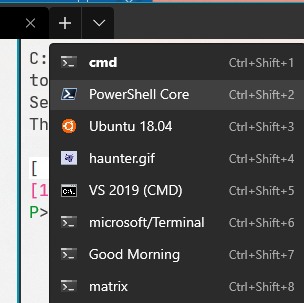
|
||||
|
||||
It's not the Terminal's responsibility to remember the commands executed by a commandline client. That's the responsibility of the _shell_. How would the terminal remember commands executed by something like `emacs` or `vim`? Those are both applications where the user is typing input and hitting enter, like they would at a cmd prompt, but without something that resembles a command history.
|
||||
|
||||
Original Source: https://github.com/microsoft/terminal/issues/6500#issuecomment-670035468
|
||||
|
||||
52
doc/TAEF.md
52
doc/TAEF.md
@@ -1,30 +1,9 @@
|
||||
### TAEF Overview ###
|
||||
|
||||
### TAEF ###
|
||||
TAEF, the Test Authoring and Execution Framework, is used extensively within the Windows organization to test the operating system code in a unified manner for system, driver, and application code. As the console is a Windows OS Component, we strive to continue using the same system such that tests can be ran in a unified manner both externally to Microsoft as well as inside the official OS Build/Test system.
|
||||
|
||||
The [official documentation](https://docs.microsoft.com/en-us/windows-hardware/drivers/taef/) for TAEF describes the basic architecture, usage, and functionality of the test system. It is similar to Visual Studio test, but a bit more comprehensive and flexible.
|
||||
The [official documentation](https://msdn.microsoft.com/en-us/library/windows/hardware/hh439725\(v=vs.85\).aspx) for TAEF describes the basic architecture, usage, and functionality of the test system. It is similar to Visual Studio test, but a bit more comprehensive and flexible.
|
||||
|
||||
### Writing Tests
|
||||
|
||||
You may want to read the section [Authoring Tests in C++](https://docs.microsoft.com/en-us/windows-hardware/drivers/taef/authoring-tests-in-c--) before getting your hands dirty. Note that the quoted header name in `#include "WexTestClass.h"` might be a bit confusing. You are not required to copy TAEF headers into the project folder.
|
||||
|
||||
Use the [TAEF Verify Macros for C++](https://docs.microsoft.com/en-us/windows-hardware/drivers/taef/verify) in your test code to perform verifications.
|
||||
|
||||
### Running Tests
|
||||
|
||||
If you have Visual Studio and related C++ components installed, and you have successfully restored NuGets, you should have the TAEF test runner `te.exe` available locally as part of the `Microsoft.Taef` package.
|
||||
|
||||
> Note that you cannot easily run TAEF tests directly through Visual Studio. The `Microsoft.Taef` NuGet package comes with an adapter that will let you browse and execute TAEF tests inside of Visual Studio, but its performance and reliability prevent us from recommending it here.
|
||||
|
||||
In a "normal" CMD environment, `te.exe` may not be directly available. Try the following command to set up the development environment first:
|
||||
|
||||
```shell
|
||||
.\tools\razzle.cmd
|
||||
```
|
||||
|
||||
Then you should be able to use `%TAEF%` as an alias of the actual `te.exe`.
|
||||
|
||||
For the purposes of the OpenConsole project, you can run the tests using the `te.exe` that matches the architecture for which the test was built (x86/x64):
|
||||
For the purposes of the console project, you can run the tests using the *TE.exe* that matches the architecture for which the test was build (x86/x64) in the pattern
|
||||
|
||||
te.exe Console.Unit.Tests.dll
|
||||
|
||||
@@ -36,29 +15,6 @@ Limiting the tests to be run is also useful with:
|
||||
|
||||
Any pattern of class/method names can be specified after the */name:* flag with wildcard patterns.
|
||||
|
||||
For any further details on the functionality of the TAEF test runner, please see the [Executing Tests](https://docs.microsoft.com/en-us/windows-hardware/drivers/taef/executing-tests) section in the official documentation. Or run the embedded help with
|
||||
For any further details on the functionality of the TAEF test runner, *TE.exe*, please see the documentation above or run the embedded help with
|
||||
|
||||
te.exe /!
|
||||
|
||||
If you use PowerShell, try the following command:
|
||||
|
||||
```powershell
|
||||
Import-Module .\tools\OpenConsole.psm1
|
||||
Invoke-OpenConsoleTests
|
||||
```
|
||||
|
||||
`Invoke-OpenConsoleTests` supports a number of options, which you can enumerate by running `Invoke-OpenConsoleTests -?`.
|
||||
|
||||
|
||||
### Debugging Tests
|
||||
|
||||
If you want to debug a test, you can do so by using the TAEF /waitForDebugger flag, such as:
|
||||
|
||||
runut *Tests.dll /name:TextBufferTests::TestInsertCharacter /waitForDebugger
|
||||
|
||||
Replace the test name with the one you want to debug. Then, TAEF will begin executing the test and output something like this:
|
||||
|
||||
TAEF: Waiting for debugger - PID <some PID> @ IP <some IP address>
|
||||
|
||||
You can then attach to that PID in your debugger of choice. In Visual Studio, you can use Debug -> Attach To Process, or you could use WinDbg or whatever you want.
|
||||
Once the debugger attaches, the test will execute and your breakpoints will be hit.
|
||||
|
||||
@@ -9,13 +9,13 @@ The primary usages of WIL in our code so far are...
|
||||
|
||||
### Smart Pointers ###
|
||||
|
||||
Inside [wil/resource.h](https://github.com/microsoft/wil/blob/master/include/wil/resource.h) are smart pointer like classes for many Windows OS resources like file handles, socket handles, process handles, and so on. They're of the form `wil::unique_handle` and call the appropriate/matching OS function (like `CloseHandle()` in this case) when they go out of scope.
|
||||
Inside [wil\resource.h](https://github.com/microsoft/wil/blob/master/include/wil/resource.h) are smart pointer like classes for many Windows OS resources like file handles, socket handles, process handles, and so on. They're of the form `wil::unique_handle` and call the appropriate/matching OS function (like `CloseHandle()` in this case) when they go out of scope.
|
||||
|
||||
Another useful item is `wil::make_unique_nothrow()` which is analogous to `std::make_unique` (except without the exception which might help you integrate with existing exception-free code in the console.) This will return a `wistd::unique_ptr` (vs. a `std::unique_ptr`) which can be used in a similar manner.
|
||||
|
||||
### Result Handling ###
|
||||
|
||||
To manage the various types of result codes that come back from Windows APIs, the file [wil/result.h](https://github.com/microsoft/wil/blob/master/include/wil/result.h) provides a wealth of macros that can help.
|
||||
To manage the various types of result codes that come back from Windows APIs, the file [wil\result.h](https://github.com/microsoft/wil/blob/master/include/wil/result.h) provides a wealth of macros that can help.
|
||||
|
||||
As an example, the method `DuplicateHandle()` returns a `BOOL` value that is `FALSE` under failure and would like you to `GetLastError()` from the operating system to find out what the actual result code is. In this circumstance, you could use the macro `RETURN_IF_WIN32_BOOL_FALSE` to wrap the call to `DuplicateHandle()` which would automatically handle this pattern for you and return the `HRESULT` equivalent on failure.
|
||||
|
||||
|
||||
@@ -127,4 +127,4 @@ When a release is created, if the PR ID number is linked inside the release desc
|
||||
- Issue message: 🎉This issue was addressed in #{pull request ID}, which has now been successfully released as {release name} {release version}.🎉"
|
||||
|
||||
## Admin Panel
|
||||
[Here](https://portal.fabricbot.ms/bot/?repo=microsoft/terminal)
|
||||
[Here](https://fabric-cp.azurewebsites.net/bot/)
|
||||
|
||||
@@ -9,13 +9,7 @@ git submodule update --init --recursive
|
||||
|
||||
OpenConsole.sln may be built from within Visual Studio or from the command-line using a set of convenience scripts & tools in the **/tools** directory:
|
||||
|
||||
When using Visual Studio, be sure to set up the path for code formatting. To download the required clang-format.exe file, follow one of the building instructions below and run:
|
||||
```powershell
|
||||
Import-Module .\tools\OpenConsole.psm1
|
||||
Set-MsBuildDevEnvironment
|
||||
Get-Format
|
||||
```
|
||||
After, go to Tools > Options > Text Editor > C++ > Formatting and check "Use custom clang-format.exe file" in Visual Studio and choose the clang-format.exe in the repository at /packages/clang-format.win-x86.10.0.0/tools/clang-format.exe by clicking "browse" right under the check box.
|
||||
When using Visual Studio, be sure to set up the path for code formatting. This can be done in Visual Studio by going to Tools > Options > Text Editor > C++ > Formatting and checking "Use custom clang-format.exe file" and choosing the clang-format.exe in the repository at /dep/llvm/clang-format.exe by clicking "browse" right under the check box.
|
||||
|
||||
### Building in PowerShell
|
||||
|
||||
@@ -73,12 +67,12 @@ To update the version of a given package, use the following snippet
|
||||
|
||||
where:
|
||||
- `$PackageName` is the name of the package, e.g. Microsoft.UI.Xaml
|
||||
- `$OldVersionNumber` is the version number currently used, e.g. 2.4.0-prerelease.200506002
|
||||
- `$NewVersionNumber` is the version number you want to migrate to, e.g. 2.5.0-prerelease.200812002
|
||||
- `$OldVersionNumber` is the version number currently used, e.g. 2.3.191217003-prerelease
|
||||
- `$NewVersionNumber` is the version number you want to migrate to, e.g. 2.4.200117003-prerelease
|
||||
|
||||
Example usage:
|
||||
|
||||
`git grep -z -l Microsoft.UI.Xaml | xargs -0 sed -i -e 's/2.4.0-prerelease.200506002/2.5.0-prerelease.200812002/g'`
|
||||
`git grep -z -l Microsoft.UI.Xaml | xargs -0 sed -i -e 's/2.3.191217003-prerelease/2.4.200117003-prerelease/g'`
|
||||
|
||||
## Using .nupkg files instead of downloaded Nuget packages
|
||||
If you want to use .nupkg files instead of the downloaded Nuget package, you can do this with the following steps:
|
||||
@@ -87,46 +81,3 @@ If you want to use .nupkg files instead of the downloaded Nuget package, you can
|
||||
2. Create the folder /dep/packages
|
||||
3. Put your .nupkg files in /dep/packages
|
||||
4. If you are using different versions than those already being used, you need to update the references as well. How to do that is explained under "Updating Nuget package references".
|
||||
|
||||
|
||||
## Building the Terminal package from the commandline
|
||||
|
||||
The Terminal is bundled as an `.msix`, which is produced by the `CascadiaPackage.wapproj` project. To build that project from the commandline, you can run the following (from a window you've already run `tools\razzle.cmd` in):
|
||||
|
||||
```cmd
|
||||
"%msbuild%" "%OPENCON%\OpenConsole.sln" /p:Configuration=%_LAST_BUILD_CONF% /p:Platform=%ARCH% /p:AppxSymbolPackageEnabled=false /t:Terminal\CascadiaPackage /m
|
||||
```
|
||||
|
||||
This takes quite some time, and only generates an `msix`. It does not install the msix. To deploy the package:
|
||||
|
||||
```powershell
|
||||
# If you haven't already:
|
||||
Import-Module tools\OpenConsole.psm1;
|
||||
Set-MsBuildDevEnvironment;
|
||||
|
||||
# The Set-MsBuildDevEnvironment call is needed for finding the path to
|
||||
# makeappx. It also takes a little longer to run. If you're sticking in powershell, best to do that.
|
||||
|
||||
Set-Location -Path src\cascadia\CascadiaPackage\AppPackages\CascadiaPackage_0.0.1.0_x64_Debug_Test;
|
||||
if ((Get-AppxPackage -Name 'WindowsTerminalDev*') -ne $null) {
|
||||
Remove-AppxPackage 'WindowsTerminalDev_0.0.1.0_x64__8wekyb3d8bbwe'
|
||||
};
|
||||
New-Item ..\loose -Type Directory -Force;
|
||||
makeappx unpack /v /o /p .\CascadiaPackage_0.0.1.0_x64_Debug.msix /d ..\Loose\;
|
||||
Add-AppxPackage -Path ..\loose\AppxManifest.xml -Register -ForceUpdateFromAnyVersion -ForceApplicationShutdown
|
||||
```
|
||||
|
||||
Or the cmd.exe version:
|
||||
```cmd
|
||||
@rem razzle.cmd doesn't set:
|
||||
@rem set WindowsSdkDir=C:\Program Files (x86)\Windows Kits\10\
|
||||
@rem vsdevcmd.bat does a lot of logic to find that.
|
||||
@rem
|
||||
@rem I'm gonna hard code it below:
|
||||
|
||||
powershell -Command Set-Location -Path %OPENCON%\src\cascadia\CascadiaPackage\AppPackages\CascadiaPackage_0.0.1.0_x64_Debug_Test;if ((Get-AppxPackage -Name 'WindowsTerminalDev*') -ne $null) { Remove-AppxPackage 'WindowsTerminalDev_0.0.1.0_x64__8wekyb3d8bbwe'};New-Item ..\loose -Type Directory -Force;C:\'Program Files (x86)'\'Windows Kits'\10\bin\10.0.19041.0\x64\makeappx unpack /v /o /p .\CascadiaPackage_0.0.1.0_x64_Debug.msix /d ..\Loose\;Add-AppxPackage -Path ..\loose\AppxManifest.xml -Register -ForceUpdateFromAnyVersion -ForceApplicationShutdown
|
||||
```
|
||||
|
||||
(yes, the cmd version is just calling powershell to do the powershell version. Too lazy to convert the rest by hand, I'm already copying from `.vscode\tasks.json`)
|
||||
|
||||
Building the package from VS generates the loose layout to begin with, and then registers the loose manifest, skipping the msix stop. It's a lot faster than the commandline inner loop here, unfortunately.
|
||||
|
||||
@@ -1,397 +0,0 @@
|
||||
# Adding Settings to Windows Terminal
|
||||
|
||||
Adding a setting to Windows Terminal is fairly straightforward. This guide serves as a reference on how to add a setting.
|
||||
|
||||
## 1. Terminal Settings Model
|
||||
|
||||
The Terminal Settings Model (`Microsoft.Terminal.Settings.Model`) is responsible for (de)serializing and exposing settings.
|
||||
|
||||
### `INHERITABLE_SETTING` macro
|
||||
|
||||
The `INHERITABLE_SETTING` macro can be used to implement inheritance for your new setting and store the setting in the settings model. It takes three parameters:
|
||||
- `type`: the type that the setting will be stored as
|
||||
- `name`: the name of the variable for storage
|
||||
- `defaultValue`: the value to use if the user does not define the setting anywhere
|
||||
|
||||
### Adding a Profile setting
|
||||
|
||||
This tutorial will add `CloseOnExitMode CloseOnExit` as a profile setting.
|
||||
|
||||
1. In `Profile.h`, declare/define the setting:
|
||||
|
||||
```c++
|
||||
INHERITABLE_SETTING(CloseOnExitMode, CloseOnExit, CloseOnExitMode::Graceful)
|
||||
```
|
||||
|
||||
2. In `Profile.idl`, expose the setting via WinRT:
|
||||
|
||||
```c++
|
||||
Boolean HasCloseOnExit();
|
||||
void ClearCloseOnExit();
|
||||
CloseOnExitMode CloseOnExit;
|
||||
```
|
||||
|
||||
3. In `Profile.cpp`, add (de)serialization and copy logic:
|
||||
|
||||
```c++
|
||||
// Top of file:
|
||||
// - Add the serialization key
|
||||
static constexpr std::string_view CloseOnExitKey{ "closeOnExit" };
|
||||
|
||||
// CopySettings() or Copy():
|
||||
// - The setting is exposed in the Settings UI
|
||||
profile->_CloseOnExit = source->_CloseOnExit;
|
||||
|
||||
// LayerJson():
|
||||
// - get the value from the JSON
|
||||
JsonUtils::GetValueForKey(json, CloseOnExitKey, _CloseOnExit);
|
||||
|
||||
// ToJson():
|
||||
// - write the value to the JSON
|
||||
JsonUtils::SetValueForKey(json, CloseOnExitKey, _CloseOnExit);
|
||||
```
|
||||
|
||||
- If the setting is not a primitive type, in `TerminalSettingsSerializationHelpers.h` add (de)serialization logic for the accepted values:
|
||||
|
||||
```c++
|
||||
// For enum values...
|
||||
JSON_ENUM_MAPPER(::winrt::Microsoft::Terminal::Settings::Model::CloseOnExitMode)
|
||||
{
|
||||
JSON_MAPPINGS(3) = {
|
||||
pair_type{ "always", ValueType::Always },
|
||||
pair_type{ "graceful", ValueType::Graceful },
|
||||
pair_type{ "never", ValueType::Never },
|
||||
};
|
||||
};
|
||||
|
||||
// For enum flag values...
|
||||
JSON_FLAG_MAPPER(::winrt::Microsoft::Terminal::TerminalControl::CopyFormat)
|
||||
{
|
||||
JSON_MAPPINGS(5) = {
|
||||
pair_type{ "none", AllClear },
|
||||
pair_type{ "html", ValueType::HTML },
|
||||
pair_type{ "rtf", ValueType::RTF },
|
||||
pair_type{ "all", AllSet },
|
||||
};
|
||||
};
|
||||
|
||||
// NOTE: This is also where you can add functionality for...
|
||||
// - overloaded type support (i.e. accept a bool and an enum)
|
||||
// - custom (de)serialization logic (i.e. coordinates)
|
||||
```
|
||||
|
||||
### Adding a Global setting
|
||||
|
||||
Follow the "adding a Profile setting" instructions above, but do it on the `GlobalAppSettings` files.
|
||||
|
||||
### Adding an Action
|
||||
|
||||
This tutorial will add the `openSettings` action.
|
||||
|
||||
1. In `KeyMapping.idl`, declare the action:
|
||||
|
||||
```c++
|
||||
// Add the action to ShortcutAction
|
||||
enum ShortcutAction
|
||||
{
|
||||
OpenSettings
|
||||
}
|
||||
```
|
||||
|
||||
2. In `ActionAndArgs.cpp`, add serialization logic:
|
||||
|
||||
```c++
|
||||
// Top of file:
|
||||
// - Add the serialization key
|
||||
static constexpr std::string_view OpenSettingsKey{ "openSettings" };
|
||||
|
||||
// ActionKeyNamesMap:
|
||||
// - map the new enum to the json key
|
||||
{ OpenSettingsKey, ShortcutAction::OpenSettings },
|
||||
```
|
||||
|
||||
3. If the action should automatically generate a name when it appears in the Command Palette...
|
||||
```c++
|
||||
// In ActionAndArgs.cpp GenerateName() --> GeneratedActionNames
|
||||
{ ShortcutAction::OpenSettings, RS_(L"OpenSettingsCommandKey") },
|
||||
|
||||
// In Resources.resw for Microsoft.Terminal.Settings.Model.Lib,
|
||||
// add the generated name
|
||||
// NOTE: Visual Studio presents the resw file as a table.
|
||||
// If you choose to edit the file with a text editor,
|
||||
// the code should look something like this...
|
||||
<data name="OpenSettingsCommandKey" xml:space="preserve">
|
||||
<value>Open settings file</value>
|
||||
</data>
|
||||
```
|
||||
|
||||
4. If the action supports arguments...
|
||||
- In `ActionArgs.idl`, declare the arguments
|
||||
```c++
|
||||
[default_interface] runtimeclass OpenSettingsArgs : IActionArgs
|
||||
{
|
||||
// this declares the "target" arg
|
||||
SettingsTarget Target { get; };
|
||||
};
|
||||
```
|
||||
- In `ActionArgs.h`, define the new runtime class
|
||||
```c++
|
||||
struct OpenSettingsArgs : public OpenSettingsArgsT<OpenSettingsArgs>
|
||||
{
|
||||
OpenSettingsArgs() = default;
|
||||
|
||||
// adds a getter/setter for your argument, and defines the json key
|
||||
WINRT_PROPERTY(SettingsTarget, Target, SettingsTarget::SettingsFile);
|
||||
static constexpr std::string_view TargetKey{ "target" };
|
||||
|
||||
public:
|
||||
hstring GenerateName() const;
|
||||
|
||||
bool Equals(const IActionArgs& other)
|
||||
{
|
||||
auto otherAsUs = other.try_as<OpenSettingsArgs>();
|
||||
if (otherAsUs)
|
||||
{
|
||||
return otherAsUs->_Target == _Target;
|
||||
}
|
||||
return false;
|
||||
};
|
||||
|
||||
static FromJsonResult FromJson(const Json::Value& json)
|
||||
{
|
||||
// LOAD BEARING: Not using make_self here _will_ break you in the future!
|
||||
auto args = winrt::make_self<OpenSettingsArgs>();
|
||||
JsonUtils::GetValueForKey(json, TargetKey, args->_Target);
|
||||
return { *args, {} };
|
||||
}
|
||||
|
||||
IActionArgs Copy() const
|
||||
{
|
||||
auto copy{ winrt::make_self<OpenSettingsArgs>() };
|
||||
copy->_Target = _Target;
|
||||
return *copy;
|
||||
}
|
||||
};
|
||||
```
|
||||
- In `ActionArgs.cpp`, define `GenerateName()`. This is used to automatically generate a name when it appears in the Command Palette.
|
||||
- In `ActionAndArgs.cpp`, add serialization logic:
|
||||
|
||||
```c++
|
||||
// ActionKeyNamesMap --> argParsers
|
||||
{ ShortcutAction::OpenSettings, OpenSettingsArgs::FromJson },
|
||||
```
|
||||
|
||||
### Adding an Action Argument
|
||||
|
||||
Follow step 3 from the "adding an Action" instructions above, but modify the relevant `ActionArgs` files.
|
||||
|
||||
## 2. Setting Functionality
|
||||
|
||||
Now that the Terminal Settings Model is updated, Windows Terminal can read and write to the settings file. This section covers how to add functionality to your newly created setting.
|
||||
|
||||
### App-level settings
|
||||
|
||||
App-level settings are settings that affect the frame of Windows Terminal. Generally, these tend to be global settings. The `TerminalApp` project is responsible for presenting the frame of Windows Terminal. A few files of interest include:
|
||||
- `TerminalPage`: XAML control responsible for the look and feel of Windows Terminal
|
||||
- `AppLogic`: WinRT class responsible for window-related issues (i.e. the titlebar, focus mode, etc...)
|
||||
|
||||
Both have access to a `CascadiaSettings` object, for you to read the loaded setting and update Windows Terminal appropriately.
|
||||
|
||||
### Terminal-level settings
|
||||
|
||||
Terminal-level settings are settings that affect a shell session. Generally, these tend to be profile settings. The `TerminalApp` project is responsible for packaging this settings from the Terminal Settings Model to the terminal instance. There are two kinds of settings here:
|
||||
- `IControlSettings`:
|
||||
- These are settings that affect the `TerminalControl` (a XAML control that hosts a shell session).
|
||||
- Examples include background image customization, interactivity behavior (i.e. selection), acrylic and font customization.
|
||||
- The `TerminalControl` project has access to these settings via a saved `IControlSettings` member.
|
||||
- `ICoreSettings`:
|
||||
- These are settings that affect the `TerminalCore` (a lower level object that interacts with the text buffer).
|
||||
- Examples include initial size, history size, and cursor customization.
|
||||
- The `TerminalCore` project has access to these settings via a saved `ICoreSettings` member.
|
||||
|
||||
`TerminalApp` packages these settings into a `TerminalSettings : IControlSettings, ICoreSettings` object upon creating a new terminal instance. To do so, you must submit the following changes:
|
||||
- Declare the setting in `IControlSettings.idl` or `ICoreSettings.idl` (whichever is relevant to your setting). If your setting is an enum setting, declare the enum here instead of in the `TerminalSettingsModel` project.
|
||||
- In `TerminalSettings.h`, declare/define the setting...
|
||||
```c++
|
||||
// The WINRT_PROPERTY macro declares/defines a getter setter for the setting.
|
||||
// Like INHERITABLE_SETTING, it takes in a type, name, and defaultValue.
|
||||
WINRT_PROPERTY(bool, UseAcrylic, false);
|
||||
```
|
||||
- In `TerminalSettings.cpp`...
|
||||
- update `_ApplyProfileSettings` for profile settings
|
||||
- update `_ApplyGlobalSettings` for global settings
|
||||
- If additional processing is necessary, that would happen here. For example, `backgroundImageAlignment` is stored as a `ConvergedAlignment` in the Terminal Settings Model, but converted into XAML's separate horizontal and vertical alignment enums for packaging.
|
||||
|
||||
### Actions
|
||||
|
||||
Actions are packaged as an `ActionAndArgs` object, then handled in `TerminalApp`. To add functionality for actions...
|
||||
- In the `ShortcutActionDispatch` files, dispatch an event when the action occurs...
|
||||
```c++
|
||||
// ShortcutActionDispatch.idl
|
||||
event Windows.Foundation.TypedEventHandler<ShortcutActionDispatch, Microsoft.Terminal.Settings.Model.ActionEventArgs> OpenSettings;
|
||||
|
||||
// ShortcutActionDispatch.h
|
||||
TYPED_EVENT(OpenSettings, TerminalApp::ShortcutActionDispatch, Microsoft::Terminal::Settings::Model::ActionEventArgs);
|
||||
|
||||
// ShortcutActionDispatch.cpp --> DoAction()
|
||||
// - dispatch the appropriate event
|
||||
case ShortcutAction::OpenSettings:
|
||||
{
|
||||
_OpenSettingsHandlers(*this, eventArgs);
|
||||
break;
|
||||
}
|
||||
```
|
||||
- In `TerminalPage` files, handle the event...
|
||||
```c++
|
||||
// TerminalPage.h
|
||||
// - declare the handler
|
||||
void _HandleOpenSettings(const IInspectable& sender, const Microsoft::Terminal::Settings::Model::ActionEventArgs& args);
|
||||
|
||||
// TerminalPage.cpp --> _RegisterActionCallbacks()
|
||||
// - register the handler
|
||||
_actionDispatch->OpenSettings({ this, &TerminalPage::_HandleOpenSettings });
|
||||
|
||||
// AppActionHandlers.cpp
|
||||
// - direct the function to the right place and call a helper function
|
||||
void TerminalPage::_HandleOpenSettings(const IInspectable& /*sender*/,
|
||||
const ActionEventArgs& args)
|
||||
{
|
||||
// NOTE: this if-statement can be omitted if the action does not support arguments
|
||||
if (const auto& realArgs = args.ActionArgs().try_as<OpenSettingsArgs>())
|
||||
{
|
||||
_LaunchSettings(realArgs.Target());
|
||||
args.Handled(true);
|
||||
}
|
||||
}
|
||||
```
|
||||
|
||||
`AppActionHandlers` vary based on the action you want to perform. A few useful helper functions include:
|
||||
- `_GetFocusedTab()`: retrieves the focused tab
|
||||
- `_GetActiveControl()`: retrieves the active terminal control
|
||||
- `_GetTerminalTabImpl()`: tries to cast the given tab as a `TerminalTab` (a tab that hosts a terminal instance)
|
||||
|
||||
|
||||
## 3. Settings UI
|
||||
|
||||
### Exposing Enum Settings
|
||||
If the new setting supports enums, you need to expose a map of the enum and the respective value in the Terminal Settings Model's `EnumMappings`:
|
||||
|
||||
```c++
|
||||
// EnumMappings.idl
|
||||
static Windows.Foundation.Collections.IMap<String, Microsoft.Terminal.Settings.Model.CloseOnExitMode> CloseOnExitMode { get; };
|
||||
|
||||
// EnumMappings.h
|
||||
static winrt::Windows::Foundation::Collections::IMap<winrt::hstring, CloseOnExitMode> CloseOnExitMode();
|
||||
|
||||
// EnumMappings.cpp
|
||||
// - this macro leverages the json enum mapper in TerminalSettingsSerializationHelper to expose
|
||||
// the mapped values across project boundaries
|
||||
DEFINE_ENUM_MAP(Model::CloseOnExitMode, CloseOnExitMode);
|
||||
```
|
||||
|
||||
### Binding and Localizing the Enum Setting
|
||||
|
||||
Find the page in the Settings UI that the new setting fits best in. In this example, we are adding `LaunchMode`.
|
||||
1. In `Launch.idl`, expose the bindable setting...
|
||||
```c++
|
||||
// Expose the current value for the setting
|
||||
IInspectable CurrentLaunchMode;
|
||||
|
||||
// Expose the list of possible values
|
||||
Windows.Foundation.Collections.IObservableVector<Microsoft.Terminal.Settings.Editor.EnumEntry> LaunchModeList { get; };
|
||||
```
|
||||
|
||||
2. In `Launch.h`, declare the bindable enum setting...
|
||||
```c++
|
||||
// the GETSET_BINDABLE_ENUM_SETTING macro accepts...
|
||||
// - name: the name of the setting
|
||||
// - enumType: the type of the setting
|
||||
// - settingsModelName: how to retrieve the setting (use State() to get access to the settings model)
|
||||
// - settingNameInModel: the name of the setting in the terminal settings model
|
||||
GETSET_BINDABLE_ENUM_SETTING(LaunchMode, Model::LaunchMode, State().Settings().GlobalSettings, LaunchMode);
|
||||
```
|
||||
|
||||
3. In `Launch.cpp`, populate these functions...
|
||||
```c++
|
||||
// Constructor (after InitializeComponent())
|
||||
// the INITIALIZE_BINDABLE_ENUM_SETTING macro accepts...
|
||||
// - name: the name of the setting
|
||||
// - enumMappingsName: the name from the TerminalSettingsModel's EnumMappings
|
||||
// - enumType: the type for the enum
|
||||
// - resourceSectionAndType: prefix for the localization
|
||||
// - resourceProperty: postfix for the localization
|
||||
INITIALIZE_BINDABLE_ENUM_SETTING(LaunchMode, LaunchMode, LaunchMode, L"Globals_LaunchMode", L"Content");
|
||||
```
|
||||
|
||||
4. In `Resources.resw` for Microsoft.Terminal.Settings.Editor, add the localized text to expose each enum value. Use the following format: `<SettingGroup>_<SettingName><EnumValue>.Content`
|
||||
- `SettingGroup`:
|
||||
- `Globals` for global settings
|
||||
- `Profile` for profile settings
|
||||
- `SettingName`:
|
||||
- the Pascal-case format for the setting type (i.e. `LaunchMode` for `"launchMode"`)
|
||||
- `EnumValue`:
|
||||
- the json key for the setting value, but with the first letter capitalized (i.e. `Focus` for `"focus"`)
|
||||
- The resulting resw key should look something like this `Globals_LaunchModeFocus.Content`
|
||||
- This is the text that will be used in your control
|
||||
|
||||
### Updating the UI
|
||||
|
||||
When adding a setting to the UI, make sure you follow the [UWP design guidance](https://docs.microsoft.com/windows/uwp/design/).
|
||||
|
||||
#### Enum Settings
|
||||
|
||||
Now, create a XAML control in the relevant XAML file. Use the following tips and tricks to style everything appropriately:
|
||||
- Wrap the control in a `ContentPresenter` adhering to the `SettingContainerStyle` style
|
||||
- Bind `SelectedItem` to the relevant `Current<Setting>` (i.e. `CurrentLaunchMode`). Ensure it's a TwoWay binding
|
||||
- Bind `ItemsSource` to `<Setting>List` (i.e. `LaunchModeList`)
|
||||
- Set the ItemTemplate to the `Enum<ControlType>Template` (i.e. `EnumRadioButtonTemplate` for radio buttons)
|
||||
- Set the style to the appropriate one in `CommonResources.xaml`
|
||||
|
||||
```xml
|
||||
<!--Launch Mode-->
|
||||
<ContentPresenter Style="{StaticResource SettingContainerStyle}">
|
||||
<muxc:RadioButtons x:Uid="Globals_LaunchMode"
|
||||
SelectedItem="{x:Bind CurrentLaunchMode, Mode="TwoWay"}"
|
||||
ItemsSource="{x:Bind LaunchModeList}"
|
||||
ItemTemplate="{StaticResource EnumRadioButtonTemplate}"
|
||||
Style="{StaticResource RadioButtonsSettingStyle}"/>
|
||||
</ContentPresenter>
|
||||
```
|
||||
|
||||
To add any localized text, add a `x:Uid`, and access the relevant property via the Resources.resw file. For example, `Globals_LaunchMode.Header` sets the header for this control. You can also set the tooltip text like this:
|
||||
`Globals_DefaultProfile.[using:Windows.UI.Xaml.Controls]ToolTipService.ToolTip`.
|
||||
|
||||
#### Non-Enum Settings
|
||||
|
||||
Continue to reference `CommonResources.xaml` for appropriate styling and wrap the control with a similar `ContentPresenter`. However, instead of binding to the `Current<Setting>` and `<Setting>List`, bind directly to the setting via the state. Binding a setting like `altGrAliasing` should look something like this:
|
||||
```xml
|
||||
<!--AltGr Aliasing-->
|
||||
<ContentPresenter Style="{StaticResource SettingContainerStyle}">
|
||||
<CheckBox x:Uid="Profile_AltGrAliasing"
|
||||
IsChecked="{x:Bind State.Profile.AltGrAliasing, Mode=TwoWay}"
|
||||
Style="{StaticResource CheckBoxSettingStyle}"/>
|
||||
</ContentPresenter>
|
||||
```
|
||||
|
||||
#### Profile Settings
|
||||
|
||||
If you are specifically adding a Profile setting, in addition to the steps above, you need to make the setting observable by modifying the `Profiles` files...
|
||||
```c++
|
||||
// Profiles.idl --> ProfileViewModel
|
||||
// - this declares the setting as observable using the type and the name of the setting
|
||||
OBSERVABLE_PROJECTED_SETTING(Microsoft.Terminal.Settings.Model.CloseOnExitMode, CloseOnExit);
|
||||
|
||||
// Profiles.h --> ProfileViewModel
|
||||
// - this defines the setting as observable off of the _profile object
|
||||
OBSERVABLE_PROJECTED_SETTING(_profile, CloseOnExit);
|
||||
|
||||
// Profiles.h --> ProfileViewModel
|
||||
// - if the setting cannot be inherited by another profile (aka missing the Clear() function), use the following macro instead:
|
||||
PERMANENT_OBSERVABLE_PROJECTED_SETTING(_profile, Guid);
|
||||
```
|
||||
|
||||
The `ProfilePageNavigationState` holds a `ProfileViewModel`, which wraps the `Profile` object from the Terminal Settings Model. The `ProfileViewModel` makes all of the profile settings observable.
|
||||
|
||||
### Actions
|
||||
|
||||
Actions are not yet supported in the Settings UI.
|
||||
@@ -1,258 +0,0 @@
|
||||
# New Json Utility API
|
||||
|
||||
## Raw value conversion (GetValue)
|
||||
|
||||
`GetValue` is a convenience helper that will either read a value into existing storage (type-deduced) or
|
||||
return a JSON value coerced into the specified type.
|
||||
|
||||
When reading into existing storage, it returns a boolean indicating whether that storage was modified.
|
||||
|
||||
If the JSON value cannot be converted to the specified type, an exception will be generated.
|
||||
For non-nullable type conversions (most POD types), `null` is considered to be an invalid type.
|
||||
|
||||
```c++
|
||||
std::string one;
|
||||
std::optional<std::string> two;
|
||||
|
||||
JsonUtils::GetValue(json, one);
|
||||
// one is populated or an exception is thrown.
|
||||
|
||||
JsonUtils::GetValue(json, two);
|
||||
// two is populated, nullopt or an exception is thrown
|
||||
|
||||
auto three = JsonUtils::GetValue<std::string>(json);
|
||||
// three is populated or an exception is thrown
|
||||
|
||||
auto four = JsonUtils::GetValue<std::optional<std::string>>(json);
|
||||
// four is populated or nullopt
|
||||
```
|
||||
|
||||
## Key lookup (GetValueForKey)
|
||||
|
||||
`GetValueForKey` follows the same rules as `GetValue`, but takes an additional key.
|
||||
It is assumed that the JSON value passed to GetValueForKey is of `object` type.
|
||||
|
||||
```c++
|
||||
std::string one;
|
||||
std::optional<std::string> two;
|
||||
|
||||
JsonUtils::GetValueForKey(json, "firstKey", one);
|
||||
// one is populated or unchanged.
|
||||
|
||||
JsonUtils::GetValueForKey(json, "secondKey", two);
|
||||
// two is populated, nullopt or unchanged
|
||||
|
||||
auto three = JsonUtils::GetValueForKey<std::string>(json, "thirdKey");
|
||||
// three is populated or zero-initialized
|
||||
|
||||
auto four = JsonUtils::GetValueForKey<std::optional<std::string>>(json, "fourthKey");
|
||||
// four is populated or nullopt
|
||||
```
|
||||
|
||||
## Rationale: Value-Returning Getters
|
||||
|
||||
JsonUtils provides two types of `GetValue...`: value-returning and reference-filling.
|
||||
|
||||
The reference-filling fixtures use type deduction so that a developer does not
|
||||
need to specify template parameters on every `GetValue` call. It excels at
|
||||
populating class members during deserialization.
|
||||
|
||||
The value-returning fixtures, on the other hand, are very useful for partial
|
||||
deserialization and key detection when you do not need to deserialize an entire
|
||||
instance of a class or you need to reason about the presence of members.
|
||||
|
||||
To provide a concrete example of the latter, consider:
|
||||
|
||||
```c++
|
||||
if (const auto guid{ GetValueForKey<std::optional<GUID>>(json, "guid") })
|
||||
// This condition is only true if there was a "guid" member in the provided JSON object.
|
||||
// It can be accessed through *guid.
|
||||
}
|
||||
```
|
||||
|
||||
If you are... | Use
|
||||
--------------|-----
|
||||
Deserializing | `GetValue(..., storage)`
|
||||
Interrogating | `storage = GetValue<T>(...)`
|
||||
|
||||
## Converting User-Defined Types
|
||||
|
||||
All conversions are done using specializations of
|
||||
`JsonUtils::ConversionTrait<T>`. To implement a converter for a user-defined
|
||||
type, you must implement a specialization of `JsonUtils::ConversionTrait<T>`.
|
||||
|
||||
Every specialization over `T` must implement `static T FromJson(const Json::Value&)`
|
||||
and `static bool CanConvert(const Json::Value&)`.
|
||||
|
||||
```c++
|
||||
struct MyCustomType { int val; };
|
||||
|
||||
template<>
|
||||
struct ConversionTrait<MyCustomType>
|
||||
{
|
||||
// This trait converts a string of the format "[0-9]" to a value of type MyCustomType.
|
||||
|
||||
static MyCustomType FromJson(const Json::Value& json)
|
||||
{
|
||||
return MyCustomType{ json.asString()[0] - '0' };
|
||||
}
|
||||
|
||||
static bool CanConvert(const Json::Value& json)
|
||||
{
|
||||
return json.isString();
|
||||
}
|
||||
};
|
||||
```
|
||||
|
||||
### Converting User-Defined Enumerations
|
||||
|
||||
Enumeration types represent a single choice out of multiple options.
|
||||
|
||||
In a JSON data model, they are typically represented as strings.
|
||||
|
||||
For parsing enumerations, JsonUtils provides the `JSON_ENUM_MAPPER` macro. It
|
||||
can be used to establish a converter that will take a set of known strings and
|
||||
convert them to values.
|
||||
|
||||
```c++
|
||||
JSON_ENUM_MAPPER(CursorStyle)
|
||||
{
|
||||
// pair_type is provided by ENUM_MAPPER.
|
||||
JSON_MAPPINGS(5) = {
|
||||
pair_type{ "bar", CursorStyle::Bar },
|
||||
pair_type{ "vintage", CursorStyle::Vintage },
|
||||
pair_type{ "underscore", CursorStyle::Underscore },
|
||||
pair_type{ "filledBox", CursorStyle::FilledBox },
|
||||
pair_type{ "emptyBox", CursorStyle::EmptyBox }
|
||||
};
|
||||
};
|
||||
```
|
||||
|
||||
If the enum mapper fails to convert the provided string, it will throw an
|
||||
exception.
|
||||
|
||||
### Converting User-Defined Flag Sets
|
||||
|
||||
Flags represent a multiple-choice selection. They are typically implemented as
|
||||
enums with bitfield values intended to be ORed together.
|
||||
|
||||
In JSON, a set of flags may be represented by a single string (`"flagName"`) or
|
||||
an array of strings (`["flagOne", "flagTwo"]`).
|
||||
|
||||
JsonUtils provides a `JSON_FLAG_MAPPER` macro that can be used to produce a
|
||||
specialization for a set of flags.
|
||||
|
||||
Given the following flag enum,
|
||||
|
||||
```c++
|
||||
enum class JsonTestFlags : int
|
||||
{
|
||||
FlagOne = 1 << 0,
|
||||
FlagTwo = 1 << 1
|
||||
};
|
||||
```
|
||||
|
||||
You can register a flag mapper with the `JSON_FLAG_MAPPER` macro as follows:
|
||||
|
||||
```c++
|
||||
JSON_FLAG_MAPPER(JsonTestFlags)
|
||||
{
|
||||
JSON_MAPPINGS(2) = {
|
||||
pair_type{ "flagOne", JsonTestFlags::FlagOne },
|
||||
pair_type{ "flagTwo", JsonTestFlags::FlagTwo },
|
||||
};
|
||||
};
|
||||
```
|
||||
|
||||
The `FLAG_MAPPER` also provides two convenience definitions, `AllSet` and
|
||||
`AllClear`, that can be used to represent "all choices" and "no choices"
|
||||
respectively.
|
||||
|
||||
```c++
|
||||
JSON_FLAG_MAPPER(JsonTestFlags)
|
||||
{
|
||||
JSON_MAPPINGS(4) = {
|
||||
pair_type{ "never", AllClear },
|
||||
pair_type{ "flagOne", JsonTestFlags::FlagOne },
|
||||
pair_type{ "flagTwo", JsonTestFlags::FlagTwo },
|
||||
pair_type{ "always", AllSet },
|
||||
};
|
||||
};
|
||||
```
|
||||
|
||||
Because flag values are additive, `["always", "flagOne"]` will result in the
|
||||
same behavior as `"always"`.
|
||||
|
||||
If the flag mapper encounters an unknown flag, it will throw an exception.
|
||||
|
||||
If the flag mapper encounters a logical discontinuity such as `["never", "flagOne"]`
|
||||
(as in the above example), it will throw an exception.
|
||||
|
||||
### Advanced Use
|
||||
|
||||
`GetValue` and `GetValueForKey` can be passed, as their final arguments, any
|
||||
value whose type implements the same interface as `ConversionTrait<T>`--that
|
||||
is, `FromJson(const Json::Value&)` and `CanConvert(const Json::Value&)`.
|
||||
|
||||
This allows for one-off conversions without a specialization of
|
||||
`ConversionTrait` or even stateful converters.
|
||||
|
||||
#### Stateful Converter Sample
|
||||
|
||||
```c++
|
||||
struct MultiplyingConverter {
|
||||
int BaseValue;
|
||||
|
||||
bool CanConvert(const Json::Value&) { return true; }
|
||||
|
||||
int FromJson(const Json::Value& value)
|
||||
{
|
||||
return value.asInt() * BaseValue;
|
||||
}
|
||||
};
|
||||
|
||||
...
|
||||
|
||||
Json::Value json{ 66 }; // A JSON value containing the number 66
|
||||
MultiplyingConverter conv{ 10 };
|
||||
|
||||
auto v = JsonUtils::GetValue<int>(json, conv);
|
||||
// v is equal to 660.
|
||||
```
|
||||
|
||||
## Behavior Chart
|
||||
|
||||
### GetValue(T&) (type-deducing)
|
||||
|
||||
-|json type invalid|json null|valid
|
||||
-|-|-|-
|
||||
`T`|❌ exception|❌ exception|✔ converted
|
||||
`std::optional<T>`|❌ exception|🟨 `nullopt`|✔ converted
|
||||
|
||||
### GetValue<T>() (returning)
|
||||
|
||||
-|json type invalid|json null|valid
|
||||
-|-|-|-
|
||||
`T`|❌ exception|❌ exception|✔ converted
|
||||
`std::optional<T>`|❌ exception|🟨 `nullopt`|✔ converted
|
||||
|
||||
### GetValueForKey(T&) (type-deducing)
|
||||
|
||||
GetValueForKey builds on the behavior set from GetValue by adding
|
||||
a "key not found" state. The remaining three cases are the same.
|
||||
|
||||
val type|key not found|_json type invalid_|_json null_|_valid_
|
||||
-|-|-|-|-
|
||||
`T`|🔵 unchanged|_❌ exception_|_❌ exception_|_✔ converted_
|
||||
`std::optional<T>`|🔵 unchanged|_❌ exception_|_🟨 `nullopt`_|_✔ converted_
|
||||
|
||||
### GetValueForKey<T>() (return value)
|
||||
|
||||
val type|key not found|_json type invalid_|_json null_|_valid_
|
||||
-|-|-|-|-
|
||||
`T`|🟨 `T{}` (zero value)|_❌ exception_|_❌ exception_|_✔ converted_
|
||||
`std::optional<T>`|🟨 `nullopt`|_❌ exception_|_🟨 `nullopt`_|_✔ converted_
|
||||
|
||||
### Future Direction
|
||||
|
||||
These converters lend themselves very well to automatic _serialization_.
|
||||
@@ -1 +1,198 @@
|
||||
⚠ This document has moved to [the Customize Settings section of the Windows Terminal documentation](https://docs.microsoft.com/windows/terminal/customize-settings/global-settings).
|
||||
# Settings.json Documentation
|
||||
|
||||
## Globals
|
||||
Properties listed below affect the entire window, regardless of the profile settings.
|
||||
|
||||
| Property | Necessity | Type | Default | Description |
|
||||
| -------- | --------- | ---- | ------- | ----------- |
|
||||
| `alwaysShowTabs` | _Required_ | Boolean | `true` | When set to `true`, tabs are always displayed. When set to `false` and `showTabsInTitlebar` is set to `false`, tabs only appear after typing <kbd>Ctrl</kbd> + <kbd>T</kbd>. |
|
||||
| `copyOnSelect` | Optional | Boolean | `false` | When set to `true`, a selection is immediately copied to your clipboard upon creation. When set to `false`, the selection persists and awaits further action. |
|
||||
| `copyFormatting` | Optional | Boolean | `false` | When set to `true`, the color and font formatting of selected text is also copied to your clipboard. When set to `false`, only plain text is copied to your clipboard. |
|
||||
| `defaultProfile` | _Required_ | String | PowerShell guid | Sets the default profile. Opens by typing <kbd>Ctrl</kbd> + <kbd>T</kbd> or by clicking the '+' icon. The guid of the desired default profile is used as the value. |
|
||||
| `initialCols` | _Required_ | Integer | `120` | The number of columns displayed in the window upon first load. |
|
||||
| `initialPosition` | Optional | String | `","` | The position of the top left corner of the window upon first load. On a system with multiple displays, these coordinates are relative to the top left of the primary display. If `launchMode` is set to `"maximized"`, the window will be maximized on the monitor specified by those coordinates. |
|
||||
| `initialRows` | _Required_ | Integer | `30` | The number of rows displayed in the window upon first load. |
|
||||
| `launchMode` | Optional | String | `default` | Defines whether the Terminal will launch as maximized or not. Possible values: `"default"`, `"maximized"` |
|
||||
| `rowsToScroll` | Optional | Integer | `system` | The number of rows to scroll at a time with the mouse wheel. This will override the system setting if the value is not zero or "system". |
|
||||
| `theme` | _Required_ | String | `system` | Sets the theme of the application. Possible values: `"light"`, `"dark"`, `"system"` |
|
||||
| `showTerminalTitleInTitlebar` | _Required_ | Boolean | `true` | When set to `true`, titlebar displays the title of the selected tab. When set to `false`, titlebar displays "Windows Terminal". |
|
||||
| `showTabsInTitlebar` | Optional | Boolean | `true` | When set to `true`, the tabs are moved into the titlebar and the titlebar disappears. When set to `false`, the titlebar sits above the tabs. |
|
||||
| `snapToGridOnResize` | Optional | Boolean | `false` | When set to `true`, the window will snap to the nearest character boundary on resize. When `false`, the window will resize "smoothly" |
|
||||
| `tabWidthMode` | Optional | String | `equal` | Sets the width of the tabs. Possible values: `"equal"`, `"titleLength"` |
|
||||
| `wordDelimiters` | Optional | String | <code> /\()"'-:,.;<>~!@#$%^&*|+=[]{}~?│</code><br>_(`│` is `U+2502 BOX DRAWINGS LIGHT VERTICAL`)_ | Determines the delimiters used in a double click selection. |
|
||||
| `confirmCloseAllTabs` | Optional | Boolean | `true` | When set to `true` closing a window with multiple tabs open WILL require confirmation. When set to `false` closing a window with multiple tabs open WILL NOT require confirmation. |
|
||||
| `disabledProfileSources` | Optional | Array[String] | `[]` | Disables all the dynamic profile generators in this list, preventing them from adding their profiles to the list of profiles on startup. This array can contain any combination of `Windows.Terminal.Wsl`, `Windows.Terminal.Azure`, or `Windows.Terminal.PowershellCore`. For more information, see [UsingJsonSettings.md](https://github.com/microsoft/terminal/blob/master/doc/user-docs/UsingJsonSettings.md#dynamic-profiles) |
|
||||
| `experimental.rendering.forceFullRepaint` | Optional | Boolean | `false` | When set to true, we will redraw the entire screen each frame. When set to false, we will render only the updates to the screen between frames. |
|
||||
| `experimental.rendering.software` | Optional | Boolean | `false` | When set to true, we will use the software renderer (a.k.a. WARP) instead of the hardware one. |
|
||||
|
||||
## Profiles
|
||||
Properties listed below are specific to each unique profile.
|
||||
|
||||
| Property | Necessity | Type | Default | Description |
|
||||
| -------- | --------- | ---- | ------- | ----------- |
|
||||
| `guid` | _Required_ | String | | Unique identifier of the profile. Written in registry format: `"{00000000-0000-0000-0000-000000000000}"`. |
|
||||
| `name` | _Required_ | String | | Name of the profile. Displays in the dropdown menu. <br>Additionally, this value will be used as the "title" to pass to the shell on startup. Some shells (like `bash`) may choose to ignore this initial value, while others (`cmd`, `powershell`) may use this value over the lifetime of the application. This "title" behavior can be overridden by using `tabTitle`. |
|
||||
| `acrylicOpacity` | Optional | Number | `0.5` | When `useAcrylic` is set to `true`, it sets the transparency of the window for the profile. Accepts floating point values from 0-1. |
|
||||
| `antialiasingMode` | Optional | String | `"grayscale"` | Controls how text is antialiased in the renderer. Possible values are "grayscale", "cleartype" and "aliased". Note that changing this setting will require starting a new terminal instance. |
|
||||
| `background` | Optional | String | | Sets the background color of the profile. Overrides `background` set in color scheme if `colorscheme` is set. Uses hex color format: `"#rrggbb"`. |
|
||||
| `backgroundImage` | Optional | String | | Sets the file location of the Image to draw over the window background. |
|
||||
| `backgroundImageAlignment` | Optional | String | `center` | Sets how the background image aligns to the boundaries of the window. Possible values: `"center"`, `"left"`, `"top"`, `"right"`, `"bottom"`, `"topLeft"`, `"topRight"`, `"bottomLeft"`, `"bottomRight"` |
|
||||
| `backgroundImageOpacity` | Optional | Number | `1.0` | Sets the transparency of the background image. Accepts floating point values from 0-1. |
|
||||
| `backgroundImageStretchMode` | Optional | String | `uniformToFill` | Sets how the background image is resized to fill the window. Possible values: `"none"`, `"fill"`, `"uniform"`, `"uniformToFill"` |
|
||||
| `closeOnExit` | Optional | String | `graceful` | Sets how the profile reacts to termination or failure to launch. Possible values: `"graceful"` (close when `exit` is typed or the process exits normally), `"always"` (always close) and `"never"` (never close). `true` and `false` are accepted as synonyms for `"graceful"` and `"never"` respectively. |
|
||||
| `colorScheme` | Optional | String | `Campbell` | Name of the terminal color scheme to use. Color schemes are defined under `schemes`. |
|
||||
| `commandline` | Optional | String | | Executable used in the profile. |
|
||||
| `cursorColor` | Optional | String | | Sets the cursor color of the profile. Overrides `cursorColor` set in color scheme if `colorscheme` is set. Uses hex color format: `"#rrggbb"`. |
|
||||
| `cursorHeight` | Optional | Integer | | Sets the percentage height of the cursor starting from the bottom. Only works when `cursorShape` is set to `"vintage"`. Accepts values from 25-100. |
|
||||
| `cursorShape` | Optional | String | `bar` | Sets the cursor shape for the profile. Possible values: `"vintage"` ( ▃ ), `"bar"` ( ┃ ), `"underscore"` ( ▁ ), `"filledBox"` ( █ ), `"emptyBox"` ( ▯ ) |
|
||||
| `fontFace` | Optional | String | `Cascadia Mono` | Name of the font face used in the profile. We will try to fallback to Consolas if this can't be found or is invalid. |
|
||||
| `fontSize` | Optional | Integer | `12` | Sets the font size. |
|
||||
| `foreground` | Optional | String | | Sets the foreground color of the profile. Overrides `foreground` set in color scheme if `colorscheme` is set. Uses hex color format: `#rgb` or `"#rrggbb"`. |
|
||||
| `hidden` | Optional | Boolean | `false` | If set to true, the profile will not appear in the list of profiles. This can be used to hide default profiles and dynamically generated profiles, while leaving them in your settings file. |
|
||||
| `historySize` | Optional | Integer | `9001` | The number of lines above the ones displayed in the window you can scroll back to. |
|
||||
| `icon` | Optional | String | | Image file location of the icon used in the profile. Displays within the tab and the dropdown menu. |
|
||||
| `padding` | Optional | String | `8, 8, 8, 8` | Sets the padding around the text within the window. Can have three different formats: `"#"` sets the same padding for all sides, `"#, #"` sets the same padding for left-right and top-bottom, and `"#, #, #, #"` sets the padding individually for left, top, right, and bottom. |
|
||||
| `scrollbarState` | Optional | String | `"visible"` | Defines the visibility of the scrollbar. Possible values: `"visible"`, `"hidden"` |
|
||||
| `selectionBackground` | Optional | String | | Sets the selection background color of the profile. Overrides `selectionBackground` set in color scheme if `colorscheme` is set. Uses hex color format: `"#rrggbb"`. |
|
||||
| `snapOnInput` | Optional | Boolean | `true` | When set to `true`, the window will scroll to the command input line when typing. When set to `false`, the window will not scroll when you start typing. |
|
||||
| `source` | Optional | String | | Stores the name of the profile generator that originated this profile. _There are no discoverable values for this field._ |
|
||||
| `startingDirectory` | Optional | String | `%USERPROFILE%` | The directory the shell starts in when it is loaded. |
|
||||
| `suppressApplicationTitle` | Optional | Boolean | `false` | When set to `true`, `tabTitle` overrides the default title of the tab and any title change messages from the application will be suppressed. When set to `false`, `tabTitle` behaves as normal. |
|
||||
| `tabTitle` | Optional | String | | If set, will replace the `name` as the title to pass to the shell on startup. Some shells (like `bash`) may choose to ignore this initial value, while others (`cmd`, `powershell`) may use this value over the lifetime of the application. |
|
||||
| `useAcrylic` | Optional | Boolean | `false` | When set to `true`, the window will have an acrylic background. When set to `false`, the window will have a plain, untextured background. The transparency only applies to focused windows due to OS limitation. |
|
||||
| `experimental.retroTerminalEffect` | Optional | Boolean | `false` | When set to `true`, enable retro terminal effects. This is an experimental feature, and its continued existence is not guaranteed. |
|
||||
|
||||
## Schemes
|
||||
Properties listed below are specific to each color scheme. [ColorTool](https://github.com/microsoft/terminal/tree/master/src/tools/ColorTool) is a great tool you can use to create and explore new color schemes. All colors use hex color format.
|
||||
|
||||
| Property | Necessity | Type | Description |
|
||||
| -------- | ---- | ----------- | ----------- |
|
||||
| `name` | _Required_ | String | Name of the color scheme. |
|
||||
| `foreground` | _Required_ | String | Sets the foreground color of the color scheme. |
|
||||
| `background` | _Required_ | String | Sets the background color of the color scheme. |
|
||||
| `selectionBackground` | Optional | String | Sets the selection background color of the color scheme. |
|
||||
| `cursorColor` | Optional | String | Sets the cursor color of the color scheme. |
|
||||
| `black` | _Required_ | String | Sets the color used as ANSI black. |
|
||||
| `blue` | _Required_ | String | Sets the color used as ANSI blue. |
|
||||
| `brightBlack` | _Required_ | String | Sets the color used as ANSI bright black. |
|
||||
| `brightBlue` | _Required_ | String | Sets the color used as ANSI bright blue. |
|
||||
| `brightCyan` | _Required_ | String | Sets the color used as ANSI bright cyan. |
|
||||
| `brightGreen` | _Required_ | String | Sets the color used as ANSI bright green. |
|
||||
| `brightPurple` | _Required_ | String | Sets the color used as ANSI bright purple. |
|
||||
| `brightRed` | _Required_ | String | Sets the color used as ANSI bright red. |
|
||||
| `brightWhite` | _Required_ | String | Sets the color used as ANSI bright white. |
|
||||
| `brightYellow` | _Required_ | String | Sets the color used as ANSI bright yellow. |
|
||||
| `cyan` | _Required_ | String | Sets the color used as ANSI cyan. |
|
||||
| `green` | _Required_ | String | Sets the color used as ANSI green. |
|
||||
| `purple` | _Required_ | String | Sets the color used as ANSI purple. |
|
||||
| `red` | _Required_ | String | Sets the color used as ANSI red. |
|
||||
| `white` | _Required_ | String | Sets the color used as ANSI white. |
|
||||
| `yellow` | _Required_ | String | Sets the color used as ANSI yellow. |
|
||||
|
||||
## Keybindings
|
||||
Properties listed below are specific to each custom key binding.
|
||||
|
||||
| Property | Necessity | Type | Description |
|
||||
| -------- | ---- | ----------- | ----------- |
|
||||
| `command` | _Required_ | String | The command executed when the associated key bindings are pressed. |
|
||||
| `keys` | _Required_ | Array[String] or String | Defines the key combinations used to call the command. |
|
||||
| `action` | Optional | String | Adds additional functionality to certain commands. |
|
||||
|
||||
### Implemented Commands and Actions
|
||||
|
||||
Commands listed below are per the implementation in [`src/cascadia/TerminalApp/AppKeyBindingsSerialization.cpp`](https://github.com/microsoft/terminal/blob/master/src/cascadia/TerminalApp/AppKeyBindingsSerialization.cpp).
|
||||
|
||||
Keybindings can be structured in the following manners:
|
||||
|
||||
For commands without arguments:
|
||||
<br>
|
||||
`{ "command": "commandName", "keys": [ "modifiers+key" ] }`
|
||||
|
||||
For commands with arguments:
|
||||
<br>
|
||||
`{ "command": { "action": "commandName", "argument": "value" }, "keys": ["modifiers+key"] }`
|
||||
|
||||
| Command | Command Description | Action (*=required) | Action Arguments | Argument Descriptions |
|
||||
| ------- | ------------------- | ------ | ---------------- | ----------------- |
|
||||
| `adjustFontSize` | Change the text size by a specified point amount. | `delta` | integer | Amount of size change per command invocation. |
|
||||
| `closePane` | Close the active pane. | | | |
|
||||
| `closeTab` | Close the current tab. | | | |
|
||||
| `closeWindow` | Close the current window and all tabs within it. | | | |
|
||||
| `copy` | Copy the selected terminal content to your Windows Clipboard. | `singleLine` | boolean | When `true`, the copied content will be copied as a single line. When `false`, newlines persist from the selected text. |
|
||||
| `duplicateTab` | Make a copy and open the current tab. | | | |
|
||||
| `find` | Open the search dialog box. | | | |
|
||||
| `moveFocus` | Focus on a different pane depending on direction. | `direction`* | `left`, `right`, `up`, `down` | Direction in which the focus will move. |
|
||||
| `newTab` | Create a new tab. Without any arguments, this will open the default profile in a new tab. | 1. `commandLine`<br>2. `startingDirectory`<br>3. `tabTitle`<br>4. `index`<br>5. `profile` | 1. string<br>2. string<br>3. string<br>4. integer<br>5. string | 1. Executable run within the tab.<br>2. Directory in which the tab will open.<br>3. Title of the new tab.<br>4. Profile that will open based on its position in the dropdown (starting at 0).<br>5. Profile that will open based on its GUID or name. |
|
||||
| `nextTab` | Open the tab to the right of the current one. | | | |
|
||||
| `openNewTabDropdown` | Open the dropdown menu. | | | |
|
||||
| `openSettings` | Open the settings file. | | | |
|
||||
| `paste` | Insert the content that was copied onto the clipboard. | | | |
|
||||
| `prevTab` | Open the tab to the left of the current one. | | | |
|
||||
| `resetFontSize` | Reset the text size to the default value. | | | |
|
||||
| `resizePane` | Change the size of the active pane. | `direction`* | `left`, `right`, `up`, `down` | Direction in which the pane will be resized. |
|
||||
| `scrollDown` | Move the screen down. | | | |
|
||||
| `scrollUp` | Move the screen up. | | | |
|
||||
| `scrollUpPage` | Move the screen up a whole page. | | | |
|
||||
| `scrollDownPage` | Move the screen down a whole page. | | | |
|
||||
| `splitPane` | Halve the size of the active pane and open another. Without any arguments, this will open the default profile in the new pane. | 1. `split`*<br>2. `commandLine`<br>3. `startingDirectory`<br>4. `tabTitle`<br>5. `index`<br>6. `profile`<br>7. `splitMode` | 1. `vertical`, `horizontal`, `auto`<br>2. string<br>3. string<br>4. string<br>5. integer<br>6. string<br>7. string | 1. How the pane will split. `auto` will split in the direction that provides the most surface area.<br>2. Executable run within the pane.<br>3. Directory in which the pane will open.<br>4. Title of the tab when the new pane is focused.<br>5. Profile that will open based on its position in the dropdown (starting at 0).<br>6. Profile that will open based on its GUID or name.<br>7. Controls how the pane splits. Only accepts `duplicate` which will duplicate the focused pane's profile into a new pane. |
|
||||
| `switchToTab` | Open a specific tab depending on index. | `index`* | integer | Tab that will open based on its position in the tab bar (starting at 0). |
|
||||
| `toggleFullscreen` | Switch between fullscreen and default window sizes. | | | |
|
||||
| `unbound` | Unbind the associated keys from any command. | | | |
|
||||
|
||||
### Accepted Modifiers and Keys
|
||||
|
||||
#### Modifiers
|
||||
`ctrl+`, `shift+`, `alt+`
|
||||
|
||||
#### Keys
|
||||
| Type | Keys |
|
||||
| ---- | ---- |
|
||||
| Function and Alphanumeric Keys | `f1-f24`, `a-z`, `0-9` |
|
||||
| Symbols | ``` ` ```, `-`, `=`, `[`, `]`, `\`, `;`, `'`, `,`, `.`, `/` |
|
||||
| Arrow Keys | `down`, `left`, `right`, `up`, `pagedown`, `pageup`, `pgdn`, `pgup`, `end`, `home`, `plus` |
|
||||
| Action Keys | `tab`, `enter`, `esc`, `escape`, `space`, `backspace`, `delete`, `insert` |
|
||||
| Numpad Keys | `numpad_0-numpad_9`, `numpad0-numpad9`, `numpad_add`, `numpad_plus`, `numpad_decimal`, `numpad_period`, `numpad_divide`, `numpad_minus`, `numpad_subtract`, `numpad_multiply` |
|
||||
|
||||
## Background Images and Icons
|
||||
Some Terminal settings allow you to specify custom background images and icons. It is recommended that custom images and icons are stored in system-provided folders and are referred to using the correct [URI Schemes](https://docs.microsoft.com/en-us/windows/uwp/app-resources/uri-schemes). URI Schemes provide a way to reference files independent of their physical paths (which may change in the future).
|
||||
|
||||
The most useful URI schemes to remember when customizing background images and icons are:
|
||||
|
||||
| URI Scheme | Corresponding Physical Path | Use / description |
|
||||
| --- | --- | ---|
|
||||
| `ms-appdata:///Local/` | `%localappdata%\Packages\Microsoft.WindowsTerminal_8wekyb3d8bbwe\LocalState\` | Per-machine files |
|
||||
| `ms-appdata:///Roaming/` | `%localappdata%\Packages\Microsoft.WindowsTerminal_8wekyb3d8bbwe\RoamingState\` | Common files |
|
||||
|
||||
> ⚠ Note: Do not rely on file references using the `ms-appx` URI Scheme (i.e. icons). These files are considered an internal implementation detail and may change name/location or may be omitted in the future.
|
||||
|
||||
### Icons
|
||||
Terminal displays icons for each of your profiles which Terminal generates for any built-in shells - PowerShell Core, PowerShell, and any installed Linux/WSL distros. Each profile refers to a stock icon via the `ms-appx` URI Scheme.
|
||||
|
||||
> ⚠ Note: Do not rely on the files referenced by the `ms-appx` URI Scheme - they are considered an internal implementation detail and may change name/location or may be omitted in the future.
|
||||
|
||||
You can refer to you own icons if you wish, e.g.:
|
||||
|
||||
```json
|
||||
"icon" : "C:\\Users\\richturn\\OneDrive\\WindowsTerminal\\icon-ubuntu-32.png",
|
||||
```
|
||||
|
||||
> 👉 Tip: Icons should be sized to 32x32px in an appropriate raster image format (e.g. .PNG, .GIF, or .ICO) to avoid having to scale your icons during runtime (causing a noticeable delay and loss of quality.)
|
||||
|
||||
### Custom Background Images
|
||||
You can apply a background image to each of your profiles, allowing you to configure/brand/style each of your profiles independently from one another if you wish.
|
||||
|
||||
To do so, specify your preferred `backgroundImage`, position it using `backgroundImageAlignment`, set its opacity with `backgroundImageOpacity`, and/or specify how your image fill the available space using `backgroundImageStretchMode`.
|
||||
|
||||
For example:
|
||||
```json
|
||||
"backgroundImage": "C:\\Users\\richturn\\OneDrive\\WindowsTerminal\\bg-ubuntu-256.png",
|
||||
"backgroundImageAlignment": "bottomRight",
|
||||
"backgroundImageOpacity": 0.1,
|
||||
"backgroundImageStretchMode": "none"
|
||||
```
|
||||
|
||||
> 👉 Tip: You can easily roam your collection of images and icons across all your machines by storing your icons and images in OneDrive (as shown above).
|
||||
|
||||
With these settings, your Terminal's Ubuntu profile would look similar to this:
|
||||
|
||||

|
||||
|
||||
@@ -86,7 +86,7 @@ project from our `TerminalAppLib` project:
|
||||
duplicate type definitions)-->
|
||||
|
||||
<Reference Include="Microsoft.Terminal.Settings">
|
||||
<HintPath>$(OpenConsoleCommonOutDir)\TerminalSettings\Microsoft.Terminal.Settings.winmd</HintPath>
|
||||
<HintPath>$(SolutionDir)$(Platform)\$(Configuration)\TerminalSettings\Microsoft.Terminal.Settings.winmd</HintPath>
|
||||
<IsWinMDFile>true</IsWinMDFile>
|
||||
<Private>false</Private>
|
||||
<CopyLocalSatelliteAssemblies>false</CopyLocalSatelliteAssemblies>
|
||||
@@ -122,7 +122,7 @@ dir to your `AdditionalLibraryDirectories`, and adding the lib to your
|
||||
<ItemDefinitionGroup>
|
||||
<Link>
|
||||
<!-- Manually link with the TerminalAppLib.lib we've built. -->
|
||||
<AdditionalLibraryDirectories>$(OpenConsoleCommonOutDir)\TerminalAppLib;%(AdditionalLibraryDirectories)</AdditionalLibraryDirectories>
|
||||
<AdditionalLibraryDirectories>$(SolutionDir)\$(Platform)\$(Configuration)\TerminalAppLib;%(AdditionalLibraryDirectories)</AdditionalLibraryDirectories>
|
||||
|
||||
<AdditionalDependencies>TerminalAppLib.lib;%(AdditionalDependencies)</AdditionalDependencies>
|
||||
</Link>
|
||||
@@ -166,7 +166,7 @@ should be working just the same as before.
|
||||
Now that you have a static library project, you can start building your unittest
|
||||
dll. Start by creating a new directory for your unittest code, and creating a
|
||||
`.vcxproj` for a TAEF unittest dll. For the Terminal solution, we use the TAEF
|
||||
nuget package `Microsoft.Taef`.
|
||||
nuget package `Taef.Redist.Wlk`.
|
||||
|
||||
### Referencing your C++/WinRT static lib
|
||||
|
||||
@@ -260,9 +260,9 @@ this:
|
||||
echo OutDir=$(OutDir)
|
||||
(xcopy /Y "$(SolutionDir)src\cascadia\ut_app\TerminalApp.Unit.Tests.manifest" "$(OutDir)\TerminalApp.Unit.Tests.manifest*" )
|
||||
|
||||
(xcopy /Y "$(OpenConsoleCommonOutDir)\TerminalConnection\TerminalConnection.dll" "$(OutDir)\TerminalConnection.dll*" )
|
||||
(xcopy /Y "$(OpenConsoleCommonOutDir)\TerminalSettings\TerminalSettings.dll" "$(OutDir)\TerminalSettings.dll*" )
|
||||
(xcopy /Y "$(OpenConsoleCommonOutDir)\TerminalControl\TerminalControl.dll" "$(OutDir)\TerminalControl.dll*" )
|
||||
(xcopy /Y "$(SolutionDir)$(Platform)\$(Configuration)\TerminalConnection\TerminalConnection.dll" "$(OutDir)\TerminalConnection.dll*" )
|
||||
(xcopy /Y "$(SolutionDir)$(Platform)\$(Configuration)\TerminalSettings\TerminalSettings.dll" "$(OutDir)\TerminalSettings.dll*" )
|
||||
(xcopy /Y "$(SolutionDir)$(Platform)\$(Configuration)\TerminalControl\TerminalControl.dll" "$(OutDir)\TerminalControl.dll*" )
|
||||
</Command>
|
||||
</PostBuildEvent>
|
||||
</ItemDefinitionGroup>
|
||||
@@ -380,7 +380,7 @@ Here's the AppxManifest we're using:
|
||||
</Properties>
|
||||
|
||||
<Dependencies>
|
||||
<TargetDeviceFamily Name="Windows.Universal" MinVersion="10.0.18362.0" MaxVersionTested="10.0.22000.0" />
|
||||
<TargetDeviceFamily Name="Windows.Universal" MinVersion="10.0.18362.0" MaxVersionTested="10.0.18362.0" />
|
||||
<PackageDependency Name="Microsoft.VCLibs.140.00.Debug" MinVersion="14.0.27023.1" Publisher="CN=Microsoft Corporation, O=Microsoft Corporation, L=Redmond, S=Washington, C=US" />
|
||||
<PackageDependency Name="Microsoft.VCLibs.140.00.Debug.UWPDesktop" MinVersion="14.0.27027.1" Publisher="CN=Microsoft Corporation, O=Microsoft Corporation, L=Redmond, S=Washington, C=US" />
|
||||
</Dependencies>
|
||||
@@ -446,9 +446,9 @@ before. The complete `PostBuildEvent` now looks like this:
|
||||
|
||||
(xcopy /Y "$(SolutionDir)src\cascadia\ut_app\TerminalApp.Unit.Tests.AppxManifest.xml" "$(OutDir)\TerminalApp.Unit.Tests.AppxManifest.xml*" )
|
||||
|
||||
(xcopy /Y "$(OpenConsoleCommonOutDir)\TerminalConnection\TerminalConnection.dll" "$(OutDir)\TerminalConnection.dll*" )
|
||||
(xcopy /Y "$(OpenConsoleCommonOutDir)\TerminalSettings\TerminalSettings.dll" "$(OutDir)\TerminalSettings.dll*" )
|
||||
(xcopy /Y "$(OpenConsoleCommonOutDir)\TerminalControl\TerminalControl.dll" "$(OutDir)\TerminalControl.dll*" )
|
||||
(xcopy /Y "$(SolutionDir)$(Platform)\$(Configuration)\TerminalConnection\TerminalConnection.dll" "$(OutDir)\TerminalConnection.dll*" )
|
||||
(xcopy /Y "$(SolutionDir)$(Platform)\$(Configuration)\TerminalSettings\TerminalSettings.dll" "$(OutDir)\TerminalSettings.dll*" )
|
||||
(xcopy /Y "$(SolutionDir)$(Platform)\$(Configuration)\TerminalControl\TerminalControl.dll" "$(OutDir)\TerminalControl.dll*" )
|
||||
</Command>
|
||||
</PostBuildEvent>
|
||||
</ItemDefinitionGroup>
|
||||
@@ -517,7 +517,7 @@ This is because of a few key lines we already put in the appxmanifest:
|
||||
|
||||
```xml
|
||||
<Dependencies>
|
||||
<TargetDeviceFamily Name="Windows.Universal" MinVersion="10.0.18362.0" MaxVersionTested="10.0.22000.0" />
|
||||
<TargetDeviceFamily Name="Windows.Universal" MinVersion="10.0.18362.0" MaxVersionTested="10.0.18362.0" />
|
||||
<PackageDependency Name="Microsoft.VCLibs.140.00.Debug" MinVersion="14.0.27023.1" Publisher="CN=Microsoft Corporation, O=Microsoft Corporation, L=Redmond, S=Washington, C=US" />
|
||||
<PackageDependency Name="Microsoft.VCLibs.140.00.Debug.UWPDesktop" MinVersion="14.0.27027.1" Publisher="CN=Microsoft Corporation, O=Microsoft Corporation, L=Redmond, S=Washington, C=US" />
|
||||
</Dependencies>
|
||||
|
||||
Some files were not shown because too many files have changed in this diff Show More
Reference in New Issue
Block a user