mirror of
https://github.com/microsoft/terminal.git
synced 2026-04-06 14:19:45 +00:00
Compare commits
60 Commits
dev/migrie
...
release-1.
| Author | SHA1 | Date | |
|---|---|---|---|

|
5f978cd0b9 | ||
|
|
06c7a3abcb | ||

|
1122838862 | ||
|
|
e745d6281e | ||

|
52bf57e67c | ||

|
f3d70f2068 | ||

|
f86d02e66e | ||

|
39a5b270e8 | ||
|
|
8282d3a1c3 | ||

|
8318bf9a6a | ||
|
|
aec7392e6b | ||
|
|
dd744a5e8f | ||
|
|
e17e4f5c3d | ||
|
|
6e3be8f42a | ||
|
|
61292d8cf6 | ||
|
|
b25dc74a1d | ||
|
|
2366427a14 | ||
|
|
3fad41c0bb | ||
|
|
9ac7ce2082 | ||
|
|
5abb574973 | ||
|
|
e49d180e13 | ||
|
|
f4de1e47b3 | ||
|
|
c8007ce9e2 | ||
|
|
797abba352 | ||
|
|
cc0bc484ce | ||

|
0a76283911 | ||

|
1d090d6036 | ||
|
|
47b4ddcc1e | ||
|
|
d052617e87 | ||
|
|
c384ef657e | ||
|
|
ceb3c05c1b | ||
|
|
c18c240627 | ||
|
|
32e075956d | ||

|
62814f80a7 | ||
|
|
cbf5d6c5e4 | ||
|
|
5cc663c830 | ||
|
|
68c54bf65f | ||
|
|
cc215ce59a | ||
|
|
3dadd8e2be | ||
|
|
2bc4f64eac | ||

|
d44bb4e60e | ||

|
f6a821f026 | ||
|
|
a18bca8689 | ||
|
|
1821c00722 | ||
|
|
6c46b172a1 | ||
|
|
a02e8aef3c | ||
|
|
3831d47bc4 | ||
|
|
d87b49067a | ||

|
988dad37e5 | ||

|
5235d2d43b | ||
|
|
ccf87cd98c | ||
|
|
4c1815bd4b | ||
|
|
a5541ec285 | ||
|
|
2093dc4a4d | ||
|
|
4d8ccbfe54 | ||
|
|
2f6530ccf2 | ||
|
|
47e6a1a7d0 | ||

|
36879c1e4d | ||
|
|
0cd97a920c | ||
|
|
7a83ee2710 |
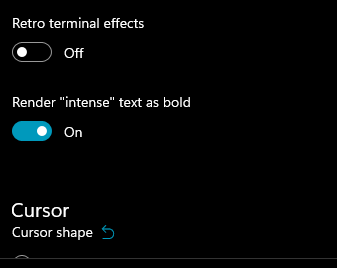
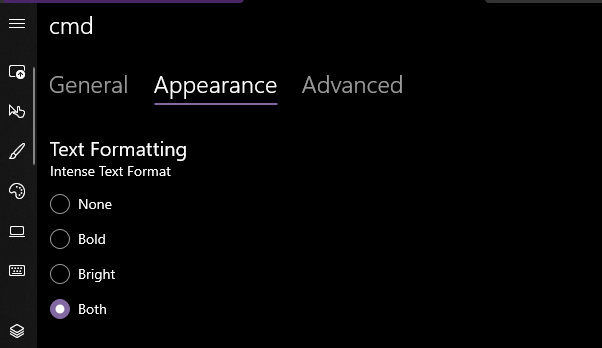
@@ -11,7 +11,7 @@ AlignOperands: true
|
||||
AlignTrailingComments: false
|
||||
AllowAllParametersOfDeclarationOnNextLine: false
|
||||
AllowShortBlocksOnASingleLine: Never
|
||||
AllowShortFunctionsOnASingleLine: All
|
||||
AllowShortFunctionsOnASingleLine: Inline
|
||||
AllowShortCaseLabelsOnASingleLine: false
|
||||
AllowShortIfStatementsOnASingleLine: Never
|
||||
#AllowShortLambdasOnASingleLine: Inline
|
||||
|
||||
@@ -1,7 +1,6 @@
|
||||
root = true
|
||||
|
||||
[*]
|
||||
charset = utf-8
|
||||
trim_trailing_whitespace = true
|
||||
insert_final_newline = true
|
||||
|
||||
|
||||
2
.gitattributes
vendored
2
.gitattributes
vendored
@@ -3,8 +3,6 @@
|
||||
###############################################################################
|
||||
* -text
|
||||
|
||||
*.inc linguist-language=cpp
|
||||
|
||||
###############################################################################
|
||||
# Set default behavior for command prompt diff.
|
||||
#
|
||||
|
||||
20
.github/ISSUE_TEMPLATE/Bug_Report.yml
vendored
20
.github/ISSUE_TEMPLATE/Bug_Report.yml
vendored
@@ -1,6 +1,5 @@
|
||||
name: "Bug report 🐛"
|
||||
description: Report errors or unexpected behavior
|
||||
labels: [Issue-Bug]
|
||||
body:
|
||||
- type: markdown
|
||||
attributes:
|
||||
@@ -11,21 +10,14 @@ body:
|
||||
|
||||
- type: input
|
||||
attributes:
|
||||
label: Windows Terminal version
|
||||
placeholder: "1.7.3651.0"
|
||||
label: Windows Terminal version (or Windows build number)
|
||||
placeholder: "10.0.19042.0, 1.7.3651.0"
|
||||
description: |
|
||||
You can find the version in the about dialog, or by running `wt -v` at the commandline.
|
||||
If you are reporting an issue in Windows Terminal, you can find the version in the about dialog.
|
||||
|
||||
If you are reporting an issue with the Windows Console, please run `ver` or `[Environment]::OSVersion`.
|
||||
validations:
|
||||
required: false
|
||||
|
||||
- type: input
|
||||
attributes:
|
||||
label: Windows build number
|
||||
placeholder: "10.0.19042.0"
|
||||
description: |
|
||||
Please run `ver` or `[Environment]::OSVersion`.
|
||||
validations:
|
||||
required: false
|
||||
required: true
|
||||
|
||||
- type: textarea
|
||||
attributes:
|
||||
|
||||
3156
.github/fabricbot.json
vendored
3156
.github/fabricbot.json
vendored
File diff suppressed because it is too large
Load Diff
19
.github/workflows/addToProject.yml
vendored
19
.github/workflows/addToProject.yml
vendored
@@ -1,19 +0,0 @@
|
||||
name: Add triaged bugs & tasks to project board
|
||||
# https://github.com/actions/add-to-project
|
||||
|
||||
on:
|
||||
issues:
|
||||
types:
|
||||
- labeled
|
||||
|
||||
jobs:
|
||||
add-to-project:
|
||||
name: Add issue to project
|
||||
runs-on: ubuntu-latest
|
||||
steps:
|
||||
- uses: actions/add-to-project@v0.3.0
|
||||
with:
|
||||
project-url: https://github.com/orgs/microsoft/projects/159
|
||||
github-token: ${{ secrets.ADD_TO_PROJECT_PAT }}
|
||||
labeled: Issue-Feature, Needs-Triage, Needs-Author-Feedback, Issue-Scenario
|
||||
label-operator: NOT
|
||||
6
.vscode/settings.json
vendored
6
.vscode/settings.json
vendored
@@ -94,11 +94,7 @@
|
||||
"xlocinfo": "cpp",
|
||||
"xmemory": "cpp",
|
||||
"xstddef": "cpp",
|
||||
"xtr1common": "cpp",
|
||||
"coroutine": "cpp",
|
||||
"format": "cpp",
|
||||
"forward_list": "cpp",
|
||||
"latch": "cpp"
|
||||
"xtr1common": "cpp"
|
||||
},
|
||||
"files.exclude": {
|
||||
"**/bin/**": true,
|
||||
|
||||
@@ -17,7 +17,7 @@
|
||||
"Microsoft.Net.Component.4.5.TargetingPack",
|
||||
"Microsoft.VisualStudio.Component.DiagnosticTools",
|
||||
"Microsoft.VisualStudio.Component.Debugger.JustInTime",
|
||||
"Microsoft.VisualStudio.Component.Windows11SDK.22000",
|
||||
"Microsoft.VisualStudio.Component.Windows10SDK.19041",
|
||||
"Microsoft.VisualStudio.ComponentGroup.UWP.Support",
|
||||
"Microsoft.VisualStudio.Component.VC.CoreIde",
|
||||
"Microsoft.VisualStudio.ComponentGroup.NativeDesktop.Core",
|
||||
@@ -25,11 +25,10 @@
|
||||
"Microsoft.VisualStudio.Component.VC.Redist.14.Latest",
|
||||
"Microsoft.VisualStudio.Component.VC.Tools.x86.x64",
|
||||
"Microsoft.VisualStudio.Component.VC.Tools.ARM64",
|
||||
"Microsoft.VisualStudio.Component.VC.ASAN",
|
||||
"Microsoft.VisualStudio.Component.VC.v143.x86.x64",
|
||||
"Microsoft.VisualStudio.Component.VC.v143.ARM64",
|
||||
"Microsoft.VisualStudio.Component.VC.v142.x86.x64",
|
||||
"Microsoft.VisualStudio.Component.VC.v142.ARM64",
|
||||
"Microsoft.VisualStudio.ComponentGroup.UWP.VC",
|
||||
"Microsoft.VisualStudio.ComponentGroup.UWP.VC.v143",
|
||||
"Microsoft.VisualStudio.ComponentGroup.UWP.VC.v142",
|
||||
"Microsoft.VisualStudio.Component.UWP.VC.ARM64"
|
||||
]
|
||||
}
|
||||
|
||||
26
.wt.json
26
.wt.json
@@ -1,26 +0,0 @@
|
||||
{
|
||||
"actions":
|
||||
[
|
||||
{
|
||||
"command": { "action": "sendInput", "input": "bx\r" },
|
||||
"name": "Build project",
|
||||
"description": "Build the project in the CWD"
|
||||
},
|
||||
{
|
||||
"command": { "action": "sendInput", "input": "bz\r" },
|
||||
"name": "Build solution, incremental",
|
||||
"description": "Just build changes to the solution"
|
||||
},
|
||||
{
|
||||
"command": { "action": "sendInput", "input": "bcz\r" },
|
||||
"name": "Clean & build solution",
|
||||
"description": "Start over. Go get your coffee. "
|
||||
},
|
||||
{
|
||||
"command": { "action": "sendInput", "input": "nuget push -apikey az -source TerminalDependencies %userprofile%\\Downloads" },
|
||||
"name": "Upload package to nuget feed",
|
||||
"description": "Go download a .nupkg, put it in ~/Downloads, and use this to push to our private feed."
|
||||
},
|
||||
|
||||
]
|
||||
}
|
||||
@@ -81,7 +81,7 @@ When you hit "New Issue", select the type of issue closest to what you want to r
|
||||
Microsoft Windows [Version 10.0.18900.1001]
|
||||
```
|
||||
|
||||
* What tools and apps you're using (e.g. VS 2022, VSCode, etc.)
|
||||
* What tools and apps you're using (e.g. VS 2019, VSCode, etc.)
|
||||
* Don't assume we're experts in setting up YOUR environment and don't assume we are experts in `<your distro/tool of choice>`. Teach us to help you!
|
||||
* **We LOVE detailed repro steps!** What steps do we need to take to reproduce the issue? Assume we love to read repro steps. As much detail as you can stand is probably _barely_ enough detail for us!
|
||||
* If you're reporting a particular character/glyph not rendering correctly, the specific Unicode codepoint would be MOST welcome (e.g. U+1F4AF, U+4382)
|
||||
@@ -99,29 +99,15 @@ If you don't have any additional info/context to add but would like to indicate
|
||||
|
||||
## Contributing fixes / features
|
||||
|
||||
If you're able & willing to help fix issues and/or implement features, we'd love your contribution!
|
||||
|
||||
The best place to start is the list of ["Easy Starter"](https://github.com/microsoft/terminal/issues?q=is%3Aopen+is%3Aissue+label%3A%22Help+Wanted%22+label%3A%22Easy+Starter%22+) issues. These are bugs or tasks that we on the team believe would be easier to implement for someone without any prior experience in the codebase. Once you're feeling more comfortable in the codebase, feel free to just use the ["Help Wanted"](https://github.com/microsoft/terminal/issues?q=is%3Aopen+is%3Aissue+label%3A%22Help+Wanted%22+) label, or just find an issue your interested in and hop in!
|
||||
|
||||
Generally, we categorize issues in the following way, which is largely derived from our old internal work tracking system:
|
||||
* ["Bugs"](https://github.com/microsoft/terminal/issues?q=is%3Aopen+is%3Aissue+label%3A%22Issue-Bug%22+) are parts of the Terminal & Console that are not quite working the right way. There's code to already support some scenario, but it's not quite working right. Fixing these is generally a matter of debugging the broken functionality and fixing the wrong code.
|
||||
* ["Tasks"](https://github.com/microsoft/terminal/issues?q=is%3Aopen+is%3Aissue+label%3A%22Issue-Task%22+) are usually new pieces of functionality that aren't yet implemented for the Terminal/Console. These are usually smaller features, which we believe
|
||||
- could be a single, atomic PR
|
||||
- Don't require much design consideration, or we've already written the spec for the larger feature they belong to.
|
||||
* ["Features"](https://github.com/microsoft/terminal/issues?q=is%3Aopen+is%3Aissue+label%3A%22Issue-Feature%22+) are larger pieces of new functionality. These are usually things we believe would require larger discussion of how they should be implemented, or they'll require some complicated new settings. They might just be features that are composed of many individual tasks. Often times, with features, we like to have a spec written before development work is started, to make sure we're all on the same page (see below).
|
||||
|
||||
Bugs and tasks are obviously the easiest to get started with, but don't feel afraid of features either! We've had some community members contribute some amazing "feature"-level work to the Terminal (albeit, with lots of discussion 😄).
|
||||
|
||||
|
||||
Often, we like to assign issues that generally belong to somebody's area of expertise to the team member that owns that area. This doesn't mean the community can't jump in -- they should reach out and have a chat with the assignee to see if it'd okay to take. If an issue's been assigned more than a month ago, there's a good chance it's fair game to try yourself.
|
||||
For those able & willing to help fix issues and/or implement features ...
|
||||
|
||||
### To Spec or not to Spec
|
||||
|
||||
Some issues/features may be quick and simple to describe and understand. For such scenarios, once a team member has agreed with your approach, skip ahead to the section headed "Fork, Branch, and Create your PR", below.
|
||||
|
||||
Small issues that do not require a spec will be labelled `Issue-Bug` or `Issue-Task`.
|
||||
Small issues that do not require a spec will be labelled Issue-Bug or Issue-Task.
|
||||
|
||||
However, some issues/features will require careful thought & formal design before implementation. For these scenarios, we'll request that a spec is written and the associated issue will be labeled `Issue-Feature`. More often than not, we'll add such features to the ["Specification Tracker" project](https://github.com/microsoft/terminal/projects/1).
|
||||
However, some issues/features will require careful thought & formal design before implementation. For these scenarios, we'll request that a spec is written and the associated issue will be labeled Issue-Feature.
|
||||
|
||||
Specs help collaborators discuss different approaches to solve a problem, describe how the feature will behave, how the feature will impact the user, what happens if something goes wrong, etc. Driving towards agreement in a spec, before any code is written, often results in simpler code, and less wasted effort in the long run.
|
||||
|
||||
@@ -139,7 +125,7 @@ Team members will be happy to help review specs and guide them to completion.
|
||||
|
||||
### Help Wanted
|
||||
|
||||
Once the team has approved an issue/spec, development can proceed. If no developers are immediately available, the spec can be parked ready for a developer to get started. Parked specs' issues will be labeled "Help Wanted". To find a list of development opportunities waiting for developer involvement, visit the Issues and filter on [the Help-Wanted label](https://github.com/microsoft/terminal/labels/Help%20Wanted).
|
||||
Once the team have approved an issue/spec, development can proceed. If no developers are immediately available, the spec can be parked ready for a developer to get started. Parked specs' issues will be labeled "Help Wanted". To find a list of development opportunities waiting for developer involvement, visit the Issues and filter on [the Help-Wanted label](https://github.com/microsoft/terminal/labels/Help%20Wanted).
|
||||
|
||||
---
|
||||
|
||||
|
||||
109
NOTICE.md
109
NOTICE.md
@@ -117,6 +117,7 @@ LOSS OF USE, DATA, OR PROFITS; OR BUSINESS INTERRUPTION) HOWEVER CAUSED AND
|
||||
ON ANY THEORY OF LIABILITY, WHETHER IN CONTRACT, STRICT LIABILITY, OR TORT
|
||||
(INCLUDING NEGLIGENCE OR OTHERWISE) ARISING IN ANY WAY OUT OF THE USE OF THIS
|
||||
SOFTWARE, EVEN IF ADVISED OF THE POSSIBILITY OF SUCH DAMAGE.
|
||||
|
||||
```
|
||||
|
||||
## dynamic_bitset
|
||||
@@ -147,6 +148,7 @@ AUTHORS OR COPYRIGHT HOLDERS BE LIABLE FOR ANY CLAIM, DAMAGES OR OTHER
|
||||
LIABILITY, WHETHER IN AN ACTION OF CONTRACT, TORT OR OTHERWISE, ARISING FROM,
|
||||
OUT OF OR IN CONNECTION WITH THE SOFTWARE OR THE USE OR OTHER DEALINGS IN THE
|
||||
SOFTWARE.
|
||||
|
||||
```
|
||||
|
||||
## \{fmt\}
|
||||
@@ -213,104 +215,41 @@ AUTHORS OR COPYRIGHT HOLDERS BE LIABLE FOR ANY CLAIM, DAMAGES OR OTHER
|
||||
LIABILITY, WHETHER IN AN ACTION OF CONTRACT, TORT OR OTHERWISE, ARISING FROM,
|
||||
OUT OF OR IN CONNECTION WITH THE SOFTWARE OR THE USE OR OTHER DEALINGS IN THE
|
||||
SOFTWARE.
|
||||
|
||||
```
|
||||
|
||||
## PCG Random Number Generation
|
||||
|
||||
**Source**: [https://github.com/imneme/pcg-cpp](https://github.com/imneme/pcg-cpp)
|
||||
## boost
|
||||
|
||||
**Source**: [https://github.com/boostorg/boost](https://github.com/boostorg/boost)
|
||||
|
||||
### License
|
||||
|
||||
```
|
||||
Copyright (c) 2014-2017 Melissa O'Neill and PCG Project contributors
|
||||
Boost Software License - Version 1.0 - August 17th, 2003
|
||||
|
||||
Permission is hereby granted, free of charge, to any person obtaining a copy
|
||||
of this software and associated documentation files (the "Software"), to deal
|
||||
in the Software without restriction, including without limitation the rights
|
||||
to use, copy, modify, merge, publish, distribute, sublicense, and/or sell
|
||||
copies of the Software, and to permit persons to whom the Software is
|
||||
furnished to do so, subject to the following conditions:
|
||||
Permission is hereby granted, free of charge, to any person or organization
|
||||
obtaining a copy of the software and accompanying documentation covered by
|
||||
this license (the "Software") to use, reproduce, display, distribute,
|
||||
execute, and transmit the Software, and to prepare derivative works of the
|
||||
Software, and to permit third-parties to whom the Software is furnished to
|
||||
do so, all subject to the following:
|
||||
|
||||
The above copyright notice and this permission notice shall be included in all
|
||||
copies or substantial portions of the Software.
|
||||
The copyright notices in the Software and this entire statement, including
|
||||
the above license grant, this restriction and the following disclaimer,
|
||||
must be included in all copies of the Software, in whole or in part, and
|
||||
all derivative works of the Software, unless such copies or derivative
|
||||
works are solely in the form of machine-executable object code generated by
|
||||
a source language processor.
|
||||
|
||||
THE SOFTWARE IS PROVIDED "AS IS", WITHOUT WARRANTY OF ANY KIND, EXPRESS OR
|
||||
IMPLIED, INCLUDING BUT NOT LIMITED TO THE WARRANTIES OF MERCHANTABILITY,
|
||||
FITNESS FOR A PARTICULAR PURPOSE AND NONINFRINGEMENT. IN NO EVENT SHALL THE
|
||||
AUTHORS OR COPYRIGHT HOLDERS BE LIABLE FOR ANY CLAIM, DAMAGES OR OTHER
|
||||
LIABILITY, WHETHER IN AN ACTION OF CONTRACT, TORT OR OTHERWISE, ARISING FROM,
|
||||
OUT OF OR IN CONNECTION WITH THE SOFTWARE OR THE USE OR OTHER DEALINGS IN THE
|
||||
SOFTWARE.
|
||||
```
|
||||
FITNESS FOR A PARTICULAR PURPOSE, TITLE AND NON-INFRINGEMENT. IN NO EVENT
|
||||
SHALL THE COPYRIGHT HOLDERS OR ANYONE DISTRIBUTING THE SOFTWARE BE LIABLE
|
||||
FOR ANY DAMAGES OR OTHER LIABILITY, WHETHER IN CONTRACT, TORT OR OTHERWISE,
|
||||
ARISING FROM, OUT OF OR IN CONNECTION WITH THE SOFTWARE OR THE USE OR OTHER
|
||||
DEALINGS IN THE SOFTWARE.
|
||||
|
||||
## wyhash
|
||||
|
||||
**Source**: [https://github.com/wangyi-fudan/wyhash](https://github.com/wangyi-fudan/wyhash)
|
||||
|
||||
### License
|
||||
|
||||
```
|
||||
This is free and unencumbered software released into the public domain.
|
||||
|
||||
Anyone is free to copy, modify, publish, use, compile, sell, or
|
||||
distribute this software, either in source code form or as a compiled
|
||||
binary, for any purpose, commercial or non-commercial, and by any
|
||||
means.
|
||||
|
||||
In jurisdictions that recognize copyright laws, the author or authors
|
||||
of this software dedicate any and all copyright interest in the
|
||||
software to the public domain. We make this dedication for the benefit
|
||||
of the public at large and to the detriment of our heirs and
|
||||
successors. We intend this dedication to be an overt act of
|
||||
relinquishment in perpetuity of all present and future rights to this
|
||||
software under copyright law.
|
||||
|
||||
THE SOFTWARE IS PROVIDED "AS IS", WITHOUT WARRANTY OF ANY KIND,
|
||||
EXPRESS OR IMPLIED, INCLUDING BUT NOT LIMITED TO THE WARRANTIES OF
|
||||
MERCHANTABILITY, FITNESS FOR A PARTICULAR PURPOSE AND NONINFRINGEMENT.
|
||||
IN NO EVENT SHALL THE AUTHORS BE LIABLE FOR ANY CLAIM, DAMAGES OR
|
||||
OTHER LIABILITY, WHETHER IN AN ACTION OF CONTRACT, TORT OR OTHERWISE,
|
||||
ARISING FROM, OUT OF OR IN CONNECTION WITH THE SOFTWARE OR THE USE OR
|
||||
OTHER DEALINGS IN THE SOFTWARE.
|
||||
|
||||
For more information, please refer to <http://unlicense.org/>
|
||||
```
|
||||
|
||||
## ConEmu
|
||||
**Source**: [https://github.com/Maximus5/ConEmu](https://github.com/Maximus5/ConEmu)
|
||||
|
||||
### License
|
||||
|
||||
```
|
||||
BSD 3-Clause License
|
||||
|
||||
Copyright (c) 2009-2017, Maximus5 <ConEmu.Maximus5@gmail.com>
|
||||
All rights reserved.
|
||||
|
||||
Redistribution and use in source and binary forms, with or without
|
||||
modification, are permitted provided that the following conditions are met:
|
||||
|
||||
* Redistributions of source code must retain the above copyright notice, this
|
||||
list of conditions and the following disclaimer.
|
||||
|
||||
* Redistributions in binary form must reproduce the above copyright notice,
|
||||
this list of conditions and the following disclaimer in the documentation
|
||||
and/or other materials provided with the distribution.
|
||||
|
||||
* Neither the name of the copyright holder nor the names of its
|
||||
contributors may be used to endorse or promote products derived from
|
||||
this software without specific prior written permission.
|
||||
|
||||
THIS SOFTWARE IS PROVIDED BY THE COPYRIGHT HOLDERS AND CONTRIBUTORS "AS IS"
|
||||
AND ANY EXPRESS OR IMPLIED WARRANTIES, INCLUDING, BUT NOT LIMITED TO, THE
|
||||
IMPLIED WARRANTIES OF MERCHANTABILITY AND FITNESS FOR A PARTICULAR PURPOSE ARE
|
||||
DISCLAIMED. IN NO EVENT SHALL THE COPYRIGHT HOLDER OR CONTRIBUTORS BE LIABLE
|
||||
FOR ANY DIRECT, INDIRECT, INCIDENTAL, SPECIAL, EXEMPLARY, OR CONSEQUENTIAL
|
||||
DAMAGES (INCLUDING, BUT NOT LIMITED TO, PROCUREMENT OF SUBSTITUTE GOODS OR
|
||||
SERVICES; LOSS OF USE, DATA, OR PROFITS; OR BUSINESS INTERRUPTION) HOWEVER
|
||||
CAUSED AND ON ANY THEORY OF LIABILITY, WHETHER IN CONTRACT, STRICT LIABILITY,
|
||||
OR TORT (INCLUDING NEGLIGENCE OR OTHERWISE) ARISING IN ANY WAY OUT OF THE USE
|
||||
OF THIS SOFTWARE, EVEN IF ADVISED OF THE POSSIBILITY OF SUCH DAMAGE.
|
||||
```
|
||||
|
||||
# Microsoft Open Source
|
||||
|
||||
@@ -10,8 +10,6 @@
|
||||
<clear />
|
||||
</disabledPackageSources>
|
||||
<config>
|
||||
<!-- TODO: TEMPORARY UNTIL PGO-Helpers is updated to search both. We shouldn't need to keep the globals path here. -->
|
||||
<add key="globalPackagesFolder" value=".\packages" />
|
||||
<add key="repositorypath" value=".\packages" />
|
||||
</config>
|
||||
</configuration>
|
||||
|
||||
367
OpenConsole.sln
367
OpenConsole.sln
@@ -1,6 +1,7 @@
|
||||
|
||||
Microsoft Visual Studio Solution File, Format Version 12.00
|
||||
# Visual Studio Version 17
|
||||
VisualStudioVersion = 17.2.32422.2
|
||||
# Visual Studio Version 16
|
||||
VisualStudioVersion = 16.0.29001.49
|
||||
MinimumVisualStudioVersion = 10.0.40219.1
|
||||
Project("{2150E333-8FDC-42A3-9474-1A3956D46DE8}") = "Terminal", "Terminal", "{59840756-302F-44DF-AA47-441A9D673202}"
|
||||
EndProject
|
||||
@@ -11,9 +12,9 @@ Project("{C7167F0D-BC9F-4E6E-AFE1-012C56B48DB5}") = "CascadiaPackage", "src\casc
|
||||
EndProject
|
||||
Project("{8BC9CEB8-8B4A-11D0-8D11-00A0C91BC942}") = "Host.EXE", "src\host\exe\Host.EXE.vcxproj", "{9CBD7DFA-1754-4A9D-93D7-857A9D17CB1B}"
|
||||
ProjectSection(ProjectDependencies) = postProject
|
||||
{71CC9D78-BA29-4D93-946F-BEF5D9A3A6EF} = {71CC9D78-BA29-4D93-946F-BEF5D9A3A6EF}
|
||||
{0CF235BD-2DA0-407E-90EE-C467E8BBC714} = {0CF235BD-2DA0-407E-90EE-C467E8BBC714}
|
||||
{5D23E8E1-3C64-4CC1-A8F7-6861677F7239} = {5D23E8E1-3C64-4CC1-A8F7-6861677F7239}
|
||||
{71CC9D78-BA29-4D93-946F-BEF5D9A3A6EF} = {71CC9D78-BA29-4D93-946F-BEF5D9A3A6EF}
|
||||
EndProjectSection
|
||||
EndProject
|
||||
Project("{8BC9CEB8-8B4A-11D0-8D11-00A0C91BC942}") = "PropertiesLibrary", "src\propslib\propslib.vcxproj", "{345FD5A4-B32B-4F29-BD1C-B033BD2C35CC}"
|
||||
@@ -64,21 +65,20 @@ Project("{8BC9CEB8-8B4A-11D0-8D11-00A0C91BC942}") = "RendererGdi", "src\renderer
|
||||
EndProject
|
||||
Project("{8BC9CEB8-8B4A-11D0-8D11-00A0C91BC942}") = "Host", "src\host\lib\hostlib.vcxproj", "{06EC74CB-9A12-429C-B551-8562EC954746}"
|
||||
ProjectSection(ProjectDependencies) = postProject
|
||||
{0CF235BD-2DA0-407E-90EE-C467E8BBC714} = {0CF235BD-2DA0-407E-90EE-C467E8BBC714}
|
||||
{18D09A24-8240-42D6-8CB6-236EEE820263} = {18D09A24-8240-42D6-8CB6-236EEE820263}
|
||||
{71CC9D78-BA29-4D93-946F-BEF5D9A3A6EF} = {71CC9D78-BA29-4D93-946F-BEF5D9A3A6EF}
|
||||
{0CF235BD-2DA0-407E-90EE-C467E8BBC714} = {0CF235BD-2DA0-407E-90EE-C467E8BBC714}
|
||||
EndProjectSection
|
||||
EndProject
|
||||
Project("{8BC9CEB8-8B4A-11D0-8D11-00A0C91BC942}") = "Host.unittest", "src\host\ut_lib\host.unittest.vcxproj", "{06EC74CB-9A12-429C-B551-8562EC954747}"
|
||||
ProjectSection(ProjectDependencies) = postProject
|
||||
{18D09A24-8240-42D6-8CB6-236EEE820263} = {18D09A24-8240-42D6-8CB6-236EEE820263}
|
||||
{71CC9D78-BA29-4D93-946F-BEF5D9A3A6EF} = {71CC9D78-BA29-4D93-946F-BEF5D9A3A6EF}
|
||||
EndProjectSection
|
||||
EndProject
|
||||
Project("{8BC9CEB8-8B4A-11D0-8D11-00A0C91BC942}") = "Host.Tests.Unit", "src\host\ut_host\Host.UnitTests.vcxproj", "{531C23E7-4B76-4C08-8AAD-04164CB628C9}"
|
||||
ProjectSection(ProjectDependencies) = postProject
|
||||
{06EC74CB-9A12-429C-B551-8562EC954747} = {06EC74CB-9A12-429C-B551-8562EC954747}
|
||||
{0CF235BD-2DA0-407E-90EE-C467E8BBC714} = {0CF235BD-2DA0-407E-90EE-C467E8BBC714}
|
||||
{06EC74CB-9A12-429C-B551-8562EC954747} = {06EC74CB-9A12-429C-B551-8562EC954747}
|
||||
EndProjectSection
|
||||
EndProject
|
||||
Project("{8BC9CEB8-8B4A-11D0-8D11-00A0C91BC942}") = "TextBuffer.Unit.Tests", "src\buffer\out\ut_textbuffer\TextBuffer.Unit.Tests.vcxproj", "{531C23E7-4B76-4C08-8BBD-04164CB628C9}"
|
||||
@@ -89,9 +89,9 @@ EndProject
|
||||
Project("{8BC9CEB8-8B4A-11D0-8D11-00A0C91BC942}") = "Host.Tests.Feature", "src\host\ft_host\Host.FeatureTests.vcxproj", "{8CDB8850-7484-4EC7-B45B-181F85B2EE54}"
|
||||
ProjectSection(ProjectDependencies) = postProject
|
||||
{18D09A24-8240-42D6-8CB6-236EEE820263} = {18D09A24-8240-42D6-8CB6-236EEE820263}
|
||||
{FC802440-AD6A-4919-8F2C-7701F2B38D79} = {FC802440-AD6A-4919-8F2C-7701F2B38D79}
|
||||
{58A03BB2-DF5A-4B66-91A0-7EF3BA01269A} = {58A03BB2-DF5A-4B66-91A0-7EF3BA01269A}
|
||||
{9CBD7DFA-1754-4A9D-93D7-857A9D17CB1B} = {9CBD7DFA-1754-4A9D-93D7-857A9D17CB1B}
|
||||
{FC802440-AD6A-4919-8F2C-7701F2B38D79} = {FC802440-AD6A-4919-8F2C-7701F2B38D79}
|
||||
EndProjectSection
|
||||
EndProject
|
||||
Project("{8BC9CEB8-8B4A-11D0-8D11-00A0C91BC942}") = "TerminalParser.UnitTests", "src\terminal\parser\ut_parser\Parser.UnitTests.vcxproj", "{12144E07-FE63-4D33-9231-748B8D8C3792}"
|
||||
@@ -114,8 +114,8 @@ EndProject
|
||||
Project("{FAE04EC0-301F-11D3-BF4B-00C04F79EFBC}") = "Host.Tests.UIA", "src\host\ft_uia\Host.Tests.UIA.csproj", "{C17E1BF3-9D34-4779-9458-A8EF98CC5662}"
|
||||
ProjectSection(ProjectDependencies) = postProject
|
||||
{099193A0-1E43-4BBC-BA7F-7B351E1342DF} = {099193A0-1E43-4BBC-BA7F-7B351E1342DF}
|
||||
{9CBD7DFA-1754-4A9D-93D7-857A9D17CB1B} = {9CBD7DFA-1754-4A9D-93D7-857A9D17CB1B}
|
||||
{C7A6A5D9-60BE-4AEB-A5F6-AFE352F86CBB} = {C7A6A5D9-60BE-4AEB-A5F6-AFE352F86CBB}
|
||||
{9CBD7DFA-1754-4A9D-93D7-857A9D17CB1B} = {9CBD7DFA-1754-4A9D-93D7-857A9D17CB1B}
|
||||
EndProjectSection
|
||||
EndProject
|
||||
Project("{FAE04EC0-301F-11D3-BF4B-00C04F79EFBC}") = "VTApp", "src\tools\vtapp\VTApp.csproj", "{099193A0-1E43-4BBC-BA7F-7B351E1342DF}"
|
||||
@@ -172,38 +172,36 @@ Project("{8BC9CEB8-8B4A-11D0-8D11-00A0C91BC942}") = "TerminalCore", "src\cascadi
|
||||
EndProject
|
||||
Project("{8BC9CEB8-8B4A-11D0-8D11-00A0C91BC942}") = "Microsoft.Terminal.Control.Lib", "src\cascadia\TerminalControl\TerminalControlLib.vcxproj", "{CA5CAD1A-44BD-4AC7-AC72-6CA5B3AB89ED}"
|
||||
ProjectSection(ProjectDependencies) = postProject
|
||||
{CA5CAD1A-C46D-4588-B1C0-40F31AE9100B} = {CA5CAD1A-C46D-4588-B1C0-40F31AE9100B}
|
||||
{CA5CAD1A-ABCD-429C-B551-8562EC954746} = {CA5CAD1A-ABCD-429C-B551-8562EC954746}
|
||||
{1CF55140-EF6A-4736-A403-957E4F7430BB} = {1CF55140-EF6A-4736-A403-957E4F7430BB}
|
||||
{48D21369-3D7B-4431-9967-24E81292CF62} = {48D21369-3D7B-4431-9967-24E81292CF62}
|
||||
{48D21369-3D7B-4431-9967-24E81292CF63} = {48D21369-3D7B-4431-9967-24E81292CF63}
|
||||
{8222900C-8B6C-452A-91AC-BE95DB04B95F} = {8222900C-8B6C-452A-91AC-BE95DB04B95F}
|
||||
{AF0A096A-8B3A-4949-81EF-7DF8F0FEE91F} = {AF0A096A-8B3A-4949-81EF-7DF8F0FEE91F}
|
||||
{CA5CAD1A-ABCD-429C-B551-8562EC954746} = {CA5CAD1A-ABCD-429C-B551-8562EC954746}
|
||||
{CA5CAD1A-C46D-4588-B1C0-40F31AE9100B} = {CA5CAD1A-C46D-4588-B1C0-40F31AE9100B}
|
||||
EndProjectSection
|
||||
EndProject
|
||||
Project("{8BC9CEB8-8B4A-11D0-8D11-00A0C91BC942}") = "Microsoft.Terminal.Control", "src\cascadia\TerminalControl\dll\TerminalControl.vcxproj", "{CA5CAD1A-F542-4635-A069-7CAEFB930070}"
|
||||
ProjectSection(ProjectDependencies) = postProject
|
||||
{3C67784E-1453-49C2-9660-483E2CC7F7AD} = {3C67784E-1453-49C2-9660-483E2CC7F7AD}
|
||||
{CA5CAD1A-44BD-4AC7-AC72-6CA5B3AB89ED} = {CA5CAD1A-44BD-4AC7-AC72-6CA5B3AB89ED}
|
||||
EndProjectSection
|
||||
EndProject
|
||||
Project("{8BC9CEB8-8B4A-11D0-8D11-00A0C91BC942}") = "WindowsTerminal", "src\cascadia\WindowsTerminal\WindowsTerminal.vcxproj", "{CA5CAD1A-1754-4A9D-93D7-857A9D17CB1B}"
|
||||
ProjectSection(ProjectDependencies) = postProject
|
||||
{27B5AAEB-A548-44CF-9777-F8BAA32AF7AE} = {27B5AAEB-A548-44CF-9777-F8BAA32AF7AE}
|
||||
{9CBD7DFA-1754-4A9D-93D7-857A9D17CB1B} = {9CBD7DFA-1754-4A9D-93D7-857A9D17CB1B}
|
||||
{CA5CAD1A-F542-4635-A069-7CAEFB930070} = {CA5CAD1A-F542-4635-A069-7CAEFB930070}
|
||||
{CA5CAD1A-0B5E-45C3-96A8-BB496BFE4E32} = {CA5CAD1A-0B5E-45C3-96A8-BB496BFE4E32}
|
||||
{CA5CAD1A-44BD-4AC7-AC72-F16E576FDD12} = {CA5CAD1A-44BD-4AC7-AC72-F16E576FDD12}
|
||||
{CA5CAD1A-ABCD-429C-B551-8562EC954746} = {CA5CAD1A-ABCD-429C-B551-8562EC954746}
|
||||
{CA5CAD1A-F542-4635-A069-7CAEFB930070} = {CA5CAD1A-F542-4635-A069-7CAEFB930070}
|
||||
{27B5AAEB-A548-44CF-9777-F8BAA32AF7AE} = {27B5AAEB-A548-44CF-9777-F8BAA32AF7AE}
|
||||
{9CBD7DFA-1754-4A9D-93D7-857A9D17CB1B} = {9CBD7DFA-1754-4A9D-93D7-857A9D17CB1B}
|
||||
EndProjectSection
|
||||
EndProject
|
||||
Project("{8BC9CEB8-8B4A-11D0-8D11-00A0C91BC942}") = "TerminalApp", "src\cascadia\TerminalApp\dll\TerminalApp.vcxproj", "{CA5CAD1A-44BD-4AC7-AC72-F16E576FDD12}"
|
||||
ProjectSection(ProjectDependencies) = postProject
|
||||
{CA5CAD1A-082C-4476-9F33-94B339494076} = {CA5CAD1A-082C-4476-9F33-94B339494076}
|
||||
{CA5CAD1A-0B5E-45C3-96A8-BB496BFE4E32} = {CA5CAD1A-0B5E-45C3-96A8-BB496BFE4E32}
|
||||
{CA5CAD1A-9A12-429C-B551-8562EC954746} = {CA5CAD1A-9A12-429C-B551-8562EC954746}
|
||||
{CA5CAD1A-C46D-4588-B1C0-40F31AE9100B} = {CA5CAD1A-C46D-4588-B1C0-40F31AE9100B}
|
||||
{CA5CAD1A-082C-4476-9F33-94B339494076} = {CA5CAD1A-082C-4476-9F33-94B339494076}
|
||||
{CA5CAD1A-F542-4635-A069-7CAEFB930070} = {CA5CAD1A-F542-4635-A069-7CAEFB930070}
|
||||
{CA5CAD1A-0B5E-45C3-96A8-BB496BFE4E32} = {CA5CAD1A-0B5E-45C3-96A8-BB496BFE4E32}
|
||||
{CA5CAD1A-C46D-4588-B1C0-40F31AE9100B} = {CA5CAD1A-C46D-4588-B1C0-40F31AE9100B}
|
||||
EndProjectSection
|
||||
EndProject
|
||||
Project("{8BC9CEB8-8B4A-11D0-8D11-00A0C91BC942}") = "WindowsTerminalShellExt", "src\cascadia\ShellExtension\WindowsTerminalShellExt.vcxproj", "{F2ED628A-DB22-446F-A081-4CC845B51A2B}"
|
||||
@@ -253,15 +251,15 @@ EndProject
|
||||
Project("{8BC9CEB8-8B4A-11D0-8D11-00A0C91BC942}") = "TerminalAppLib", "src\cascadia\TerminalApp\TerminalAppLib.vcxproj", "{CA5CAD1A-9A12-429C-B551-8562EC954746}"
|
||||
ProjectSection(ProjectDependencies) = postProject
|
||||
{CA5CAD1A-082C-4476-9F33-94B339494076} = {CA5CAD1A-082C-4476-9F33-94B339494076}
|
||||
{CA5CAD1A-0B5E-45C3-96A8-BB496BFE4E32} = {CA5CAD1A-0B5E-45C3-96A8-BB496BFE4E32}
|
||||
{CA5CAD1A-F542-4635-A069-7CAEFB930070} = {CA5CAD1A-F542-4635-A069-7CAEFB930070}
|
||||
{CA5CAD1A-0B5E-45C3-96A8-BB496BFE4E32} = {CA5CAD1A-0B5E-45C3-96A8-BB496BFE4E32}
|
||||
EndProjectSection
|
||||
EndProject
|
||||
Project("{8BC9CEB8-8B4A-11D0-8D11-00A0C91BC942}") = "LocalTests_TerminalApp", "src\cascadia\LocalTests_TerminalApp\TerminalApp.LocalTests.vcxproj", "{CA5CAD1A-B11C-4DDB-A4FE-C3AFAE9B5506}"
|
||||
ProjectSection(ProjectDependencies) = postProject
|
||||
{CA5CAD1A-9A12-429C-B551-8562EC954746} = {CA5CAD1A-9A12-429C-B551-8562EC954746}
|
||||
{CA5CAD1A-082C-4476-9F33-94B339494076} = {CA5CAD1A-082C-4476-9F33-94B339494076}
|
||||
{CA5CAD1A-44BD-4AC7-AC72-F16E576FDD12} = {CA5CAD1A-44BD-4AC7-AC72-F16E576FDD12}
|
||||
{CA5CAD1A-9A12-429C-B551-8562EC954746} = {CA5CAD1A-9A12-429C-B551-8562EC954746}
|
||||
{CA5CAD1A-D7EC-4107-B7C6-79CB77AE2907} = {CA5CAD1A-D7EC-4107-B7C6-79CB77AE2907}
|
||||
EndProjectSection
|
||||
EndProject
|
||||
@@ -269,15 +267,17 @@ Project("{8BC9CEB8-8B4A-11D0-8D11-00A0C91BC942}") = "RendererUia", "src\renderer
|
||||
EndProject
|
||||
Project("{8BC9CEB8-8B4A-11D0-8D11-00A0C91BC942}") = "WinRTUtils", "src\cascadia\WinRTUtils\WinRTUtils.vcxproj", "{CA5CAD1A-039A-4929-BA2A-8BEB2E4106FE}"
|
||||
EndProject
|
||||
Project("{8BC9CEB8-8B4A-11D0-8D11-00A0C91BC942}") = "WindowsTerminalUniversal", "src\cascadia\WindowsTerminalUniversal\WindowsTerminalUniversal.vcxproj", "{B0AC39D6-7B40-49A9-8202-58549BAE1FB1}"
|
||||
EndProject
|
||||
Project("{8BC9CEB8-8B4A-11D0-8D11-00A0C91BC942}") = "winconpty.LIB", "src\winconpty\lib\winconptylib.vcxproj", "{58A03BB2-DF5A-4B66-91A0-7EF3BA01269A}"
|
||||
EndProject
|
||||
Project("{8BC9CEB8-8B4A-11D0-8D11-00A0C91BC942}") = "winconpty.DLL", "src\winconpty\dll\winconptydll.vcxproj", "{A22EC5F6-7851-4B88-AC52-47249D437A52}"
|
||||
EndProject
|
||||
Project("{8BC9CEB8-8B4A-11D0-8D11-00A0C91BC942}") = "TestHostApp", "src\cascadia\LocalTests_TerminalApp\TestHostApp\TestHostApp.vcxproj", "{A021EDFF-45C8-4DC2-BEF7-36E1B3B8CFE8}"
|
||||
ProjectSection(ProjectDependencies) = postProject
|
||||
{CA5CAD1A-B11C-4DDB-A4FE-C3AFAE9B5506} = {CA5CAD1A-B11C-4DDB-A4FE-C3AFAE9B5506}
|
||||
{CA5CAD1A-082C-4476-9F33-94B339494076} = {CA5CAD1A-082C-4476-9F33-94B339494076}
|
||||
{CA5CAD1A-9B68-456A-B13E-C8218070DC42} = {CA5CAD1A-9B68-456A-B13E-C8218070DC42}
|
||||
{CA5CAD1A-B11C-4DDB-A4FE-C3AFAE9B5506} = {CA5CAD1A-B11C-4DDB-A4FE-C3AFAE9B5506}
|
||||
EndProjectSection
|
||||
EndProject
|
||||
Project("{2150E333-8FDC-42A3-9474-1A3956D46DE8}") = "Tests", "Tests", "{BDB237B6-1D1D-400F-84CC-40A58FA59C8E}"
|
||||
@@ -291,12 +291,9 @@ Project("{2150E333-8FDC-42A3-9474-1A3956D46DE8}") = "Common Props", "Common Prop
|
||||
src\common.build.post.props = src\common.build.post.props
|
||||
src\common.build.pre.props = src\common.build.pre.props
|
||||
src\common.build.tests.props = src\common.build.tests.props
|
||||
src\common.nugetversions.props = src\common.nugetversions.props
|
||||
src\common.nugetversions.targets = src\common.nugetversions.targets
|
||||
common.openconsole.props = common.openconsole.props
|
||||
src\cppwinrt.build.post.props = src\cppwinrt.build.post.props
|
||||
src\cppwinrt.build.pre.props = src\cppwinrt.build.pre.props
|
||||
dep\nuget\packages.config = dep\nuget\packages.config
|
||||
src\wap-common.build.post.props = src\wap-common.build.post.props
|
||||
src\wap-common.build.pre.props = src\wap-common.build.pre.props
|
||||
EndProjectSection
|
||||
@@ -332,14 +329,12 @@ Project("{8BC9CEB8-8B4A-11D0-8D11-00A0C91BC942}") = "fmt", "src\dep\fmt\fmt.vcxp
|
||||
EndProject
|
||||
Project("{9A19103F-16F7-4668-BE54-9A1E7A4F7556}") = "WpfTerminalTestNetCore", "src\cascadia\WpfTerminalTestNetCore\WpfTerminalTestNetCore.csproj", "{1588FD7C-241E-4E7D-9113-43735F3E6BAD}"
|
||||
ProjectSection(ProjectDependencies) = postProject
|
||||
{84848BFA-931D-42CE-9ADF-01EE54DE7890} = {84848BFA-931D-42CE-9ADF-01EE54DE7890}
|
||||
{A22EC5F6-7851-4B88-AC52-47249D437A52} = {A22EC5F6-7851-4B88-AC52-47249D437A52}
|
||||
{84848BFA-931D-42CE-9ADF-01EE54DE7890} = {84848BFA-931D-42CE-9ADF-01EE54DE7890}
|
||||
EndProjectSection
|
||||
EndProject
|
||||
Project("{8BC9CEB8-8B4A-11D0-8D11-00A0C91BC942}") = "wt", "src\cascadia\wt\wt.vcxproj", "{506FD703-BAA7-4F6E-9361-64F550EC8FCA}"
|
||||
EndProject
|
||||
Project("{8BC9CEB8-8B4A-11D0-8D11-00A0C91BC942}") = "elevate-shim", "src\cascadia\ElevateShim\elevate-shim.vcxproj", "{416FD703-BAA7-4F6E-9361-64F550EC8FCA}"
|
||||
EndProject
|
||||
Project("{8BC9CEB8-8B4A-11D0-8D11-00A0C91BC942}") = "Microsoft.Terminal.Settings.Editor", "src\cascadia\TerminalSettingsEditor\Microsoft.Terminal.Settings.Editor.vcxproj", "{CA5CAD1A-0B5E-45C3-96A8-BB496BFE4E32}"
|
||||
ProjectSection(ProjectDependencies) = postProject
|
||||
{CA5CAD1A-082C-4476-9F33-94B339494076} = {CA5CAD1A-082C-4476-9F33-94B339494076}
|
||||
@@ -358,9 +353,9 @@ EndProject
|
||||
Project("{8BC9CEB8-8B4A-11D0-8D11-00A0C91BC942}") = "LocalTests_SettingsModel", "src\cascadia\LocalTests_SettingsModel\SettingsModel.LocalTests.vcxproj", "{CA5CAD1A-9B68-456A-B13E-C8218070DC42}"
|
||||
ProjectSection(ProjectDependencies) = postProject
|
||||
{CA5CAD1A-082C-4476-9F33-94B339494076} = {CA5CAD1A-082C-4476-9F33-94B339494076}
|
||||
{CA5CAD1A-F542-4635-A069-7CAEFB930070} = {CA5CAD1A-F542-4635-A069-7CAEFB930070}
|
||||
{CA5CAD1A-C46D-4588-B1C0-40F31AE9100B} = {CA5CAD1A-C46D-4588-B1C0-40F31AE9100B}
|
||||
{CA5CAD1A-D7EC-4107-B7C6-79CB77AE2907} = {CA5CAD1A-D7EC-4107-B7C6-79CB77AE2907}
|
||||
{CA5CAD1A-F542-4635-A069-7CAEFB930070} = {CA5CAD1A-F542-4635-A069-7CAEFB930070}
|
||||
EndProjectSection
|
||||
EndProject
|
||||
Project("{8BC9CEB8-8B4A-11D0-8D11-00A0C91BC942}") = "MonarchPeasantSample", "src\tools\MonarchPeasantSample\MonarchPeasantSample.vcxproj", "{21B7EA5E-1EF8-49B6-AC07-11714AF0E37D}"
|
||||
@@ -379,8 +374,8 @@ Project("{8BC9CEB8-8B4A-11D0-8D11-00A0C91BC942}") = "Microsoft.Terminal.Remoting
|
||||
EndProject
|
||||
Project("{8BC9CEB8-8B4A-11D0-8D11-00A0C91BC942}") = "UnitTests_Remoting", "src\cascadia\UnitTests_Remoting\Remoting.UnitTests.vcxproj", "{68A10CD3-AA64-465B-AF5F-ED4E9700543C}"
|
||||
ProjectSection(ProjectDependencies) = postProject
|
||||
{27B5AAEB-A548-44CF-9777-F8BAA32AF7AE} = {27B5AAEB-A548-44CF-9777-F8BAA32AF7AE}
|
||||
{43CE4CE5-0010-4B99-9569-672670D26E26} = {43CE4CE5-0010-4B99-9569-672670D26E26}
|
||||
{27B5AAEB-A548-44CF-9777-F8BAA32AF7AE} = {27B5AAEB-A548-44CF-9777-F8BAA32AF7AE}
|
||||
EndProjectSection
|
||||
EndProject
|
||||
Project("{2150E333-8FDC-42A3-9474-1A3956D46DE8}") = "wpf", "wpf", "{4DAF0299-495E-4CD1-A982-9BAC16A45932}"
|
||||
@@ -402,17 +397,7 @@ Project("{8BC9CEB8-8B4A-11D0-8D11-00A0C91BC942}") = "UnitTests_Control", "src\ca
|
||||
EndProject
|
||||
Project("{FAE04EC0-301F-11D3-BF4B-00C04F79EFBC}") = "WindowsTerminal.UIA.Tests", "src\cascadia\WindowsTerminal_UIATests\WindowsTerminal.UIA.Tests.csproj", "{F19DACD5-0C6E-40DC-B6E4-767A3200542C}"
|
||||
EndProject
|
||||
Project("{2150E333-8FDC-42A3-9474-1A3956D46DE8}") = "Utils", "Utils", "{61901E80-E97D-4D61-A9BB-E8F2FDA8B40C}"
|
||||
EndProject
|
||||
Project("{8BC9CEB8-8B4A-11D0-8D11-00A0C91BC942}") = "RendererAtlas", "src\renderer\atlas\atlas.vcxproj", "{8222900C-8B6C-452A-91AC-BE95DB04B95F}"
|
||||
EndProject
|
||||
Project("{8BC9CEB8-8B4A-11D0-8D11-00A0C91BC942}") = "InteractivityOneCore", "src\interactivity\onecore\lib\onecore.LIB.vcxproj", "{06EC74CB-9A12-428C-B551-8537EC964726}"
|
||||
EndProject
|
||||
Project("{8BC9CEB8-8B4A-11D0-8D11-00A0C91BC942}") = "RendererWddmCon", "src\renderer\wddmcon\lib\wddmcon.vcxproj", "{75C6F576-18E9-4566-978A-F0A301CAC090}"
|
||||
EndProject
|
||||
Project("{2150E333-8FDC-42A3-9474-1A3956D46DE8}") = "Audio", "Audio", "{40BD8415-DD93-4200-8D82-498DDDC08CC8}"
|
||||
EndProject
|
||||
Project("{8BC9CEB8-8B4A-11D0-8D11-00A0C91BC942}") = "MidiAudio", "src\audio\midi\lib\midi.vcxproj", "{3C67784E-1453-49C2-9660-483E2CC7F7AD}"
|
||||
Project("{8BC9CEB8-8B4A-11D0-8D11-00A0C91BC942}") = "api-ms-win-core-synch-l1-2-0", "src\api-ms-win-core-synch-l1-2-0\api-ms-win-core-synch-l1-2-0.vcxproj", "{9CF74355-F018-4C19-81AD-9DC6B7F2C6F5}"
|
||||
EndProject
|
||||
Global
|
||||
GlobalSection(SolutionConfigurationPlatforms) = preSolution
|
||||
@@ -1210,11 +1195,11 @@ Global
|
||||
{099193A0-1E43-4BBC-BA7F-7B351E1342DF}.Debug|x86.Build.0 = Debug|Win32
|
||||
{099193A0-1E43-4BBC-BA7F-7B351E1342DF}.Fuzzing|Any CPU.ActiveCfg = Debug|Win32
|
||||
{099193A0-1E43-4BBC-BA7F-7B351E1342DF}.Fuzzing|ARM.ActiveCfg = Debug|Win32
|
||||
{099193A0-1E43-4BBC-BA7F-7B351E1342DF}.Fuzzing|ARM64.ActiveCfg = Debug|ARM64
|
||||
{099193A0-1E43-4BBC-BA7F-7B351E1342DF}.Fuzzing|DotNet_x64Test.ActiveCfg = Debug|Win32
|
||||
{099193A0-1E43-4BBC-BA7F-7B351E1342DF}.Fuzzing|ARM64.ActiveCfg = Fuzzing|ARM64
|
||||
{099193A0-1E43-4BBC-BA7F-7B351E1342DF}.Fuzzing|DotNet_x64Test.ActiveCfg = Fuzzing|Win32
|
||||
{099193A0-1E43-4BBC-BA7F-7B351E1342DF}.Fuzzing|DotNet_x86Test.ActiveCfg = Debug|Win32
|
||||
{099193A0-1E43-4BBC-BA7F-7B351E1342DF}.Fuzzing|x64.ActiveCfg = Debug|x64
|
||||
{099193A0-1E43-4BBC-BA7F-7B351E1342DF}.Fuzzing|x86.ActiveCfg = Debug|Win32
|
||||
{099193A0-1E43-4BBC-BA7F-7B351E1342DF}.Fuzzing|x86.ActiveCfg = Fuzzing|Win32
|
||||
{099193A0-1E43-4BBC-BA7F-7B351E1342DF}.Release|Any CPU.ActiveCfg = Release|Win32
|
||||
{099193A0-1E43-4BBC-BA7F-7B351E1342DF}.Release|ARM.ActiveCfg = Release|Win32
|
||||
{099193A0-1E43-4BBC-BA7F-7B351E1342DF}.Release|ARM64.ActiveCfg = Release|ARM64
|
||||
@@ -1281,6 +1266,7 @@ Global
|
||||
{919544AC-D39B-463F-8414-3C3C67CF727C}.Fuzzing|DotNet_x64Test.ActiveCfg = Fuzzing|Win32
|
||||
{919544AC-D39B-463F-8414-3C3C67CF727C}.Fuzzing|DotNet_x86Test.ActiveCfg = Fuzzing|Win32
|
||||
{919544AC-D39B-463F-8414-3C3C67CF727C}.Fuzzing|x64.ActiveCfg = Fuzzing|x64
|
||||
{919544AC-D39B-463F-8414-3C3C67CF727C}.Fuzzing|x64.Build.0 = Fuzzing|x64
|
||||
{919544AC-D39B-463F-8414-3C3C67CF727C}.Fuzzing|x86.ActiveCfg = Fuzzing|Win32
|
||||
{919544AC-D39B-463F-8414-3C3C67CF727C}.Release|Any CPU.ActiveCfg = Release|Win32
|
||||
{919544AC-D39B-463F-8414-3C3C67CF727C}.Release|ARM.ActiveCfg = Release|Win32
|
||||
@@ -2125,7 +2111,6 @@ Global
|
||||
{84848BFA-931D-42CE-9ADF-01EE54DE7890}.Debug|Any CPU.ActiveCfg = Debug|Win32
|
||||
{84848BFA-931D-42CE-9ADF-01EE54DE7890}.Debug|ARM.ActiveCfg = Debug|Win32
|
||||
{84848BFA-931D-42CE-9ADF-01EE54DE7890}.Debug|ARM64.ActiveCfg = Debug|ARM64
|
||||
{84848BFA-931D-42CE-9ADF-01EE54DE7890}.Debug|ARM64.Build.0 = Debug|ARM64
|
||||
{84848BFA-931D-42CE-9ADF-01EE54DE7890}.Debug|DotNet_x64Test.ActiveCfg = Debug|x64
|
||||
{84848BFA-931D-42CE-9ADF-01EE54DE7890}.Debug|DotNet_x64Test.Build.0 = Debug|x64
|
||||
{84848BFA-931D-42CE-9ADF-01EE54DE7890}.Debug|DotNet_x86Test.ActiveCfg = Debug|Win32
|
||||
@@ -2144,7 +2129,6 @@ Global
|
||||
{84848BFA-931D-42CE-9ADF-01EE54DE7890}.Release|Any CPU.ActiveCfg = Release|Win32
|
||||
{84848BFA-931D-42CE-9ADF-01EE54DE7890}.Release|ARM.ActiveCfg = Release|Win32
|
||||
{84848BFA-931D-42CE-9ADF-01EE54DE7890}.Release|ARM64.ActiveCfg = Release|ARM64
|
||||
{84848BFA-931D-42CE-9ADF-01EE54DE7890}.Release|ARM64.Build.0 = Release|ARM64
|
||||
{84848BFA-931D-42CE-9ADF-01EE54DE7890}.Release|DotNet_x64Test.ActiveCfg = Release|x64
|
||||
{84848BFA-931D-42CE-9ADF-01EE54DE7890}.Release|DotNet_x64Test.Build.0 = Release|x64
|
||||
{84848BFA-931D-42CE-9ADF-01EE54DE7890}.Release|DotNet_x86Test.ActiveCfg = Release|Win32
|
||||
@@ -2367,6 +2351,50 @@ Global
|
||||
{CA5CAD1A-039A-4929-BA2A-8BEB2E4106FE}.Release|x64.Build.0 = Release|x64
|
||||
{CA5CAD1A-039A-4929-BA2A-8BEB2E4106FE}.Release|x86.ActiveCfg = Release|Win32
|
||||
{CA5CAD1A-039A-4929-BA2A-8BEB2E4106FE}.Release|x86.Build.0 = Release|Win32
|
||||
{B0AC39D6-7B40-49A9-8202-58549BAE1FB1}.AuditMode|Any CPU.ActiveCfg = Release|x64
|
||||
{B0AC39D6-7B40-49A9-8202-58549BAE1FB1}.AuditMode|Any CPU.Build.0 = Release|x64
|
||||
{B0AC39D6-7B40-49A9-8202-58549BAE1FB1}.AuditMode|Any CPU.Deploy.0 = Release|x64
|
||||
{B0AC39D6-7B40-49A9-8202-58549BAE1FB1}.AuditMode|ARM.ActiveCfg = AuditMode|Win32
|
||||
{B0AC39D6-7B40-49A9-8202-58549BAE1FB1}.AuditMode|ARM64.ActiveCfg = Release|x64
|
||||
{B0AC39D6-7B40-49A9-8202-58549BAE1FB1}.AuditMode|ARM64.Build.0 = Release|x64
|
||||
{B0AC39D6-7B40-49A9-8202-58549BAE1FB1}.AuditMode|ARM64.Deploy.0 = Release|x64
|
||||
{B0AC39D6-7B40-49A9-8202-58549BAE1FB1}.AuditMode|DotNet_x64Test.ActiveCfg = Release|x64
|
||||
{B0AC39D6-7B40-49A9-8202-58549BAE1FB1}.AuditMode|DotNet_x86Test.ActiveCfg = Release|x64
|
||||
{B0AC39D6-7B40-49A9-8202-58549BAE1FB1}.AuditMode|x64.ActiveCfg = Release|x64
|
||||
{B0AC39D6-7B40-49A9-8202-58549BAE1FB1}.AuditMode|x86.ActiveCfg = Release|Win32
|
||||
{B0AC39D6-7B40-49A9-8202-58549BAE1FB1}.AuditMode|x86.Build.0 = Release|Win32
|
||||
{B0AC39D6-7B40-49A9-8202-58549BAE1FB1}.AuditMode|x86.Deploy.0 = Release|Win32
|
||||
{B0AC39D6-7B40-49A9-8202-58549BAE1FB1}.Debug|Any CPU.ActiveCfg = Debug|Win32
|
||||
{B0AC39D6-7B40-49A9-8202-58549BAE1FB1}.Debug|ARM.ActiveCfg = Debug|Win32
|
||||
{B0AC39D6-7B40-49A9-8202-58549BAE1FB1}.Debug|ARM64.ActiveCfg = Debug|Win32
|
||||
{B0AC39D6-7B40-49A9-8202-58549BAE1FB1}.Debug|DotNet_x64Test.ActiveCfg = Debug|Win32
|
||||
{B0AC39D6-7B40-49A9-8202-58549BAE1FB1}.Debug|DotNet_x86Test.ActiveCfg = Debug|Win32
|
||||
{B0AC39D6-7B40-49A9-8202-58549BAE1FB1}.Debug|x64.ActiveCfg = Debug|x64
|
||||
{B0AC39D6-7B40-49A9-8202-58549BAE1FB1}.Debug|x64.Build.0 = Debug|x64
|
||||
{B0AC39D6-7B40-49A9-8202-58549BAE1FB1}.Debug|x64.Deploy.0 = Debug|x64
|
||||
{B0AC39D6-7B40-49A9-8202-58549BAE1FB1}.Debug|x86.ActiveCfg = Debug|Win32
|
||||
{B0AC39D6-7B40-49A9-8202-58549BAE1FB1}.Debug|x86.Build.0 = Debug|Win32
|
||||
{B0AC39D6-7B40-49A9-8202-58549BAE1FB1}.Debug|x86.Deploy.0 = Debug|Win32
|
||||
{B0AC39D6-7B40-49A9-8202-58549BAE1FB1}.Fuzzing|Any CPU.ActiveCfg = Fuzzing|Win32
|
||||
{B0AC39D6-7B40-49A9-8202-58549BAE1FB1}.Fuzzing|ARM.ActiveCfg = Fuzzing|Win32
|
||||
{B0AC39D6-7B40-49A9-8202-58549BAE1FB1}.Fuzzing|ARM64.ActiveCfg = Fuzzing|ARM64
|
||||
{B0AC39D6-7B40-49A9-8202-58549BAE1FB1}.Fuzzing|DotNet_x64Test.ActiveCfg = Fuzzing|Win32
|
||||
{B0AC39D6-7B40-49A9-8202-58549BAE1FB1}.Fuzzing|DotNet_x86Test.ActiveCfg = Fuzzing|Win32
|
||||
{B0AC39D6-7B40-49A9-8202-58549BAE1FB1}.Fuzzing|x64.ActiveCfg = Fuzzing|x64
|
||||
{B0AC39D6-7B40-49A9-8202-58549BAE1FB1}.Fuzzing|x86.ActiveCfg = Fuzzing|Win32
|
||||
{B0AC39D6-7B40-49A9-8202-58549BAE1FB1}.Release|Any CPU.ActiveCfg = Release|Win32
|
||||
{B0AC39D6-7B40-49A9-8202-58549BAE1FB1}.Release|ARM.ActiveCfg = Release|Win32
|
||||
{B0AC39D6-7B40-49A9-8202-58549BAE1FB1}.Release|ARM64.ActiveCfg = Release|ARM64
|
||||
{B0AC39D6-7B40-49A9-8202-58549BAE1FB1}.Release|ARM64.Build.0 = Release|ARM64
|
||||
{B0AC39D6-7B40-49A9-8202-58549BAE1FB1}.Release|ARM64.Deploy.0 = Release|ARM64
|
||||
{B0AC39D6-7B40-49A9-8202-58549BAE1FB1}.Release|DotNet_x64Test.ActiveCfg = Release|Win32
|
||||
{B0AC39D6-7B40-49A9-8202-58549BAE1FB1}.Release|DotNet_x86Test.ActiveCfg = Release|Win32
|
||||
{B0AC39D6-7B40-49A9-8202-58549BAE1FB1}.Release|x64.ActiveCfg = Release|x64
|
||||
{B0AC39D6-7B40-49A9-8202-58549BAE1FB1}.Release|x64.Build.0 = Release|x64
|
||||
{B0AC39D6-7B40-49A9-8202-58549BAE1FB1}.Release|x64.Deploy.0 = Release|x64
|
||||
{B0AC39D6-7B40-49A9-8202-58549BAE1FB1}.Release|x86.ActiveCfg = Release|Win32
|
||||
{B0AC39D6-7B40-49A9-8202-58549BAE1FB1}.Release|x86.Build.0 = Release|Win32
|
||||
{B0AC39D6-7B40-49A9-8202-58549BAE1FB1}.Release|x86.Deploy.0 = Release|Win32
|
||||
{58A03BB2-DF5A-4B66-91A0-7EF3BA01269A}.AuditMode|Any CPU.ActiveCfg = AuditMode|Win32
|
||||
{58A03BB2-DF5A-4B66-91A0-7EF3BA01269A}.AuditMode|ARM.ActiveCfg = AuditMode|Win32
|
||||
{58A03BB2-DF5A-4B66-91A0-7EF3BA01269A}.AuditMode|ARM64.ActiveCfg = AuditMode|ARM64
|
||||
@@ -2774,43 +2802,6 @@ Global
|
||||
{506FD703-BAA7-4F6E-9361-64F550EC8FCA}.Release|x64.Build.0 = Release|x64
|
||||
{506FD703-BAA7-4F6E-9361-64F550EC8FCA}.Release|x86.ActiveCfg = Release|Win32
|
||||
{506FD703-BAA7-4F6E-9361-64F550EC8FCA}.Release|x86.Build.0 = Release|Win32
|
||||
{416FD703-BAA7-4F6E-9361-64F550EC8FCA}.AuditMode|Any CPU.ActiveCfg = AuditMode|Win32
|
||||
{416FD703-BAA7-4F6E-9361-64F550EC8FCA}.AuditMode|ARM.ActiveCfg = AuditMode|Win32
|
||||
{416FD703-BAA7-4F6E-9361-64F550EC8FCA}.AuditMode|ARM64.ActiveCfg = AuditMode|ARM64
|
||||
{416FD703-BAA7-4F6E-9361-64F550EC8FCA}.AuditMode|ARM64.Build.0 = AuditMode|ARM64
|
||||
{416FD703-BAA7-4F6E-9361-64F550EC8FCA}.AuditMode|DotNet_x64Test.ActiveCfg = AuditMode|Win32
|
||||
{416FD703-BAA7-4F6E-9361-64F550EC8FCA}.AuditMode|DotNet_x86Test.ActiveCfg = AuditMode|Win32
|
||||
{416FD703-BAA7-4F6E-9361-64F550EC8FCA}.AuditMode|x64.ActiveCfg = AuditMode|x64
|
||||
{416FD703-BAA7-4F6E-9361-64F550EC8FCA}.AuditMode|x64.Build.0 = AuditMode|x64
|
||||
{416FD703-BAA7-4F6E-9361-64F550EC8FCA}.AuditMode|x86.ActiveCfg = AuditMode|Win32
|
||||
{416FD703-BAA7-4F6E-9361-64F550EC8FCA}.AuditMode|x86.Build.0 = AuditMode|Win32
|
||||
{416FD703-BAA7-4F6E-9361-64F550EC8FCA}.Debug|Any CPU.ActiveCfg = Debug|Win32
|
||||
{416FD703-BAA7-4F6E-9361-64F550EC8FCA}.Debug|ARM.ActiveCfg = Debug|Win32
|
||||
{416FD703-BAA7-4F6E-9361-64F550EC8FCA}.Debug|ARM64.ActiveCfg = Debug|ARM64
|
||||
{416FD703-BAA7-4F6E-9361-64F550EC8FCA}.Debug|ARM64.Build.0 = Debug|ARM64
|
||||
{416FD703-BAA7-4F6E-9361-64F550EC8FCA}.Debug|DotNet_x64Test.ActiveCfg = Debug|Win32
|
||||
{416FD703-BAA7-4F6E-9361-64F550EC8FCA}.Debug|DotNet_x86Test.ActiveCfg = Debug|Win32
|
||||
{416FD703-BAA7-4F6E-9361-64F550EC8FCA}.Debug|x64.ActiveCfg = Debug|x64
|
||||
{416FD703-BAA7-4F6E-9361-64F550EC8FCA}.Debug|x64.Build.0 = Debug|x64
|
||||
{416FD703-BAA7-4F6E-9361-64F550EC8FCA}.Debug|x86.ActiveCfg = Debug|Win32
|
||||
{416FD703-BAA7-4F6E-9361-64F550EC8FCA}.Debug|x86.Build.0 = Debug|Win32
|
||||
{416FD703-BAA7-4F6E-9361-64F550EC8FCA}.Fuzzing|Any CPU.ActiveCfg = Fuzzing|Win32
|
||||
{416FD703-BAA7-4F6E-9361-64F550EC8FCA}.Fuzzing|ARM.ActiveCfg = Fuzzing|Win32
|
||||
{416FD703-BAA7-4F6E-9361-64F550EC8FCA}.Fuzzing|ARM64.ActiveCfg = Fuzzing|ARM64
|
||||
{416FD703-BAA7-4F6E-9361-64F550EC8FCA}.Fuzzing|DotNet_x64Test.ActiveCfg = Fuzzing|Win32
|
||||
{416FD703-BAA7-4F6E-9361-64F550EC8FCA}.Fuzzing|DotNet_x86Test.ActiveCfg = Fuzzing|Win32
|
||||
{416FD703-BAA7-4F6E-9361-64F550EC8FCA}.Fuzzing|x64.ActiveCfg = Fuzzing|x64
|
||||
{416FD703-BAA7-4F6E-9361-64F550EC8FCA}.Fuzzing|x86.ActiveCfg = Fuzzing|Win32
|
||||
{416FD703-BAA7-4F6E-9361-64F550EC8FCA}.Release|Any CPU.ActiveCfg = Release|Win32
|
||||
{416FD703-BAA7-4F6E-9361-64F550EC8FCA}.Release|ARM.ActiveCfg = Release|Win32
|
||||
{416FD703-BAA7-4F6E-9361-64F550EC8FCA}.Release|ARM64.ActiveCfg = Release|ARM64
|
||||
{416FD703-BAA7-4F6E-9361-64F550EC8FCA}.Release|ARM64.Build.0 = Release|ARM64
|
||||
{416FD703-BAA7-4F6E-9361-64F550EC8FCA}.Release|DotNet_x64Test.ActiveCfg = Release|Win32
|
||||
{416FD703-BAA7-4F6E-9361-64F550EC8FCA}.Release|DotNet_x86Test.ActiveCfg = Release|Win32
|
||||
{416FD703-BAA7-4F6E-9361-64F550EC8FCA}.Release|x64.ActiveCfg = Release|x64
|
||||
{416FD703-BAA7-4F6E-9361-64F550EC8FCA}.Release|x64.Build.0 = Release|x64
|
||||
{416FD703-BAA7-4F6E-9361-64F550EC8FCA}.Release|x86.ActiveCfg = Release|Win32
|
||||
{416FD703-BAA7-4F6E-9361-64F550EC8FCA}.Release|x86.Build.0 = Release|Win32
|
||||
{CA5CAD1A-0B5E-45C3-96A8-BB496BFE4E32}.AuditMode|Any CPU.ActiveCfg = Release|x64
|
||||
{CA5CAD1A-0B5E-45C3-96A8-BB496BFE4E32}.AuditMode|Any CPU.Build.0 = Release|x64
|
||||
{CA5CAD1A-0B5E-45C3-96A8-BB496BFE4E32}.AuditMode|Any CPU.Deploy.0 = Release|x64
|
||||
@@ -3252,10 +3243,13 @@ Global
|
||||
{C323DAEE-B307-4C7B-ACE5-7293CBEFCB5B}.Fuzzing|Any CPU.ActiveCfg = Fuzzing|Win32
|
||||
{C323DAEE-B307-4C7B-ACE5-7293CBEFCB5B}.Fuzzing|ARM.ActiveCfg = Fuzzing|Win32
|
||||
{C323DAEE-B307-4C7B-ACE5-7293CBEFCB5B}.Fuzzing|ARM64.ActiveCfg = Fuzzing|ARM64
|
||||
{C323DAEE-B307-4C7B-ACE5-7293CBEFCB5B}.Fuzzing|ARM64.Build.0 = Fuzzing|ARM64
|
||||
{C323DAEE-B307-4C7B-ACE5-7293CBEFCB5B}.Fuzzing|DotNet_x64Test.ActiveCfg = Fuzzing|Win32
|
||||
{C323DAEE-B307-4C7B-ACE5-7293CBEFCB5B}.Fuzzing|DotNet_x86Test.ActiveCfg = Fuzzing|Win32
|
||||
{C323DAEE-B307-4C7B-ACE5-7293CBEFCB5B}.Fuzzing|x64.ActiveCfg = Fuzzing|x64
|
||||
{C323DAEE-B307-4C7B-ACE5-7293CBEFCB5B}.Fuzzing|x64.Build.0 = Fuzzing|x64
|
||||
{C323DAEE-B307-4C7B-ACE5-7293CBEFCB5B}.Fuzzing|x86.ActiveCfg = Fuzzing|Win32
|
||||
{C323DAEE-B307-4C7B-ACE5-7293CBEFCB5B}.Fuzzing|x86.Build.0 = Fuzzing|Win32
|
||||
{C323DAEE-B307-4C7B-ACE5-7293CBEFCB5B}.Release|Any CPU.ActiveCfg = Release|Win32
|
||||
{C323DAEE-B307-4C7B-ACE5-7293CBEFCB5B}.Release|ARM.ActiveCfg = Release|Win32
|
||||
{C323DAEE-B307-4C7B-ACE5-7293CBEFCB5B}.Release|ARM64.ActiveCfg = Release|ARM64
|
||||
@@ -3300,156 +3294,50 @@ Global
|
||||
{F19DACD5-0C6E-40DC-B6E4-767A3200542C}.Release|x64.Build.0 = Release|x64
|
||||
{F19DACD5-0C6E-40DC-B6E4-767A3200542C}.Release|x86.ActiveCfg = Release|Win32
|
||||
{F19DACD5-0C6E-40DC-B6E4-767A3200542C}.Release|x86.Build.0 = Release|Win32
|
||||
{8222900C-8B6C-452A-91AC-BE95DB04B95F}.AuditMode|Any CPU.ActiveCfg = AuditMode|Win32
|
||||
{8222900C-8B6C-452A-91AC-BE95DB04B95F}.AuditMode|ARM.ActiveCfg = AuditMode|Win32
|
||||
{8222900C-8B6C-452A-91AC-BE95DB04B95F}.AuditMode|ARM64.ActiveCfg = AuditMode|ARM64
|
||||
{8222900C-8B6C-452A-91AC-BE95DB04B95F}.AuditMode|ARM64.Build.0 = AuditMode|ARM64
|
||||
{8222900C-8B6C-452A-91AC-BE95DB04B95F}.AuditMode|DotNet_x64Test.ActiveCfg = AuditMode|Win32
|
||||
{8222900C-8B6C-452A-91AC-BE95DB04B95F}.AuditMode|DotNet_x86Test.ActiveCfg = AuditMode|Win32
|
||||
{8222900C-8B6C-452A-91AC-BE95DB04B95F}.AuditMode|x64.ActiveCfg = AuditMode|x64
|
||||
{8222900C-8B6C-452A-91AC-BE95DB04B95F}.AuditMode|x64.Build.0 = AuditMode|x64
|
||||
{8222900C-8B6C-452A-91AC-BE95DB04B95F}.AuditMode|x86.ActiveCfg = AuditMode|Win32
|
||||
{8222900C-8B6C-452A-91AC-BE95DB04B95F}.AuditMode|x86.Build.0 = AuditMode|Win32
|
||||
{8222900C-8B6C-452A-91AC-BE95DB04B95F}.Debug|Any CPU.ActiveCfg = Debug|Win32
|
||||
{8222900C-8B6C-452A-91AC-BE95DB04B95F}.Debug|ARM.ActiveCfg = Debug|Win32
|
||||
{8222900C-8B6C-452A-91AC-BE95DB04B95F}.Debug|ARM64.ActiveCfg = Debug|ARM64
|
||||
{8222900C-8B6C-452A-91AC-BE95DB04B95F}.Debug|ARM64.Build.0 = Debug|ARM64
|
||||
{8222900C-8B6C-452A-91AC-BE95DB04B95F}.Debug|DotNet_x64Test.ActiveCfg = Debug|Win32
|
||||
{8222900C-8B6C-452A-91AC-BE95DB04B95F}.Debug|DotNet_x86Test.ActiveCfg = Debug|Win32
|
||||
{8222900C-8B6C-452A-91AC-BE95DB04B95F}.Debug|x64.ActiveCfg = Debug|x64
|
||||
{8222900C-8B6C-452A-91AC-BE95DB04B95F}.Debug|x64.Build.0 = Debug|x64
|
||||
{8222900C-8B6C-452A-91AC-BE95DB04B95F}.Debug|x86.ActiveCfg = Debug|Win32
|
||||
{8222900C-8B6C-452A-91AC-BE95DB04B95F}.Debug|x86.Build.0 = Debug|Win32
|
||||
{8222900C-8B6C-452A-91AC-BE95DB04B95F}.Fuzzing|Any CPU.ActiveCfg = Fuzzing|Win32
|
||||
{8222900C-8B6C-452A-91AC-BE95DB04B95F}.Fuzzing|ARM.ActiveCfg = Fuzzing|Win32
|
||||
{8222900C-8B6C-452A-91AC-BE95DB04B95F}.Fuzzing|ARM64.ActiveCfg = Fuzzing|ARM64
|
||||
{8222900C-8B6C-452A-91AC-BE95DB04B95F}.Fuzzing|ARM64.Build.0 = Fuzzing|ARM64
|
||||
{8222900C-8B6C-452A-91AC-BE95DB04B95F}.Fuzzing|DotNet_x64Test.ActiveCfg = Fuzzing|Win32
|
||||
{8222900C-8B6C-452A-91AC-BE95DB04B95F}.Fuzzing|DotNet_x86Test.ActiveCfg = Fuzzing|Win32
|
||||
{8222900C-8B6C-452A-91AC-BE95DB04B95F}.Fuzzing|x64.ActiveCfg = Fuzzing|x64
|
||||
{8222900C-8B6C-452A-91AC-BE95DB04B95F}.Fuzzing|x64.Build.0 = Fuzzing|x64
|
||||
{8222900C-8B6C-452A-91AC-BE95DB04B95F}.Fuzzing|x86.ActiveCfg = Fuzzing|Win32
|
||||
{8222900C-8B6C-452A-91AC-BE95DB04B95F}.Fuzzing|x86.Build.0 = Fuzzing|Win32
|
||||
{8222900C-8B6C-452A-91AC-BE95DB04B95F}.Release|Any CPU.ActiveCfg = Release|Win32
|
||||
{8222900C-8B6C-452A-91AC-BE95DB04B95F}.Release|ARM.ActiveCfg = Release|Win32
|
||||
{8222900C-8B6C-452A-91AC-BE95DB04B95F}.Release|ARM64.ActiveCfg = Release|ARM64
|
||||
{8222900C-8B6C-452A-91AC-BE95DB04B95F}.Release|ARM64.Build.0 = Release|ARM64
|
||||
{8222900C-8B6C-452A-91AC-BE95DB04B95F}.Release|DotNet_x64Test.ActiveCfg = Release|Win32
|
||||
{8222900C-8B6C-452A-91AC-BE95DB04B95F}.Release|DotNet_x86Test.ActiveCfg = Release|Win32
|
||||
{8222900C-8B6C-452A-91AC-BE95DB04B95F}.Release|x64.ActiveCfg = Release|x64
|
||||
{8222900C-8B6C-452A-91AC-BE95DB04B95F}.Release|x64.Build.0 = Release|x64
|
||||
{8222900C-8B6C-452A-91AC-BE95DB04B95F}.Release|x86.ActiveCfg = Release|Win32
|
||||
{8222900C-8B6C-452A-91AC-BE95DB04B95F}.Release|x86.Build.0 = Release|Win32
|
||||
{06EC74CB-9A12-428C-B551-8537EC964726}.AuditMode|Any CPU.ActiveCfg = AuditMode|x64
|
||||
{06EC74CB-9A12-428C-B551-8537EC964726}.AuditMode|ARM.ActiveCfg = AuditMode|x64
|
||||
{06EC74CB-9A12-428C-B551-8537EC964726}.AuditMode|ARM64.ActiveCfg = AuditMode|ARM64
|
||||
{06EC74CB-9A12-428C-B551-8537EC964726}.AuditMode|DotNet_x64Test.ActiveCfg = AuditMode|x64
|
||||
{06EC74CB-9A12-428C-B551-8537EC964726}.AuditMode|DotNet_x86Test.ActiveCfg = AuditMode|x64
|
||||
{06EC74CB-9A12-428C-B551-8537EC964726}.AuditMode|x64.ActiveCfg = AuditMode|x64
|
||||
{06EC74CB-9A12-428C-B551-8537EC964726}.AuditMode|x64.Build.0 = AuditMode|x64
|
||||
{06EC74CB-9A12-428C-B551-8537EC964726}.AuditMode|x86.ActiveCfg = AuditMode|Win32
|
||||
{06EC74CB-9A12-428C-B551-8537EC964726}.Debug|Any CPU.ActiveCfg = Debug|x64
|
||||
{06EC74CB-9A12-428C-B551-8537EC964726}.Debug|ARM.ActiveCfg = Debug|x64
|
||||
{06EC74CB-9A12-428C-B551-8537EC964726}.Debug|ARM64.ActiveCfg = Debug|ARM64
|
||||
{06EC74CB-9A12-428C-B551-8537EC964726}.Debug|ARM64.Build.0 = Debug|ARM64
|
||||
{06EC74CB-9A12-428C-B551-8537EC964726}.Debug|DotNet_x64Test.ActiveCfg = Debug|x64
|
||||
{06EC74CB-9A12-428C-B551-8537EC964726}.Debug|DotNet_x86Test.ActiveCfg = Debug|x64
|
||||
{06EC74CB-9A12-428C-B551-8537EC964726}.Debug|x64.ActiveCfg = Debug|x64
|
||||
{06EC74CB-9A12-428C-B551-8537EC964726}.Debug|x64.Build.0 = Debug|x64
|
||||
{06EC74CB-9A12-428C-B551-8537EC964726}.Debug|x86.ActiveCfg = Debug|Win32
|
||||
{06EC74CB-9A12-428C-B551-8537EC964726}.Debug|x86.Build.0 = Debug|Win32
|
||||
{06EC74CB-9A12-428C-B551-8537EC964726}.Fuzzing|Any CPU.ActiveCfg = Fuzzing|x64
|
||||
{06EC74CB-9A12-428C-B551-8537EC964726}.Fuzzing|ARM.ActiveCfg = Fuzzing|x64
|
||||
{06EC74CB-9A12-428C-B551-8537EC964726}.Fuzzing|ARM64.ActiveCfg = Fuzzing|ARM64
|
||||
{06EC74CB-9A12-428C-B551-8537EC964726}.Fuzzing|DotNet_x64Test.ActiveCfg = Fuzzing|x64
|
||||
{06EC74CB-9A12-428C-B551-8537EC964726}.Fuzzing|DotNet_x86Test.ActiveCfg = Fuzzing|x64
|
||||
{06EC74CB-9A12-428C-B551-8537EC964726}.Fuzzing|x64.ActiveCfg = Fuzzing|x64
|
||||
{06EC74CB-9A12-428C-B551-8537EC964726}.Fuzzing|x86.ActiveCfg = Fuzzing|Win32
|
||||
{06EC74CB-9A12-428C-B551-8537EC964726}.Release|Any CPU.ActiveCfg = Release|x64
|
||||
{06EC74CB-9A12-428C-B551-8537EC964726}.Release|ARM.ActiveCfg = Release|x64
|
||||
{06EC74CB-9A12-428C-B551-8537EC964726}.Release|ARM64.ActiveCfg = Release|ARM64
|
||||
{06EC74CB-9A12-428C-B551-8537EC964726}.Release|ARM64.Build.0 = Release|ARM64
|
||||
{06EC74CB-9A12-428C-B551-8537EC964726}.Release|DotNet_x64Test.ActiveCfg = Release|x64
|
||||
{06EC74CB-9A12-428C-B551-8537EC964726}.Release|DotNet_x86Test.ActiveCfg = Release|x64
|
||||
{06EC74CB-9A12-428C-B551-8537EC964726}.Release|x64.ActiveCfg = Release|x64
|
||||
{06EC74CB-9A12-428C-B551-8537EC964726}.Release|x64.Build.0 = Release|x64
|
||||
{06EC74CB-9A12-428C-B551-8537EC964726}.Release|x86.ActiveCfg = Release|Win32
|
||||
{06EC74CB-9A12-428C-B551-8537EC964726}.Release|x86.Build.0 = Release|Win32
|
||||
{75C6F576-18E9-4566-978A-F0A301CAC090}.AuditMode|Any CPU.ActiveCfg = AuditMode|x64
|
||||
{75C6F576-18E9-4566-978A-F0A301CAC090}.AuditMode|ARM.ActiveCfg = AuditMode|x64
|
||||
{75C6F576-18E9-4566-978A-F0A301CAC090}.AuditMode|ARM64.ActiveCfg = AuditMode|ARM64
|
||||
{75C6F576-18E9-4566-978A-F0A301CAC090}.AuditMode|DotNet_x64Test.ActiveCfg = AuditMode|x64
|
||||
{75C6F576-18E9-4566-978A-F0A301CAC090}.AuditMode|DotNet_x86Test.ActiveCfg = AuditMode|x64
|
||||
{75C6F576-18E9-4566-978A-F0A301CAC090}.AuditMode|x64.ActiveCfg = AuditMode|x64
|
||||
{75C6F576-18E9-4566-978A-F0A301CAC090}.AuditMode|x86.ActiveCfg = AuditMode|Win32
|
||||
{75C6F576-18E9-4566-978A-F0A301CAC090}.Debug|Any CPU.ActiveCfg = Debug|x64
|
||||
{75C6F576-18E9-4566-978A-F0A301CAC090}.Debug|ARM.ActiveCfg = Debug|x64
|
||||
{75C6F576-18E9-4566-978A-F0A301CAC090}.Debug|ARM64.ActiveCfg = Debug|ARM64
|
||||
{75C6F576-18E9-4566-978A-F0A301CAC090}.Debug|ARM64.Build.0 = Debug|ARM64
|
||||
{75C6F576-18E9-4566-978A-F0A301CAC090}.Debug|DotNet_x64Test.ActiveCfg = Debug|x64
|
||||
{75C6F576-18E9-4566-978A-F0A301CAC090}.Debug|DotNet_x86Test.ActiveCfg = Debug|x64
|
||||
{75C6F576-18E9-4566-978A-F0A301CAC090}.Debug|x64.ActiveCfg = Debug|x64
|
||||
{75C6F576-18E9-4566-978A-F0A301CAC090}.Debug|x64.Build.0 = Debug|x64
|
||||
{75C6F576-18E9-4566-978A-F0A301CAC090}.Debug|x86.ActiveCfg = Debug|Win32
|
||||
{75C6F576-18E9-4566-978A-F0A301CAC090}.Debug|x86.Build.0 = Debug|Win32
|
||||
{75C6F576-18E9-4566-978A-F0A301CAC090}.Fuzzing|Any CPU.ActiveCfg = Fuzzing|x64
|
||||
{75C6F576-18E9-4566-978A-F0A301CAC090}.Fuzzing|ARM.ActiveCfg = Fuzzing|x64
|
||||
{75C6F576-18E9-4566-978A-F0A301CAC090}.Fuzzing|ARM64.ActiveCfg = Fuzzing|ARM64
|
||||
{75C6F576-18E9-4566-978A-F0A301CAC090}.Fuzzing|DotNet_x64Test.ActiveCfg = Fuzzing|x64
|
||||
{75C6F576-18E9-4566-978A-F0A301CAC090}.Fuzzing|DotNet_x86Test.ActiveCfg = Fuzzing|x64
|
||||
{75C6F576-18E9-4566-978A-F0A301CAC090}.Fuzzing|x64.ActiveCfg = Fuzzing|x64
|
||||
{75C6F576-18E9-4566-978A-F0A301CAC090}.Fuzzing|x64.Build.0 = Fuzzing|x64
|
||||
{75C6F576-18E9-4566-978A-F0A301CAC090}.Fuzzing|x86.ActiveCfg = Fuzzing|Win32
|
||||
{75C6F576-18E9-4566-978A-F0A301CAC090}.Release|Any CPU.ActiveCfg = Release|x64
|
||||
{75C6F576-18E9-4566-978A-F0A301CAC090}.Release|ARM.ActiveCfg = Release|x64
|
||||
{75C6F576-18E9-4566-978A-F0A301CAC090}.Release|ARM64.ActiveCfg = Release|ARM64
|
||||
{75C6F576-18E9-4566-978A-F0A301CAC090}.Release|ARM64.Build.0 = Release|ARM64
|
||||
{75C6F576-18E9-4566-978A-F0A301CAC090}.Release|DotNet_x64Test.ActiveCfg = Release|x64
|
||||
{75C6F576-18E9-4566-978A-F0A301CAC090}.Release|DotNet_x86Test.ActiveCfg = Release|x64
|
||||
{75C6F576-18E9-4566-978A-F0A301CAC090}.Release|x64.ActiveCfg = Release|x64
|
||||
{75C6F576-18E9-4566-978A-F0A301CAC090}.Release|x64.Build.0 = Release|x64
|
||||
{75C6F576-18E9-4566-978A-F0A301CAC090}.Release|x86.ActiveCfg = Release|Win32
|
||||
{75C6F576-18E9-4566-978A-F0A301CAC090}.Release|x86.Build.0 = Release|Win32
|
||||
{3C67784E-1453-49C2-9660-483E2CC7F7AD}.AuditMode|Any CPU.ActiveCfg = AuditMode|Win32
|
||||
{3C67784E-1453-49C2-9660-483E2CC7F7AD}.AuditMode|ARM.ActiveCfg = AuditMode|Win32
|
||||
{3C67784E-1453-49C2-9660-483E2CC7F7AD}.AuditMode|ARM64.ActiveCfg = AuditMode|ARM64
|
||||
{3C67784E-1453-49C2-9660-483E2CC7F7AD}.AuditMode|ARM64.Build.0 = AuditMode|ARM64
|
||||
{3C67784E-1453-49C2-9660-483E2CC7F7AD}.AuditMode|DotNet_x64Test.ActiveCfg = AuditMode|Win32
|
||||
{3C67784E-1453-49C2-9660-483E2CC7F7AD}.AuditMode|DotNet_x86Test.ActiveCfg = AuditMode|Win32
|
||||
{3C67784E-1453-49C2-9660-483E2CC7F7AD}.AuditMode|x64.ActiveCfg = AuditMode|x64
|
||||
{3C67784E-1453-49C2-9660-483E2CC7F7AD}.AuditMode|x64.Build.0 = AuditMode|x64
|
||||
{3C67784E-1453-49C2-9660-483E2CC7F7AD}.AuditMode|x86.ActiveCfg = AuditMode|Win32
|
||||
{3C67784E-1453-49C2-9660-483E2CC7F7AD}.AuditMode|x86.Build.0 = AuditMode|Win32
|
||||
{3C67784E-1453-49C2-9660-483E2CC7F7AD}.Debug|Any CPU.ActiveCfg = Debug|Win32
|
||||
{3C67784E-1453-49C2-9660-483E2CC7F7AD}.Debug|ARM.ActiveCfg = Debug|Win32
|
||||
{3C67784E-1453-49C2-9660-483E2CC7F7AD}.Debug|ARM64.ActiveCfg = Debug|ARM64
|
||||
{3C67784E-1453-49C2-9660-483E2CC7F7AD}.Debug|ARM64.Build.0 = Debug|ARM64
|
||||
{3C67784E-1453-49C2-9660-483E2CC7F7AD}.Debug|DotNet_x64Test.ActiveCfg = Debug|Win32
|
||||
{3C67784E-1453-49C2-9660-483E2CC7F7AD}.Debug|DotNet_x86Test.ActiveCfg = Debug|Win32
|
||||
{3C67784E-1453-49C2-9660-483E2CC7F7AD}.Debug|x64.ActiveCfg = Debug|x64
|
||||
{3C67784E-1453-49C2-9660-483E2CC7F7AD}.Debug|x64.Build.0 = Debug|x64
|
||||
{3C67784E-1453-49C2-9660-483E2CC7F7AD}.Debug|x86.ActiveCfg = Debug|Win32
|
||||
{3C67784E-1453-49C2-9660-483E2CC7F7AD}.Debug|x86.Build.0 = Debug|Win32
|
||||
{3C67784E-1453-49C2-9660-483E2CC7F7AD}.Fuzzing|Any CPU.ActiveCfg = Fuzzing|Win32
|
||||
{3C67784E-1453-49C2-9660-483E2CC7F7AD}.Fuzzing|ARM.ActiveCfg = Fuzzing|Win32
|
||||
{3C67784E-1453-49C2-9660-483E2CC7F7AD}.Fuzzing|ARM64.ActiveCfg = Fuzzing|ARM64
|
||||
{3C67784E-1453-49C2-9660-483E2CC7F7AD}.Fuzzing|ARM64.Build.0 = Fuzzing|ARM64
|
||||
{3C67784E-1453-49C2-9660-483E2CC7F7AD}.Fuzzing|DotNet_x64Test.ActiveCfg = Fuzzing|Win32
|
||||
{3C67784E-1453-49C2-9660-483E2CC7F7AD}.Fuzzing|DotNet_x86Test.ActiveCfg = Fuzzing|Win32
|
||||
{3C67784E-1453-49C2-9660-483E2CC7F7AD}.Fuzzing|x64.ActiveCfg = Fuzzing|x64
|
||||
{3C67784E-1453-49C2-9660-483E2CC7F7AD}.Fuzzing|x64.Build.0 = Fuzzing|x64
|
||||
{3C67784E-1453-49C2-9660-483E2CC7F7AD}.Fuzzing|x86.ActiveCfg = Fuzzing|Win32
|
||||
{3C67784E-1453-49C2-9660-483E2CC7F7AD}.Fuzzing|x86.Build.0 = Fuzzing|Win32
|
||||
{3C67784E-1453-49C2-9660-483E2CC7F7AD}.Release|Any CPU.ActiveCfg = Release|Win32
|
||||
{3C67784E-1453-49C2-9660-483E2CC7F7AD}.Release|ARM.ActiveCfg = Release|Win32
|
||||
{3C67784E-1453-49C2-9660-483E2CC7F7AD}.Release|ARM64.ActiveCfg = Release|ARM64
|
||||
{3C67784E-1453-49C2-9660-483E2CC7F7AD}.Release|ARM64.Build.0 = Release|ARM64
|
||||
{3C67784E-1453-49C2-9660-483E2CC7F7AD}.Release|DotNet_x64Test.ActiveCfg = Release|Win32
|
||||
{3C67784E-1453-49C2-9660-483E2CC7F7AD}.Release|DotNet_x86Test.ActiveCfg = Release|Win32
|
||||
{3C67784E-1453-49C2-9660-483E2CC7F7AD}.Release|x64.ActiveCfg = Release|x64
|
||||
{3C67784E-1453-49C2-9660-483E2CC7F7AD}.Release|x64.Build.0 = Release|x64
|
||||
{3C67784E-1453-49C2-9660-483E2CC7F7AD}.Release|x86.ActiveCfg = Release|Win32
|
||||
{3C67784E-1453-49C2-9660-483E2CC7F7AD}.Release|x86.Build.0 = Release|Win32
|
||||
{9CF74355-F018-4C19-81AD-9DC6B7F2C6F5}.AuditMode|Any CPU.ActiveCfg = AuditMode|Win32
|
||||
{9CF74355-F018-4C19-81AD-9DC6B7F2C6F5}.AuditMode|ARM.ActiveCfg = AuditMode|Win32
|
||||
{9CF74355-F018-4C19-81AD-9DC6B7F2C6F5}.AuditMode|ARM64.ActiveCfg = AuditMode|ARM64
|
||||
{9CF74355-F018-4C19-81AD-9DC6B7F2C6F5}.AuditMode|ARM64.Build.0 = AuditMode|ARM64
|
||||
{9CF74355-F018-4C19-81AD-9DC6B7F2C6F5}.AuditMode|DotNet_x64Test.ActiveCfg = AuditMode|Win32
|
||||
{9CF74355-F018-4C19-81AD-9DC6B7F2C6F5}.AuditMode|DotNet_x86Test.ActiveCfg = AuditMode|Win32
|
||||
{9CF74355-F018-4C19-81AD-9DC6B7F2C6F5}.AuditMode|x64.ActiveCfg = AuditMode|x64
|
||||
{9CF74355-F018-4C19-81AD-9DC6B7F2C6F5}.AuditMode|x64.Build.0 = AuditMode|x64
|
||||
{9CF74355-F018-4C19-81AD-9DC6B7F2C6F5}.AuditMode|x86.ActiveCfg = AuditMode|Win32
|
||||
{9CF74355-F018-4C19-81AD-9DC6B7F2C6F5}.AuditMode|x86.Build.0 = AuditMode|Win32
|
||||
{9CF74355-F018-4C19-81AD-9DC6B7F2C6F5}.Debug|Any CPU.ActiveCfg = Debug|Win32
|
||||
{9CF74355-F018-4C19-81AD-9DC6B7F2C6F5}.Debug|ARM.ActiveCfg = Debug|Win32
|
||||
{9CF74355-F018-4C19-81AD-9DC6B7F2C6F5}.Debug|ARM64.ActiveCfg = Debug|ARM64
|
||||
{9CF74355-F018-4C19-81AD-9DC6B7F2C6F5}.Debug|ARM64.Build.0 = Debug|ARM64
|
||||
{9CF74355-F018-4C19-81AD-9DC6B7F2C6F5}.Debug|DotNet_x64Test.ActiveCfg = Debug|x64
|
||||
{9CF74355-F018-4C19-81AD-9DC6B7F2C6F5}.Debug|DotNet_x64Test.Build.0 = Debug|x64
|
||||
{9CF74355-F018-4C19-81AD-9DC6B7F2C6F5}.Debug|DotNet_x86Test.ActiveCfg = Debug|Win32
|
||||
{9CF74355-F018-4C19-81AD-9DC6B7F2C6F5}.Debug|DotNet_x86Test.Build.0 = Debug|Win32
|
||||
{9CF74355-F018-4C19-81AD-9DC6B7F2C6F5}.Debug|x64.ActiveCfg = Debug|x64
|
||||
{9CF74355-F018-4C19-81AD-9DC6B7F2C6F5}.Debug|x64.Build.0 = Debug|x64
|
||||
{9CF74355-F018-4C19-81AD-9DC6B7F2C6F5}.Debug|x86.ActiveCfg = Debug|Win32
|
||||
{9CF74355-F018-4C19-81AD-9DC6B7F2C6F5}.Debug|x86.Build.0 = Debug|Win32
|
||||
{9CF74355-F018-4C19-81AD-9DC6B7F2C6F5}.Fuzzing|Any CPU.ActiveCfg = Fuzzing|Win32
|
||||
{9CF74355-F018-4C19-81AD-9DC6B7F2C6F5}.Fuzzing|ARM.ActiveCfg = Fuzzing|Win32
|
||||
{9CF74355-F018-4C19-81AD-9DC6B7F2C6F5}.Fuzzing|ARM64.ActiveCfg = Fuzzing|ARM64
|
||||
{9CF74355-F018-4C19-81AD-9DC6B7F2C6F5}.Fuzzing|ARM64.Build.0 = Fuzzing|ARM64
|
||||
{9CF74355-F018-4C19-81AD-9DC6B7F2C6F5}.Fuzzing|DotNet_x64Test.ActiveCfg = Fuzzing|Win32
|
||||
{9CF74355-F018-4C19-81AD-9DC6B7F2C6F5}.Fuzzing|DotNet_x86Test.ActiveCfg = Fuzzing|Win32
|
||||
{9CF74355-F018-4C19-81AD-9DC6B7F2C6F5}.Fuzzing|x64.ActiveCfg = Fuzzing|x64
|
||||
{9CF74355-F018-4C19-81AD-9DC6B7F2C6F5}.Fuzzing|x64.Build.0 = Fuzzing|x64
|
||||
{9CF74355-F018-4C19-81AD-9DC6B7F2C6F5}.Fuzzing|x86.ActiveCfg = Fuzzing|Win32
|
||||
{9CF74355-F018-4C19-81AD-9DC6B7F2C6F5}.Fuzzing|x86.Build.0 = Fuzzing|Win32
|
||||
{9CF74355-F018-4C19-81AD-9DC6B7F2C6F5}.Release|Any CPU.ActiveCfg = Release|Win32
|
||||
{9CF74355-F018-4C19-81AD-9DC6B7F2C6F5}.Release|ARM.ActiveCfg = Release|Win32
|
||||
{9CF74355-F018-4C19-81AD-9DC6B7F2C6F5}.Release|ARM64.ActiveCfg = Release|ARM64
|
||||
{9CF74355-F018-4C19-81AD-9DC6B7F2C6F5}.Release|ARM64.Build.0 = Release|ARM64
|
||||
{9CF74355-F018-4C19-81AD-9DC6B7F2C6F5}.Release|DotNet_x64Test.ActiveCfg = Release|x64
|
||||
{9CF74355-F018-4C19-81AD-9DC6B7F2C6F5}.Release|DotNet_x64Test.Build.0 = Release|x64
|
||||
{9CF74355-F018-4C19-81AD-9DC6B7F2C6F5}.Release|DotNet_x86Test.ActiveCfg = Release|Win32
|
||||
{9CF74355-F018-4C19-81AD-9DC6B7F2C6F5}.Release|DotNet_x86Test.Build.0 = Release|Win32
|
||||
{9CF74355-F018-4C19-81AD-9DC6B7F2C6F5}.Release|x64.ActiveCfg = Release|x64
|
||||
{9CF74355-F018-4C19-81AD-9DC6B7F2C6F5}.Release|x64.Build.0 = Release|x64
|
||||
{9CF74355-F018-4C19-81AD-9DC6B7F2C6F5}.Release|x86.ActiveCfg = Release|Win32
|
||||
{9CF74355-F018-4C19-81AD-9DC6B7F2C6F5}.Release|x86.Build.0 = Release|Win32
|
||||
EndGlobalSection
|
||||
GlobalSection(SolutionProperties) = preSolution
|
||||
HideSolutionNode = FALSE
|
||||
@@ -3514,7 +3402,8 @@ Global
|
||||
{CA5CAD1A-9A12-429C-B551-8562EC954746} = {59840756-302F-44DF-AA47-441A9D673202}
|
||||
{CA5CAD1A-B11C-4DDB-A4FE-C3AFAE9B5506} = {BDB237B6-1D1D-400F-84CC-40A58FA59C8E}
|
||||
{48D21369-3D7B-4431-9967-24E81292CF63} = {05500DEF-2294-41E3-AF9A-24E580B82836}
|
||||
{CA5CAD1A-039A-4929-BA2A-8BEB2E4106FE} = {61901E80-E97D-4D61-A9BB-E8F2FDA8B40C}
|
||||
{CA5CAD1A-039A-4929-BA2A-8BEB2E4106FE} = {59840756-302F-44DF-AA47-441A9D673202}
|
||||
{B0AC39D6-7B40-49A9-8202-58549BAE1FB1} = {59840756-302F-44DF-AA47-441A9D673202}
|
||||
{58A03BB2-DF5A-4B66-91A0-7EF3BA01269A} = {E8F24881-5E37-4362-B191-A3BA0ED7F4EB}
|
||||
{A22EC5F6-7851-4B88-AC52-47249D437A52} = {E8F24881-5E37-4362-B191-A3BA0ED7F4EB}
|
||||
{A021EDFF-45C8-4DC2-BEF7-36E1B3B8CFE8} = {BDB237B6-1D1D-400F-84CC-40A58FA59C8E}
|
||||
@@ -3526,11 +3415,10 @@ Global
|
||||
{D3EF7B96-CD5E-47C9-B9A9-136259563033} = {04170EEF-983A-4195-BFEF-2321E5E38A1E}
|
||||
{95B136F9-B238-490C-A7C5-5843C1FECAC4} = {05500DEF-2294-41E3-AF9A-24E580B82836}
|
||||
{024052DE-83FB-4653-AEA4-90790D29D5BD} = {E8F24881-5E37-4362-B191-A3BA0ED7F4EB}
|
||||
{067F0A06-FCB7-472C-96E9-B03B54E8E18D} = {61901E80-E97D-4D61-A9BB-E8F2FDA8B40C}
|
||||
{067F0A06-FCB7-472C-96E9-B03B54E8E18D} = {59840756-302F-44DF-AA47-441A9D673202}
|
||||
{6BAE5851-50D5-4934-8D5E-30361A8A40F3} = {81C352DB-1818-45B7-A284-18E259F1CC87}
|
||||
{1588FD7C-241E-4E7D-9113-43735F3E6BAD} = {4DAF0299-495E-4CD1-A982-9BAC16A45932}
|
||||
{506FD703-BAA7-4F6E-9361-64F550EC8FCA} = {61901E80-E97D-4D61-A9BB-E8F2FDA8B40C}
|
||||
{416FD703-BAA7-4F6E-9361-64F550EC8FCA} = {61901E80-E97D-4D61-A9BB-E8F2FDA8B40C}
|
||||
{506FD703-BAA7-4F6E-9361-64F550EC8FCA} = {59840756-302F-44DF-AA47-441A9D673202}
|
||||
{CA5CAD1A-0B5E-45C3-96A8-BB496BFE4E32} = {77875138-BB08-49F9-8BB1-409C2150E0E1}
|
||||
{CA5CAD1A-D7EC-4107-B7C6-79CB77AE2907} = {77875138-BB08-49F9-8BB1-409C2150E0E1}
|
||||
{CA5CAD1A-082C-4476-9F33-94B339494076} = {77875138-BB08-49F9-8BB1-409C2150E0E1}
|
||||
@@ -3548,12 +3436,7 @@ Global
|
||||
{05D9052F-D78F-478F-968A-2DE38A6DB996} = {E8F24881-5E37-4362-B191-A3BA0ED7F4EB}
|
||||
{C323DAEE-B307-4C7B-ACE5-7293CBEFCB5B} = {BDB237B6-1D1D-400F-84CC-40A58FA59C8E}
|
||||
{F19DACD5-0C6E-40DC-B6E4-767A3200542C} = {BDB237B6-1D1D-400F-84CC-40A58FA59C8E}
|
||||
{61901E80-E97D-4D61-A9BB-E8F2FDA8B40C} = {59840756-302F-44DF-AA47-441A9D673202}
|
||||
{8222900C-8B6C-452A-91AC-BE95DB04B95F} = {05500DEF-2294-41E3-AF9A-24E580B82836}
|
||||
{06EC74CB-9A12-428C-B551-8537EC964726} = {E8F24881-5E37-4362-B191-A3BA0ED7F4EB}
|
||||
{75C6F576-18E9-4566-978A-F0A301CAC090} = {05500DEF-2294-41E3-AF9A-24E580B82836}
|
||||
{40BD8415-DD93-4200-8D82-498DDDC08CC8} = {89CDCC5C-9F53-4054-97A4-639D99F169CD}
|
||||
{3C67784E-1453-49C2-9660-483E2CC7F7AD} = {40BD8415-DD93-4200-8D82-498DDDC08CC8}
|
||||
{9CF74355-F018-4C19-81AD-9DC6B7F2C6F5} = {89CDCC5C-9F53-4054-97A4-639D99F169CD}
|
||||
EndGlobalSection
|
||||
GlobalSection(ExtensibilityGlobals) = postSolution
|
||||
SolutionGuid = {3140B1B7-C8EE-43D1-A772-D82A7061A271}
|
||||
|
||||
43
README.md
43
README.md
@@ -21,7 +21,7 @@ Related repositories include:
|
||||
|
||||
## Installing and running Windows Terminal
|
||||
|
||||
> **Note**: Windows Terminal requires Windows 10 2004 (build 19041) or later
|
||||
> 🔴 Note: Windows Terminal requires Windows 10 1903 (build 18362) or later
|
||||
|
||||
### Microsoft Store [Recommended]
|
||||
|
||||
@@ -52,10 +52,8 @@ fails for any reason, you can try the following command at a PowerShell prompt:
|
||||
Add-AppxPackage Microsoft.WindowsTerminal_<versionNumber>.msixbundle
|
||||
```
|
||||
|
||||
> **Note**: If you install Terminal manually:
|
||||
> 🔴 Note: If you install Terminal manually:
|
||||
>
|
||||
> * You may need to install the [VC++ v14 Desktop Framework Package](https://docs.microsoft.com/troubleshoot/cpp/c-runtime-packages-desktop-bridge#how-to-install-and-update-desktop-framework-packages).
|
||||
> This should only be necessary on older builds of Windows 10 and only if you get an error about missing framework packages.
|
||||
> * Terminal will not auto-update when new builds are released so you will need
|
||||
> to regularly install the latest Terminal release to receive all the latest
|
||||
> fixes and improvements!
|
||||
@@ -113,10 +111,10 @@ repository.
|
||||
|
||||
---
|
||||
|
||||
## Windows Terminal Roadmap
|
||||
## Windows Terminal 2.0 Roadmap
|
||||
|
||||
The plan for the Windows Terminal [is described here](/doc/roadmap-2022.md) and
|
||||
will be updated as the project proceeds.
|
||||
The plan for delivering Windows Terminal 2.0 [is described
|
||||
here](/doc/terminal-v2-roadmap.md) and will be updated as the project proceeds.
|
||||
|
||||
## Project Build Status
|
||||
|
||||
@@ -177,7 +175,7 @@ While overhauling Windows Console, we modernized its codebase considerably,
|
||||
cleanly separating logical entities into modules and classes, introduced some
|
||||
key extensibility points, replaced several old, home-grown collections and
|
||||
containers with safer, more efficient [STL
|
||||
containers](https://docs.microsoft.com/en-us/cpp/standard-library/stl-containers?view=vs-2022),
|
||||
containers](https://docs.microsoft.com/en-us/cpp/standard-library/stl-containers?view=vs-2019),
|
||||
and made the code simpler and safer by using Microsoft's [Windows Implementation
|
||||
Libraries - WIL](https://github.com/Microsoft/wil).
|
||||
|
||||
@@ -216,7 +214,7 @@ resources useful and interesting:
|
||||
* Windows Terminal Launch: [Build 2019
|
||||
Session](https://www.youtube.com/watch?v=KMudkRcwjCw)
|
||||
* Run As Radio: [Show 645 - Windows Terminal with Richard
|
||||
Turner](https://www.runasradio.com/Shows/Show/645)
|
||||
Turner](http://www.runasradio.com/Shows/Show/645)
|
||||
* Azure Devops Podcast: [Episode 54 - Kayla Cinnamon and Rich Turner on DevOps
|
||||
on the Windows
|
||||
Terminal](http://azuredevopspodcast.clear-measure.com/kayla-cinnamon-and-rich-turner-on-devops-on-the-windows-terminal-team-episode-54)
|
||||
@@ -235,7 +233,7 @@ Cause: You're launching the incorrect solution in Visual Studio.
|
||||
Solution: Make sure you're building & deploying the `CascadiaPackage` project in
|
||||
Visual Studio.
|
||||
|
||||
> **Note**: `OpenConsole.exe` is just a locally-built `conhost.exe`, the classic
|
||||
> ⚠ Note: `OpenConsole.exe` is just a locally-built `conhost.exe`, the classic
|
||||
> Windows Console that hosts Windows' command-line infrastructure. OpenConsole
|
||||
> is used by Windows Terminal to connect to and communicate with command-line
|
||||
> applications (via
|
||||
@@ -266,7 +264,7 @@ help avoid any wasted or duplicate effort.
|
||||
The easiest way to communicate with the team is via GitHub issues.
|
||||
|
||||
Please file new issues, feature requests and suggestions, but **DO search for
|
||||
similar open/closed preexisting issues before creating a new issue.**
|
||||
similar open/closed pre-existing issues before creating a new issue.**
|
||||
|
||||
If you would like to ask a question that you feel doesn't warrant an issue
|
||||
(yet), please reach out to us via Twitter:
|
||||
@@ -274,8 +272,11 @@ If you would like to ask a question that you feel doesn't warrant an issue
|
||||
* Kayla Cinnamon, Program Manager:
|
||||
[@cinnamon\_msft](https://twitter.com/cinnamon_msft)
|
||||
* Dustin Howett, Engineering Lead: [@dhowett](https://twitter.com/DHowett)
|
||||
* Mike Griese, Senior Developer: [@zadjii](https://twitter.com/zadjii)
|
||||
* Michael Niksa, Senior Developer:
|
||||
[@michaelniksa](https://twitter.com/MichaelNiksa)
|
||||
* Mike Griese, Developer: [@zadjii](https://twitter.com/zadjii)
|
||||
* Carlos Zamora, Developer: [@cazamor_msft](https://twitter.com/cazamor_msft)
|
||||
* Leon Liang, Developer: [@leonmsft](https://twitter.com/leonmsft)
|
||||
* Pankaj Bhojwani, Developer
|
||||
* Leonard Hecker, Developer: [@LeonardHecker](https://twitter.com/LeonardHecker)
|
||||
|
||||
@@ -283,25 +284,23 @@ If you would like to ask a question that you feel doesn't warrant an issue
|
||||
|
||||
## Prerequisites
|
||||
|
||||
* You must be running Windows 10 2004 (build >= 10.0.19041.0) or later to run
|
||||
* You must be running Windows 1903 (build >= 10.0.18362.0) or later to run
|
||||
Windows Terminal
|
||||
* You must [enable Developer Mode in the Windows Settings
|
||||
app](https://docs.microsoft.com/en-us/windows/uwp/get-started/enable-your-device-for-development)
|
||||
to locally install and run Windows Terminal
|
||||
* You must have [PowerShell 7 or later](https://github.com/PowerShell/PowerShell/releases/latest) installed
|
||||
* You must have the [Windows 11 (10.0.22000.0)
|
||||
SDK](https://developer.microsoft.com/en-us/windows/downloads/windows-sdk/)
|
||||
* You must have the [Windows 10 1903
|
||||
SDK](https://developer.microsoft.com/en-us/windows/downloads/windows-10-sdk)
|
||||
installed
|
||||
* You must have at least [VS
|
||||
2022](https://visualstudio.microsoft.com/downloads/) installed
|
||||
2019](https://visualstudio.microsoft.com/downloads/) installed
|
||||
* You must install the following Workloads via the VS Installer. Note: Opening
|
||||
the solution in VS 2022 will [prompt you to install missing components
|
||||
the solution in VS 2019 will [prompt you to install missing components
|
||||
automatically](https://devblogs.microsoft.com/setup/configure-visual-studio-across-your-organization-with-vsconfig/):
|
||||
* Desktop Development with C++
|
||||
* Universal Windows Platform Development
|
||||
* **The following Individual Components**
|
||||
* C++ (v143) Universal Windows Platform Tools
|
||||
* You must install the [.NET Framework Targeting Pack](https://docs.microsoft.com/dotnet/framework/install/guide-for-developers#to-install-the-net-framework-developer-pack-or-targeting-pack) to build test projects
|
||||
* C++ (v142) Universal Windows Platform Tools
|
||||
|
||||
## Building the Code
|
||||
|
||||
@@ -339,9 +338,7 @@ Solution Explorer) and go to properties. In the Debug menu, change "Application
|
||||
process" and "Background task process" to "Native Only".
|
||||
|
||||
You should then be able to build & debug the Terminal project by hitting
|
||||
<kbd>F5</kbd>. Make sure to select either the "x64" or the "x86" platform - the
|
||||
Terminal doesn't build for "Any Cpu" (because the Terminal is a C++ application,
|
||||
not a C# one).
|
||||
<kbd>F5</kbd>.
|
||||
|
||||
> 👉 You will _not_ be able to launch the Terminal directly by running the
|
||||
> WindowsTerminal.exe. For more details on why, see
|
||||
|
||||
@@ -1,4 +1,4 @@
|
||||
|
||||
|
||||
Microsoft Visual Studio Solution File, Format Version 12.00
|
||||
# Visual Studio Version 16
|
||||
VisualStudioVersion = 16.0.31205.134
|
||||
|
||||
@@ -1,34 +0,0 @@
|
||||
{
|
||||
"config": {
|
||||
"base_url": "https://dev.azure.com/microsoft/os",
|
||||
"auth_token": "INSERT_PAT_HERE",
|
||||
"project": "OpenConsole",
|
||||
"type": "Bug",
|
||||
"unique_fields": [
|
||||
"Microsoft.VSTS.Common.CustomString03"
|
||||
],
|
||||
"comment": "<a href='{{ input_url }}'>This input</a> caused the <a href='{{ target_url }}'>fuzz target</a> {{ report.executable }} to crash. The faulting input SHA256 hash is {{ report.input_sha256 }} <br>",
|
||||
"ado_fields": {
|
||||
"System.AssignedTo": "INSERT_ASSIGNED_HERE",
|
||||
"System.Tags": "OneFuzz",
|
||||
"System.AreaPath": "OS\\WDX\\DXP\\WinDev\\Terminal",
|
||||
"OSG.Watson.Telemetry14DaysInMarketHits": "1",
|
||||
"System.IterationPath": "OS\\Future",
|
||||
"Microsoft.VSTS.Common.CustomString01": "{{ job.project }}",
|
||||
"Microsoft.VSTS.Common.CustomString02": "{{ job.name }}",
|
||||
"Microsoft.VSTS.Common.CustomString03": "{{ report.minimized_stack_function_lines_sha256}}",
|
||||
"System.Title": "[Fuzzing] - {{ report.crash_site }}",
|
||||
"Microsoft.VSTS.CMMI.HowFound": "Security: Fuzzing",
|
||||
"OSG.SecurityImpact": "Security Triage Requested",
|
||||
"OSG.SDLSeverity": "Moderate",
|
||||
"Microsoft.VSTS.TCM.ReproSteps": "The fuzzing target ({{ job.project }} {{ job.name }} {{ job.build }}) reported a crash. <br> {%if report.asan_log %} AddressSanitizer reported the following details: <br> <pre> {{ report.asan_log }} </pre> {% else %} Faulting call stack: <ul> {% for item in report.call_stack %} <li> {{ item }} </li> {% endfor %} </ul> <br> {% endif %} You can reproduce the issue remotely in OneFuzz by running the following command: <pre> {{ repro_cmd }} </pre>"
|
||||
},
|
||||
"on_duplicate": {
|
||||
"set_state": {"Resolved": "Active", "Closed": "Active"},
|
||||
"ado_fields": {
|
||||
"System.IterationPath": "OS\\Future"
|
||||
},
|
||||
"increment": ["OSG.Watson.Telemetry14DaysInMarketHits"]
|
||||
}
|
||||
}
|
||||
}
|
||||
@@ -1,4 +1,4 @@
|
||||
$scriptDirectory = $script:MyInvocation.MyCommand.Path | Split-Path -Parent
|
||||
$scriptDirectory = $script:MyInvocation.MyCommand.Path | Split-Path -Parent
|
||||
|
||||
# List all processes to aid debugging:
|
||||
Write-Host "All processes running:"
|
||||
|
||||
@@ -1,4 +1,4 @@
|
||||
using System;
|
||||
using System;
|
||||
using System.Collections.Generic;
|
||||
using System.IO;
|
||||
using System.Linq;
|
||||
|
||||
@@ -31,7 +31,7 @@ $totalTestsExecutedCount = 0
|
||||
|
||||
# We assume that we only have one testRun with a given name that we care about
|
||||
# We only process the last testRun with a given name (based on completedDate)
|
||||
# The name of a testRun is set to the Helix queue that it was run on (e.g. windows.10.amd64.client21h1.xaml)
|
||||
# The name of a testRun is set to the Helix queue that it was run on (e.g. windows.10.amd64.client19h1.xaml)
|
||||
# If we have multiple test runs on the same queue that we care about, we will need to re-visit this logic
|
||||
foreach ($testRun in ($testRuns.value | Sort-Object -Property "completedDate" -Descending))
|
||||
{
|
||||
|
||||
@@ -55,9 +55,8 @@ Copy-Item "build\helix\runtests.cmd" $payloadDir
|
||||
Copy-Item "build\helix\InstallTestAppDependencies.ps1" "$payloadDir"
|
||||
Copy-Item "build\Helix\EnsureMachineState.ps1" "$payloadDir"
|
||||
|
||||
# Copy the APPX package from the 'drop' artifact dir and Windows Kits
|
||||
# Copy the APPX package from the 'drop' artifact dir
|
||||
Copy-Item "$repoDirectory\Artifacts\$ArtifactName\appx\CascadiaPackage_0.0.1.0_$Platform.msix" $payloadDir\CascadiaPackage.zip
|
||||
Copy-Item "C:\program files (x86)\Microsoft SDKs\Windows Kits\10\ExtensionSDKs\Microsoft.VCLibs.Desktop\14.0\Appx\Retail\x64\Microsoft.VCLibs.x64.14.00.Desktop.appx" $payloadDir\VCLibs.zip
|
||||
|
||||
# Rename it to extension of ZIP because Expand-Archive is real sassy on the build machines
|
||||
# and refuses to unzip it because of its file extension while on a desktop, it just
|
||||
@@ -65,4 +64,3 @@ Copy-Item "C:\program files (x86)\Microsoft SDKs\Windows Kits\10\ExtensionSDKs\M
|
||||
|
||||
# Extract the APPX package
|
||||
Expand-Archive -LiteralPath $payloadDir\CascadiaPackage.zip -DestinationPath $payloadDir\appx
|
||||
Expand-Archive -LiteralPath $payloadDir\VCLibs.zip -DestinationPath $payloadDir\appx -Force
|
||||
|
||||
@@ -1,51 +0,0 @@
|
||||
{
|
||||
"Version": "1.0.0",
|
||||
"UseMinimatch": false,
|
||||
"SignBatches": [
|
||||
{
|
||||
"MatchedPath": [
|
||||
"conpty.dll",
|
||||
"OpenConsole.exe"
|
||||
],
|
||||
"SigningInfo": {
|
||||
"Operations": [
|
||||
{
|
||||
"KeyCode": "CP-230012",
|
||||
"OperationSetCode": "SigntoolSign",
|
||||
"Parameters": [
|
||||
{
|
||||
"parameterName": "OpusName",
|
||||
"parameterValue": "Microsoft"
|
||||
},
|
||||
{
|
||||
"parameterName": "OpusInfo",
|
||||
"parameterValue": "http://www.microsoft.com"
|
||||
},
|
||||
{
|
||||
"parameterName": "FileDigest",
|
||||
"parameterValue": "/fd \"SHA256\""
|
||||
},
|
||||
{
|
||||
"parameterName": "PageHash",
|
||||
"parameterValue": "/NPH"
|
||||
},
|
||||
{
|
||||
"parameterName": "TimeStamp",
|
||||
"parameterValue": "/tr \"http://rfc3161.gtm.corp.microsoft.com/TSS/HttpTspServer\" /td sha256"
|
||||
}
|
||||
],
|
||||
"ToolName": "sign",
|
||||
"ToolVersion": "1.0"
|
||||
},
|
||||
{
|
||||
"KeyCode": "CP-230012",
|
||||
"OperationSetCode": "SigntoolVerify",
|
||||
"Parameters": [],
|
||||
"ToolName": "sign",
|
||||
"ToolVersion": "1.0"
|
||||
}
|
||||
]
|
||||
}
|
||||
}
|
||||
]
|
||||
}
|
||||
@@ -1,24 +0,0 @@
|
||||
{
|
||||
"Branch": [
|
||||
{
|
||||
"collection": "microsoft",
|
||||
"project": "OS",
|
||||
"repo": "os.2020",
|
||||
"name": "official/rs_we_adept_e4d2",
|
||||
"workitem": "38106206",
|
||||
"CheckinFiles": [
|
||||
{
|
||||
"source": "WindowsTerminal.app.man",
|
||||
"path": "/redist/mspartners/ipa/WindowsTerminal",
|
||||
"type": "File"
|
||||
}
|
||||
]
|
||||
}
|
||||
],
|
||||
"Email": [
|
||||
{
|
||||
"sendTo": "condev",
|
||||
"sendOnErrorOnly": "False"
|
||||
}
|
||||
]
|
||||
}
|
||||
@@ -1,11 +0,0 @@
|
||||
<PoliCheckExclusions>
|
||||
<!-- All strings must be UPPER CASE -->
|
||||
<!--Each of these exclusions is a folder name -if \[name]\exists in the file path, it will be skipped -->
|
||||
<Exclusion Type="FolderPathFull">winrt|.git|oss|packages</Exclusion>
|
||||
<!--Each of these exclusions is a folder name -if any folder or file starts with "\[name]", it will be skipped -->
|
||||
<!--<Exclusion Type="FolderPathStart">ABC|XYZ</Exclusion>-->
|
||||
<!--Each of these file types will be completely skipped for the entire scan -->
|
||||
<Exclusion Type="FileType">.PNG|.SVG|.BMP|.ICO</Exclusion>
|
||||
<!--The specified file names will be skipped during the scan regardless which folder they are in -->
|
||||
<!--<Exclusion Type="FileName">ABC.TXT|XYZ.CS</Exclusion>-->
|
||||
</PoliCheckExclusions>
|
||||
@@ -2,9 +2,4 @@
|
||||
<packages>
|
||||
<package id="MUXCustomBuildTasks" version="1.0.48" targetFramework="native" />
|
||||
<package id="Microsoft.Taef" version="10.60.210621002" targetFramework="native" />
|
||||
<package id="Microsoft.Internal.PGO-Helpers.Cpp" version="0.2.34" targetFramework="native" />
|
||||
<!-- This cannot be included in another project that depends on XAML (as it would be a duplicate package ID) -->
|
||||
<package id="Microsoft.UI.Xaml" version="2.7.3" targetFramework="native" />
|
||||
<package id="Microsoft.Debugging.Tools.PdbStr" version="20220617.1556.0" targetFramework="native" />
|
||||
<package id="Microsoft.Debugging.Tools.SrcTool" version="20220617.1556.0" targetFramework="native" />
|
||||
</packages>
|
||||
|
||||
@@ -1,4 +0,0 @@
|
||||
<Project xmlns="http://schemas.microsoft.com/developer/msbuild/2003">
|
||||
<Import Project="Terminal.PGO.props" />
|
||||
<Import Project="$(PkgMicrosoft_PGO_Helpers_Cpp)\build\Microsoft.PGO-Helpers.Cpp.targets" />
|
||||
</Project>
|
||||
@@ -1,16 +0,0 @@
|
||||
<?xml version="1.0" encoding="utf-8"?>
|
||||
<package xmlns="http://schemas.microsoft.com/packaging/2010/07/nuspec.xsd">
|
||||
<metadata>
|
||||
<id>Microsoft.Internal.Windows.Terminal.PGODatabase</id>
|
||||
<version>0</version>
|
||||
<title>Windows Terminal PGO Database</title>
|
||||
<authors>Microsoft</authors>
|
||||
<owners>Microsoft</owners>
|
||||
<requireLicenseAcceptance>false</requireLicenseAcceptance>
|
||||
<description>Windows Terminal PGO Database</description>
|
||||
</metadata>
|
||||
<files>
|
||||
<!-- The target directories for pgd files need to remain as is. PGO optimization pass will rely on this exact directory layout. -->
|
||||
<file src="x64\*.pgd" target="tools\x64"/>
|
||||
</files>
|
||||
</package>
|
||||
@@ -1,51 +0,0 @@
|
||||
<Project>
|
||||
<PropertyGroup>
|
||||
<NuGetPackageDirectory>$(MSBuildThisFileDirectory)..\..\packages</NuGetPackageDirectory>
|
||||
<PkgMicrosoft_PGO_Helpers_Cpp>$(NuGetPackageDirectory)\Microsoft.Internal.PGO-Helpers.Cpp.0.2.34</PkgMicrosoft_PGO_Helpers_Cpp>
|
||||
</PropertyGroup>
|
||||
|
||||
<!-- Get version information -->
|
||||
<Import Project="$(MSBuildThisFileDirectory)..\..\custom.props" />
|
||||
|
||||
<PropertyGroup>
|
||||
<!-- Optional, defaults to main. Name of the branch which will be used for calculating branch point. -->
|
||||
<PGOBranch>main</PGOBranch>
|
||||
|
||||
<!-- Mandatory. Name of the NuGet package which will contain PGO databases for consumption by build system. -->
|
||||
<PGOPackageName>Microsoft.Internal.Windows.Terminal.PGODatabase</PGOPackageName>
|
||||
|
||||
<!-- Mandatory. Major version number of the PGO database which should match the version of the product. This can be hardcoded or obtained from other sources in build system. -->
|
||||
<PGOPackageVersionMajor>$(VersionMajor)</PGOPackageVersionMajor>
|
||||
|
||||
<!-- Mandatory. Minor version number of the PGO database which should match the version of the product. This can be hardcoded or obtained from other sources in build system. -->
|
||||
<PGOPackageVersionMinor>$(VersionMinor)</PGOPackageVersionMinor>
|
||||
|
||||
<!-- Mandatory, defaults to 0. Patch version number of the PGO database which should match the version of the product. This can be hardcoded or obtained from other sources in build system. -->
|
||||
<PGOPackageVersionPatch>0</PGOPackageVersionPatch>
|
||||
|
||||
<!-- Optional, defaults to empty. Prerelease version number of the PGO database which should match the version of the product. This can be hardcoded or obtained from other sources in build system. -->
|
||||
<PGOPackageVersionPrerelease></PGOPackageVersionPrerelease>
|
||||
|
||||
<!-- Mandatory. Path to nuget.config file for the project. Path is relative to where the props file will be. -->
|
||||
<PGONuGetConfigPath>$(MSBuildThisFileDirectory)..\..\nuget.config</PGONuGetConfigPath>
|
||||
|
||||
<!-- Mandatory. Path to PGO database NuSpec, see section below. -->
|
||||
<PGONuspecPath>$(MSBuildThisFileDirectory)Terminal.PGO.DB.nuspec</PGONuspecPath>
|
||||
|
||||
<!-- Optional, defaults to true. Should verification result in build failure or error? -->
|
||||
<PGOVerifyFailureTreatedAsError>true</PGOVerifyFailureTreatedAsError>
|
||||
|
||||
<!-- Optional, defaults to $(IntDir)\Nuspec. Temporary path where PGD files are copied to. -->
|
||||
<PGONuspecBasePath>$(PGDPathForAllArch)</PGONuspecBasePath>
|
||||
|
||||
<!-- Optional, defaults to true. Specifies whether to use default information for PGD files. -->
|
||||
<PGOUseDefaultPGDFileInfo>true</PGOUseDefaultPGDFileInfo>
|
||||
|
||||
<!-- Copying the PGO runtime brings along a CRT. If we do that under normal circumstances, WAPPROJ will get its grubby hands on it and mess up all the CRT shenanigans we have to pull to make MSIX packages happy. So only pull it in for Instrument builds.-->
|
||||
<PGOCopyRuntime>false</PGOCopyRuntime>
|
||||
<PGOCopyRuntime Condition="'$(PGOBuildMode)' == 'Instrument'">true</PGOCopyRuntime>
|
||||
</PropertyGroup>
|
||||
|
||||
<!-- Import PGO-Helpers -->
|
||||
<Import Project="$(PkgMicrosoft_PGO_Helpers_Cpp)\build\Microsoft.PGO-Helpers.Cpp.props" />
|
||||
</Project>
|
||||
@@ -38,7 +38,6 @@ stages:
|
||||
- template: ./templates/build-console-audit-job.yml
|
||||
parameters:
|
||||
platform: x64
|
||||
|
||||
- stage: Build_x64
|
||||
displayName: Build x64
|
||||
dependsOn: []
|
||||
@@ -62,32 +61,6 @@ stages:
|
||||
- template: ./templates/build-console-ci.yml
|
||||
parameters:
|
||||
platform: ARM64
|
||||
|
||||
- stage: Test_x64
|
||||
displayName: Test x64
|
||||
dependsOn: [Build_x64]
|
||||
condition: succeeded()
|
||||
jobs:
|
||||
- template: ./templates/test-console-ci.yml
|
||||
parameters:
|
||||
platform: x64
|
||||
- stage: Test_x86
|
||||
displayName: Test x86
|
||||
dependsOn: [Build_x86]
|
||||
jobs:
|
||||
- template: ./templates/test-console-ci.yml
|
||||
parameters:
|
||||
platform: x86
|
||||
|
||||
- stage: Helix_x64
|
||||
displayName: Helix x64
|
||||
dependsOn: [Build_x64]
|
||||
condition: and(succeeded(), not(eq(variables['Build.Reason'], 'PullRequest')))
|
||||
jobs:
|
||||
- template: ./templates/console-ci-helix-job.yml
|
||||
parameters:
|
||||
platform: x64
|
||||
|
||||
- stage: Scripts
|
||||
displayName: Code Health Scripts
|
||||
dependsOn: []
|
||||
@@ -95,10 +68,3 @@ stages:
|
||||
jobs:
|
||||
- template: ./templates/check-formatting.yml
|
||||
|
||||
|
||||
- stage: CodeIndexer
|
||||
displayName: Github CodeNav Indexer
|
||||
dependsOn: [Build_x64]
|
||||
condition: and(succeeded(), not(eq(variables['Build.Reason'], 'PullRequest')))
|
||||
jobs:
|
||||
- template: ./templates/codenav-indexer.yml
|
||||
|
||||
@@ -1,62 +0,0 @@
|
||||
trigger: none
|
||||
pr: none
|
||||
schedules:
|
||||
- cron: "0 3 * * 2-6" # Run at 03:00 UTC Tuesday through Saturday (After the work day in Pacific, Mon-Fri)
|
||||
displayName: "Nightly Localization Build"
|
||||
branches:
|
||||
include:
|
||||
- main
|
||||
always: false # only run if there's code changes!
|
||||
|
||||
pool:
|
||||
vmImage: windows-2019
|
||||
|
||||
resources:
|
||||
repositories:
|
||||
- repository: self
|
||||
type: git
|
||||
ref: main
|
||||
- repository: internal
|
||||
type: git
|
||||
name: Terminal.Internal
|
||||
ref: main
|
||||
|
||||
steps:
|
||||
|
||||
- checkout: self
|
||||
clean: true
|
||||
submodules: false
|
||||
fetchDepth: 1 # Don't need a deep checkout for loc files!
|
||||
persistCredentials: true
|
||||
path: s # Adding a second repo made Azure DevOps change where we're checked out.
|
||||
|
||||
- checkout: internal
|
||||
clean: true
|
||||
submodules: false
|
||||
fetchDepth: 1
|
||||
persistCredentials: true
|
||||
path: s/Terminal.Internal
|
||||
|
||||
- task: MicrosoftTDBuild.tdbuild-task.tdbuild-task.TouchdownBuildTask@1
|
||||
displayName: 'Touchdown Build - 7105, PRODEXT'
|
||||
inputs:
|
||||
teamId: 7105
|
||||
authId: '$(TouchdownApplicationID)'
|
||||
authKey: '$(TouchdownApplicationKey)'
|
||||
resourceFilePath: |
|
||||
**\en-US\*.resw
|
||||
Terminal.Internal\PDPs\Stable\PDPs\en-us\PDP.xml
|
||||
Terminal.Internal\PDPs\Preview\PDPs\en-us\PDP.xml
|
||||
outputDirectoryRoot: LocOutput
|
||||
appendRelativeDir: true
|
||||
pseudoSetting: Included
|
||||
|
||||
# Saving one of these makes it really easy to inspect the loc output...
|
||||
- powershell: 'tar czf LocOutput.tar.gz LocOutput'
|
||||
displayName: 'Archive Loc Output for Submission'
|
||||
|
||||
- task: PublishBuildArtifacts@1
|
||||
displayName: 'Publish Artifact: LocOutput'
|
||||
inputs:
|
||||
PathtoPublish: LocOutput.tar.gz
|
||||
ArtifactName: LocOutput
|
||||
@@ -1,29 +0,0 @@
|
||||
trigger: none
|
||||
|
||||
pr:
|
||||
branches:
|
||||
include:
|
||||
- main
|
||||
paths:
|
||||
include:
|
||||
- src/features.xml
|
||||
|
||||
variables:
|
||||
- name: runCodesignValidationInjectionBG
|
||||
value: false
|
||||
|
||||
parameters:
|
||||
- name: buildBrandings
|
||||
type: object
|
||||
default:
|
||||
- Release
|
||||
- Preview
|
||||
# Dev is built automatically
|
||||
# WindowsInbox does not typically build with VS.
|
||||
|
||||
jobs:
|
||||
- ${{ each branding in parameters.buildBrandings }}:
|
||||
- template: ./templates/build-console-ci.yml
|
||||
parameters:
|
||||
platform: x64
|
||||
branding: ${{ branding }}
|
||||
@@ -1,59 +0,0 @@
|
||||
trigger:
|
||||
batch: true
|
||||
branches:
|
||||
include:
|
||||
- main
|
||||
paths:
|
||||
exclude:
|
||||
- docs/*
|
||||
- samples/*
|
||||
- tools/*
|
||||
|
||||
pr: none
|
||||
|
||||
# 0.0.yyMM.dd##
|
||||
# 0.0.1904.0900
|
||||
name: 0.0.$(Date:yyMM).$(Date:dd)$(Rev:rr)
|
||||
|
||||
stages:
|
||||
- stage: Build_Fuzz_Config
|
||||
displayName: Build Fuzzers
|
||||
dependsOn: []
|
||||
condition: succeeded()
|
||||
jobs:
|
||||
- template: ./templates/build-console-fuzzing.yml
|
||||
parameters:
|
||||
platform: x64
|
||||
- stage: OneFuzz
|
||||
displayName: Submit OneFuzz Job
|
||||
dependsOn: ['Build_Fuzz_Config']
|
||||
condition: succeeded()
|
||||
pool:
|
||||
vmImage: 'ubuntu-latest'
|
||||
variables:
|
||||
artifactName: fuzzingBuildOutput
|
||||
jobs:
|
||||
- job:
|
||||
steps:
|
||||
- task: DownloadBuildArtifacts@0
|
||||
inputs:
|
||||
artifactName: $(artifactName)
|
||||
downloadPath: $(Build.ArtifactStagingDirectory)
|
||||
- task: UsePythonVersion@0
|
||||
inputs:
|
||||
versionSpec: '3.x'
|
||||
addToPath: true
|
||||
architecture: 'x64'
|
||||
- bash: |
|
||||
set -ex
|
||||
pip -q install onefuzz
|
||||
onefuzz config --endpoint $(endpoint) --client_id $(client_id) --authority $(authority) --tenant_domain $(tenant_domain) --client_secret $(client_secret)
|
||||
sed -i s/INSERT_PAT_HERE/$(ado_pat)/ build/Fuzz/notifications-ado.json
|
||||
sed -i s/INSERT_ASSIGNED_HERE/$(ado_assigned_to)/ build/Fuzz/notifications-ado.json
|
||||
displayName: Configure OneFuzz
|
||||
- bash: |
|
||||
onefuzz template libfuzzer basic --colocate_all_tasks --vm_count 1 --target_exe $target_exe_path --notification_config @./build/Fuzz/notifications-ado.json OpenConsole $test_name $(Build.SourceVersion) default
|
||||
displayName: Submit OneFuzz Job
|
||||
env:
|
||||
target_exe_path: $(Build.ArtifactStagingDirectory)/$(artifactName)/Fuzzing/x64/test/OpenConsoleFuzzer.exe
|
||||
test_name: WriteCharsLegacy
|
||||
@@ -2,9 +2,9 @@
|
||||
trigger: none
|
||||
pr: none
|
||||
|
||||
pool:
|
||||
pool:
|
||||
name: WinDevPool-L
|
||||
demands: ImageOverride -equals WinDevVS17-latest
|
||||
demands: ImageOverride -equals WinDevVS16-latest
|
||||
|
||||
parameters:
|
||||
- name: branding
|
||||
@@ -18,22 +18,10 @@ parameters:
|
||||
displayName: "Build Windows Terminal MSIX"
|
||||
type: boolean
|
||||
default: true
|
||||
- name: runCompliance
|
||||
displayName: "Run Compliance and Security Build"
|
||||
type: boolean
|
||||
default: true
|
||||
- name: publishSymbolsToPublic
|
||||
displayName: "Publish Symbols to MSDL"
|
||||
type: boolean
|
||||
default: true
|
||||
- name: buildTerminalVPack
|
||||
displayName: "Build Windows Terminal VPack"
|
||||
type: boolean
|
||||
default: false
|
||||
- name: buildConPTY
|
||||
displayName: "Build ConPTY NuGet"
|
||||
type: boolean
|
||||
default: false
|
||||
- name: buildWPF
|
||||
displayName: "Build Terminal WPF Control"
|
||||
type: boolean
|
||||
@@ -46,6 +34,7 @@ parameters:
|
||||
- Optimize
|
||||
- Instrument
|
||||
- None
|
||||
|
||||
- name: buildConfigurations
|
||||
type: object
|
||||
default:
|
||||
@@ -56,43 +45,9 @@ parameters:
|
||||
- x64
|
||||
- x86
|
||||
- arm64
|
||||
- name: buildWindowsVersions
|
||||
type: object
|
||||
default:
|
||||
- Win10
|
||||
- Win11
|
||||
|
||||
variables:
|
||||
TerminalInternalPackageVersion: "0.0.7"
|
||||
# If we are building a branch called "release-*", change the NuGet suffix
|
||||
# to "preview". If we don't do that, XES will set the suffix to "release1"
|
||||
# because it truncates the value after the first period.
|
||||
# We also want to disable the suffix entirely if we're Release branded while
|
||||
# on a release branch.
|
||||
# main is special, however. XES ignores main. Since we never produce actual
|
||||
# shipping builds from main, we want to force it to have a beta label as
|
||||
# well.
|
||||
#
|
||||
# In effect:
|
||||
# BRANCH / BRANDING | Release | Preview
|
||||
# ------------------|----------------------------|-----------------------------
|
||||
# release-* | 1.12.20220427 | 1.13.20220427-preview
|
||||
# main | 1.14.20220427-experimental | 1.14.20220427-experimental
|
||||
# all others | 1.14.20220427-mybranch | 1.14.20220427-mybranch
|
||||
${{ if startsWith(variables['Build.SourceBranchName'], 'release-') }}:
|
||||
${{ if eq(parameters.branding, 'Release') }}:
|
||||
NoNuGetPackBetaVersion: true
|
||||
${{ else }}:
|
||||
NuGetPackBetaVersion: preview
|
||||
${{ elseif eq(variables['Build.SourceBranchName'], 'main') }}:
|
||||
NuGetPackBetaVersion: experimental
|
||||
# The NuGet packages have to use *somebody's* DLLs. We used to force them to
|
||||
# use the Win10 build outputs, but if there isn't a Win10 build we should use
|
||||
# the Win11 one.
|
||||
${{ if containsValue(parameters.buildWindowsVersions, 'Win10') }}:
|
||||
TerminalBestVersionForNuGetPackages: Win10
|
||||
${{ else }}:
|
||||
TerminalBestVersionForNuGetPackages: Win11
|
||||
|
||||
name: $(BuildDefinitionName)_$(date:yyMM).$(date:dd)$(rev:rrr)
|
||||
resources:
|
||||
@@ -106,13 +61,10 @@ jobs:
|
||||
matrix:
|
||||
${{ each config in parameters.buildConfigurations }}:
|
||||
${{ each platform in parameters.buildPlatforms }}:
|
||||
${{ each windowsVersion in parameters.buildWindowsVersions }}:
|
||||
${{ config }}_${{ platform }}_${{ windowsVersion }}:
|
||||
BuildConfiguration: ${{ config }}
|
||||
BuildPlatform: ${{ platform }}
|
||||
TerminalTargetWindowsVersion: ${{ windowsVersion }}
|
||||
${{ config }}_${{ platform }}:
|
||||
BuildConfiguration: ${{ config }}
|
||||
BuildPlatform: ${{ platform }}
|
||||
displayName: Build
|
||||
timeoutInMinutes: 240
|
||||
cancelTimeoutInMinutes: 1
|
||||
steps:
|
||||
- checkout: self
|
||||
@@ -133,7 +85,17 @@ jobs:
|
||||
If ($Arch -Eq "x86") { $Arch = "Win32" }
|
||||
|
||||
Write-Host "##vso[task.setvariable variable=RationalizedBuildPlatform]${Arch}"
|
||||
- template: .\templates\restore-nuget-steps.yml
|
||||
- task: NuGetToolInstaller@1
|
||||
displayName: Use NuGet 5.10
|
||||
inputs:
|
||||
versionSpec: 5.10
|
||||
- task: NuGetCommand@2
|
||||
displayName: NuGet custom
|
||||
inputs:
|
||||
command: custom
|
||||
selectOrConfig: config
|
||||
nugetConfigPath: NuGet.Config
|
||||
arguments: restore OpenConsole.sln -SolutionDirectory $(Build.SourcesDirectory)
|
||||
- task: UniversalPackages@0
|
||||
displayName: Download terminal-internal Universal Package
|
||||
inputs:
|
||||
@@ -149,8 +111,6 @@ jobs:
|
||||
resourceFilePath: >-
|
||||
src\cascadia\TerminalApp\Resources\en-US\Resources.resw
|
||||
|
||||
src\cascadia\TerminalApp\Resources\en-US\ContextMenu.resw
|
||||
|
||||
src\cascadia\TerminalControl\Resources\en-US\Resources.resw
|
||||
|
||||
src\cascadia\TerminalConnection\Resources\en-US\Resources.resw
|
||||
@@ -159,6 +119,8 @@ jobs:
|
||||
|
||||
src\cascadia\TerminalSettingsEditor\Resources\en-US\Resources.resw
|
||||
|
||||
src\cascadia\WindowsTerminalUniversal\Resources\en-US\Resources.resw
|
||||
|
||||
src\cascadia\CascadiaPackage\Resources\en-US\Resources.resw
|
||||
appendRelativeDir: true
|
||||
localizationTarget: false
|
||||
@@ -172,28 +134,25 @@ jobs:
|
||||
|
||||
$Files | % { Move-Item -Verbose $_.Directory $_.Directory.Parent.Parent -EA:Ignore }
|
||||
pwsh: true
|
||||
- task: PowerShell@2
|
||||
displayName: Copy the Context Menu Loc Resources to CascadiaPackage
|
||||
inputs:
|
||||
filePath: ./build/scripts/Copy-ContextMenuResourcesToCascadiaPackage.ps1
|
||||
pwsh: true
|
||||
- task: PowerShell@2
|
||||
displayName: Generate NOTICE.html from NOTICE.md
|
||||
inputs:
|
||||
filePath: .\build\scripts\Generate-ThirdPartyNotices.ps1
|
||||
arguments: -MarkdownNoticePath .\NOTICE.md -OutputPath .\src\cascadia\CascadiaPackage\NOTICE.html
|
||||
pwsh: true
|
||||
- ${{ if eq(parameters.pgoBuildMode, 'Optimize') }}:
|
||||
- task: PowerShell@2
|
||||
displayName: Restore PGO Database
|
||||
inputs:
|
||||
filePath: tools/PGODatabase/restore-pgodb.ps1
|
||||
workingDirectory: $(Build.SourcesDirectory)\tools\PGODatabase
|
||||
- ${{ if eq(parameters.buildTerminal, true) }}:
|
||||
- pwsh: |-
|
||||
./build/scripts/Patch-ManifestsToWindowsVersion.ps1 -NewWindowsVersion "10.0.22000.0"
|
||||
displayName: Update manifest target version to Win11 (if necessary)
|
||||
condition: and(succeeded(), eq(variables['TerminalTargetWindowsVersion'], 'Win11'))
|
||||
- task: VSBuild@1
|
||||
displayName: Build solution **\OpenConsole.sln
|
||||
condition: true
|
||||
inputs:
|
||||
solution: '**\OpenConsole.sln'
|
||||
msbuildArgs: /p:WindowsTerminalOfficialBuild=true /p:WindowsTerminalBranding=${{ parameters.branding }};PGOBuildMode=${{ parameters.pgoBuildMode }} /t:Terminal\CascadiaPackage /p:WindowsTerminalReleaseBuild=true /bl:$(Build.SourcesDirectory)\msbuild.binlog
|
||||
vsVersion: 16.0
|
||||
msbuildArgs: /p:WindowsTerminalOfficialBuild=true /p:WindowsTerminalBranding=${{ parameters.branding }};PGOBuildMode=${{ parameters.pgoBuildMode }} /t:Terminal\CascadiaPackage;Terminal\WindowsTerminalUniversal /p:WindowsTerminalReleaseBuild=true /bl:$(Build.SourcesDirectory)\msbuild.binlog
|
||||
platform: $(BuildPlatform)
|
||||
configuration: $(BuildConfiguration)
|
||||
clean: true
|
||||
@@ -204,7 +163,21 @@ jobs:
|
||||
continueOnError: True
|
||||
inputs:
|
||||
PathtoPublish: $(Build.SourcesDirectory)\msbuild.binlog
|
||||
ArtifactName: binlog-$(BuildPlatform)-$(TerminalTargetWindowsVersion)
|
||||
ArtifactName: binlog-$(BuildPlatform)
|
||||
- ${{ if eq(parameters.pgoBuildMode, 'Optimize') }}:
|
||||
- task: PowerShell@2
|
||||
displayName: Validate binaries are optimized
|
||||
condition: and(succeeded(), eq(variables['BuildPlatform'], 'x64'))
|
||||
inputs:
|
||||
targetType: inline
|
||||
script: >-
|
||||
$Binaries = 'OpenConsole.exe', 'WindowsTerminal.exe', 'TerminalApp.dll', 'TerminalConnection.dll', 'Microsoft.Terminal.Control.dll', 'Microsoft.Terminal.Remoting.dll', 'Microsoft.Terminal.Settings.Editor.dll', 'Microsoft.Terminal.Settings.Model.dll'
|
||||
|
||||
foreach ($BinFile in $Binaries) {
|
||||
|
||||
& "$(Build.SourcesDirectory)\tools\PGODatabase\verify-pgo.ps1" "$(Build.SourcesDirectory)/src/cascadia/CascadiaPackage/bin/$(BuildPlatform)/$(BuildConfiguration)/$BinFile"
|
||||
|
||||
}
|
||||
- task: PowerShell@2
|
||||
displayName: Check MSIX for common regressions
|
||||
inputs:
|
||||
@@ -217,26 +190,21 @@ jobs:
|
||||
- ${{ if eq(parameters.buildWPF, true) }}:
|
||||
- task: VSBuild@1
|
||||
displayName: Build solution **\OpenConsole.sln for PublicTerminalCore
|
||||
condition: and(succeeded(), ne(variables['BuildPlatform'], 'arm64'))
|
||||
inputs:
|
||||
solution: '**\OpenConsole.sln'
|
||||
vsVersion: 16.0
|
||||
msbuildArgs: /p:WindowsTerminalOfficialBuild=true /p:WindowsTerminalBranding=${{ parameters.branding }};PGOBuildMode=${{ parameters.pgoBuildMode }} /p:WindowsTerminalReleaseBuild=true /t:Terminal\wpf\PublicTerminalCore
|
||||
platform: $(BuildPlatform)
|
||||
configuration: $(BuildConfiguration)
|
||||
- ${{ if eq(parameters.buildConPTY, true) }}:
|
||||
- task: VSBuild@1
|
||||
displayName: Build solution **\OpenConsole.sln for ConPTY
|
||||
inputs:
|
||||
solution: '**\OpenConsole.sln'
|
||||
msbuildArgs: /p:WindowsTerminalOfficialBuild=true /p:WindowsTerminalBranding=${{ parameters.branding }};PGOBuildMode=${{ parameters.pgoBuildMode }} /p:WindowsTerminalReleaseBuild=true /t:Conhost\Host_EXE;Conhost\winconpty_DLL
|
||||
platform: $(BuildPlatform)
|
||||
configuration: $(BuildConfiguration)
|
||||
- task: PowerShell@2
|
||||
displayName: Source Index PDBs
|
||||
inputs:
|
||||
filePath: build\scripts\Index-Pdbs.ps1
|
||||
arguments: -SearchDir '$(Build.SourcesDirectory)' -SourceRoot '$(Build.SourcesDirectory)' -recursive -Verbose -CommitId $(Build.SourceVersion)
|
||||
errorActionPreference: silentlyContinue
|
||||
pwsh: true
|
||||
- task: ComponentGovernanceComponentDetection@0
|
||||
displayName: Component Detection
|
||||
- task: PowerShell@2
|
||||
displayName: Run Unit Tests
|
||||
condition: and(succeeded(), or(eq(variables['BuildPlatform'], 'x64'), eq(variables['BuildPlatform'], 'x86')))
|
||||
@@ -266,110 +234,75 @@ jobs:
|
||||
TargetFolder: $(Build.ArtifactStagingDirectory)/appx
|
||||
OverWrite: true
|
||||
flattenFolders: true
|
||||
- task: AzureArtifacts.manifest-generator-task.manifest-generator-task.ManifestGeneratorTask@0
|
||||
displayName: 'Generate SBOM manifest'
|
||||
inputs:
|
||||
BuildDropPath: '$(System.ArtifactsDirectory)/appx'
|
||||
- task: PublishBuildArtifacts@1
|
||||
displayName: Publish Artifact (appx)
|
||||
inputs:
|
||||
PathtoPublish: $(Build.ArtifactStagingDirectory)/appx
|
||||
ArtifactName: appx-$(BuildPlatform)-$(BuildConfiguration)-$(TerminalTargetWindowsVersion)
|
||||
- ${{ if eq(parameters.buildConPTY, true) }}:
|
||||
- task: CopyFiles@2
|
||||
displayName: Copy ConPTY to Artifacts
|
||||
inputs:
|
||||
Contents: |-
|
||||
$(Build.SourcesDirectory)/bin/**/conpty.dll
|
||||
$(Build.SourcesDirectory)/bin/**/conpty.lib
|
||||
$(Build.SourcesDirectory)/bin/**/conpty.pdb
|
||||
$(Build.SourcesDirectory)/bin/**/OpenConsole.exe
|
||||
$(Build.SourcesDirectory)/bin/**/OpenConsole.pdb
|
||||
TargetFolder: $(Build.ArtifactStagingDirectory)/conpty
|
||||
OverWrite: true
|
||||
flattenFolders: true
|
||||
- task: PublishBuildArtifacts@1
|
||||
displayName: Publish Artifact (ConPTY)
|
||||
inputs:
|
||||
PathtoPublish: $(Build.ArtifactStagingDirectory)/conpty
|
||||
ArtifactName: conpty-dll-$(BuildPlatform)-$(BuildConfiguration)-$(TerminalTargetWindowsVersion)
|
||||
ArtifactName: appx-$(BuildPlatform)-$(BuildConfiguration)
|
||||
- ${{ if eq(parameters.buildWPF, true) }}:
|
||||
- task: CopyFiles@2
|
||||
displayName: Copy PublicTerminalCore.dll to Artifacts
|
||||
condition: and(succeeded(), ne(variables['BuildPlatform'], 'arm64'))
|
||||
inputs:
|
||||
Contents: >-
|
||||
**/PublicTerminalCore.dll
|
||||
|
||||
**/api-ms-win-core-synch-l1-2-0.dll
|
||||
TargetFolder: $(Build.ArtifactStagingDirectory)/wpf
|
||||
OverWrite: true
|
||||
flattenFolders: true
|
||||
- task: PublishBuildArtifacts@1
|
||||
displayName: Publish Artifact (PublicTerminalCore)
|
||||
condition: and(succeeded(), ne(variables['BuildPlatform'], 'arm64'))
|
||||
inputs:
|
||||
PathtoPublish: $(Build.ArtifactStagingDirectory)/wpf
|
||||
ArtifactName: wpf-dll-$(BuildPlatform)-$(BuildConfiguration)-$(TerminalTargetWindowsVersion)
|
||||
|
||||
ArtifactName: wpf-dll-$(BuildPlatform)-$(BuildConfiguration)
|
||||
- task: PublishSymbols@2
|
||||
displayName: Publish symbols path
|
||||
continueOnError: True
|
||||
inputs:
|
||||
SearchPattern: |
|
||||
$(Build.SourcesDirectory)/bin/**/*.pdb
|
||||
$(Build.SourcesDirectory)/bin/**/*.exe
|
||||
$(Build.SourcesDirectory)/bin/**/*.dll
|
||||
SearchPattern: '**/*.pdb'
|
||||
IndexSources: false
|
||||
SymbolServerType: TeamServices
|
||||
|
||||
- ${{ if eq(parameters.runCompliance, true) }}:
|
||||
- template: ./templates/build-console-compliance-job.yml
|
||||
|
||||
- ${{ if eq(parameters.buildTerminal, true) }}:
|
||||
- job: BundleAndSign
|
||||
strategy:
|
||||
matrix:
|
||||
${{ each windowsVersion in parameters.buildWindowsVersions }}:
|
||||
${{ windowsVersion }}:
|
||||
TerminalTargetWindowsVersion: ${{ windowsVersion }}
|
||||
displayName: Create and sign AppX/MSIX bundles
|
||||
variables:
|
||||
${{ if eq(parameters.branding, 'Release') }}:
|
||||
BundleStemName: Microsoft.WindowsTerminal
|
||||
${{ elseif eq(parameters.branding, 'Preview') }}:
|
||||
BundleStemName: Microsoft.WindowsTerminalPreview
|
||||
${{ else }}:
|
||||
BundleStemName: WindowsTerminalDev
|
||||
dependsOn: Build
|
||||
steps:
|
||||
- checkout: self
|
||||
clean: true
|
||||
fetchDepth: 1
|
||||
submodules: true
|
||||
persistCredentials: True
|
||||
- task: PkgESSetupBuild@12
|
||||
displayName: Package ES - Setup Build
|
||||
inputs:
|
||||
disableOutputRedirect: true
|
||||
- ${{ each platform in parameters.buildPlatforms }}:
|
||||
- task: DownloadBuildArtifacts@0
|
||||
displayName: Download Artifacts ${{ platform }} $(TerminalTargetWindowsVersion)
|
||||
inputs:
|
||||
artifactName: appx-${{ platform }}-Release-$(TerminalTargetWindowsVersion)
|
||||
# Add 3000 to the major version component, but only for the bundle.
|
||||
# This is to ensure that it is newer than "2022.xx.yy.zz" or whatever the original bundle versions were before
|
||||
# we switched to uniform naming.
|
||||
- pwsh: |-
|
||||
$VersionEpoch = 3000
|
||||
$Components = "$(XES_APPXMANIFESTVERSION)" -Split "\."
|
||||
$Components[0] = ([int]$Components[0] + $VersionEpoch)
|
||||
$BundleVersion = $Components -Join "."
|
||||
New-Item -Type Directory "$(System.ArtifactsDirectory)\bundle"
|
||||
.\build\scripts\Create-AppxBundle.ps1 -InputPath "$(System.ArtifactsDirectory)" -ProjectName CascadiaPackage -BundleVersion $BundleVersion -OutputPath "$(System.ArtifactsDirectory)\bundle\$(BundleStemName)_$(TerminalTargetWindowsVersion)_$(XES_APPXMANIFESTVERSION)_8wekyb3d8bbwe.msixbundle"
|
||||
- task: DownloadBuildArtifacts@0
|
||||
displayName: Download Artifacts (*.appx, *.msix)
|
||||
inputs:
|
||||
downloadType: specific
|
||||
itemPattern: >-
|
||||
**/*.msix
|
||||
|
||||
**/*.appx
|
||||
extractTars: false
|
||||
- task: PowerShell@2
|
||||
displayName: Create WindowsTerminal*.msixbundle
|
||||
inputs:
|
||||
filePath: build\scripts\Create-AppxBundle.ps1
|
||||
arguments: -InputPath "$(System.ArtifactsDirectory)" -ProjectName CascadiaPackage -BundleVersion 0.0.0.0 -OutputPath "$(System.ArtifactsDirectory)\Microsoft.WindowsTerminal_$(XES_APPXMANIFESTVERSION)_8wekyb3d8bbwe.msixbundle"
|
||||
- task: PowerShell@2
|
||||
displayName: Create WindowsTerminalUniversal*.msixbundle
|
||||
inputs:
|
||||
filePath: build\scripts\Create-AppxBundle.ps1
|
||||
arguments: -InputPath "$(System.ArtifactsDirectory)" -ProjectName WindowsTerminalUniversal -BundleVersion $(XES_APPXMANIFESTVERSION) -OutputPath "$(System.ArtifactsDirectory)\Microsoft.WindowsTerminalUniversal_$(XES_APPXMANIFESTVERSION)_8wekyb3d8bbwe.msixbundle"
|
||||
- task: EsrpCodeSigning@1
|
||||
displayName: Submit *.msixbundle to ESRP for code signing
|
||||
inputs:
|
||||
ConnectedServiceName: 9d6d2960-0793-4d59-943e-78dcb434840a
|
||||
FolderPath: $(System.ArtifactsDirectory)\bundle
|
||||
Pattern: $(BundleStemName)*.msixbundle
|
||||
FolderPath: $(System.ArtifactsDirectory)
|
||||
Pattern: Microsoft.WindowsTerminal*.msixbundle
|
||||
UseMinimatch: true
|
||||
signConfigType: inlineSignParams
|
||||
inlineOperation: >-
|
||||
@@ -398,103 +331,11 @@ jobs:
|
||||
"ToolVersion": "1.0"
|
||||
}
|
||||
]
|
||||
|
||||
- task: PublishBuildArtifacts@1
|
||||
displayName: 'Publish Artifact: appxbundle-signed'
|
||||
inputs:
|
||||
PathtoPublish: $(System.ArtifactsDirectory)\bundle
|
||||
ArtifactName: appxbundle-signed-$(TerminalTargetWindowsVersion)
|
||||
|
||||
- ${{ if eq(parameters.buildConPTY, true) }}:
|
||||
- job: PackageAndSignConPTY
|
||||
strategy:
|
||||
matrix:
|
||||
${{ each config in parameters.buildConfigurations }}:
|
||||
${{ config }}:
|
||||
BuildConfiguration: ${{ config }}
|
||||
displayName: Create NuGet Package (ConPTY)
|
||||
dependsOn: Build
|
||||
steps:
|
||||
- checkout: self
|
||||
clean: true
|
||||
fetchDepth: 1
|
||||
submodules: true
|
||||
persistCredentials: True
|
||||
- task: PkgESSetupBuild@12
|
||||
displayName: Package ES - Setup Build
|
||||
inputs:
|
||||
disableOutputRedirect: true
|
||||
- ${{ each platform in parameters.buildPlatforms }}:
|
||||
- task: DownloadBuildArtifacts@0
|
||||
displayName: Download ${{ platform }} ConPTY binaries
|
||||
inputs:
|
||||
artifactName: conpty-dll-${{ platform }}-$(BuildConfiguration)-$(TerminalBestVersionForNuGetPackages)
|
||||
downloadPath: bin\${{ platform }}\$(BuildConfiguration)\
|
||||
extractTars: false
|
||||
- task: PowerShell@2
|
||||
displayName: Move downloaded artifacts around
|
||||
inputs:
|
||||
targetType: inline
|
||||
# Find all artifact files and move them up a directory. Ugh.
|
||||
script: |-
|
||||
Get-ChildItem bin -Recurse -Directory -Filter conpty-dll-* | % {
|
||||
$_ | Get-ChildItem -Recurse -File | % {
|
||||
Move-Item -Verbose $_.FullName $_.Directory.Parent.FullName
|
||||
}
|
||||
}
|
||||
Move-Item bin\x86 bin\Win32
|
||||
|
||||
- task: EsrpCodeSigning@1
|
||||
displayName: Submit ConPTY libraries and OpenConsole for code signing
|
||||
inputs:
|
||||
ConnectedServiceName: 9d6d2960-0793-4d59-943e-78dcb434840a
|
||||
FolderPath: '$(Build.SourcesDirectory)/bin'
|
||||
signType: batchSigning
|
||||
batchSignPolicyFile: '$(Build.SourcesDirectory)\build\config\ESRPSigning_ConPTY.json'
|
||||
|
||||
- task: NuGetToolInstaller@1
|
||||
displayName: Use NuGet 5.10.0
|
||||
inputs:
|
||||
versionSpec: 5.10.0
|
||||
- task: NuGetCommand@2
|
||||
displayName: NuGet pack
|
||||
inputs:
|
||||
command: pack
|
||||
packagesToPack: $(Build.SourcesDirectory)\src\winconpty\package\winconpty.nuspec
|
||||
packDestination: '$(Build.ArtifactStagingDirectory)/nupkg'
|
||||
versioningScheme: byEnvVar
|
||||
versionEnvVar: XES_PACKAGEVERSIONNUMBER
|
||||
- task: EsrpCodeSigning@1
|
||||
displayName: Submit *.nupkg to ESRP for code signing
|
||||
inputs:
|
||||
ConnectedServiceName: 9d6d2960-0793-4d59-943e-78dcb434840a
|
||||
FolderPath: $(Build.ArtifactStagingDirectory)/nupkg
|
||||
Pattern: '*.nupkg'
|
||||
UseMinimatch: true
|
||||
signConfigType: inlineSignParams
|
||||
inlineOperation: >-
|
||||
[
|
||||
{
|
||||
"KeyCode": "CP-401405",
|
||||
"OperationCode": "NuGetSign",
|
||||
"Parameters": {},
|
||||
"ToolName": "sign",
|
||||
"ToolVersion": "1.0"
|
||||
},
|
||||
{
|
||||
"KeyCode": "CP-401405",
|
||||
"OperationCode": "NuGetVerify",
|
||||
"Parameters": {},
|
||||
"ToolName": "sign",
|
||||
"ToolVersion": "1.0"
|
||||
}
|
||||
]
|
||||
- task: PublishBuildArtifacts@1
|
||||
displayName: Publish Artifact (nupkg)
|
||||
inputs:
|
||||
PathtoPublish: $(Build.ArtifactStagingDirectory)\nupkg
|
||||
ArtifactName: conpty-nupkg-$(BuildConfiguration)
|
||||
|
||||
PathtoPublish: $(System.ArtifactsDirectory)
|
||||
ArtifactName: appxbundle-signed
|
||||
|
||||
- ${{ if eq(parameters.buildWPF, true) }}:
|
||||
- job: PackageAndSignWPF
|
||||
@@ -508,33 +349,37 @@ jobs:
|
||||
steps:
|
||||
- checkout: self
|
||||
clean: true
|
||||
fetchDepth: 1
|
||||
submodules: true
|
||||
persistCredentials: True
|
||||
- task: PkgESSetupBuild@12
|
||||
displayName: Package ES - Setup Build
|
||||
inputs:
|
||||
disableOutputRedirect: true
|
||||
- ${{ each platform in parameters.buildPlatforms }}:
|
||||
- task: DownloadBuildArtifacts@0
|
||||
displayName: Download ${{ platform }} PublicTerminalCore
|
||||
inputs:
|
||||
artifactName: wpf-dll-${{ platform }}-$(BuildConfiguration)-$(TerminalBestVersionForNuGetPackages)
|
||||
itemPattern: '**/*.dll'
|
||||
downloadPath: bin\${{ platform }}\$(BuildConfiguration)\
|
||||
extractTars: false
|
||||
- task: DownloadBuildArtifacts@0
|
||||
displayName: Download x86 PublicTerminalCore
|
||||
inputs:
|
||||
artifactName: wpf-dll-x86-$(BuildConfiguration)
|
||||
itemPattern: '**/*.dll'
|
||||
downloadPath: bin\Win32\$(BuildConfiguration)\
|
||||
extractTars: false
|
||||
- task: DownloadBuildArtifacts@0
|
||||
displayName: Download x64 PublicTerminalCore
|
||||
inputs:
|
||||
artifactName: wpf-dll-x64-$(BuildConfiguration)
|
||||
itemPattern: '**/*.dll'
|
||||
downloadPath: bin\x64\$(BuildConfiguration)\
|
||||
extractTars: false
|
||||
- task: PowerShell@2
|
||||
displayName: Move downloaded artifacts around
|
||||
displayName: Move downloaded artifacts up a level
|
||||
inputs:
|
||||
targetType: inline
|
||||
# Find all artifact files and move them up a directory. Ugh.
|
||||
script: |-
|
||||
script: >-
|
||||
Get-ChildItem bin -Recurse -Directory -Filter wpf-dll-* | % {
|
||||
$_ | Get-ChildItem -Recurse -File | % {
|
||||
Move-Item -Verbose $_.FullName $_.Directory.Parent.FullName
|
||||
}
|
||||
}
|
||||
Move-Item bin\x86 bin\Win32
|
||||
- task: NuGetToolInstaller@1
|
||||
displayName: Use NuGet 5.10.0
|
||||
inputs:
|
||||
@@ -548,6 +393,7 @@ jobs:
|
||||
displayName: Build solution **\OpenConsole.sln for WPF Control
|
||||
inputs:
|
||||
solution: '**\OpenConsole.sln'
|
||||
vsVersion: 16.0
|
||||
msbuildArgs: /p:WindowsTerminalReleaseBuild=$(UseReleaseBranding);Version=$(XES_PACKAGEVERSIONNUMBER) /t:Pack
|
||||
platform: Any CPU
|
||||
configuration: $(BuildConfiguration)
|
||||
@@ -556,10 +402,7 @@ jobs:
|
||||
displayName: Publish symbols path
|
||||
continueOnError: True
|
||||
inputs:
|
||||
SearchPattern: |
|
||||
$(Build.SourcesDirectory)/bin/**/*.pdb
|
||||
$(Build.SourcesDirectory)/bin/**/*.exe
|
||||
$(Build.SourcesDirectory)/bin/**/*.dll
|
||||
SearchPattern: '**/*.pdb'
|
||||
IndexSources: false
|
||||
SymbolServerType: TeamServices
|
||||
SymbolsArtifactName: Symbols_WPF_$(BuildConfiguration)
|
||||
@@ -601,72 +444,6 @@ jobs:
|
||||
PathtoPublish: $(Build.ArtifactStagingDirectory)\nupkg
|
||||
ArtifactName: wpf-nupkg-$(BuildConfiguration)
|
||||
|
||||
- ${{ if eq(parameters.publishSymbolsToPublic, true) }}:
|
||||
- job: PublishSymbols
|
||||
displayName: Publish Symbols
|
||||
dependsOn: BundleAndSign
|
||||
steps:
|
||||
- checkout: self
|
||||
clean: true
|
||||
fetchDepth: 1
|
||||
submodules: true
|
||||
- task: PkgESSetupBuild@12
|
||||
displayName: Package ES - Setup Build
|
||||
|
||||
- template: .\templates\restore-nuget-steps.yml
|
||||
|
||||
# Download the appx-PLATFORM-CONFIG-VERSION artifact for every platform/version combo
|
||||
- ${{ each platform in parameters.buildPlatforms }}:
|
||||
- ${{ each windowsVersion in parameters.buildWindowsVersions }}:
|
||||
- task: DownloadBuildArtifacts@0
|
||||
displayName: Download Symbols ${{ platform }} ${{ windowsVersion }}
|
||||
inputs:
|
||||
artifactName: appx-${{ platform }}-Release-${{ windowsVersion }}
|
||||
|
||||
# It seems easier to do this -- download every appxsym -- then enumerate all the PDBs in the build directory for the
|
||||
# public symbol push. Otherwise, we would have to list all of the PDB files one by one.
|
||||
- pwsh: |-
|
||||
mkdir $(Build.SourcesDirectory)/appxsym-temp
|
||||
Get-ChildItem "$(System.ArtifactsDirectory)" -Filter *.appxsym -Recurse | % {
|
||||
$src = $_.FullName
|
||||
$dest = Join-Path "$(Build.SourcesDirectory)/appxsym-temp/" $_.Name
|
||||
|
||||
mkdir $dest
|
||||
Write-Host "Extracting $src to $dest..."
|
||||
tar -x -v -f $src -C $dest
|
||||
}
|
||||
displayName: Extract symbols for public consumption
|
||||
|
||||
- task: PowerShell@2
|
||||
displayName: Source Index PDBs (the public ones)
|
||||
inputs:
|
||||
filePath: build\scripts\Index-Pdbs.ps1
|
||||
arguments: -SearchDir '$(Build.SourcesDirectory)/appxsym-temp' -SourceRoot '$(Build.SourcesDirectory)' -recursive -Verbose -CommitId $(Build.SourceVersion)
|
||||
pwsh: true
|
||||
|
||||
# Publish the app symbols to the public MSDL symbol server
|
||||
# accessible via https://msdl.microsoft.com/download/symbols
|
||||
- task: PublishSymbols@2
|
||||
displayName: 'Publish app symbols to MSDL'
|
||||
inputs:
|
||||
symbolsFolder: '$(Build.SourcesDirectory)/appxsym-temp'
|
||||
searchPattern: '**/*.pdb'
|
||||
SymbolsMaximumWaitTime: 30
|
||||
SymbolServerType: 'TeamServices'
|
||||
SymbolsProduct: 'Windows Terminal Application Binaries'
|
||||
SymbolsVersion: '$(XES_APPXMANIFESTVERSION)'
|
||||
# The ADO task does not support indexing of GitHub sources.
|
||||
indexSources: false
|
||||
detailedLog: true
|
||||
# There is a bug which causes this task to fail if LIB includes an inaccessible path (even though it does not depend on it).
|
||||
# To work around this issue, we just force LIB to be any dir that we know exists.
|
||||
# Copied from https://github.com/microsoft/icu/blob/f869c214adc87415dfe751d81f42f1bca55dcf5f/build/azure-nuget.yml#L564-L583
|
||||
env:
|
||||
LIB: $(Build.SourcesDirectory)
|
||||
ArtifactServices_Symbol_AccountName: microsoftpublicsymbols
|
||||
ArtifactServices_Symbol_PAT: $(ADO_microsoftpublicsymbols_PAT)
|
||||
|
||||
|
||||
- ${{ if eq(parameters.buildTerminalVPack, true) }}:
|
||||
- job: VPack
|
||||
displayName: Create Windows vPack
|
||||
@@ -674,14 +451,13 @@ jobs:
|
||||
steps:
|
||||
- checkout: self
|
||||
clean: true
|
||||
fetchDepth: 1
|
||||
submodules: true
|
||||
- task: PkgESSetupBuild@12
|
||||
displayName: Package ES - Setup Build
|
||||
- task: DownloadBuildArtifacts@0
|
||||
displayName: Download Build Artifacts
|
||||
inputs:
|
||||
artifactName: appxbundle-signed-Win11
|
||||
artifactName: appxbundle-signed
|
||||
extractTars: false
|
||||
- task: PowerShell@2
|
||||
displayName: Rename and stage packages for vpack
|
||||
@@ -690,7 +466,7 @@ jobs:
|
||||
script: >-
|
||||
# Rename to known/fixed name for Windows build system
|
||||
|
||||
Get-ChildItem Microsoft.WindowsTerminal_Win11_*.msixbundle | Rename-Item -NewName { 'Microsoft.WindowsTerminal_8wekyb3d8bbwe.msixbundle' }
|
||||
Get-ChildItem Microsoft.WindowsTerminal_*.msixbundle | Rename-Item -NewName { 'Microsoft.WindowsTerminal_8wekyb3d8bbwe.msixbundle' }
|
||||
|
||||
|
||||
# Create vpack directory and place item inside
|
||||
@@ -698,26 +474,14 @@ jobs:
|
||||
mkdir WindowsTerminal.app
|
||||
|
||||
mv Microsoft.WindowsTerminal_8wekyb3d8bbwe.msixbundle .\WindowsTerminal.app\
|
||||
workingDirectory: $(System.ArtifactsDirectory)\appxbundle-signed-Win11
|
||||
workingDirectory: $(System.ArtifactsDirectory)\appxbundle-signed
|
||||
- task: PkgESVPack@12
|
||||
displayName: 'Package ES - VPack'
|
||||
env:
|
||||
SYSTEM_ACCESSTOKEN: $(System.AccessToken)
|
||||
inputs:
|
||||
sourceDirectory: $(System.ArtifactsDirectory)\appxbundle-signed-Win11\WindowsTerminal.app
|
||||
description: VPack for the Windows Terminal Application
|
||||
sourceDirectory: $(System.ArtifactsDirectory)\appxbundle-signed\WindowsTerminal.app
|
||||
description: Windows Terminal pre-install application
|
||||
pushPkgName: WindowsTerminal.app
|
||||
owner: conhost
|
||||
githubToken: $(GitHubTokenForVpackProvenance)
|
||||
- task: PublishPipelineArtifact@1
|
||||
displayName: 'Copy VPack Manifest to Drop'
|
||||
inputs:
|
||||
targetPath: $(XES_VPACKMANIFESTDIRECTORY)
|
||||
artifactName: VPackManifest
|
||||
- task: PkgESFCIBGit@12
|
||||
displayName: 'Submit VPack Manifest to Windows'
|
||||
inputs:
|
||||
configPath: '$(Build.SourcesDirectory)\build\config\GitCheckin.json'
|
||||
artifactsDirectory: $(XES_VPACKMANIFESTDIRECTORY)
|
||||
prTimeOut: 5
|
||||
owner: condev
|
||||
...
|
||||
|
||||
@@ -8,25 +8,39 @@ jobs:
|
||||
variables:
|
||||
BuildConfiguration: AuditMode
|
||||
BuildPlatform: ${{ parameters.platform }}
|
||||
pool:
|
||||
pool:
|
||||
${{ if eq(variables['System.CollectionUri'], 'https://dev.azure.com/ms/') }}:
|
||||
name: WinDevPoolOSS-L
|
||||
${{ if ne(variables['System.CollectionUri'], 'https://dev.azure.com/ms/') }}:
|
||||
name: WinDevPool-L
|
||||
demands: ImageOverride -equals WinDevVS17-latest
|
||||
demands: ImageOverride -equals WinDevVS16-latest
|
||||
|
||||
steps:
|
||||
- checkout: self
|
||||
submodules: true
|
||||
clean: true
|
||||
fetchDepth: 1
|
||||
|
||||
- template: restore-nuget-steps.yml
|
||||
- task: NuGetToolInstaller@0
|
||||
displayName: Ensure NuGet 4.8.1
|
||||
inputs:
|
||||
versionSpec: 4.8.1
|
||||
|
||||
# In the Microsoft Azure DevOps tenant, NuGetCommand is ambiguous.
|
||||
# This should be `task: NuGetCommand@2`
|
||||
- task: 333b11bd-d341-40d9-afcf-b32d5ce6f23b@2
|
||||
displayName: Restore NuGet packages
|
||||
inputs:
|
||||
command: restore
|
||||
feedsToUse: config
|
||||
configPath: NuGet.config
|
||||
restoreSolution: OpenConsole.sln
|
||||
restoreDirectory: '$(Build.SourcesDirectory)\packages'
|
||||
|
||||
- task: VSBuild@1
|
||||
displayName: 'Build solution **\OpenConsole.sln'
|
||||
inputs:
|
||||
solution: '**\OpenConsole.sln'
|
||||
vsVersion: 16.0
|
||||
platform: '$(BuildPlatform)'
|
||||
configuration: '$(BuildConfiguration)'
|
||||
msbuildArgs: ${{ parameters.additionalBuildArguments }}
|
||||
|
||||
@@ -1,23 +1,22 @@
|
||||
parameters:
|
||||
configuration: 'Release'
|
||||
branding: 'Dev'
|
||||
platform: ''
|
||||
additionalBuildArguments: ''
|
||||
minimumExpectedTestsExecutedCount: 10 # Sanity check for minimum expected tests to be reported
|
||||
rerunPassesRequiredToAvoidFailure: 5
|
||||
|
||||
jobs:
|
||||
- job: Build${{ parameters.platform }}${{ parameters.configuration }}${{ parameters.branding }}
|
||||
displayName: Build ${{ parameters.platform }} ${{ parameters.configuration }} ${{ parameters.branding }}
|
||||
- job: Build${{ parameters.platform }}${{ parameters.configuration }}
|
||||
displayName: Build ${{ parameters.platform }} ${{ parameters.configuration }}
|
||||
variables:
|
||||
BuildConfiguration: ${{ parameters.configuration }}
|
||||
BuildPlatform: ${{ parameters.platform }}
|
||||
WindowsTerminalBranding: ${{ parameters.branding }}
|
||||
EnableRichCodeNavigation: true
|
||||
pool:
|
||||
pool:
|
||||
${{ if eq(variables['System.CollectionUri'], 'https://dev.azure.com/ms/') }}:
|
||||
name: WinDevPoolOSS-L
|
||||
${{ if ne(variables['System.CollectionUri'], 'https://dev.azure.com/ms/') }}:
|
||||
name: WinDevPool-L
|
||||
demands: ImageOverride -equals WinDevVS17-latest
|
||||
demands: ImageOverride -equals WinDevVS16-latest
|
||||
|
||||
steps:
|
||||
- template: build-console-steps.yml
|
||||
@@ -29,3 +28,21 @@ jobs:
|
||||
- task: ms.vss-governance-buildtask.governance-build-task-component-detection.ComponentGovernanceComponentDetection@0
|
||||
displayName: 'Component Detection'
|
||||
condition: and(succeededOrFailed(), not(eq(variables['Build.Reason'], 'PullRequest')))
|
||||
|
||||
- template: helix-runtests-job.yml
|
||||
parameters:
|
||||
name: 'RunTestsInHelix'
|
||||
dependsOn: Build${{ parameters.platform }}${{ parameters.configuration }}
|
||||
condition: and(succeeded(), and(eq('${{ parameters.platform }}', 'x64'), not(eq(variables['Build.Reason'], 'PullRequest'))))
|
||||
testSuite: 'DevTestSuite'
|
||||
platform: ${{ parameters.platform }}
|
||||
configuration: ${{ parameters.configuration }}
|
||||
rerunPassesRequiredToAvoidFailure: ${{ parameters.rerunPassesRequiredToAvoidFailure }}
|
||||
|
||||
- template: helix-processtestresults-job.yml
|
||||
parameters:
|
||||
dependsOn:
|
||||
- RunTestsInHelix
|
||||
condition: and(succeededOrFailed(), and(eq('${{ parameters.platform }}', 'x64'), not(eq(variables['Build.Reason'], 'PullRequest'))))
|
||||
rerunPassesRequiredToAvoidFailure: ${{ parameters.rerunPassesRequiredToAvoidFailure }}
|
||||
minimumExpectedTestsExecutedCount: ${{ parameters.minimumExpectedTestsExecutedCount }}
|
||||
@@ -1,203 +0,0 @@
|
||||
jobs:
|
||||
- job: Compliance
|
||||
# We don't *need* a matrix but there's no other way to set parameters on a "job"
|
||||
# in the AzDO YAML syntax. It would have to be a "stage" or a "template".
|
||||
# Doesn't matter. We're going to do compliance on Release x64 because
|
||||
# that's the one all the tooling works against for sure.
|
||||
strategy:
|
||||
matrix:
|
||||
Release_x64:
|
||||
BuildConfiguration: Release
|
||||
BuildPlatform: x64
|
||||
displayName: Validate Security and Compliance
|
||||
timeoutInMinutes: 240
|
||||
steps:
|
||||
- checkout: self
|
||||
clean: true
|
||||
submodules: true
|
||||
persistCredentials: True
|
||||
- task: PkgESSetupBuild@12
|
||||
displayName: Package ES - Setup Build
|
||||
inputs:
|
||||
disableOutputRedirect: true
|
||||
- task: PowerShell@2
|
||||
displayName: Rationalize Build Platform
|
||||
inputs:
|
||||
targetType: inline
|
||||
script: >-
|
||||
$Arch = "$(BuildPlatform)"
|
||||
|
||||
If ($Arch -Eq "x86") { $Arch = "Win32" }
|
||||
|
||||
Write-Host "##vso[task.setvariable variable=RationalizedBuildPlatform]${Arch}"
|
||||
- template: restore-nuget-steps.yml
|
||||
- task: UniversalPackages@0
|
||||
displayName: Download terminal-internal Universal Package
|
||||
inputs:
|
||||
feedListDownload: 2b3f8893-a6e8-411f-b197-a9e05576da48
|
||||
packageListDownload: e82d490c-af86-4733-9dc4-07b772033204
|
||||
versionListDownload: $(TerminalInternalPackageVersion)
|
||||
- task: TouchdownBuildTask@1
|
||||
displayName: Download Localization Files
|
||||
inputs:
|
||||
teamId: 7105
|
||||
authId: $(TouchdownAppId)
|
||||
authKey: $(TouchdownAppKey)
|
||||
resourceFilePath: >-
|
||||
src\cascadia\TerminalApp\Resources\en-US\Resources.resw
|
||||
|
||||
src\cascadia\TerminalControl\Resources\en-US\Resources.resw
|
||||
|
||||
src\cascadia\TerminalConnection\Resources\en-US\Resources.resw
|
||||
|
||||
src\cascadia\TerminalSettingsModel\Resources\en-US\Resources.resw
|
||||
|
||||
src\cascadia\TerminalSettingsEditor\Resources\en-US\Resources.resw
|
||||
|
||||
src\cascadia\CascadiaPackage\Resources\en-US\Resources.resw
|
||||
appendRelativeDir: true
|
||||
localizationTarget: false
|
||||
pseudoSetting: Included
|
||||
- task: PowerShell@2
|
||||
displayName: Move Loc files one level up
|
||||
inputs:
|
||||
targetType: inline
|
||||
script: >-
|
||||
$Files = Get-ChildItem . -R -Filter 'Resources.resw' | ? FullName -Like '*en-US\*\Resources.resw'
|
||||
|
||||
$Files | % { Move-Item -Verbose $_.Directory $_.Directory.Parent.Parent -EA:Ignore }
|
||||
pwsh: true
|
||||
|
||||
# 1ES Component Governance onboarding (Detects open source components). See https://docs.opensource.microsoft.com/tools/cg.html
|
||||
- task: ms.vss-governance-buildtask.governance-build-task-component-detection.ComponentGovernanceComponentDetection@0
|
||||
displayName: Component Detection
|
||||
|
||||
# # PREfast and PoliCheck need Node. Install that first.
|
||||
- task: NodeTool@0
|
||||
|
||||
# !!! NOTE !!! Run PREfast first. Some of the other tasks are going to run on a completed build.
|
||||
# PREfast is going to build the code as a part of its analysis and the generated sources
|
||||
# and output binaries will be sufficient for the rest of the analysis.
|
||||
# If you disable this, the other tasks won't likely work. You would have to add a build
|
||||
# step instead that builds the code normally before calling them.
|
||||
# Also... PREfast will rebuild anyway so that's why we're not running a normal build first.
|
||||
# Waste of time to build twice.
|
||||
# PREfast. See https://www.1eswiki.com/wiki/SDL_Native_Rules_Build_Task
|
||||
|
||||
# The following 1ES tasks all operate completely differently and have a different syntax for usage.
|
||||
# Most notable is every one of them has a different way of excluding things.
|
||||
# Go see their 1eswiki.com pages to figure out how to exclude things.
|
||||
# When writing exclusions, try to make them narrow so when new projects/binaries are added, they
|
||||
# cause an error here and have to be explicitly pulled out. Don't write an exclusion so broad
|
||||
# that it will catch other new stuff.
|
||||
|
||||
# https://www.1eswiki.com/wiki/PREfast_Build_Task
|
||||
# Builds the project with C/C++ static analysis tools to find coding flaws and vulnerabilities
|
||||
# !!! WARNING !!! It doesn't work with WAPPROJ packaging projects. Build the sub-projects instead.
|
||||
- task: securedevelopmentteam.vss-secure-development-tools.build-task-prefast.SDLNativeRules@3
|
||||
displayName: 'Run the PREfast SDL Native Rules for MSBuild'
|
||||
condition: succeededOrFailed()
|
||||
inputs:
|
||||
setupCommandlines: '"C:\Program Files\Microsoft Visual Studio\2022\Enterprise\Common7\Tools\VsMSBuildCmd.bat"'
|
||||
msBuildCommandline: msbuild.exe /nologo /m /p:WindowsTerminalOfficialBuild=true /p:WindowsTerminalBranding=${{ parameters.branding }} /p:WindowsTerminalReleaseBuild=true /p:platform=$(BuildPlatform) /p:configuration=$(BuildConfiguration) /t:Terminal\Window\WindowsTerminal /p:VisualStudioVersion=17.0 $(Build.SourcesDirectory)\OpenConsole.sln
|
||||
msBuildVersion: "17.0"
|
||||
|
||||
# Copies output from PREfast SDL Native Rules task to expected location for consumption by PkgESSecComp
|
||||
- task: CopyFiles@1
|
||||
displayName: 'Copy PREfast xml files to SDLNativeRulesDir'
|
||||
inputs:
|
||||
SourceFolder: '$(Agent.BuildDirectory)'
|
||||
Contents: |
|
||||
**\*.nativecodeanalysis.xml
|
||||
TargetFolder: '$(Agent.BuildDirectory)\_sdt\logs\SDLNativeRules'
|
||||
|
||||
# https://www.1eswiki.com/index.php?title=PoliCheck_Build_Task
|
||||
# Scans the text of source code, comments, and content for terminology that could be sensitive for legal, cultural, or geopolitical reasons.
|
||||
# (Also finds vulgarities... takes all the fun out of everything.)
|
||||
- task: securedevelopmentteam.vss-secure-development-tools.build-task-policheck.PoliCheck@2
|
||||
displayName: 'Run PoliCheck'
|
||||
inputs:
|
||||
targetType: F
|
||||
targetArgument: $(Build.SourcesDirectory)
|
||||
result: PoliCheck.xml
|
||||
optionsFC: 1
|
||||
optionsXS: 1
|
||||
optionsUEPath: $(Build.SourcesDirectory)\build\config\PolicheckExclusions.xml
|
||||
optionsHMENABLE: 0
|
||||
continueOnError: true
|
||||
|
||||
# https://www.1eswiki.com/wiki/CredScan_Azure_DevOps_Build_Task
|
||||
# Searches through source code and build outputs for a credential left behind in the open
|
||||
- task: securedevelopmentteam.vss-secure-development-tools.build-task-credscan.CredScan@3
|
||||
displayName: 'Run CredScan'
|
||||
inputs:
|
||||
outputFormat: pre
|
||||
# suppressionsFile: LocalSuppressions.json
|
||||
batchSize: 20
|
||||
debugMode: false
|
||||
continueOnError: true
|
||||
|
||||
# https://www.1eswiki.com/wiki/BinSkim_Build_Task
|
||||
# Searches managed and unmanaged binaries for known security vulnerabilities.
|
||||
- task: securedevelopmentteam.vss-secure-development-tools.build-task-binskim.BinSkim@4
|
||||
displayName: 'Run BinSkim'
|
||||
inputs:
|
||||
TargetPattern: guardianGlob
|
||||
# See https://aka.ms/gdn-globs for how to do match patterns
|
||||
AnalyzeTargetGlob: $(Build.SourcesDirectory)\bin\**\*.dll;$(Build.SourcesDirectory)\bin\**\*.exe;-:file|**\Microsoft.UI.Xaml.dll;-:file|**\Microsoft.Toolkit.Win32.UI.XamlHost.dll;-:file|**\vcruntime*.dll;-:file|**\vcomp*.dll;-:file|**\vccorlib*.dll;-:file|**\vcamp*.dll;-:file|**\msvcp*.dll;-:file|**\concrt*.dll;-:file|**\TerminalThemeHelpers*.dll;-:file|**\cpprest*.dll
|
||||
continueOnError: true
|
||||
|
||||
# Set XES_SERIALPOSTBUILDREADY to run Security and Compliance task once per build
|
||||
- powershell: Write-Host "##vso[task.setvariable variable=XES_SERIALPOSTBUILDREADY;]true"
|
||||
displayName: 'Set XES_SERIALPOSTBUILDREADY Vars'
|
||||
|
||||
# https://www.osgwiki.com/wiki/Package_ES_Security_and_Compliance
|
||||
# Does a few things:
|
||||
# - Ensures that Windows-required compliance tasks are run either inside this task
|
||||
# or were run as a previous step prior to this one
|
||||
# (PREfast, PoliCheck, Credscan)
|
||||
# - Runs Windows-specific compliance tasks inside the task
|
||||
# + CheckCFlags - ensures that compiler and linker flags meet Windows standards
|
||||
# + CFGCheck/XFGCheck - ensures that Control Flow Guard (CFG) or
|
||||
# eXtended Flow Guard (XFG) are enabled on binaries
|
||||
# NOTE: CFG is deprecated and XFG isn't fully ready yet.
|
||||
# NOTE2: CFG fails on an XFG'd binary
|
||||
# - Brokers all security/compliance task logs to "Trust Services Automation (TSA)" (https://aka.ms/tsa)
|
||||
# which is a system that maps all errors into the appropriate bug database
|
||||
# template for each organization since they all vary. It should also suppress
|
||||
# new bugs when one already exists for the product.
|
||||
# This one is set up to go to the OS repository and use the given parameters
|
||||
# to file bugs to our AzDO product path.
|
||||
# If we don't use PkgESSecComp to do this for us, we need to install the TSA task
|
||||
# ourselves in this pipeline to finalize data upload and bug creation.
|
||||
# !!! NOTE !!! This task goes *LAST* after any other compliance tasks so it catches their logs
|
||||
- task: PkgESSecComp@10
|
||||
displayName: 'Security and Compliance tasks'
|
||||
inputs:
|
||||
fileNewBugs: false
|
||||
areaPath: 'OS\WDX\DXP\WinDev\Terminal'
|
||||
teamProject: 'OS'
|
||||
iterationPath: 'OS\Future'
|
||||
bugTags: 'TerminalReleaseCompliance'
|
||||
scanAll: true
|
||||
errOnBugs: false
|
||||
failOnStdErr: true
|
||||
taskLogVerbosity: Diagnostic
|
||||
secCompConfigFromTask: |
|
||||
# Overrides default build sources directory
|
||||
sourceTargetOverrideAll: $(Build.SourcesDirectory)
|
||||
# Overrides default build binaries directory when "Scan all" option is specified
|
||||
binariesTargetOverrideAll: $(Build.SourcesDirectory)\bin
|
||||
|
||||
# Set the tools to false if they should not run in the build
|
||||
tools:
|
||||
- toolName: CheckCFlags
|
||||
enable: true
|
||||
- toolName: CFGCheck
|
||||
enable: true
|
||||
- toolName: Policheck
|
||||
enable: false
|
||||
- toolName: CredScan
|
||||
enable: false
|
||||
- toolName: XFGCheck
|
||||
enable: false
|
||||
@@ -1,90 +0,0 @@
|
||||
parameters:
|
||||
configuration: 'Fuzzing'
|
||||
platform: ''
|
||||
additionalBuildArguments: ''
|
||||
|
||||
jobs:
|
||||
- job: Build${{ parameters.platform }}${{ parameters.configuration }}
|
||||
displayName: Build ${{ parameters.platform }} ${{ parameters.configuration }}
|
||||
variables:
|
||||
BuildConfiguration: ${{ parameters.configuration }}
|
||||
BuildPlatform: ${{ parameters.platform }}
|
||||
pool:
|
||||
${{ if eq(variables['System.CollectionUri'], 'https://dev.azure.com/ms/') }}:
|
||||
name: WinDevPoolOSS-L
|
||||
${{ if ne(variables['System.CollectionUri'], 'https://dev.azure.com/ms/') }}:
|
||||
name: WinDevPool-L
|
||||
demands: ImageOverride -equals WinDevVS17-latest
|
||||
|
||||
steps:
|
||||
- checkout: self
|
||||
submodules: true
|
||||
clean: true
|
||||
|
||||
- template: restore-nuget-steps.yml
|
||||
|
||||
# The environment variable VCToolsInstallDir isn't defined on lab machines, so we need to retrieve it ourselves.
|
||||
- script: |
|
||||
"%ProgramFiles(x86)%\Microsoft Visual Studio\Installer\vswhere.exe" -Latest -requires Microsoft.Component.MSBuild -property InstallationPath > %TEMP%\vsinstalldir.txt
|
||||
set /p _VSINSTALLDIR15=<%TEMP%\vsinstalldir.txt
|
||||
del %TEMP%\vsinstalldir.txt
|
||||
call "%_VSINSTALLDIR15%\Common7\Tools\VsDevCmd.bat"
|
||||
echo VCToolsInstallDir = %VCToolsInstallDir%
|
||||
echo ##vso[task.setvariable variable=VCToolsInstallDir]%VCToolsInstallDir%
|
||||
displayName: 'Retrieve VC tools directory'
|
||||
|
||||
- task: VSBuild@1
|
||||
displayName: 'Build solution **\OpenConsole.sln'
|
||||
inputs:
|
||||
solution: '**\OpenConsole.sln'
|
||||
platform: '$(BuildPlatform)'
|
||||
configuration: '$(BuildConfiguration)'
|
||||
msbuildArgs: "${{ parameters.additionalBuildArguments }}"
|
||||
clean: true
|
||||
maximumCpuCount: true
|
||||
|
||||
- task: PowerShell@2
|
||||
displayName: 'Rationalize build platform'
|
||||
inputs:
|
||||
targetType: inline
|
||||
script: |
|
||||
$Arch = "$(BuildPlatform)"
|
||||
If ($Arch -Eq "x86") { $Arch = "Win32" }
|
||||
Write-Host "##vso[task.setvariable variable=RationalizedBuildPlatform]${Arch}"
|
||||
|
||||
- task: CopyFiles@2
|
||||
displayName: 'Copy result logs to Artifacts'
|
||||
inputs:
|
||||
Contents: |
|
||||
**/*.wtl
|
||||
**/*onBuildMachineResults.xml
|
||||
${{ parameters.testLogPath }}
|
||||
TargetFolder: '$(Build.ArtifactStagingDirectory)/$(BuildConfiguration)/$(BuildPlatform)/test'
|
||||
OverWrite: true
|
||||
flattenFolders: true
|
||||
|
||||
- task: CopyFiles@2
|
||||
displayName: 'Copy outputs needed for test runs to Artifacts'
|
||||
inputs:
|
||||
Contents: |
|
||||
$(Build.SourcesDirectory)/bin/$(RationalizedBuildPlatform)/$(BuildConfiguration)/*.exe
|
||||
$(Build.SourcesDirectory)/bin/$(RationalizedBuildPlatform)/$(BuildConfiguration)/*.dll
|
||||
$(Build.SourcesDirectory)/bin/$(RationalizedBuildPlatform)/$(BuildConfiguration)/*.xml
|
||||
**/Microsoft.VCLibs.*.appx
|
||||
**/TestHostApp/*.exe
|
||||
**/TestHostApp/*.dll
|
||||
**/TestHostApp/*.xml
|
||||
!**/*.pdb
|
||||
!**/*.ipdb
|
||||
!**/*.obj
|
||||
!**/*.pch
|
||||
TargetFolder: '$(Build.ArtifactStagingDirectory)/$(BuildConfiguration)/$(BuildPlatform)/test'
|
||||
OverWrite: true
|
||||
flattenFolders: true
|
||||
condition: succeeded()
|
||||
|
||||
- task: PublishBuildArtifacts@1
|
||||
displayName: 'Publish All Build Artifacts'
|
||||
inputs:
|
||||
PathtoPublish: '$(Build.ArtifactStagingDirectory)'
|
||||
ArtifactName: 'fuzzingBuildOutput'
|
||||
@@ -12,17 +12,17 @@ jobs:
|
||||
BuildConfiguration: ${{ parameters.configuration }}
|
||||
BuildPlatform: ${{ parameters.platform }}
|
||||
PGOBuildMode: 'Instrument'
|
||||
pool:
|
||||
pool:
|
||||
${{ if eq(variables['System.CollectionUri'], 'https://dev.azure.com/ms/') }}:
|
||||
name: WinDevPoolOSS-L
|
||||
${{ if ne(variables['System.CollectionUri'], 'https://dev.azure.com/ms/') }}:
|
||||
name: WinDevPool-L
|
||||
demands: ImageOverride -equals WinDevVS17-latest
|
||||
demands: ImageOverride -equals WinDevVS16-latest
|
||||
|
||||
steps:
|
||||
- template: build-console-steps.yml
|
||||
parameters:
|
||||
additionalBuildArguments: '${{ parameters.additionalBuildArguments }}'
|
||||
additionalBuildArguments: ${{ parameters.additionalBuildArguments }}
|
||||
|
||||
- template: helix-runtests-job.yml
|
||||
parameters:
|
||||
@@ -34,7 +34,7 @@ jobs:
|
||||
configuration: ${{ parameters.configuration }}
|
||||
platform: ${{ parameters.platform }}
|
||||
rerunPassesRequiredToAvoidFailure: ${{ parameters.rerunPassesRequiredToAvoidFailure }}
|
||||
|
||||
|
||||
- template: helix-processtestresults-job.yml
|
||||
parameters:
|
||||
name: 'ProcessTestResults'
|
||||
@@ -52,4 +52,3 @@ jobs:
|
||||
- ProcessTestResults
|
||||
pgoArtifact: 'PGO'
|
||||
platform: ${{ parameters.platform }}
|
||||
configuration: ${{ parameters.configuration }}
|
||||
|
||||
@@ -1,13 +1,36 @@
|
||||
parameters:
|
||||
additionalBuildArguments: ''
|
||||
testLogPath: '$(Build.BinariesDirectory)\$(BuildPlatform)\$(BuildConfiguration)\testsOnBuildMachine.wtl'
|
||||
|
||||
steps:
|
||||
- checkout: self
|
||||
submodules: true
|
||||
clean: true
|
||||
fetchDepth: 1
|
||||
|
||||
- template: restore-nuget-steps.yml
|
||||
- task: NuGetToolInstaller@0
|
||||
displayName: 'Use NuGet 5.2.0'
|
||||
inputs:
|
||||
versionSpec: 5.2.0
|
||||
|
||||
# In the Microsoft Azure DevOps tenant, NuGetCommand is ambiguous.
|
||||
# This should be `task: NuGetCommand@2`
|
||||
- task: 333b11bd-d341-40d9-afcf-b32d5ce6f23b@2
|
||||
displayName: Restore NuGet packages for solution
|
||||
inputs:
|
||||
command: restore
|
||||
feedsToUse: config
|
||||
configPath: NuGet.config
|
||||
restoreSolution: OpenConsole.sln
|
||||
restoreDirectory: '$(Build.SourcesDirectory)\packages'
|
||||
|
||||
- task: 333b11bd-d341-40d9-afcf-b32d5ce6f23b@2
|
||||
displayName: Restore NuGet packages for extraneous build actions
|
||||
inputs:
|
||||
command: restore
|
||||
feedsToUse: config
|
||||
configPath: NuGet.config
|
||||
restoreSolution: build/packages.config
|
||||
restoreDirectory: '$(Build.SourcesDirectory)\packages'
|
||||
|
||||
# The environment variable VCToolsInstallDir isn't defined on lab machines, so we need to retrieve it ourselves.
|
||||
- script: |
|
||||
@@ -24,13 +47,22 @@ steps:
|
||||
inputs:
|
||||
filename: 'set'
|
||||
|
||||
- task: powershell@2
|
||||
displayName: 'Restore PGO database'
|
||||
condition: eq(variables['PGOBuildMode'], 'Optimize')
|
||||
inputs:
|
||||
targetType: filePath
|
||||
workingDirectory: $(Build.SourcesDirectory)\tools\PGODatabase
|
||||
filePath: $(Build.SourcesDirectory)\tools\PGODatabase\restore-pgodb.ps1
|
||||
|
||||
- task: VSBuild@1
|
||||
displayName: 'Build solution **\OpenConsole.sln'
|
||||
inputs:
|
||||
solution: '**\OpenConsole.sln'
|
||||
vsVersion: 16.0
|
||||
platform: '$(BuildPlatform)'
|
||||
configuration: '$(BuildConfiguration)'
|
||||
msbuildArgs: "${{ parameters.additionalBuildArguments }} /p:PGOBuildMode=$(PGOBuildMode) /bl:$(Build.SourcesDirectory)\\msbuild.binlog"
|
||||
msbuildArgs: "${{ parameters.additionalBuildArguments }}"
|
||||
clean: true
|
||||
maximumCpuCount: true
|
||||
|
||||
@@ -63,6 +95,67 @@ steps:
|
||||
If ($Arch -Eq "x86") { $Arch = "Win32" }
|
||||
Write-Host "##vso[task.setvariable variable=RationalizedBuildPlatform]${Arch}"
|
||||
|
||||
- task: PowerShell@2
|
||||
displayName: 'Validate binaries are optimized'
|
||||
condition: eq(variables['pgoBuildMode'], 'Optimize')
|
||||
inputs:
|
||||
targetType: inline
|
||||
script: |
|
||||
$Binaries = 'OpenConsole.exe', 'WindowsTerminal.exe', 'TerminalApp.dll', 'TerminalConnection.dll', 'Microsoft.Terminal.Control.dll', 'Microsoft.Terminal.Remoting.dll', 'Microsoft.Terminal.Settings.Editor.dll', 'Microsoft.Terminal.Settings.Model.dll'
|
||||
foreach ($BinFile in $Binaries)
|
||||
{
|
||||
& "$(Build.SourcesDirectory)\tools\PGODatabase\verify-pgo.ps1" "$(Build.SourcesDirectory)/bin/$(RationalizedBuildPlatform)/$(BuildConfiguration)/$BinFile"
|
||||
}
|
||||
|
||||
- task: PowerShell@2
|
||||
displayName: 'Run Unit Tests'
|
||||
inputs:
|
||||
targetType: filePath
|
||||
filePath: build\scripts\Run-Tests.ps1
|
||||
arguments: -MatchPattern '*unit.test*.dll' -Platform '$(RationalizedBuildPlatform)' -Configuration '$(BuildConfiguration)' -LogPath '${{ parameters.testLogPath }}'
|
||||
condition: and(and(succeeded(), ne(variables['PGOBuildMode'], 'Instrument')), or(eq(variables['BuildPlatform'], 'x64'), eq(variables['BuildPlatform'], 'x86')))
|
||||
|
||||
- task: PowerShell@2
|
||||
displayName: 'Run Feature Tests (x64 only)'
|
||||
inputs:
|
||||
targetType: filePath
|
||||
filePath: build\scripts\Run-Tests.ps1
|
||||
arguments: -MatchPattern '*feature.test*.dll' -Platform '$(RationalizedBuildPlatform)' -Configuration '$(BuildConfiguration)' -LogPath '${{ parameters.testLogPath }}'
|
||||
condition: and(and(succeeded(), ne(variables['PGOBuildMode'], 'Instrument')), eq(variables['BuildPlatform'], 'x64'))
|
||||
|
||||
- task: PowerShell@2
|
||||
displayName: 'Convert Test Logs from WTL to xUnit format'
|
||||
inputs:
|
||||
targetType: filePath
|
||||
filePath: build\Helix\ConvertWttLogToXUnit.ps1
|
||||
arguments: -WttInputPath '${{ parameters.testLogPath }}' -WttSingleRerunInputPath 'unused.wtl' -WttMultipleRerunInputPath 'unused2.wtl' -XUnitOutputPath 'onBuildMachineResults.xml' -TestNamePrefix '$(BuildConfiguration).$(BuildPlatform)'
|
||||
condition: and(ne(variables['PGOBuildMode'], 'Instrument'),or(eq(variables['BuildPlatform'], 'x64'), eq(variables['BuildPlatform'], 'x86')))
|
||||
|
||||
- task: PublishTestResults@2
|
||||
displayName: 'Upload converted test logs'
|
||||
condition: ne(variables['PGOBuildMode'], 'Instrument')
|
||||
inputs:
|
||||
testResultsFormat: 'xUnit' # Options: JUnit, NUnit, VSTest, xUnit, cTest
|
||||
testResultsFiles: '**/onBuildMachineResults.xml'
|
||||
#searchFolder: '$(System.DefaultWorkingDirectory)' # Optional
|
||||
#mergeTestResults: false # Optional
|
||||
#failTaskOnFailedTests: false # Optional
|
||||
testRunTitle: 'On Build Machine Tests' # Optional
|
||||
buildPlatform: $(BuildPlatform) # Optional
|
||||
buildConfiguration: $(BuildConfiguration) # Optional
|
||||
#publishRunAttachments: true # Optional
|
||||
|
||||
- task: CopyFiles@2
|
||||
displayName: 'Copy result logs to Artifacts'
|
||||
inputs:
|
||||
Contents: |
|
||||
**/*.wtl
|
||||
**/*onBuildMachineResults.xml
|
||||
${{ parameters.testLogPath }}
|
||||
TargetFolder: '$(Build.ArtifactStagingDirectory)/$(BuildConfiguration)/$(BuildPlatform)/test'
|
||||
OverWrite: true
|
||||
flattenFolders: true
|
||||
|
||||
- task: CopyFiles@2
|
||||
displayName: 'Copy *.appx/*.msix to Artifacts (Non-PR builds only)'
|
||||
inputs:
|
||||
@@ -84,8 +177,6 @@ steps:
|
||||
$(Build.SourcesDirectory)/bin/$(RationalizedBuildPlatform)/$(BuildConfiguration)/*.dll
|
||||
$(Build.SourcesDirectory)/bin/$(RationalizedBuildPlatform)/$(BuildConfiguration)/*.xml
|
||||
**/Microsoft.VCLibs.*.appx
|
||||
**/*unit.test*.dll
|
||||
**/*unit.test*.manifest
|
||||
**/TestHostApp/*.exe
|
||||
**/TestHostApp/*.dll
|
||||
**/TestHostApp/*.xml
|
||||
@@ -102,7 +193,7 @@ steps:
|
||||
displayName: 'Publish All Build Artifacts'
|
||||
inputs:
|
||||
PathtoPublish: '$(Build.ArtifactStagingDirectory)'
|
||||
ArtifactName: 'drop'
|
||||
ArtifactName: 'drop'
|
||||
|
||||
- task: CopyFiles@2
|
||||
displayName: 'Copy PGO databases needed for PGO instrumentation run'
|
||||
@@ -120,11 +211,3 @@ steps:
|
||||
PathtoPublish: '$(Build.ArtifactStagingDirectory)/$(BuildConfiguration)/PGO'
|
||||
ArtifactName: 'PGO'
|
||||
condition: and(succeeded(), eq(variables['PGOBuildMode'], 'Instrument'))
|
||||
|
||||
- task: PublishBuildArtifacts@1
|
||||
displayName: 'Publish Artifact: binlog'
|
||||
condition: always()
|
||||
continueOnError: True
|
||||
inputs:
|
||||
PathtoPublish: $(Build.SourcesDirectory)\msbuild.binlog
|
||||
ArtifactName: binlog-$(BuildPlatform)
|
||||
|
||||
@@ -11,7 +11,7 @@ jobs:
|
||||
clean: true
|
||||
|
||||
- task: PowerShell@2
|
||||
displayName: 'Code Formatting Check'
|
||||
displayName: 'Code Formattting Check'
|
||||
inputs:
|
||||
targetType: filePath
|
||||
filePath: '.\build\scripts\Invoke-FormattingCheck.ps1'
|
||||
|
||||
@@ -1,22 +0,0 @@
|
||||
parameters:
|
||||
artifactName: 'drop'
|
||||
|
||||
jobs:
|
||||
- job: CodeNavIndexer
|
||||
displayName: Run Github CodeNav Indexer
|
||||
pool: { vmImage: windows-2019 }
|
||||
|
||||
steps:
|
||||
- checkout: self
|
||||
fetchDepth: 1
|
||||
submodules: false
|
||||
clean: true
|
||||
|
||||
- task: DownloadBuildArtifacts@0
|
||||
inputs:
|
||||
artifactName: ${{ parameters.artifactName }}
|
||||
|
||||
- task: RichCodeNavIndexer@0
|
||||
inputs:
|
||||
languages: 'cpp,csharp'
|
||||
continueOnError: true
|
||||
@@ -1,25 +0,0 @@
|
||||
parameters:
|
||||
configuration: 'Release'
|
||||
platform: ''
|
||||
minimumExpectedTestsExecutedCount: 10 # Sanity check for minimum expected tests to be reported
|
||||
rerunPassesRequiredToAvoidFailure: 5
|
||||
|
||||
jobs:
|
||||
- template: helix-runtests-job.yml
|
||||
parameters:
|
||||
name: 'RunTestsInHelix'
|
||||
# We're not setting dependsOn as we want to rely on the "stage" dependency above us
|
||||
testSuite: 'DevTestSuite'
|
||||
platform: ${{ parameters.platform }}
|
||||
configuration: ${{ parameters.configuration }}
|
||||
rerunPassesRequiredToAvoidFailure: ${{ parameters.rerunPassesRequiredToAvoidFailure }}
|
||||
|
||||
- template: helix-processtestresults-job.yml
|
||||
parameters:
|
||||
dependsOn:
|
||||
- RunTestsInHelix
|
||||
# the default condition is succeededOrFailed(), and the "stage" condition ensures we only run as needed
|
||||
platform: ${{ parameters.platform }}
|
||||
configuration: ${{ parameters.configuration }}
|
||||
rerunPassesRequiredToAvoidFailure: ${{ parameters.rerunPassesRequiredToAvoidFailure }}
|
||||
minimumExpectedTestsExecutedCount: ${{ parameters.minimumExpectedTestsExecutedCount }}
|
||||
@@ -8,7 +8,6 @@ parameters:
|
||||
|
||||
jobs:
|
||||
- job: ProcessTestResults
|
||||
displayName: Process Helix Results ${{ parameters.platform }} ${{ parameters.configuration }}
|
||||
condition: ${{ parameters.condition }}
|
||||
dependsOn: ${{ parameters.dependsOn }}
|
||||
pool:
|
||||
|
||||
@@ -14,12 +14,11 @@ parameters:
|
||||
platform: ''
|
||||
# if 'useBuildOutputFromBuildId' is set, we will default to using a build from this pipeline:
|
||||
useBuildOutputFromPipeline: $(System.DefinitionId)
|
||||
openHelixTargetQueues: 'windows.10.amd64.client21h1.open.xaml'
|
||||
closedHelixTargetQueues: 'windows.10.amd64.client21h1.xaml'
|
||||
openHelixTargetQueues: 'windows.10.amd64.client19h1.open.xaml'
|
||||
closedHelixTargetQueues: 'windows.10.amd64.client19h1.xaml'
|
||||
|
||||
jobs:
|
||||
- job: ${{ parameters.name }}
|
||||
displayName: Submit Helix ${{ parameters.platform }} ${{ parameters.configuration }}
|
||||
dependsOn: ${{ parameters.dependsOn }}
|
||||
condition: ${{ parameters.condition }}
|
||||
pool:
|
||||
|
||||
@@ -11,7 +11,7 @@ jobs:
|
||||
vmImage: 'windows-2019'
|
||||
variables:
|
||||
artifactsPath: $(Build.SourcesDirectory)\Artifacts
|
||||
pgoToolsPath: $(Build.SourcesDirectory)\build\PGO
|
||||
pgoToolsPath: $(Build.SourcesDirectory)\tools\PGODatabase
|
||||
nuspecPath: $(pgoToolsPath)\NuSpecs
|
||||
nuspecFilename: PGO.nuspec
|
||||
|
||||
@@ -30,22 +30,28 @@ jobs:
|
||||
inputs:
|
||||
versionSpec: 5.8.0
|
||||
|
||||
# In the Microsoft Azure DevOps tenant, NuGetCommand is ambiguous.
|
||||
# This should be `task: NuGetCommand@2`
|
||||
- task: 333b11bd-d341-40d9-afcf-b32d5ce6f23b@2
|
||||
displayName: Restore NuGet packages for extraneous build actions
|
||||
- task: CopyFiles@2
|
||||
displayName: 'Copy pgd files to NuGet build directory'
|
||||
inputs:
|
||||
command: restore
|
||||
feedsToUse: config
|
||||
configPath: NuGet.config
|
||||
restoreSolution: build/packages.config
|
||||
restoreDirectory: '$(Build.SourcesDirectory)\packages'
|
||||
sourceFolder: $(artifactsPath)\${{ parameters.pgoArtifact }}
|
||||
contents: '**\*.pgd'
|
||||
targetFolder: $(nuspecPath)\tools
|
||||
|
||||
- task: MSBuild@1
|
||||
displayName: 'Create PGO Nuget'
|
||||
- task: powershell@2
|
||||
displayName: 'Generate NuSpec file'
|
||||
inputs:
|
||||
solution: $(pgoToolsPath)\PGO.DB.proj
|
||||
msbuildArguments: '/t:CreatePGONuGet /p:PGOBuildMode=Instrument /p:PGDPathForAllArch=$(artifactsPath)\${{ parameters.pgoArtifact }} /p:PGOOutputPath=$(Build.ArtifactStagingDirectory)'
|
||||
targetType: filePath
|
||||
filePath: $(pgoToolsPath)\generate-nuspec.ps1
|
||||
workingDirectory: $(pgoToolsPath)
|
||||
arguments: $(nuspecPath)\$(nuspecFilename).template $(nuspecPath)\$(nuspecFilename)
|
||||
|
||||
- task: 333b11bd-d341-40d9-afcf-b32d5ce6f23b@2
|
||||
displayName: 'NuGet pack'
|
||||
inputs:
|
||||
command: pack
|
||||
packagesToPack: '$(nuspecPath)\$(nuspecFilename)'
|
||||
basePath: '$(nuspecPath)'
|
||||
packDestination: '$(Build.ArtifactStagingDirectory)'
|
||||
|
||||
- task: PublishBuildArtifacts@1
|
||||
inputs:
|
||||
@@ -63,4 +69,4 @@ jobs:
|
||||
# This is the name of that connection
|
||||
publishFeedCredentials: 'Terminal Public Artifact Feed'
|
||||
feedsToUse: config
|
||||
nugetConfigPath: '$(Build.SourcesDirectory)/NuGet.config'
|
||||
nugetConfigPath: '$(Build.SourcesDirectory)/NuGet.config'
|
||||
@@ -2,7 +2,6 @@ parameters:
|
||||
dependsOn: ''
|
||||
pgoArtifact: PGO
|
||||
platform: ''
|
||||
configuration: ''
|
||||
|
||||
jobs:
|
||||
- job: MergePGD
|
||||
@@ -13,7 +12,6 @@ jobs:
|
||||
artifactsPath: $(Build.SourcesDirectory)\Artifacts
|
||||
pgoArtifactsPath: $(artifactsPath)\${{ parameters.pgoArtifact }}
|
||||
buildPlatform: ${{ parameters.platform }}
|
||||
buildConfiguration: ${{ parameters.configuration }}
|
||||
|
||||
steps:
|
||||
# The environment variable VCToolsInstallDir isn't defined on lab machines, so we need to retrieve it ourselves.
|
||||
@@ -26,36 +24,58 @@ jobs:
|
||||
echo ##vso[task.setvariable variable=VCToolsInstallDir]%VCToolsInstallDir%
|
||||
displayName: 'Retrieve VC tools directory'
|
||||
|
||||
- task: NuGetToolInstaller@0
|
||||
displayName: 'Use NuGet 5.2.0'
|
||||
inputs:
|
||||
versionSpec: 5.2.0
|
||||
|
||||
- task: NuGetAuthenticate@0
|
||||
|
||||
# In the Microsoft Azure DevOps tenant, NuGetCommand is ambiguous.
|
||||
# This should be `task: NuGetCommand@2`
|
||||
- task: 333b11bd-d341-40d9-afcf-b32d5ce6f23b@2
|
||||
displayName: Restore NuGet packages for extraneous build actions
|
||||
inputs:
|
||||
command: restore
|
||||
feedsToUse: config
|
||||
configPath: NuGet.config
|
||||
restoreSolution: build/packages.config
|
||||
restoreDirectory: '$(Build.SourcesDirectory)\packages'
|
||||
|
||||
- task: DownloadBuildArtifacts@0
|
||||
inputs:
|
||||
artifactName: ${{ parameters.pgoArtifact }}
|
||||
downloadPath: $(artifactsPath)
|
||||
|
||||
- task: MSBuild@1
|
||||
displayName: Merge counts into PGD
|
||||
inputs:
|
||||
solution: $(Build.SourcesDirectory)\OpenConsole.sln
|
||||
platform: $(buildPlatform)
|
||||
configuration: $(buildConfiguration)
|
||||
msbuildArguments: '/t:MergePGOCounts /p:PGOBuildMode=Instrument /p:PGDPath=$(pgoArtifactsPath)\$(buildPlatform) /p:PGCRootPath=$(pgoArtifactsPath)\$(buildPlatform)'
|
||||
- script: |
|
||||
cd $(buildPlatform)
|
||||
"%VCToolsInstallDir%\bin\hostx64\x64\pgomgr.exe" /merge WindowsTerminal*.pgc WindowsTerminal.pgd
|
||||
displayName: 'Merge Terminal pgc files into pgd'
|
||||
workingDirectory: $(pgoArtifactsPath)
|
||||
|
||||
- script: |
|
||||
cd $(buildPlatform)
|
||||
"%VCToolsInstallDir%\bin\hostx64\x64\pgomgr.exe" /merge OpenConsole*.pgc OpenConsole.pgd
|
||||
displayName: 'Merge OpenConsole pgc files into pgd'
|
||||
workingDirectory: $(pgoArtifactsPath)
|
||||
|
||||
- script: |
|
||||
cd $(buildPlatform)
|
||||
"%VCToolsInstallDir%\bin\hostx64\x64\pgomgr.exe" /merge Microsoft.Terminal.Control*.pgc Microsoft.Terminal.Control.pgd
|
||||
displayName: 'Merge Microsoft.Terminal.Control pgc files into pgd'
|
||||
workingDirectory: $(pgoArtifactsPath)
|
||||
|
||||
- script: |
|
||||
cd $(buildPlatform)
|
||||
"%VCToolsInstallDir%\bin\hostx64\x64\pgomgr.exe" /merge Microsoft.Terminal.Remoting*.pgc Microsoft.Terminal.Remoting.pgd
|
||||
displayName: 'Merge Microsoft.Terminal.Remoting pgc files into pgd'
|
||||
workingDirectory: $(pgoArtifactsPath)
|
||||
|
||||
- script: |
|
||||
cd $(buildPlatform)
|
||||
"%VCToolsInstallDir%\bin\hostx64\x64\pgomgr.exe" /merge Microsoft.Terminal.Settings.Editor*.pgc Microsoft.Terminal.Settings.Editor.pgd
|
||||
displayName: 'Merge Microsoft.Terminal.Settings.Editor pgc files into pgd'
|
||||
workingDirectory: $(pgoArtifactsPath)
|
||||
|
||||
- script: |
|
||||
cd $(buildPlatform)
|
||||
"%VCToolsInstallDir%\bin\hostx64\x64\pgomgr.exe" /merge Microsoft.Terminal.Settings.Model*.pgc Microsoft.Terminal.Settings.Model.pgd
|
||||
displayName: 'Merge Microsoft.Terminal.Settings.Model pgc files into pgd'
|
||||
workingDirectory: $(pgoArtifactsPath)
|
||||
|
||||
- script: |
|
||||
cd $(buildPlatform)
|
||||
"%VCToolsInstallDir%\bin\hostx64\x64\pgomgr.exe" /merge TerminalApp*.pgc TerminalApp.pgd
|
||||
displayName: 'Merge TerminalApp pgc files into pgd'
|
||||
workingDirectory: $(pgoArtifactsPath)
|
||||
|
||||
- script: |
|
||||
cd $(buildPlatform)
|
||||
"%VCToolsInstallDir%\bin\hostx64\x64\pgomgr.exe" /merge TerminalConnection*.pgc TerminalConnection.pgd
|
||||
displayName: 'Merge TerminalConnection pgc files into pgd'
|
||||
workingDirectory: $(pgoArtifactsPath)
|
||||
|
||||
- task: CopyFiles@2
|
||||
displayName: 'Copy merged pgd to artifact staging'
|
||||
@@ -67,4 +87,4 @@ jobs:
|
||||
- task: PublishBuildArtifacts@1
|
||||
inputs:
|
||||
pathToPublish: $(Build.ArtifactStagingDirectory)
|
||||
artifactName: ${{ parameters.pgoArtifact }}
|
||||
artifactName: ${{ parameters.pgoArtifact }}
|
||||
@@ -1,36 +0,0 @@
|
||||
steps:
|
||||
- task: NuGetToolInstaller@0
|
||||
displayName: 'Use NuGet 5.2.0'
|
||||
inputs:
|
||||
versionSpec: 5.2.0
|
||||
|
||||
- task: NuGetAuthenticate@0
|
||||
|
||||
# In the Microsoft Azure DevOps tenant, NuGetCommand is ambiguous.
|
||||
# This should be `task: NuGetCommand@2`
|
||||
- task: 333b11bd-d341-40d9-afcf-b32d5ce6f23b@2
|
||||
displayName: Restore NuGet packages for extraneous build actions
|
||||
inputs:
|
||||
command: restore
|
||||
feedsToUse: config
|
||||
configPath: NuGet.config
|
||||
restoreSolution: build/packages.config
|
||||
restoreDirectory: '$(Build.SourcesDirectory)\packages'
|
||||
|
||||
- task: 333b11bd-d341-40d9-afcf-b32d5ce6f23b@2
|
||||
displayName: Restore NuGet packages for solution
|
||||
inputs:
|
||||
command: restore
|
||||
feedsToUse: config
|
||||
configPath: NuGet.config
|
||||
restoreSolution: OpenConsole.sln
|
||||
restoreDirectory: '$(Build.SourcesDirectory)\packages'
|
||||
|
||||
- task: 333b11bd-d341-40d9-afcf-b32d5ce6f23b@2
|
||||
displayName: Restore NuGet packages for global nuget
|
||||
inputs:
|
||||
command: restore
|
||||
feedsToUse: config
|
||||
configPath: NuGet.config
|
||||
restoreSolution: dep/nuget/packages.config
|
||||
restoreDirectory: '$(Build.SourcesDirectory)\packages'
|
||||
@@ -1,90 +0,0 @@
|
||||
parameters:
|
||||
configuration: 'Release'
|
||||
platform: ''
|
||||
additionalBuildArguments: ''
|
||||
artifactName: 'drop'
|
||||
testLogPath: '$(Build.BinariesDirectory)\$(BuildPlatform)\$(BuildConfiguration)\testsOnBuildMachine.wtl'
|
||||
|
||||
jobs:
|
||||
- job: Test${{ parameters.platform }}${{ parameters.configuration }}
|
||||
displayName: Test ${{ parameters.platform }} ${{ parameters.configuration }}
|
||||
variables:
|
||||
BuildConfiguration: ${{ parameters.configuration }}
|
||||
BuildPlatform: ${{ parameters.platform }}
|
||||
pool:
|
||||
${{ if eq(variables['System.CollectionUri'], 'https://dev.azure.com/ms/') }}:
|
||||
name: WinDevPoolOSS-L
|
||||
${{ if ne(variables['System.CollectionUri'], 'https://dev.azure.com/ms/') }}:
|
||||
name: WinDevPool-L
|
||||
demands: ImageOverride -equals WinDevVS17-latest
|
||||
|
||||
steps:
|
||||
- checkout: self
|
||||
submodules: true
|
||||
clean: true
|
||||
fetchDepth: 1
|
||||
|
||||
- task: DownloadBuildArtifacts@0
|
||||
inputs:
|
||||
artifactName: ${{ parameters.artifactName }}
|
||||
|
||||
- task: PowerShell@2
|
||||
displayName: 'Rationalize build platform'
|
||||
inputs:
|
||||
targetType: inline
|
||||
script: |
|
||||
$Arch = "$(BuildPlatform)"
|
||||
If ($Arch -Eq "x86") { $Arch = "Win32" }
|
||||
Write-Host "##vso[task.setvariable variable=RationalizedBuildPlatform]${Arch}"
|
||||
|
||||
- task: PowerShell@2
|
||||
displayName: 'Run Unit Tests'
|
||||
inputs:
|
||||
targetType: filePath
|
||||
filePath: build\scripts\Run-Tests.ps1
|
||||
arguments: -MatchPattern '*unit.test*.dll' -Platform '$(RationalizedBuildPlatform)' -Configuration '$(BuildConfiguration)' -LogPath '${{ parameters.testLogPath }}' -Root "$(System.ArtifactsDirectory)\\${{ parameters.artifactName }}\\$(BuildConfiguration)\\$(BuildPlatform)\\test"
|
||||
condition: and(and(succeeded(), ne(variables['PGOBuildMode'], 'Instrument')), or(eq(variables['BuildPlatform'], 'x64'), eq(variables['BuildPlatform'], 'x86')))
|
||||
|
||||
- task: PowerShell@2
|
||||
displayName: 'Run Feature Tests (x64 only)'
|
||||
inputs:
|
||||
targetType: filePath
|
||||
filePath: build\scripts\Run-Tests.ps1
|
||||
arguments: -MatchPattern '*feature.test*.dll' -Platform '$(RationalizedBuildPlatform)' -Configuration '$(BuildConfiguration)' -LogPath '${{ parameters.testLogPath }}' -Root "$(System.ArtifactsDirectory)\\${{ parameters.artifactName }}\\$(BuildConfiguration)\\$(BuildPlatform)\\test"
|
||||
condition: and(and(succeeded(), ne(variables['PGOBuildMode'], 'Instrument')), eq(variables['BuildPlatform'], 'x64'))
|
||||
|
||||
- task: PowerShell@2
|
||||
displayName: 'Convert Test Logs from WTL to xUnit format'
|
||||
inputs:
|
||||
targetType: filePath
|
||||
filePath: build\Helix\ConvertWttLogToXUnit.ps1
|
||||
arguments: -WttInputPath '${{ parameters.testLogPath }}' -WttSingleRerunInputPath 'unused.wtl' -WttMultipleRerunInputPath 'unused2.wtl' -XUnitOutputPath 'onBuildMachineResults.xml' -TestNamePrefix '$(BuildConfiguration).$(BuildPlatform)'
|
||||
condition: and(ne(variables['PGOBuildMode'], 'Instrument'),or(eq(variables['BuildPlatform'], 'x64'), eq(variables['BuildPlatform'], 'x86')))
|
||||
|
||||
- task: PublishTestResults@2
|
||||
displayName: 'Upload converted test logs'
|
||||
condition: ne(variables['PGOBuildMode'], 'Instrument')
|
||||
inputs:
|
||||
testResultsFormat: 'xUnit' # Options: JUnit, NUnit, VSTest, xUnit, cTest
|
||||
testResultsFiles: '**/onBuildMachineResults.xml'
|
||||
#searchFolder: '$(System.DefaultWorkingDirectory)' # Optional
|
||||
#mergeTestResults: false # Optional
|
||||
#failTaskOnFailedTests: false # Optional
|
||||
testRunTitle: 'On Build Machine Tests' # Optional
|
||||
buildPlatform: $(BuildPlatform) # Optional
|
||||
buildConfiguration: $(BuildConfiguration) # Optional
|
||||
#publishRunAttachments: true # Optional
|
||||
|
||||
- task: CopyFiles@2
|
||||
displayName: 'Copy result logs to Artifacts'
|
||||
inputs:
|
||||
Contents: |
|
||||
**/*.wtl
|
||||
**/*onBuildMachineResults.xml
|
||||
${{ parameters.testLogPath }}
|
||||
TargetFolder: '$(Build.ArtifactStagingDirectory)/$(BuildConfiguration)/$(BuildPlatform)/test-logs'
|
||||
OverWrite: true
|
||||
flattenFolders: true
|
||||
|
||||
- publish: '$(Build.ArtifactStagingDirectory)/$(BuildConfiguration)/$(BuildPlatform)/test-logs'
|
||||
artifact: TestLogs$(BuildPlatform)$(BuildConfiguration)
|
||||
@@ -1,5 +1,5 @@
|
||||
<?xml version="1.0" encoding="utf-8"?>
|
||||
<Project xmlns="http://schemas.microsoft.com/developer/msbuild/2003">
|
||||
<Project ToolsVersion="14.0" xmlns="http://schemas.microsoft.com/developer/msbuild/2003">
|
||||
<PropertyGroup>
|
||||
<_WTBrandingPreprocessorToken Condition="'$(WindowsTerminalBranding)'=='Preview'">WT_BRANDING_PREVIEW</_WTBrandingPreprocessorToken>
|
||||
<_WTBrandingPreprocessorToken Condition="'$(WindowsTerminalBranding)'=='Release'">WT_BRANDING_RELEASE</_WTBrandingPreprocessorToken>
|
||||
|
||||
@@ -1,5 +1,5 @@
|
||||
<?xml version="1.0" encoding="utf-8"?>
|
||||
<Project DefaultTargets="Build" xmlns="http://schemas.microsoft.com/developer/msbuild/2003">
|
||||
<Project DefaultTargets="Build" ToolsVersion="16.0" xmlns="http://schemas.microsoft.com/developer/msbuild/2003">
|
||||
<PropertyGroup>
|
||||
</PropertyGroup>
|
||||
|
||||
|
||||
@@ -1,5 +1,5 @@
|
||||
<?xml version="1.0" encoding="utf-8"?>
|
||||
<Project DefaultTargets="Build" xmlns="http://schemas.microsoft.com/developer/msbuild/2003">
|
||||
<Project DefaultTargets="Build" ToolsVersion="16.0" xmlns="http://schemas.microsoft.com/developer/msbuild/2003">
|
||||
<!-- THIS PROJECT CANNOT BE LOADED INTO THE SOLUTION. -->
|
||||
<Import Project="$(MSBuildExtensionsPath)\$(MSBuildToolsVersion)\Microsoft.Common.props" Condition="Exists('$(MSBuildExtensionsPath)\$(MSBuildToolsVersion)\Microsoft.Common.props')" />
|
||||
|
||||
@@ -63,14 +63,8 @@
|
||||
Outputs="$(OpenConsoleCommonOutDir)\inc\TilFeatureStaging.h"
|
||||
DependsOnTargets="_GenerateBranchAndBrandingCache">
|
||||
<MakeDir Directories="$(OpenConsoleCommonOutDir)\inc" />
|
||||
<!-- This commandline is escaped like:
|
||||
|
||||
powershell -Command "&'$(SolutionDir)\tools\Generate-FeatureStagingHeader.ps1' -Path '%(FeatureFlagFile.FullPath)'' -Branding $(_WTBrandingName)"
|
||||
|
||||
which was the only way I could find to get it to obey spaces in the SolutionDir
|
||||
-->
|
||||
<Exec
|
||||
Command="powershell -NoLogo -NoProfile -NonInteractive -ExecutionPolicy ByPass -Command "&'$(SolutionDir)\tools\Generate-FeatureStagingHeader.ps1' -Path '%(FeatureFlagFile.FullPath)' -Branding $(_WTBrandingName)""
|
||||
Command="powershell -NoLogo -NoProfile -NonInteractive -ExecutionPolicy ByPass -Command "$(SolutionDir)\tools\Generate-FeatureStagingHeader.ps1" -Path "%(FeatureFlagFile.FullPath)" -Branding $(_WTBrandingName)"
|
||||
ConsoleToMsBuild="true"
|
||||
StandardOutputImportance="low">
|
||||
<Output TaskParameter="ConsoleOutput" ItemName="_FeatureFlagFileLines" />
|
||||
|
||||
@@ -1,5 +1,5 @@
|
||||
<?xml version="1.0" encoding="utf-8"?>
|
||||
<Project DefaultTargets="Build" xmlns="http://schemas.microsoft.com/developer/msbuild/2003">
|
||||
<Project DefaultTargets="Build" ToolsVersion="16.0" xmlns="http://schemas.microsoft.com/developer/msbuild/2003">
|
||||
<PropertyGroup>
|
||||
<BeforeLinkTargets Condition="'$(WindowsTargetPlatformVersion)' >= '10.0.18362.0'">
|
||||
$(BeforeLinkTargets);
|
||||
|
||||
@@ -1,34 +0,0 @@
|
||||
# Copyright (c) Microsoft Corporation.
|
||||
# Licensed under the MIT license.
|
||||
|
||||
$LocalizationsFromContextMenu = Get-ChildItem ./src/cascadia/TerminalApp/Resources -Recurse -Filter ContextMenu.resw
|
||||
$Languages = [System.Collections.HashTable]::New()
|
||||
$LocalizationsFromContextMenu | ForEach-Object {
|
||||
$Languages[$_.Directory.Name] = $_
|
||||
}
|
||||
|
||||
ForEach ($pair in $Languages.GetEnumerator()) {
|
||||
$LanguageDir = "./src/cascadia/CascadiaPackage/Resources/$($pair.Key)"
|
||||
$ResPath = "$LanguageDir/Resources.resw"
|
||||
$PreexistingResw = Get-Item $ResPath -EA:Ignore
|
||||
If ($null -eq $PreexistingResw) {
|
||||
Write-Host "Copying $($pair.Value.FullName) to $ResPath"
|
||||
New-Item -type Directory $LanguageDir -EA:Ignore
|
||||
Copy-Item $pair.Value.FullName $ResPath
|
||||
} Else {
|
||||
# Merge Them!
|
||||
Write-Host "Merging $($pair.Value.FullName) into $ResPath"
|
||||
$existingXml = [xml](Get-Content $PreexistingResw.FullName)
|
||||
$newXml = [xml](Get-Content $pair.Value.FullName)
|
||||
$newDataKeys = $newXml.root.data.name
|
||||
$existingXml.root.data | % {
|
||||
If ($_.name -in $newDataKeys) {
|
||||
$null = $existingXml.root.RemoveChild($_)
|
||||
}
|
||||
}
|
||||
$newXml.root.data | % {
|
||||
$null = $existingXml.root.AppendChild($existingXml.ImportNode($_, $true))
|
||||
}
|
||||
$existingXml.Save($PreexistingResw.FullName)
|
||||
}
|
||||
}
|
||||
@@ -22,7 +22,7 @@ Param(
|
||||
[Parameter(HelpMessage="Path to makeappx.exe")]
|
||||
[ValidateScript({Test-Path $_ -Type Leaf})]
|
||||
[string]
|
||||
$MakeAppxPath = "C:\Program Files (x86)\Windows Kits\10\bin\10.0.22000.0\x86\MakeAppx.exe"
|
||||
$MakeAppxPath = "C:\Program Files (x86)\Windows Kits\10\bin\10.0.19041.0\x86\MakeAppx.exe"
|
||||
)
|
||||
|
||||
If ($null -Eq (Get-Item $MakeAppxPath -EA:SilentlyContinue)) {
|
||||
|
||||
@@ -8,11 +8,10 @@ Param(
|
||||
[switch]$recursive
|
||||
)
|
||||
|
||||
$pdbStrPackage = ([xml](Get-Content "$SourceRoot\build\packages.config")).packages.package | Where-Object id -like "*PdbStr*"
|
||||
# This assumes that we rev PdbStr and SrcTool at the same time.
|
||||
$debugPackageVersions = $pdbStrPackage.version
|
||||
$srctoolExe = Join-Path $SourceRoot "packages" "Microsoft.Debugging.Tools.SrcTool.$debugPackageVersions" "content" "amd64" "srctool.exe"
|
||||
$pdbstrExe = Join-Path $SourceRoot "packages" "Microsoft.Debugging.Tools.PdbStr.$debugPackageVersions" "content" "amd64" "pdbstr.exe"
|
||||
$debuggerPath = (Get-ItemProperty -path "HKLM:\SOFTWARE\WOW6432Node\Microsoft\Windows Kits\Installed Roots" -name WindowsDebuggersRoot10).WindowsDebuggersRoot10
|
||||
$srcsrvPath = Join-Path $debuggerPath "x64\srcsrv"
|
||||
$srctoolExe = Join-Path $srcsrvPath "srctool.exe"
|
||||
$pdbstrExe = Join-Path $srcsrvPath "pdbstr.exe"
|
||||
|
||||
$fileTable = @{}
|
||||
foreach ($gitFile in & git ls-files)
|
||||
@@ -24,7 +23,6 @@ $mappedFiles = New-Object System.Collections.ArrayList
|
||||
|
||||
foreach ($file in (Get-ChildItem -r:$recursive "$SearchDir\*.pdb"))
|
||||
{
|
||||
$mappedFiles = New-Object System.Collections.ArrayList
|
||||
Write-Verbose "Found $file"
|
||||
|
||||
$ErrorActionPreference = "Continue" # Azure Pipelines defaults to "Stop", continue past errors in this script.
|
||||
@@ -52,7 +50,7 @@ foreach ($file in (Get-ChildItem -r:$recursive "$SearchDir\*.pdb"))
|
||||
if ($relative)
|
||||
{
|
||||
$mapping = $allFiles[$i] + "*$relative"
|
||||
$ignore = $mappedFiles.Add($mapping)
|
||||
$mappedFiles.Add($mapping)
|
||||
|
||||
Write-Verbose "Mapped path $($i): $mapping"
|
||||
}
|
||||
@@ -80,26 +78,7 @@ $($mappedFiles -join "`r`n")
|
||||
SRCSRV: end ------------------------------------------------
|
||||
"@ | Set-Content $pdbstrFile
|
||||
|
||||
Write-Host
|
||||
Write-Host
|
||||
Write-Host (Get-Content $pdbstrFile)
|
||||
Write-Host
|
||||
Write-Host
|
||||
|
||||
Write-Host "$pdbstrExe -p:""$file"" -w -s:srcsrv -i:$pdbstrFile"
|
||||
& $pdbstrExe -p:"$file" -w -s:srcsrv -i:$pdbstrFile
|
||||
Write-Host
|
||||
Write-Host
|
||||
|
||||
Write-Host "$pdbstrExe -p:""$file"" -r -s:srcsrv"
|
||||
& $pdbstrExe -p:"$file" -r -s:srcsrv
|
||||
Write-Host
|
||||
Write-Host
|
||||
|
||||
Write-Host "$srctoolExe $file"
|
||||
& $srctoolExe "$file"
|
||||
Write-Host
|
||||
Write-Host
|
||||
}
|
||||
|
||||
# Return with exit 0 to override any weird error code from other tools
|
||||
|
||||
@@ -1,14 +0,0 @@
|
||||
# Copyright (c) Microsoft Corporation.
|
||||
# Licensed under the MIT license.
|
||||
|
||||
Param(
|
||||
[string]$NewWindowsVersion = "10.0.22000.0"
|
||||
)
|
||||
|
||||
Get-ChildItem src/cascadia/CascadiaPackage -Recurse -Filter *.appxmanifest | ForEach-Object {
|
||||
$xml = [xml](Get-Content $_.FullName)
|
||||
$xml.Package.Dependencies.TargetDeviceFamily | Where-Object Name -Like "Windows*" | ForEach-Object {
|
||||
$_.MinVersion = $NewWindowsVersion
|
||||
}
|
||||
$xml.Save($_.FullName)
|
||||
}
|
||||
@@ -3,11 +3,10 @@ Param(
|
||||
[Parameter(Mandatory=$true, Position=0)][string]$MatchPattern,
|
||||
[Parameter(Mandatory=$true, Position=1)][string]$Platform,
|
||||
[Parameter(Mandatory=$true, Position=2)][string]$Configuration,
|
||||
[Parameter(Mandatory=$false, Position=3)][string]$LogPath,
|
||||
[Parameter(Mandatory=$false)][string]$Root = ".\bin\$Platform\$Configuration"
|
||||
[Parameter(Mandatory=$false, Position=3)][string]$LogPath
|
||||
)
|
||||
|
||||
$testdlls = Get-ChildItem -Path "$Root" -Recurse -Filter $MatchPattern
|
||||
$testdlls = Get-ChildItem -Path ".\bin\$Platform\$Configuration" -Recurse -Filter $MatchPattern
|
||||
|
||||
|
||||
$args = @();
|
||||
@@ -20,7 +19,7 @@ if ($LogPath)
|
||||
Write-Host "Wtt Logging Enabled";
|
||||
}
|
||||
|
||||
&"$Root\te.exe" $args $testdlls.FullName
|
||||
&".\bin\$Platform\$Configuration\te.exe" $args $testdlls.FullName
|
||||
|
||||
if ($lastexitcode -Ne 0) { Exit $lastexitcode }
|
||||
|
||||
|
||||
@@ -8,7 +8,7 @@ Param(
|
||||
[Parameter(HelpMessage="Path to Windows Kit")]
|
||||
[ValidateScript({Test-Path $_ -Type Leaf})]
|
||||
[string]
|
||||
$WindowsKitPath = "C:\Program Files (x86)\Windows Kits\10\bin\10.0.22000.0"
|
||||
$WindowsKitPath = "C:\Program Files (x86)\Windows Kits\10\bin\10.0.19041.0"
|
||||
)
|
||||
|
||||
$ErrorActionPreference = "Stop"
|
||||
|
||||
@@ -1,5 +1,5 @@
|
||||
<?xml version="1.0" encoding="utf-8"?>
|
||||
<Project DefaultTargets="Build" xmlns="http://schemas.microsoft.com/developer/msbuild/2003">
|
||||
<Project DefaultTargets="Build" ToolsVersion="14.0" xmlns="http://schemas.microsoft.com/developer/msbuild/2003">
|
||||
|
||||
<!--
|
||||
This props file is a workaround for the fact that for wapproj projects,
|
||||
@@ -10,22 +10,4 @@
|
||||
<OpenConsoleDir>$(MSBuildThisFileDirectory)</OpenConsoleDir>
|
||||
</PropertyGroup>
|
||||
|
||||
<PropertyGroup>
|
||||
<!--
|
||||
For the Windows 10 build, we're targeting the prerelease version of Microsoft.UI.Xaml.
|
||||
This version emits every XAML DLL directly into our package.
|
||||
This is a workaround for us not having deliverable MSFT-21242953 on this version of Windows.
|
||||
|
||||
This version should be tracked in all project packages.config files for projects that depend on Xaml.
|
||||
-->
|
||||
<TerminalMUXVersion>2.7.3-prerelease.220816001</TerminalMUXVersion>
|
||||
<!--
|
||||
For the Windows 11-specific build, we're targeting the public version of Microsoft.UI.Xaml.
|
||||
This version emits a package dependency instead of embedding the dependency in our own package.
|
||||
|
||||
This version should be tracked in build/packages.config.
|
||||
-->
|
||||
<TerminalMUXVersion Condition="'$(TerminalTargetWindowsVersion)'=='Win11'">2.7.3</TerminalMUXVersion>
|
||||
</PropertyGroup>
|
||||
|
||||
</Project>
|
||||
|
||||
@@ -11,7 +11,6 @@
|
||||
"/packages/",
|
||||
"/ipch/",
|
||||
"/dep/",
|
||||
"/doc/",
|
||||
"/.vs/",
|
||||
"/build/",
|
||||
"/src/cascadia/",
|
||||
@@ -25,9 +24,6 @@
|
||||
"/doc/cascadia/",
|
||||
"/doc/user-docs/",
|
||||
"/src/tools/MonarchPeasantSample/",
|
||||
"/src/tools/MonarchPeasantPackage/",
|
||||
"/src/tools/ansi-color/",
|
||||
"/src/tools/ColorTool/",
|
||||
"/scratch/",
|
||||
"Scratch.sln",
|
||||
],
|
||||
|
||||
18
custom.props
18
custom.props
@@ -1,23 +1,11 @@
|
||||
<?xml version="1.0" encoding="utf-8"?>
|
||||
<Project DefaultTargets="Build" xmlns="http://schemas.microsoft.com/developer/msbuild/2003">
|
||||
<Project ToolsVersion="4.0" xmlns="http://schemas.microsoft.com/developer/msbuild/2003">
|
||||
<!-- This file is read by XES, which we use in our Release builds. -->
|
||||
<PropertyGroup Label="Version">
|
||||
<!--
|
||||
The Windows 11 build is going to have the same package name, so it *must* have a different version.
|
||||
The easiest way for us to do this is to add 1 to the revision field.
|
||||
In short, for a given Terminal build 1.11, we will emit two different versions (assume this is build
|
||||
4 on day 23 of the year):
|
||||
- 1.11.234.0 for Windows 10
|
||||
- 1.11.235.0 for Windows 11
|
||||
This presents a potential for conflicts if we want to ship two builds produced back to back on the
|
||||
same day... which is terribly unlikely.
|
||||
-->
|
||||
<VersionBuildRevision Condition="'$(TerminalTargetWindowsVersion)'=='Win11' and '$(VersionBuildRevision)'!=''">$([MSBuild]::Add($(VersionBuildRevision), 1))</VersionBuildRevision>
|
||||
|
||||
<XesUseOneStoreVersioning>true</XesUseOneStoreVersioning>
|
||||
<XesBaseYearForStoreVersion>2022</XesBaseYearForStoreVersion>
|
||||
<XesBaseYearForStoreVersion>2021</XesBaseYearForStoreVersion>
|
||||
<VersionMajor>1</VersionMajor>
|
||||
<VersionMinor>17</VersionMinor>
|
||||
<VersionMinor>10</VersionMinor>
|
||||
<VersionInfoProductName>Windows Terminal</VersionInfoProductName>
|
||||
</PropertyGroup>
|
||||
</Project>
|
||||
|
||||
@@ -1,11 +1,11 @@
|
||||
#pragma once
|
||||
|
||||
// CLI11: Version 1.9.1
|
||||
// CLI11: Version 1.9.0
|
||||
// Originally designed by Henry Schreiner
|
||||
// https://github.com/CLIUtils/CLI11
|
||||
//
|
||||
// This is a standalone header file generated by MakeSingleHeader.py in CLI11/scripts
|
||||
// from: v1.9.1
|
||||
// from: v1.9.0
|
||||
//
|
||||
// From LICENSE:
|
||||
//
|
||||
@@ -60,14 +60,14 @@
|
||||
#include <utility>
|
||||
#include <vector>
|
||||
|
||||
// Verbatim copy from Version.hpp:
|
||||
// Verbatim copy from CLI/Version.hpp:
|
||||
|
||||
#define CLI11_VERSION_MAJOR 1
|
||||
#define CLI11_VERSION_MINOR 9
|
||||
#define CLI11_VERSION_PATCH 1
|
||||
#define CLI11_VERSION "1.9.1"
|
||||
#define CLI11_VERSION_PATCH 0
|
||||
#define CLI11_VERSION "1.9.0"
|
||||
|
||||
// Verbatim copy from Macros.hpp:
|
||||
// Verbatim copy from CLI/Macros.hpp:
|
||||
|
||||
// The following version macro is very similar to the one in PyBind11
|
||||
#if !(defined(_MSC_VER) && __cplusplus == 199711L) && !defined(__INTEL_COMPILER)
|
||||
@@ -102,7 +102,7 @@
|
||||
#define CLI11_DEPRECATED(reason) __attribute__((deprecated(reason)))
|
||||
#endif
|
||||
|
||||
// Verbatim copy from Validators.hpp:
|
||||
// Verbatim copy from CLI/Validators.hpp:
|
||||
|
||||
// C standard library
|
||||
// Only needed for existence checking
|
||||
@@ -114,14 +114,7 @@
|
||||
#else
|
||||
#include <filesystem>
|
||||
#if defined __cpp_lib_filesystem && __cpp_lib_filesystem >= 201703
|
||||
#if defined _GLIBCXX_RELEASE && _GLIBCXX_RELEASE >= 9
|
||||
#define CLI11_HAS_FILESYSTEM 1
|
||||
#elif defined(__GLIBCXX__)
|
||||
// if we are using gcc and Version <9 default to no filesystem
|
||||
#define CLI11_HAS_FILESYSTEM 0
|
||||
#else
|
||||
#define CLI11_HAS_FILESYSTEM 1
|
||||
#endif
|
||||
#else
|
||||
#define CLI11_HAS_FILESYSTEM 0
|
||||
#endif
|
||||
@@ -136,11 +129,11 @@
|
||||
#include <sys/types.h>
|
||||
#endif
|
||||
|
||||
// From Version.hpp:
|
||||
// From CLI/Version.hpp:
|
||||
|
||||
// From Macros.hpp:
|
||||
// From CLI/Macros.hpp:
|
||||
|
||||
// From StringTools.hpp:
|
||||
// From CLI/StringTools.hpp:
|
||||
|
||||
namespace CLI
|
||||
{
|
||||
@@ -577,7 +570,7 @@ namespace CLI
|
||||
|
||||
} // namespace CLI
|
||||
|
||||
// From Error.hpp:
|
||||
// From CLI/Error.hpp:
|
||||
|
||||
namespace CLI
|
||||
{
|
||||
@@ -851,11 +844,11 @@ public:
|
||||
{
|
||||
CLI11_ERROR_DEF(ParseError, ArgumentMismatch)
|
||||
CLI11_ERROR_SIMPLE(ArgumentMismatch)
|
||||
ArgumentMismatch(std::string name, int expected, std::size_t received) :
|
||||
ArgumentMismatch(std::string name, int expected, std::size_t recieved) :
|
||||
ArgumentMismatch(expected > 0 ? ("Expected exactly " + std::to_string(expected) + " arguments to " + name +
|
||||
", got " + std::to_string(received)) :
|
||||
", got " + std::to_string(recieved)) :
|
||||
("Expected at least " + std::to_string(-expected) + " arguments to " + name +
|
||||
", got " + std::to_string(received)),
|
||||
", got " + std::to_string(recieved)),
|
||||
ExitCodes::ArgumentMismatch) {}
|
||||
|
||||
static ArgumentMismatch AtLeast(std::string name, int num, std::size_t received)
|
||||
@@ -956,7 +949,7 @@ public:
|
||||
|
||||
} // namespace CLI
|
||||
|
||||
// From TypeTools.hpp:
|
||||
// From CLI/TypeTools.hpp:
|
||||
|
||||
namespace CLI
|
||||
{
|
||||
@@ -1244,26 +1237,16 @@ namespace CLI
|
||||
};
|
||||
|
||||
/// Convert an object to a string (directly forward if this can become a string)
|
||||
template<typename T, enable_if_t<std::is_convertible<T, std::string>::value, detail::enabler> = detail::dummy>
|
||||
template<typename T, enable_if_t<std::is_constructible<std::string, T>::value, detail::enabler> = detail::dummy>
|
||||
auto to_string(T&& value) -> decltype(std::forward<T>(value))
|
||||
{
|
||||
return std::forward<T>(value);
|
||||
}
|
||||
|
||||
/// Construct a string from the object
|
||||
template<typename T,
|
||||
enable_if_t<std::is_constructible<std::string, T>::value && !std::is_convertible<T, std::string>::value,
|
||||
detail::enabler> = detail::dummy>
|
||||
std::string to_string(const T& value)
|
||||
{
|
||||
return std::string(value);
|
||||
}
|
||||
|
||||
/// Convert an object to a string (streaming must be supported for that type)
|
||||
template<typename T,
|
||||
enable_if_t<!std::is_convertible<std::string, T>::value && !std::is_constructible<std::string, T>::value &&
|
||||
is_ostreamable<T>::value,
|
||||
detail::enabler> = detail::dummy>
|
||||
enable_if_t<!std::is_constructible<std::string, T>::value && is_ostreamable<T>::value, detail::enabler> =
|
||||
detail::dummy>
|
||||
std::string to_string(T&& value)
|
||||
{
|
||||
std::stringstream stream;
|
||||
@@ -1641,7 +1624,7 @@ namespace CLI
|
||||
// Lexical cast
|
||||
|
||||
/// Convert a flag into an integer value typically binary flags
|
||||
inline std::int64_t to_flag_value(std::string val)
|
||||
inline int64_t to_flag_value(std::string val)
|
||||
{
|
||||
static const std::string trueString("true");
|
||||
static const std::string falseString("false");
|
||||
@@ -1654,12 +1637,12 @@ namespace CLI
|
||||
return -1;
|
||||
}
|
||||
val = detail::to_lower(val);
|
||||
std::int64_t ret;
|
||||
int64_t ret;
|
||||
if (val.size() == 1)
|
||||
{
|
||||
if (val[0] >= '1' && val[0] <= '9')
|
||||
{
|
||||
return (static_cast<std::int64_t>(val[0]) - '0');
|
||||
return (static_cast<int64_t>(val[0]) - '0');
|
||||
}
|
||||
switch (val[0])
|
||||
{
|
||||
@@ -2144,7 +2127,7 @@ namespace CLI
|
||||
enable_if_t<std::is_integral<T>::value && std::is_unsigned<T>::value, detail::enabler> = detail::dummy>
|
||||
void sum_flag_vector(const std::vector<std::string>& flags, T& output)
|
||||
{
|
||||
std::int64_t count{ 0 };
|
||||
int64_t count{ 0 };
|
||||
for (auto& flag : flags)
|
||||
{
|
||||
count += detail::to_flag_value(flag);
|
||||
@@ -2161,7 +2144,7 @@ namespace CLI
|
||||
enable_if_t<std::is_integral<T>::value && std::is_signed<T>::value, detail::enabler> = detail::dummy>
|
||||
void sum_flag_vector(const std::vector<std::string>& flags, T& output)
|
||||
{
|
||||
std::int64_t count{ 0 };
|
||||
int64_t count{ 0 };
|
||||
for (auto& flag : flags)
|
||||
{
|
||||
count += detail::to_flag_value(flag);
|
||||
@@ -2172,7 +2155,7 @@ namespace CLI
|
||||
} // namespace detail
|
||||
} // namespace CLI
|
||||
|
||||
// From Split.hpp:
|
||||
// From CLI/Split.hpp:
|
||||
|
||||
namespace CLI
|
||||
{
|
||||
@@ -2324,7 +2307,7 @@ namespace CLI
|
||||
} // namespace detail
|
||||
} // namespace CLI
|
||||
|
||||
// From ConfigFwd.hpp:
|
||||
// From CLI/ConfigFwd.hpp:
|
||||
|
||||
namespace CLI
|
||||
{
|
||||
@@ -2453,7 +2436,7 @@ namespace CLI
|
||||
};
|
||||
} // namespace CLI
|
||||
|
||||
// From Validators.hpp:
|
||||
// From CLI/Validators.hpp:
|
||||
|
||||
namespace CLI
|
||||
{
|
||||
@@ -2521,7 +2504,7 @@ namespace CLI
|
||||
}
|
||||
}
|
||||
return retstring;
|
||||
}
|
||||
};
|
||||
|
||||
/// This is the required operator for a Validator - provided to help
|
||||
/// users (CLI11 uses the member `func` directly)
|
||||
@@ -2529,7 +2512,7 @@ namespace CLI
|
||||
{
|
||||
std::string value = str;
|
||||
return (active_) ? func_(value) : std::string{};
|
||||
}
|
||||
};
|
||||
|
||||
/// Specify the type string
|
||||
Validator& description(std::string validator_desc)
|
||||
@@ -2593,14 +2576,14 @@ namespace CLI
|
||||
{
|
||||
application_index_ = app_index;
|
||||
return *this;
|
||||
}
|
||||
};
|
||||
/// Specify the application index of a validator
|
||||
Validator application_index(int app_index) const
|
||||
{
|
||||
Validator newval(*this);
|
||||
newval.application_index_ = app_index;
|
||||
return newval;
|
||||
}
|
||||
};
|
||||
/// Get the current value of the application index
|
||||
int get_application_index() const { return application_index_; }
|
||||
/// Get a boolean if the validator is active
|
||||
@@ -2716,7 +2699,7 @@ namespace CLI
|
||||
/// CLI enumeration of different file types
|
||||
enum class path_type
|
||||
{
|
||||
nonexistent,
|
||||
nonexistant,
|
||||
file,
|
||||
directory
|
||||
};
|
||||
@@ -2729,13 +2712,13 @@ namespace CLI
|
||||
auto stat = std::filesystem::status(file, ec);
|
||||
if (ec)
|
||||
{
|
||||
return path_type::nonexistent;
|
||||
return path_type::nonexistant;
|
||||
}
|
||||
switch (stat.type())
|
||||
{
|
||||
case std::filesystem::file_type::none:
|
||||
case std::filesystem::file_type::not_found:
|
||||
return path_type::nonexistent;
|
||||
return path_type::nonexistant;
|
||||
case std::filesystem::file_type::directory:
|
||||
return path_type::directory;
|
||||
case std::filesystem::file_type::symlink:
|
||||
@@ -2766,7 +2749,7 @@ namespace CLI
|
||||
return ((buffer.st_mode & S_IFDIR) != 0) ? path_type::directory : path_type::file;
|
||||
}
|
||||
#endif
|
||||
return path_type::nonexistent;
|
||||
return path_type::nonexistant;
|
||||
}
|
||||
#endif
|
||||
/// Check for an existing file (returns error message if check fails)
|
||||
@@ -2778,7 +2761,7 @@ namespace CLI
|
||||
{
|
||||
func_ = [](std::string& filename) {
|
||||
auto path_result = check_path(filename.c_str());
|
||||
if (path_result == path_type::nonexistent)
|
||||
if (path_result == path_type::nonexistant)
|
||||
{
|
||||
return "File does not exist: " + filename;
|
||||
}
|
||||
@@ -2800,7 +2783,7 @@ namespace CLI
|
||||
{
|
||||
func_ = [](std::string& filename) {
|
||||
auto path_result = check_path(filename.c_str());
|
||||
if (path_result == path_type::nonexistent)
|
||||
if (path_result == path_type::nonexistant)
|
||||
{
|
||||
return "Directory does not exist: " + filename;
|
||||
}
|
||||
@@ -2822,7 +2805,7 @@ namespace CLI
|
||||
{
|
||||
func_ = [](std::string& filename) {
|
||||
auto path_result = check_path(filename.c_str());
|
||||
if (path_result == path_type::nonexistent)
|
||||
if (path_result == path_type::nonexistant)
|
||||
{
|
||||
return "Path does not exist: " + filename;
|
||||
}
|
||||
@@ -2840,7 +2823,7 @@ namespace CLI
|
||||
{
|
||||
func_ = [](std::string& filename) {
|
||||
auto path_result = check_path(filename.c_str());
|
||||
if (path_result != path_type::nonexistent)
|
||||
if (path_result != path_type::nonexistant)
|
||||
{
|
||||
return "Path already exists: " + filename;
|
||||
}
|
||||
@@ -3327,7 +3310,7 @@ namespace CLI
|
||||
// if the type does not have first_type and second_type, these are both value_type
|
||||
using element_t = typename detail::element_type<T>::type; // Removes (smart) pointers if needed
|
||||
using item_t = typename detail::pair_adaptor<element_t>::first_type; // Is value_type if not a map
|
||||
using local_item_t = typename IsMemberType<item_t>::type; // Will convert bad types to good ones
|
||||
using local_item_t = typename IsMemberType<item_t>::type; // This will convert bad types to good ones
|
||||
// (const char * to std::string)
|
||||
|
||||
// Make a local copy of the filter function, using a std::function if not one already
|
||||
@@ -3398,9 +3381,10 @@ namespace CLI
|
||||
// if the type does not have first_type and second_type, these are both value_type
|
||||
using element_t = typename detail::element_type<T>::type; // Removes (smart) pointers if needed
|
||||
using item_t = typename detail::pair_adaptor<element_t>::first_type; // Is value_type if not a map
|
||||
using local_item_t = typename IsMemberType<item_t>::type; // Will convert bad types to good ones
|
||||
using local_item_t = typename IsMemberType<item_t>::type; // This will convert bad types to good ones
|
||||
// (const char * to std::string)
|
||||
using iteration_type_t = typename detail::pair_adaptor<element_t>::value_type; // the type of the object pair
|
||||
using iteration_type_t = typename detail::pair_adaptor<element_t>::value_type; // the type of the object pair //
|
||||
// the type of the object pair
|
||||
|
||||
// Make a local copy of the filter function, using a std::function if not one already
|
||||
std::function<local_item_t(local_item_t)> filter_fn = filter_function;
|
||||
@@ -3641,7 +3625,7 @@ namespace CLI
|
||||
class AsSizeValue : public AsNumberWithUnit
|
||||
{
|
||||
public:
|
||||
using result_t = std::uint64_t;
|
||||
using result_t = uint64_t;
|
||||
|
||||
/// If kb_is_1000 is true,
|
||||
/// interpret 'kb', 'k' as 1000 and 'kib', 'ki' as 1024
|
||||
@@ -3737,7 +3721,7 @@ namespace CLI
|
||||
|
||||
} // namespace CLI
|
||||
|
||||
// From FormatterFwd.hpp:
|
||||
// From CLI/FormatterFwd.hpp:
|
||||
|
||||
namespace CLI
|
||||
{
|
||||
@@ -3751,9 +3735,9 @@ namespace CLI
|
||||
|
||||
enum class AppFormatMode
|
||||
{
|
||||
Normal, ///< The normal, detailed help
|
||||
All, ///< A fully expanded help
|
||||
Sub, ///< Used when printed as part of expanded subcommand
|
||||
Normal, //< The normal, detailed help
|
||||
All, //< A fully expanded help
|
||||
Sub, //< Used when printed as part of expanded subcommand
|
||||
};
|
||||
|
||||
/// This is the minimum requirements to run a formatter.
|
||||
@@ -3913,7 +3897,7 @@ namespace CLI
|
||||
|
||||
} // namespace CLI
|
||||
|
||||
// From Option.hpp:
|
||||
// From CLI/Option.hpp:
|
||||
|
||||
namespace CLI
|
||||
{
|
||||
@@ -4457,7 +4441,7 @@ namespace CLI
|
||||
template<typename T = App>
|
||||
Option* needs(std::string opt_name)
|
||||
{
|
||||
auto opt = static_cast<T*>(parent_)->get_option_no_throw(opt_name);
|
||||
auto opt = dynamic_cast<T*>(parent_)->get_option_no_throw(opt_name);
|
||||
if (opt == nullptr)
|
||||
{
|
||||
throw IncorrectConstruction::MissingOption(opt_name);
|
||||
@@ -4508,7 +4492,7 @@ namespace CLI
|
||||
template<typename T = App>
|
||||
Option* excludes(std::string opt_name)
|
||||
{
|
||||
auto opt = static_cast<T*>(parent_)->get_option_no_throw(opt_name);
|
||||
auto opt = dynamic_cast<T*>(parent_)->get_option_no_throw(opt_name);
|
||||
if (opt == nullptr)
|
||||
{
|
||||
throw IncorrectConstruction::MissingOption(opt_name);
|
||||
@@ -4554,7 +4538,7 @@ namespace CLI
|
||||
if (!ignore_case_ && value)
|
||||
{
|
||||
ignore_case_ = value;
|
||||
auto* parent = static_cast<T*>(parent_);
|
||||
auto* parent = dynamic_cast<T*>(parent_);
|
||||
for (const Option_p& opt : parent->options_)
|
||||
{
|
||||
if (opt.get() == this)
|
||||
@@ -4586,7 +4570,7 @@ namespace CLI
|
||||
if (!ignore_underscore_ && value)
|
||||
{
|
||||
ignore_underscore_ = value;
|
||||
auto* parent = static_cast<T*>(parent_);
|
||||
auto* parent = dynamic_cast<T*>(parent_);
|
||||
for (const Option_p& opt : parent->options_)
|
||||
{
|
||||
if (opt.get() == this)
|
||||
@@ -4714,9 +4698,9 @@ namespace CLI
|
||||
/// Will include / prefer the positional name if positional is true.
|
||||
/// If all_options is false, pick just the most descriptive name to show.
|
||||
/// Use `get_name(true)` to get the positional name (replaces `get_pname`)
|
||||
std::string get_name(bool positional = false, ///< Show the positional name
|
||||
bool all_options = false ///< Show every option
|
||||
) const
|
||||
std::string get_name(bool positional = false, //<[input] Show the positional name
|
||||
bool all_options = false //<[input] Show every option
|
||||
) const
|
||||
{
|
||||
if (get_group().empty())
|
||||
return {}; // Hidden
|
||||
@@ -5016,7 +5000,7 @@ namespace CLI
|
||||
{
|
||||
if (!default_str_.empty())
|
||||
{
|
||||
// _add_results takes an rvalue only
|
||||
//_add_results takes an rvalue only
|
||||
_add_result(std::string(default_str_), res);
|
||||
_validate_results(res);
|
||||
results_t extra;
|
||||
@@ -5395,7 +5379,7 @@ namespace CLI
|
||||
|
||||
} // namespace CLI
|
||||
|
||||
// From App.hpp:
|
||||
// From CLI/App.hpp:
|
||||
|
||||
namespace CLI
|
||||
{
|
||||
@@ -6237,9 +6221,8 @@ namespace CLI
|
||||
}
|
||||
|
||||
/// Vector version to capture multiple flags.
|
||||
template<
|
||||
typename T,
|
||||
enable_if_t<!std::is_assignable<std::function<void(std::int64_t)>, T>::value, detail::enabler> = detail::dummy>
|
||||
template<typename T,
|
||||
enable_if_t<!std::is_assignable<std::function<void(int64_t)>, T>::value, detail::enabler> = detail::dummy>
|
||||
Option* add_flag(std::string flag_name,
|
||||
std::vector<T>& flag_results, ///< A vector of values with the flag results
|
||||
std::string flag_description = "")
|
||||
@@ -6277,11 +6260,11 @@ namespace CLI
|
||||
|
||||
/// Add option for callback with an integer value
|
||||
Option* add_flag_function(std::string flag_name,
|
||||
std::function<void(std::int64_t)> function, ///< A function to call, void(int)
|
||||
std::function<void(int64_t)> function, ///< A function to call, void(int)
|
||||
std::string flag_description = "")
|
||||
{
|
||||
CLI::callback_t fun = [function](const CLI::results_t& res) {
|
||||
std::int64_t flag_count = 0;
|
||||
int64_t flag_count = 0;
|
||||
detail::sum_flag_vector(res, flag_count);
|
||||
function(flag_count);
|
||||
return true;
|
||||
@@ -6293,7 +6276,7 @@ namespace CLI
|
||||
#ifdef CLI11_CPP14
|
||||
/// Add option for callback (C++14 or better only)
|
||||
Option* add_flag(std::string flag_name,
|
||||
std::function<void(std::int64_t)> function, ///< A function to call, void(std::int64_t)
|
||||
std::function<void(int64_t)> function, ///< A function to call, void(int64_t)
|
||||
std::string flag_description = "")
|
||||
{
|
||||
return add_flag_function(std::move(flag_name), std::move(function), std::move(flag_description));
|
||||
@@ -6469,7 +6452,7 @@ namespace CLI
|
||||
template<typename T = Option_group>
|
||||
T* add_option_group(std::string group_name, std::string group_description = "")
|
||||
{
|
||||
auto option_group = std::make_shared<T>(std::move(group_description), group_name, this);
|
||||
auto option_group = std::make_shared<T>(std::move(group_description), group_name, nullptr);
|
||||
auto ptr = option_group.get();
|
||||
// move to App_p for overload resolution on older gcc versions
|
||||
App_p app_ptr = std::dynamic_pointer_cast<App>(option_group);
|
||||
@@ -6478,7 +6461,7 @@ namespace CLI
|
||||
}
|
||||
|
||||
///@}
|
||||
/// @name Subcommands
|
||||
/// @name Subcommmands
|
||||
///@{
|
||||
|
||||
/// Add a subcommand. Inherits INHERITABLE and OptionDefaults, and help flag
|
||||
@@ -6854,16 +6837,16 @@ namespace CLI
|
||||
int exit(const Error& e, std::ostream& out = std::cout, std::ostream& err = std::cerr) const
|
||||
{
|
||||
/// Avoid printing anything if this is a CLI::RuntimeError
|
||||
if (e.get_name() == "RuntimeError")
|
||||
if (dynamic_cast<const CLI::RuntimeError*>(&e) != nullptr)
|
||||
return e.get_exit_code();
|
||||
|
||||
if (e.get_name() == "CallForHelp")
|
||||
if (dynamic_cast<const CLI::CallForHelp*>(&e) != nullptr)
|
||||
{
|
||||
out << help();
|
||||
return e.get_exit_code();
|
||||
}
|
||||
|
||||
if (e.get_name() == "CallForAllHelp")
|
||||
if (dynamic_cast<const CLI::CallForAllHelp*>(&e) != nullptr)
|
||||
{
|
||||
out << help("", AppFormatMode::All);
|
||||
return e.get_exit_code();
|
||||
@@ -7097,12 +7080,7 @@ namespace CLI
|
||||
/// Access the config formatter as a configBase pointer
|
||||
std::shared_ptr<ConfigBase> get_config_formatter_base() const
|
||||
{
|
||||
// This is safer as a dynamic_cast if we have RTTI, as Config -> ConfigBase
|
||||
#if defined(__cpp_rtti) || (defined(__GXX_RTTI) && __GXX_RTTI) || (defined(_HAS_STATIC_RTTI) && (_HAS_STATIC_RTTI == 0))
|
||||
return std::dynamic_pointer_cast<ConfigBase>(config_formatter_);
|
||||
#else
|
||||
return std::static_pointer_cast<ConfigBase>(config_formatter_);
|
||||
#endif
|
||||
}
|
||||
|
||||
/// Get the app or subcommand description
|
||||
@@ -8930,21 +8908,6 @@ namespace CLI
|
||||
/// This class is simply to allow tests access to App's protected functions
|
||||
struct AppFriend
|
||||
{
|
||||
#ifdef CLI11_CPP14
|
||||
/// Wrap _parse_short, perfectly forward arguments and return
|
||||
template<typename... Args>
|
||||
static decltype(auto) parse_arg(App* app, Args&&... args)
|
||||
{
|
||||
return app->_parse_arg(std::forward<Args>(args)...);
|
||||
}
|
||||
|
||||
/// Wrap _parse_subcommand, perfectly forward arguments and return
|
||||
template<typename... Args>
|
||||
static decltype(auto) parse_subcommand(App* app, Args&&... args)
|
||||
{
|
||||
return app->_parse_subcommand(std::forward<Args>(args)...);
|
||||
}
|
||||
#else
|
||||
/// Wrap _parse_short, perfectly forward arguments and return
|
||||
template<typename... Args>
|
||||
static auto parse_arg(App* app, Args&&... args) ->
|
||||
@@ -8960,7 +8923,6 @@ namespace CLI
|
||||
{
|
||||
return app->_parse_subcommand(std::forward<Args>(args)...);
|
||||
}
|
||||
#endif
|
||||
/// Wrap the fallthrough parent function to make sure that is working correctly
|
||||
static App* get_fallthrough_parent(App* app) { return app->_get_fallthrough_parent(); }
|
||||
};
|
||||
@@ -8968,7 +8930,7 @@ namespace CLI
|
||||
|
||||
} // namespace CLI
|
||||
|
||||
// From Config.hpp:
|
||||
// From CLI/Config.hpp:
|
||||
|
||||
namespace CLI
|
||||
{
|
||||
@@ -9398,7 +9360,7 @@ namespace CLI
|
||||
|
||||
} // namespace CLI
|
||||
|
||||
// From Formatter.hpp:
|
||||
// From CLI/Formatter.hpp:
|
||||
|
||||
namespace CLI
|
||||
{
|
||||
|
||||
@@ -1,4 +1,5 @@
|
||||
# CLI11
|
||||
|
||||
Taken from [release v1.9.1](https://github.com/CLIUtils/CLI11/releases/tag/v1.9.1), source commit
|
||||
[5cb3efa](https://github.com/CLIUtils/CLI11/commit/5cb3efabce007c3a0230e4cc2e27da491c646b6c)
|
||||
Taken from [release v1.9.0](https://github.com/CLIUtils/CLI11/releases/tag/v1.9.0), source commit
|
||||
[dd0d8e4](https://github.com/CLIUtils/CLI11/commit/dd0d8e4fe729e5b1110232c7a5c9566dad884686)
|
||||
|
||||
|
||||
@@ -1,15 +1,13 @@
|
||||
{
|
||||
"$schema": "https://json.schemastore.org/component-detection-manifest.json",
|
||||
"Registrations": [
|
||||
{"Registrations":[
|
||||
{
|
||||
"component": {
|
||||
"type": "git",
|
||||
"git": {
|
||||
"repositoryUrl": "https://github.com/CLIUtils/CLI11",
|
||||
"commitHash": "5cb3efabce007c3a0230e4cc2e27da491c646b6c"
|
||||
}
|
||||
}
|
||||
"type": "git",
|
||||
"git": {
|
||||
"repositoryUrl": "https://github.com/CLIUtils/CLI11",
|
||||
"commitHash": "dd0d8e4fe729e5b1110232c7a5c9566dad884686"
|
||||
}
|
||||
}
|
||||
}
|
||||
],
|
||||
"Version": 1
|
||||
],
|
||||
"Version": 1
|
||||
}
|
||||
|
||||
@@ -1,76 +0,0 @@
|
||||
/*++
|
||||
Copyright (c) Microsoft Corporation.
|
||||
Licensed under the MIT license.
|
||||
--*/
|
||||
|
||||
#pragma once
|
||||
|
||||
#include <ntlpcapi.h>
|
||||
|
||||
#define CIS_ALPC_PORT_NAME L""
|
||||
|
||||
#define CIS_EVENT_TYPE_INPUT (0)
|
||||
#define CIS_EVENT_TYPE_FOCUS (1)
|
||||
#define CIS_EVENT_TYPE_FOCUS_ACK (2)
|
||||
|
||||
#define CIS_MSG_TYPE_GETDISPLAYSIZE (3)
|
||||
#define CIS_MSG_TYPE_GETFONTSIZE (4)
|
||||
#define CIS_MSG_TYPE_SETCURSOR (5)
|
||||
#define CIS_MSG_TYPE_UPDATEDISPLAY (6)
|
||||
|
||||
#define CIS_MSG_ATTR_FLAGS (0)
|
||||
|
||||
#define CIS_MSG_ATTR_BUFFER_SIZE (1024)
|
||||
|
||||
#define CIS_DISPLAY_MODE_NONE (0)
|
||||
#define CIS_DISPLAY_MODE_BGFX (1)
|
||||
#define CIS_DISPLAY_MODE_DIRECTX (2)
|
||||
|
||||
typedef struct {
|
||||
PORT_MESSAGE AlpcHeader;
|
||||
UCHAR Type;
|
||||
|
||||
union {
|
||||
struct {
|
||||
CD_IO_DISPLAY_SIZE DisplaySize;
|
||||
|
||||
NTSTATUS ReturnValue;
|
||||
} GetDisplaySizeParams;
|
||||
|
||||
struct {
|
||||
CD_IO_FONT_SIZE FontSize;
|
||||
|
||||
NTSTATUS ReturnValue;
|
||||
} GetFontSizeParams;
|
||||
|
||||
struct {
|
||||
CD_IO_CURSOR_INFORMATION CursorInformation;
|
||||
|
||||
NTSTATUS ReturnValue;
|
||||
} SetCursorParams;
|
||||
|
||||
struct {
|
||||
SHORT RowIndex;
|
||||
|
||||
NTSTATUS ReturnValue;
|
||||
} UpdateDisplayParams;
|
||||
|
||||
struct {
|
||||
USHORT DisplayMode;
|
||||
} GetDisplayModeParams;
|
||||
};
|
||||
} CIS_MSG, *PCIS_MSG;
|
||||
|
||||
typedef struct {
|
||||
UCHAR Type;
|
||||
|
||||
union {
|
||||
struct {
|
||||
INPUT_RECORD Record;
|
||||
} InputEvent;
|
||||
|
||||
struct {
|
||||
BOOLEAN IsActive;
|
||||
} FocusEvent;
|
||||
};
|
||||
} CIS_EVENT, *PCIS_EVENT;
|
||||
@@ -1,6 +1,5 @@
|
||||
/*++
|
||||
Copyright (c) Microsoft Corporation.
|
||||
Licensed under the MIT license.
|
||||
Copyright (c) Microsoft Corporation
|
||||
|
||||
Module Name:
|
||||
- conapi.h
|
||||
|
||||
@@ -1,7 +1,6 @@
|
||||
/*++
|
||||
|
||||
Copyright (c) Microsoft Corporation. All rights reserved.
|
||||
Licensed under the MIT license.
|
||||
|
||||
Module Name:
|
||||
|
||||
@@ -158,8 +157,8 @@ typedef struct _CD_IO_DISPLAY_SIZE {
|
||||
} CD_IO_DISPLAY_SIZE, *PCD_IO_DISPLAY_SIZE;
|
||||
|
||||
typedef struct _CD_IO_CHARACTER {
|
||||
WCHAR Character;
|
||||
USHORT Attribute;
|
||||
WCHAR Character;
|
||||
USHORT Atribute;
|
||||
} CD_IO_CHARACTER, *PCD_IO_CHARACTER;
|
||||
|
||||
typedef struct _CD_IO_ROW_INFORMATION {
|
||||
@@ -175,11 +174,6 @@ typedef struct _CD_IO_CURSOR_INFORMATION {
|
||||
BOOLEAN IsVisible;
|
||||
} CD_IO_CURSOR_INFORMATION, *PCD_IO_CURSOR_INFORMATION;
|
||||
|
||||
typedef struct _CD_IO_FONT_SIZE {
|
||||
ULONG Width;
|
||||
ULONG Height;
|
||||
} CD_IO_FONT_SIZE, *PCD_IO_FONT_SIZE;
|
||||
|
||||
#define IOCTL_CONDRV_READ_IO \
|
||||
CTL_CODE(FILE_DEVICE_CONSOLE, 1, METHOD_OUT_DIRECT, FILE_ANY_ACCESS)
|
||||
|
||||
@@ -218,6 +212,3 @@ typedef struct _CD_IO_FONT_SIZE {
|
||||
|
||||
#define IOCTL_CONDRV_LAUNCH_SERVER \
|
||||
CTL_CODE(FILE_DEVICE_CONSOLE, 13, METHOD_NEITHER, FILE_ANY_ACCESS)
|
||||
|
||||
#define IOCTL_CONDRV_GET_FONT_SIZE \
|
||||
CTL_CODE(FILE_DEVICE_CONSOLE, 14, METHOD_NEITHER, FILE_ANY_ACCESS)
|
||||
|
||||
@@ -1,7 +1,6 @@
|
||||
/*++
|
||||
|
||||
Copyright (c) Microsoft Corporation. All rights reserved.
|
||||
Licensed under the MIT license.
|
||||
|
||||
Module Name:
|
||||
|
||||
|
||||
@@ -1,7 +1,6 @@
|
||||
/*++
|
||||
|
||||
Copyright (c) Microsoft Corporation. All rights reserved.
|
||||
Licensed under the MIT license.
|
||||
|
||||
Module Name:
|
||||
|
||||
|
||||
@@ -1,7 +1,6 @@
|
||||
/*++
|
||||
|
||||
Copyright (c) 1985 - 1999, Microsoft Corporation.
|
||||
Licensed under the MIT license.
|
||||
Copyright (c) 1985 - 1999, Microsoft Corporation
|
||||
|
||||
Module Name:
|
||||
|
||||
|
||||
@@ -1,24 +0,0 @@
|
||||
/*++
|
||||
Copyright (c) Microsoft Corporation.
|
||||
Licensed under the MIT license.
|
||||
--*/
|
||||
|
||||
#pragma once
|
||||
|
||||
#include <ntcsrmsg.h>
|
||||
|
||||
typedef enum _USER_API_NUMBER {
|
||||
UserpEndTask,
|
||||
} USER_API_NUMBER, *PUSER_API_NUMBER;
|
||||
|
||||
typedef struct _ENDTASKMSG {
|
||||
HANDLE ProcessId;
|
||||
ULONG ConsoleEventCode;
|
||||
ULONG ConsoleFlags;
|
||||
} ENDTASKMSG, *PENDTASKMSG;
|
||||
|
||||
typedef struct _USER_API_MSG {
|
||||
union {
|
||||
ENDTASKMSG EndTask;
|
||||
} u;
|
||||
} USER_API_MSG, *PUSER_API_MSG;
|
||||
@@ -1,6 +1,5 @@
|
||||
//
|
||||
// Copyright (C) Microsoft. All rights reserved.
|
||||
// Licensed under the MIT license.
|
||||
//
|
||||
#ifndef _NTCON_
|
||||
#define _NTCON_
|
||||
|
||||
@@ -1,15 +0,0 @@
|
||||
/*++
|
||||
Copyright (c) Microsoft Corporation.
|
||||
Licensed under the MIT license.
|
||||
--*/
|
||||
|
||||
#pragma once
|
||||
|
||||
#include <ntcsrmsg.h>
|
||||
|
||||
NTSTATUS CsrClientCallServer(
|
||||
PCSR_API_MSG m,
|
||||
PCSR_CAPTURE_HEADER CaptureBuffer OPTIONAL,
|
||||
ULONG ApiNumber,
|
||||
ULONG ArgLength
|
||||
);
|
||||
@@ -1,16 +0,0 @@
|
||||
/*++
|
||||
Copyright (c) Microsoft Corporation.
|
||||
Licensed under the MIT license.
|
||||
--*/
|
||||
|
||||
#pragma once
|
||||
|
||||
#include <ntlpcapi.h>
|
||||
|
||||
typedef struct _CSR_CAPTURE_HEADER {
|
||||
} CSR_CAPTURE_HEADER, *PCSR_CAPTURE_HEADER;
|
||||
|
||||
typedef struct _CSR_API_MSG {
|
||||
} CSR_API_MSG, *PCSR_API_MSG;
|
||||
|
||||
#define CSR_MAKE_API_NUMBER(DllIndex, ApiIndex) 0
|
||||
@@ -1,126 +0,0 @@
|
||||
/*++
|
||||
Copyright (c) Microsoft Corporation.
|
||||
Licensed under the MIT license.
|
||||
--*/
|
||||
|
||||
#pragma once
|
||||
|
||||
#define OB_FILE_OBJECT_TYPE 1
|
||||
|
||||
typedef struct _PORT_MESSAGE {
|
||||
union {
|
||||
struct {
|
||||
SHORT DataLength;
|
||||
SHORT TotalLength;
|
||||
} s1;
|
||||
} u1;
|
||||
union {
|
||||
ULONG ZeroInit;
|
||||
} u2;
|
||||
union {
|
||||
CLIENT_ID ClientId;
|
||||
};
|
||||
ULONG MessageId;
|
||||
} PORT_MESSAGE, *PPORT_MESSAGE;
|
||||
|
||||
#define ALPC_MSGFLG_SYNC_REQUEST 0
|
||||
#define ALPC_PORFLG_ACCEPT_DUP_HANDLES 1
|
||||
#define ALPC_PORFLG_ACCEPT_INDIRECT_HANDLES 2
|
||||
|
||||
typedef struct _ALPC_DATA_VIEW_ATTR {
|
||||
PVOID ViewBase;
|
||||
SIZE_T ViewSize;
|
||||
} ALPC_DATA_VIEW_ATTR, *PALPC_DATA_VIEW_ATTR;
|
||||
|
||||
typedef struct _ALPC_CONTEXT_ATTR {
|
||||
} ALPC_CONTEXT_ATTR, *PALPC_CONTEXT_ATTR;
|
||||
|
||||
#define ALPC_INDIRECT_HANDLE_MAX 512
|
||||
|
||||
typedef struct _ALPC_HANDLE_ATTR {
|
||||
union {
|
||||
ULONG HandleCount;
|
||||
};
|
||||
} ALPC_HANDLE_ATTR, *PALPC_HANDLE_ATTR;
|
||||
|
||||
#define ALPC_FLG_MSG_DATAVIEW_ATTR 1
|
||||
#define ALPC_FLG_MSG_HANDLE_ATTR 2
|
||||
|
||||
typedef struct _ALPC_MESSAGE_ATTRIBUTES {
|
||||
} ALPC_MESSAGE_ATTRIBUTES, *PALPC_MESSAGE_ATTRIBUTES;
|
||||
|
||||
typedef struct _ALPC_PORT_ATTRIBUTES {
|
||||
ULONG Flags;
|
||||
SECURITY_QUALITY_OF_SERVICE SecurityQos;
|
||||
SIZE_T MaxMessageLength;
|
||||
SIZE_T MemoryBandwidth;
|
||||
SIZE_T MaxPoolUsage;
|
||||
SIZE_T MaxSectionSize;
|
||||
SIZE_T MaxViewSize;
|
||||
SIZE_T MaxTotalSectionSize;
|
||||
ULONG DupObjectTypes;
|
||||
#ifdef _WIN64
|
||||
ULONG Reserved;
|
||||
#endif
|
||||
} ALPC_PORT_ATTRIBUTES, *PALPC_PORT_ATTRIBUTES;
|
||||
|
||||
typedef enum _ALPC_MESSAGE_INFORMATION_CLASS {
|
||||
AlpcMessageHandleInformation
|
||||
} ALPC_MESSAGE_INFORMATION_CLASS;
|
||||
|
||||
typedef struct _ALPC_MESSAGE_HANDLE_INFORMATION {
|
||||
ULONG Index;
|
||||
ULONG Handle;
|
||||
} ALPC_MESSAGE_HANDLE_INFORMATION, *PALPC_MESSAGE_HANDLE_INFORMATION;
|
||||
|
||||
NTSTATUS AlpcInitializeMessageAttribute(
|
||||
ULONG AttributeFlags,
|
||||
PALPC_MESSAGE_ATTRIBUTES Buffer,
|
||||
SIZE_T BufferSize,
|
||||
PSIZE_T RequiredBufferSize
|
||||
);
|
||||
|
||||
PVOID AlpcGetMessageAttribute(
|
||||
PALPC_MESSAGE_ATTRIBUTES Buffer,
|
||||
ULONG AttributeFlag
|
||||
);
|
||||
|
||||
#define ALPC_GET_DATAVIEW_ATTRIBUTES(MsgAttr) \
|
||||
((PALPC_DATA_VIEW_ATTR)AlpcGetMessageAttribute(MsgAttr, ALPC_FLG_MSG_DATAVIEW_ATTR))
|
||||
|
||||
#define ALPC_GET_HANDLE_ATTRIBUTES(MsgAttr) \
|
||||
((PALPC_HANDLE_ATTR)AlpcGetMessageAttribute(MsgAttr, ALPC_FLG_MSG_HANDLE_ATTR))
|
||||
|
||||
NTSTATUS NtAlpcConnectPort(
|
||||
PHANDLE PortHandle,
|
||||
PUNICODE_STRING PortName,
|
||||
POBJECT_ATTRIBUTES ObjectAttributes,
|
||||
PALPC_PORT_ATTRIBUTES PortAttributes,
|
||||
ULONG Flags,
|
||||
PSID RequiredServerSid,
|
||||
PPORT_MESSAGE ConnectionMessage,
|
||||
PSIZE_T BufferLength,
|
||||
PALPC_MESSAGE_ATTRIBUTES OutMessageAttributes,
|
||||
PALPC_MESSAGE_ATTRIBUTES InMessageAttributes,
|
||||
PLARGE_INTEGER Timeout
|
||||
);
|
||||
|
||||
NTSTATUS NtAlpcSendWaitReceivePort(
|
||||
HANDLE PortHandle,
|
||||
ULONG Flags,
|
||||
PPORT_MESSAGE SendMessage,
|
||||
PALPC_MESSAGE_ATTRIBUTES SendMessageAttributes,
|
||||
PPORT_MESSAGE ReceiveMessage,
|
||||
PSIZE_T BufferLength,
|
||||
PALPC_MESSAGE_ATTRIBUTES ReceiveMessageAttributes,
|
||||
PLARGE_INTEGER Timeout
|
||||
);
|
||||
|
||||
NTSTATUS NtAlpcQueryInformationMessage(
|
||||
HANDLE PortHandle,
|
||||
PPORT_MESSAGE PortMessage,
|
||||
ALPC_MESSAGE_INFORMATION_CLASS MessageInformationClass,
|
||||
PVOID MessageInformation,
|
||||
ULONG Length,
|
||||
PULONG ReturnLength
|
||||
);
|
||||
@@ -1,7 +1,3 @@
|
||||
/*++
|
||||
Copyright (c) Microsoft Corporation.
|
||||
Licensed under the MIT license.
|
||||
--*/
|
||||
|
||||
#ifndef _WINCONP_
|
||||
#define _WINCONP_
|
||||
|
||||
@@ -1,8 +1,3 @@
|
||||
/*++
|
||||
Copyright (c) Microsoft Corporation.
|
||||
Licensed under the MIT license.
|
||||
--*/
|
||||
|
||||
#pragma once
|
||||
|
||||
#define FILE_SYNCHRONOUS_IO_NONALERT 0x00000020
|
||||
|
||||
@@ -1,7 +1,4 @@
|
||||
/*
|
||||
* Copyright (c) Microsoft Corporation.
|
||||
* Licensed under the MIT license.
|
||||
*
|
||||
* Reserved console space.
|
||||
*
|
||||
* This was moved from the console code so that we can localize it
|
||||
|
||||
@@ -1,15 +1,13 @@
|
||||
{
|
||||
"$schema": "https://json.schemastore.org/component-detection-manifest.json",
|
||||
"Registrations": [
|
||||
{"Registrations":[
|
||||
{
|
||||
"component": {
|
||||
"type": "git",
|
||||
"git": {
|
||||
"repositoryUrl": "https://github.com/open-source-parsers/jsoncpp",
|
||||
"commitHash": "6aba23f4a8628d599a9ef7fa4811c4ff6e4070e2"
|
||||
}
|
||||
}
|
||||
"type": "git",
|
||||
"git": {
|
||||
"repositoryUrl": "https://github.com/open-source-parsers/jsoncpp",
|
||||
"commitHash": "6aba23f4a8628d599a9ef7fa4811c4ff6e4070e2"
|
||||
}
|
||||
}
|
||||
}
|
||||
],
|
||||
"Version": 1
|
||||
],
|
||||
"Version": 1
|
||||
}
|
||||
|
||||
@@ -1,22 +0,0 @@
|
||||
<?xml version="1.0" encoding="utf-8"?>
|
||||
<!-- The packages.config acts as the global version for all of the NuGet packages contained within. -->
|
||||
<packages>
|
||||
<!-- Native packages -->
|
||||
<package id="Microsoft.Toolkit.Win32.UI.XamlApplication" version="6.1.3" targetFramework="native" />
|
||||
<package id="Microsoft.Internal.PGO-Helpers.Cpp" version="0.2.34" targetFramework="native" />
|
||||
<package id="Microsoft.Taef" version="10.60.210621002" targetFramework="native" />
|
||||
<package id="Microsoft.Windows.CppWinRT" version="2.0.210825.3" targetFramework="native" />
|
||||
<package id="vcpkg-cpprestsdk" version="2.10.14" targetFramework="native" />
|
||||
<package id="Microsoft.VCRTForwarders.140" version="1.0.4" targetFramework="native" />
|
||||
<package id="Microsoft.Internal.Windows.Terminal.ThemeHelpers" version="0.6.220404001" targetFramework="native" />
|
||||
<package id="Microsoft.VisualStudio.Setup.Configuration.Native" version="2.3.2262" targetFramework="native" developmentDependency="true" />
|
||||
<package id="Microsoft.UI.Xaml" version="2.7.3-prerelease.220816001" targetFramework="native" />
|
||||
<package id="Microsoft.Windows.ImplementationLibrary" version="1.0.220201.1" targetFramework="native" developmentDependency="true" />
|
||||
|
||||
<!-- Managed packages -->
|
||||
<package id="Appium.WebDriver" version="3.0.0.2" targetFramework="net45" />
|
||||
<package id="Castle.Core" version="4.1.1" targetFramework="net45" />
|
||||
<package id="Newtonsoft.Json" version="13.0.1" targetFramework="net45" />
|
||||
<package id="Selenium.Support" version="3.5.0" targetFramework="net45" />
|
||||
<package id="Selenium.WebDriver" version="3.5.0" targetFramework="net45" />
|
||||
</packages>
|
||||
1
dep/wil
Submodule
1
dep/wil
Submodule
Submodule dep/wil added at 2e225973d6
@@ -4,7 +4,7 @@
|
||||
Introducing exceptions to an existing non-exception-based codebase can be perilous. The console was originally written
|
||||
in C at a time when C++ was relatively unused in the Windows operating system. As part of our project to modernize the
|
||||
Windows console, we converted to use C++, but still had an aversion to using exception-based error handling in
|
||||
our code for fear that it might introduce unexpected failures. However, the STL and other libraries like it are so useful that
|
||||
our code for fear that it introduce unexpected failures. However, the STL and other libraries like it are so useful that
|
||||
sometimes it's significantly simpler to use them. Given that, we have a set of rules that we follow when considering
|
||||
exception use.
|
||||
|
||||
|
||||
@@ -163,7 +163,7 @@ Given that we're using Xaml islands to host a modern UI and stitching a DirectX
|
||||
|
||||
Now, the obvious followup question is _"why can't you have one elevated connection in a tab next to a non-elevated connection?"_ This is where @sba923 should pick up reading (:smile:). I'm probably going to cover some things that you (@robomac) know already.
|
||||
|
||||
[2] When you have two windows on the same desktop in the same window station, they can communicate with each other. I can use `SendKeys` easily through `WScript.Shell` to send keyboard input to any window that the shell can see.
|
||||
[2] When you have two windows on the same desktop in the same window station, they can communicate with eachother. I can use `SendKeys` easily through `WScript.Shell` to send keyboard input to any window that the shell can see.
|
||||
|
||||
Running a process elevated _severs_ that connection. The shell can't see the elevated window. No other program at the same integrity level as the shell can see the elevated window. Even if it has its window handle, it can't really interact with it. This is also why you can't drag/drop from explorer into notepad if notepad is running elevated. Only another elevated process can interact with another elevated window.
|
||||
|
||||
@@ -189,7 +189,7 @@ I think there might be a bit of a misunderstanding here - there are two differen
|
||||
* shell applications, like `cmd.exe`, `powershell`, `zsh`, etc. These are text-only applications that emit streams of characters. They don't care at all about how they're eventually rendered to the user. These are also sometimes referred to as "commandline client" applications.
|
||||
* terminal applications, like the Windows Terminal, gnome-terminal, xterm, iterm2, hyper. These are graphical applications that can be used to render the output of commandline clients.
|
||||
|
||||
On Windows, if you just run `cmd.exe` directly, the OS will create an instance of `conhost.exe` as the _terminal_ for `cmd.exe`. The same thing happens for `powershell.exe`, the system will create a new conhost window for any client that's not already connected to a terminal of some sort. This has lead to an enormous amount of confusion for people thinking that a conhost window is actually a "`cmd` window". `cmd` can't have a window, it's just a commandline application. Its window is always some other terminal.
|
||||
On Windows, if you just run `cmd.exe` directly, the OS will create an instance of `conhost.exe` as the _terminal_ for `cmd.exe`. The same thing happens for `powershell.exe`, the system will creates a new conhost window for any client that's not already connected to a terminal of some sort. This has lead to an enormous amount of confusion for people thinking that a conhost window is actually a "`cmd` window". `cmd` can't have a window, it's just a commandline application. Its window is always some other terminal.
|
||||
|
||||
Any terminal can run any commandline client application. So you can use the Windows Terminal to run whatever shell you want. I use mine for both `cmd` and `powershell`, and also WSL:
|
||||
|
||||
|
||||
@@ -15,7 +15,7 @@ Import-Module .\tools\OpenConsole.psm1
|
||||
Set-MsBuildDevEnvironment
|
||||
Get-Format
|
||||
```
|
||||
After, go to Tools > Options > Text Editor > C++ > Formatting and check "Use custom clang-format.exe file" in Visual Studio and choose the clang-format.exe in the repository at /packages/clang-format.win-x86.10.0.0/tools/clang-format.exe by clicking "browse" right under the check box.
|
||||
After, go to Tools > Options > Text Editor > C++ > Formatting and checking "Use custom clang-format.exe file" in Visual Studio and choose the clang-format.exe in the repository at /packages/clang-format.win-x86.10.0.0/tools/clang-format.exe by clicking "browse" right under the check box.
|
||||
|
||||
### Building in PowerShell
|
||||
|
||||
@@ -64,16 +64,7 @@ Openconsole has three configuration types:
|
||||
|
||||
AuditMode is an experimental mode that enables some additional static analysis from CppCoreCheck.
|
||||
|
||||
## Updating Nuget package references - Globally versioned
|
||||
Most Nuget package references in this project are centralized in a single configuration so that there is a single canonical version for everything. This canonical version is restored before builds by the build pipeline, environment initialization scripts, or Visual Studio (as appropriate).
|
||||
|
||||
The canonical version numbers are defined in dep/nuget/packages.config. That defines what will be downloaded by nuget.exe. Most Nuget packages also have a .props and/or .targets file that must be imported by every project that consumes it. Those import statements are consolidated in:
|
||||
- src/common.nugetversions.props
|
||||
- src/common.nugetversions.targets
|
||||
|
||||
When a globally managed version changes all three of those files must be changed in unison.
|
||||
|
||||
## Updating Nuget package references - Locally versioned
|
||||
## Updating Nuget package references
|
||||
Certain Nuget package references in this project, like `Microsoft.UI.Xaml`, must be updated outside of the Visual Studio NuGet package manager. This can be done using the snippet below.
|
||||
> Note that to run this snippet, you need to use WSL as the command uses `sed`.
|
||||
To update the version of a given package, use the following snippet
|
||||
@@ -96,61 +87,3 @@ If you want to use .nupkg files instead of the downloaded Nuget package, you can
|
||||
2. Create the folder /dep/packages
|
||||
3. Put your .nupkg files in /dep/packages
|
||||
4. If you are using different versions than those already being used, you need to update the references as well. How to do that is explained under "Updating Nuget package references".
|
||||
|
||||
|
||||
## Building the Terminal package from the commandline
|
||||
|
||||
The Terminal is bundled as an `.msix`, which is produced by the `CascadiaPackage.wapproj` project. To build that project from the commandline, you can run the following (from a window you've already run `tools\razzle.cmd` in):
|
||||
|
||||
```cmd
|
||||
"%msbuild%" "%OPENCON%\OpenConsole.sln" /p:Configuration=%_LAST_BUILD_CONF% /p:Platform=%ARCH% /p:AppxSymbolPackageEnabled=false /t:Terminal\CascadiaPackage /m
|
||||
```
|
||||
|
||||
This takes quite some time, and only generates an `msix`. It does not install the msix. To deploy the package:
|
||||
|
||||
```powershell
|
||||
# If you haven't already:
|
||||
Import-Module .\tools\OpenConsole.psm1;
|
||||
Set-MsBuildDevEnvironment;
|
||||
|
||||
# The Set-MsBuildDevEnvironment call is needed for finding the path to
|
||||
# makeappx. It also takes a little longer to run. If you're sticking in powershell, best to do that.
|
||||
|
||||
Set-Location -Path src\cascadia\CascadiaPackage\AppPackages\CascadiaPackage_0.0.1.0_x64_Debug_Test;
|
||||
if ((Get-AppxPackage -Name 'WindowsTerminalDev*') -ne $null) {
|
||||
Remove-AppxPackage 'WindowsTerminalDev_0.0.1.0_x64__8wekyb3d8bbwe'
|
||||
};
|
||||
New-Item ..\loose -Type Directory -Force;
|
||||
makeappx unpack /v /o /p .\CascadiaPackage_0.0.1.0_x64_Debug.msix /d ..\loose\;
|
||||
Add-AppxPackage -Path ..\loose\AppxManifest.xml -Register -ForceUpdateFromAnyVersion -ForceApplicationShutdown
|
||||
```
|
||||
|
||||
Or the cmd.exe version:
|
||||
```cmd
|
||||
@rem razzle.cmd doesn't set:
|
||||
@rem set WindowsSdkDir=C:\Program Files (x86)\Windows Kits\10\
|
||||
@rem vsdevcmd.bat does a lot of logic to find that.
|
||||
@rem
|
||||
@rem I'm gonna hard code it below:
|
||||
|
||||
powershell -Command Set-Location -Path %OPENCON%\src\cascadia\CascadiaPackage\AppPackages\CascadiaPackage_0.0.1.0_x64_Debug_Test;if ((Get-AppxPackage -Name 'WindowsTerminalDev*') -ne $null) { Remove-AppxPackage 'WindowsTerminalDev_0.0.1.0_x64__8wekyb3d8bbwe'};New-Item ..\loose -Type Directory -Force;C:\'Program Files (x86)'\'Windows Kits'\10\bin\10.0.19041.0\x64\makeappx unpack /v /o /p .\CascadiaPackage_0.0.1.0_x64_Debug.msix /d ..\Loose\;Add-AppxPackage -Path ..\loose\AppxManifest.xml -Register -ForceUpdateFromAnyVersion -ForceApplicationShutdown
|
||||
```
|
||||
|
||||
(yes, the cmd version is just calling powershell to do the powershell version. Too lazy to convert the rest by hand, I'm already copying from `.vscode\tasks.json`)
|
||||
|
||||
Building the package from VS generates the loose layout to begin with, and then registers the loose manifest, skipping the msix stop. It's a lot faster than the commandline inner loop here, unfortunately.
|
||||
|
||||
### 2022 Update
|
||||
|
||||
The following command can be used to build the terminal package, and then deploy it.
|
||||
|
||||
```cmd
|
||||
pushd %OPENCON%\src\cascadia\CascadiaPackage
|
||||
bx
|
||||
"C:\Program Files\Microsoft Visual Studio\2022\Preview\Common7\IDE\DeployAppRecipe.exe" bin\%ARCH%\%_LAST_BUILD_CONF%\CascadiaPackage.build.appxrecipe
|
||||
popd
|
||||
```
|
||||
|
||||
The `bx` will build just the Terminal package, critically, populating the `CascadiaPackage.build.appxrecipe` file. Once that's been built, then the `DeployAppRecipe.exe` command can be used to deploy a loose layout in the same way that Visual Studio does.
|
||||
|
||||
Notably, this method of building the Terminal package can't leverage the FastUpToDate check in Visual Studio, so the builds end up being considerably slower for the whole package, as cppwinrt does a lot of work before confirming that it's up to date and doing nothing.
|
||||
|
||||
@@ -268,7 +268,7 @@ this:
|
||||
</ItemDefinitionGroup>
|
||||
```
|
||||
|
||||
Again, verify the correct paths to your dependent C++/WinRT dlls, as they may be
|
||||
Again, verify the correct paths to your dependant C++/WinRT dlls, as they may be
|
||||
different than the above
|
||||
|
||||
#### Activating the manifest from TAEF
|
||||
@@ -380,7 +380,7 @@ Here's the AppxManifest we're using:
|
||||
</Properties>
|
||||
|
||||
<Dependencies>
|
||||
<TargetDeviceFamily Name="Windows.Universal" MinVersion="10.0.18362.0" MaxVersionTested="10.0.22000.0" />
|
||||
<TargetDeviceFamily Name="Windows.Universal" MinVersion="10.0.18362.0" MaxVersionTested="10.0.19041.0" />
|
||||
<PackageDependency Name="Microsoft.VCLibs.140.00.Debug" MinVersion="14.0.27023.1" Publisher="CN=Microsoft Corporation, O=Microsoft Corporation, L=Redmond, S=Washington, C=US" />
|
||||
<PackageDependency Name="Microsoft.VCLibs.140.00.Debug.UWPDesktop" MinVersion="14.0.27027.1" Publisher="CN=Microsoft Corporation, O=Microsoft Corporation, L=Redmond, S=Washington, C=US" />
|
||||
</Dependencies>
|
||||
@@ -517,7 +517,7 @@ This is because of a few key lines we already put in the appxmanifest:
|
||||
|
||||
```xml
|
||||
<Dependencies>
|
||||
<TargetDeviceFamily Name="Windows.Universal" MinVersion="10.0.18362.0" MaxVersionTested="10.0.22000.0" />
|
||||
<TargetDeviceFamily Name="Windows.Universal" MinVersion="10.0.18362.0" MaxVersionTested="10.0.19041.0" />
|
||||
<PackageDependency Name="Microsoft.VCLibs.140.00.Debug" MinVersion="14.0.27023.1" Publisher="CN=Microsoft Corporation, O=Microsoft Corporation, L=Redmond, S=Washington, C=US" />
|
||||
<PackageDependency Name="Microsoft.VCLibs.140.00.Debug.UWPDesktop" MinVersion="14.0.27027.1" Publisher="CN=Microsoft Corporation, O=Microsoft Corporation, L=Redmond, S=Washington, C=US" />
|
||||
</Dependencies>
|
||||
|
||||
File diff suppressed because it is too large
Load Diff
@@ -5,7 +5,7 @@ Feature flags are controlled by an XML document stored at `src/features.xml`.
|
||||
## Example Document
|
||||
|
||||
```xml
|
||||
<?xml version="1.0" encoding="utf-8"?>
|
||||
<?xml version="1.0"?>
|
||||
<featureStaging xmlns="http://microsoft.com/TilFeatureStaging-Schema.xsd">
|
||||
<feature>
|
||||
<!-- This will produce Feature_XYZ::IsEnabled() and TIL_FEATURE_XYZ_ENABLED (preprocessor) -->
|
||||
|
||||
@@ -1,60 +0,0 @@
|
||||
# Fuzzing
|
||||
|
||||
## Setting up a fuzzer locally
|
||||
|
||||
OpenConsole can be built with a `Fuzzing` configuration. To set up a fuzzer, you'll need an `LLVMFuzzerTestOneInput` function. This serves as a way for the fuzzer to attach itself and inject tests into your fuzz target.
|
||||
|
||||
To build the fuzzer locally, build the OpenConsole solution in the `Fuzzing` configuration. This should output an executable that runs the fuzzer on the provided test case. In the case of PR #9604, the desired executable is located at `bin\x64\Fuzzing\OpenConsoleFuzzer.exe`.
|
||||
|
||||
### Resources
|
||||
- [LibFuzzer Docs](https://www.llvm.org/docs/LibFuzzer.html)
|
||||
- [#9604](https://github.com/microsoft/terminal/pull/9604)
|
||||
|
||||
## Setting up OneFuzz
|
||||
|
||||
OneFuzz allows us to run our fuzzers in CI and be alerted of new bugs found in this endeavor.
|
||||
|
||||
### Installing OneFuzz
|
||||
|
||||
You can download the latest OneFuzz CLI on their [releases page](https://github.com/microsoft/onefuzz/releases).
|
||||
|
||||
### Configuring OneFuzz
|
||||
|
||||
To run OneFuzz locally, you'll need to configure its endpoint, client ID, and client secret. Windows has a preset configuration available; this can be found at [this tutorial](https://www.osgwiki.com/wiki/Fuzzing_Service_-_Azure_Edge_and_Platform#Configure_OneFuzz_CLI) on osgwiki.
|
||||
|
||||
|
||||
|
||||
`onefuzz config --endpoint $(endpoint) --client_id $(client_id) --authority $(authority) --tenant_domain $(tenant_domain)`
|
||||
|
||||
**NOTE**: Our pipeline is already set up with these variables, so you don't need to worry about this when running this on Azure DevOps.
|
||||
|
||||
### Running a job on OneFuzz
|
||||
|
||||
You should now be able to run a job using the following command:
|
||||
|
||||
`onefuzz template libfuzzer basic <project> <name> <build> <pool> --target_exe <exe_path>`
|
||||
|
||||
- `project`: the name of the project
|
||||
- `name`: the name of the test
|
||||
- `build`: the identifier for the build (i.e. commit SHA1)
|
||||
- `pool`: the VM pool to run this on
|
||||
- `exe_path`: the fuzzer executable output from building your project
|
||||
|
||||
This should also output more information (i.e. job ID) about the newly created job in a JSON format.
|
||||
|
||||
### Enabling notifications
|
||||
|
||||
**NOTE**: Our pipeline is already set up with this functionality. However, here is a quick guide on how to get it set up and modify it to our liking.
|
||||
|
||||
OneFuzz supports multiple notification systems at once including MS Teams and Azure DevOps. See the resources below to learn more about setting these up.
|
||||
|
||||
Our pipeline has been set up to create Azure DevOps work items.
|
||||
|
||||
### Resources
|
||||
- [OneFuzz GitHub](https://github.com/microsoft/onefuzz)
|
||||
- [Getting started using OneFuzz](https://github.com/microsoft/onefuzz/blob/main/docs/getting-started.md)
|
||||
- [Releases Page](https://github.com/microsoft/onefuzz/releases)
|
||||
- [Notifications](https://github.com/microsoft/onefuzz/blob/main/docs/notifications.md)
|
||||
- [MS Teams](https://github.com/microsoft/onefuzz/blob/main/docs/notifications/teams.md)
|
||||
- [Azure DevOps](https://github.com/microsoft/onefuzz/blob/main/docs/notifications/ado.md)
|
||||
- [OSG Wiki - OneFuzz](https://www.osgwiki.com/wiki/Fuzzing_Service_-_Azure_Edge_and_Platform)
|
||||
@@ -1,128 +0,0 @@
|
||||
# Terminal 2022 Roadmap
|
||||
|
||||
## Overview
|
||||
|
||||
This document outlines the roadmap of features we're planning for the Windows Terminal during 2022. This serves as a successor to the [Terminal v2 Roadmap], to reflect changes to our planning going forward.
|
||||
|
||||
Initially we had planned on a discrete "Terminal v2" goal, but over the last 18 months it's become clear to the team that we don't need a strict "2.0" release. We can continue serving the community effectively with continual, incremental updates. Should a future release warrant a substantial change to the Terminal worthy of the "2.0" moniker, we can re-evaluate then.
|
||||
|
||||
In 2022, we're going to try tracking our overall work with two "semester" milestones, "[22H1]" and "[22H2]", which roughly align with internal deadlines. Although the Windows Terminal ships updates out-of-band from the rest of the OS, we still have commitments to fixing bugs in the broader console ecosystem. Those changes need to be made in sync with the rest of the OS. Aligning our external milestones with those deadlines should help make sure we get bugs resolved in a timely fashion and checked into the OS.
|
||||
|
||||
These have additionally inherited the remainder of the work that was originally targeting the Terminal v2 milestone. As we burn down the features and bugs in these milestones, we'll draw new features into them from the "[Up Next]" milestone, which is itself populated from the highest-priority elements of the [Backlog].
|
||||
|
||||
## Milestones
|
||||
|
||||
Windows Terminal is engineered and delivered as a set of 6-week milestones. New features will go into [Windows Terminal Preview](https://aka.ms/terminal-preview) first, then a month after they've been in Preview, those features will move into [Windows Terminal](https://aka.ms/terminal). These timelines are rough estimates, not strict rules.
|
||||
|
||||
## Terminal Roadmap / Timeline
|
||||
|
||||
Below is the schedule for when milestones will be included in release builds of Windows Terminal and Windows Terminal Preview. The dates are rough estimates and are subject to change.
|
||||
|
||||
|
||||
| Milestone End Date | Milestone Name | Preview Release Blog Post |
|
||||
| ------------------ | -------------- | ------------------------- |
|
||||
| 2020-06-18 | [1.1] in Windows Terminal Preview | [Windows Terminal Preview 1.1 Release](https://devblogs.microsoft.com/commandline/windows-terminal-preview-1-1-release/) |
|
||||
| 2020-07-31 | [1.2] in Windows Terminal Preview<br>[1.1] in Windows Terminal | [Windows Terminal Preview 1.2 Release] |
|
||||
| 2020-08-31 | [1.3] in Windows Terminal Preview<br>[1.2] in Windows Terminal | [Windows Terminal Preview 1.3 Release] |
|
||||
| 2020-09-30 | [1.4] in Windows Terminal Preview<br>[1.3] in Windows Terminal | [Windows Terminal Preview 1.4 Release] |
|
||||
| 2020-11-30 | [1.5] in Windows Terminal Preview<br>[1.4] in Windows Terminal | [Windows Terminal Preview 1.5 Release] |
|
||||
| 2021-01-31 | [1.6] in Windows Terminal Preview<br>[1.5] in Windows Terminal | [Windows Terminal Preview 1.6 Release] |
|
||||
| 2021-03-01 | [1.7] in Windows Terminal Preview<br>[1.6] in Windows Terminal | [Windows Terminal Preview 1.7 Release] |
|
||||
| 2021-04-14 | [1.8] in Windows Terminal Preview<br>[1.7] in Windows Terminal | [Windows Terminal Preview 1.8 Release] |
|
||||
| 2021-05-31 | [1.9] in Windows Terminal Preview<br>[1.8] in Windows Terminal | [Windows Terminal Preview 1.9 Release] |
|
||||
| 2021-07-14 | [1.10] in Windows Terminal Preview<br>[1.9] in Windows Terminal | [Windows Terminal Preview 1.10 Release] |
|
||||
| 2021-08-31 | [1.11] in Windows Terminal Preview<br>[1.10] in Windows Terminal | [Windows Terminal Preview 1.11 Release] |
|
||||
| 2021-10-20 | [1.12] in Windows Terminal Preview<br>[1.11] in Windows Terminal | [Windows Terminal Preview 1.12 Release] |
|
||||
| 2022-02-03 | [1.13] in Windows Terminal Preview<br>[1.12] in Windows Terminal | [Windows Terminal Preview 1.13 Release] |
|
||||
| 2022-05-24 | [1.14] in Windows Terminal Preview<br>[1.13] in Windows Terminal | [Windows Terminal Preview 1.14 Release] |
|
||||
| | [1.15] in Windows Terminal Preview<br>[1.14] in Windows Terminal | |
|
||||
| | [1.16] in Windows Terminal Preview<br>[1.15] in Windows Terminal | |
|
||||
| | [1.17] in Windows Terminal Preview<br>[1.16] in Windows Terminal | |
|
||||
|
||||
|
||||
### Release outline
|
||||
|
||||
Below is a VERY vague outline of the remaining calendar year that was drafted late May 2022. This was drafted for internal planning purposes, as a guide. It is not meant to represent official dates. More often than not, releases are synced to official features landing, rather than arbitrary dates. Drift from this initial draft is entirely expected.
|
||||
|
||||
```mermaid
|
||||
gantt
|
||||
title Proposed Terminal Releases 1.14-1.18
|
||||
dateFormat YYYY-MM-DD
|
||||
axisFormat %d %b
|
||||
section Terminal 1.14
|
||||
Lock down & bake :done, 2022-05-06, 2w
|
||||
Release 1.14 :milestone, 2022-05-24
|
||||
section Terminal 1.15
|
||||
Features :done, a1, 2022-05-06, 4w
|
||||
Bugfix :active, a2, after a1 , 1w
|
||||
Lock down & bake :after a2 , 1w
|
||||
Release 1.15 :milestone, 2022-06-21, 0
|
||||
1.15 becomes Stable :milestone, after b3, 0
|
||||
section Terminal 1.16
|
||||
Features :b1, after a2, 4w
|
||||
Bugfix :b2, after b1 , 2w
|
||||
Lock down & bake :b3, after b2 , 2w
|
||||
Release 1.16 :milestone, after b3, 0
|
||||
1.16 becomes Stable :milestone, after c3, 0
|
||||
section Terminal 1.17
|
||||
Features :c1, after b2, 4w
|
||||
Bugfix :c2, after c1 , 2w
|
||||
Lock down & bake :c3, after c2 , 2w
|
||||
Release 1.17 :milestone, after c3, 0
|
||||
1.17 becomes Stable :milestone, after d3, 0
|
||||
section Terminal 1.18
|
||||
Features :d1, after c2, 4w
|
||||
Bugfix :d2, after d1 , 2w
|
||||
Lock down & bake :d3, after d2 , 2w
|
||||
Release 1.18 :milestone, after d3, 0
|
||||
```
|
||||
|
||||
## Issue Triage & Prioritization
|
||||
|
||||
Incoming issues/asks/etc. are triaged several times a week, labeled appropriately, and assigned to a milestone in priority order:
|
||||
|
||||
* P0 (serious crashes, data loss, etc.) issues are scheduled to be dealt with ASAP. These go in the current release milestone (e.g. at time of writing, these would go into 1.13).
|
||||
* P1 issues/features/asks are typically assigned to the current or the following release milestone.
|
||||
* P2 & P3 issues will typically go in the second semester for the year.
|
||||
* Accessibility and Console issues that need to go into the Windows OS typically go into the current semester.
|
||||
* Issues/features/asks not related to existing features in the 22H1/22H2 semesters are assigned to the [Backlog] for subsequent triage, prioritization & scheduling.
|
||||
|
||||
|
||||
[1.1]: https://github.com/microsoft/terminal/milestone/24
|
||||
[1.2]: https://github.com/microsoft/terminal/milestone/25
|
||||
[1.3]: https://github.com/microsoft/terminal/milestone/26
|
||||
[1.4]: https://github.com/microsoft/terminal/milestone/28
|
||||
[1.5]: https://github.com/microsoft/terminal/milestone/30
|
||||
[1.6]: https://github.com/microsoft/terminal/milestone/31
|
||||
[1.7]: https://github.com/microsoft/terminal/milestone/32
|
||||
[1.8]: https://github.com/microsoft/terminal/milestone/33
|
||||
[1.9]: https://github.com/microsoft/terminal/milestone/34
|
||||
[1.10]: https://github.com/microsoft/terminal/milestone/35
|
||||
[1.11]: https://github.com/microsoft/terminal/milestone/36
|
||||
[1.12]: https://github.com/microsoft/terminal/milestone/38
|
||||
[1.13]: https://github.com/microsoft/terminal/milestone/39
|
||||
[1.14]: https://github.com/microsoft/terminal/milestone/41
|
||||
[1.15]: https://github.com/microsoft/terminal/milestone/47
|
||||
[1.16]: https://github.com/microsoft/terminal/milestone/48
|
||||
[1.17]: https://github.com/microsoft/terminal/milestone/49
|
||||
|
||||
[22H1]: https://github.com/microsoft/terminal/milestone/43
|
||||
[22H2]: https://github.com/microsoft/terminal/milestone/44
|
||||
[Up Next]: https://github.com/microsoft/terminal/milestone/37
|
||||
[Backlog]: https://github.com/microsoft/terminal/milestone/45
|
||||
|
||||
[Terminal v2 Roadmap]: https://github.com/microsoft/terminal/tree/main/doc/terminal-v2-roadmap.md
|
||||
|
||||
[Windows Terminal Preview 1.2 Release]: https://devblogs.microsoft.com/commandline/windows-terminal-preview-1-2-release/
|
||||
[Windows Terminal Preview 1.3 Release]: https://devblogs.microsoft.com/commandline/windows-terminal-preview-1-3-release/
|
||||
[Windows Terminal Preview 1.4 Release]: https://devblogs.microsoft.com/commandline/windows-terminal-preview-1-4-release/
|
||||
[Windows Terminal Preview 1.5 Release]: https://devblogs.microsoft.com/commandline/windows-terminal-preview-1-5-release/
|
||||
[Windows Terminal Preview 1.6 Release]: https://devblogs.microsoft.com/commandline/windows-terminal-preview-1-6-release/
|
||||
[Windows Terminal Preview 1.7 Release]: https://devblogs.microsoft.com/commandline/windows-terminal-preview-1-7-release/
|
||||
[Windows Terminal Preview 1.8 Release]: https://devblogs.microsoft.com/commandline/windows-terminal-preview-1-8-release/
|
||||
[Windows Terminal Preview 1.9 Release]: https://devblogs.microsoft.com/commandline/windows-terminal-preview-1-9-release/
|
||||
[Windows Terminal Preview 1.10 Release]: https://devblogs.microsoft.com/commandline/windows-terminal-preview-1-10-release/
|
||||
[Windows Terminal Preview 1.11 Release]: https://devblogs.microsoft.com/commandline/windows-terminal-preview-1-11-release/
|
||||
[Windows Terminal Preview 1.12 Release]: https://devblogs.microsoft.com/commandline/windows-terminal-preview-1-12-release/
|
||||
[Windows Terminal Preview 1.13 Release]: https://devblogs.microsoft.com/commandline/windows-terminal-preview-1-13-release/
|
||||
[Windows Terminal Preview 1.14 Release]: https://devblogs.microsoft.com/commandline/windows-terminal-preview-1-14-release/
|
||||
@@ -1,370 +0,0 @@
|
||||
---
|
||||
author: Michael Niksa @miniksa
|
||||
created on: 2022-02-24
|
||||
last updated: 2022-02-24
|
||||
issue id: 12570
|
||||
---
|
||||
|
||||
# Show Hide operations on GetConsoleWindow via PTY
|
||||
|
||||
## Abstract
|
||||
|
||||
To maintain compatibility with command-line tools, utilities, and tests that desire to
|
||||
manipulate the final presentation window of their output through retrieving the raw
|
||||
console window handle and performing `user32` operations against it like [ShowWindow](https://docs.microsoft.com//windows/win32/api/winuser/nf-winuser-showwindow),
|
||||
we will create a compatibility layer that captures this intent and translates it into
|
||||
the nearest equivalent in the cross-platform virtual terminal language and implement the
|
||||
understanding of these sequences in our own Windows Terminal.
|
||||
|
||||
## Inspiration
|
||||
|
||||
When attempting to enable the Windows Terminal as the default terminal application on Windows
|
||||
(to supersede the execution of command-line utilities inside the classic console host window),
|
||||
we discovered that there were a bunch of automated tests, tools, and utilities that relied on
|
||||
showing and hiding the console window using the `::GetConsoleWindow()` API in conjunction with
|
||||
`::ShowWindow()`.
|
||||
|
||||
When we initially invented the ConPTY, we worked to ensure that we built to the common
|
||||
denominator that would work cross-platform in all scenarios, avoiding situations that were
|
||||
dependent on Windows-isms like `user32k` including the full knowledge of how windowing occurs
|
||||
specific to the Windows platform.
|
||||
|
||||
We also understood that on Windows, the [**CreateProcess**](https://docs.microsoft.com/windows/win32/procthread/process-creation-flags) API provides ample flags specifically
|
||||
for command-line applications to command the need for (or lack thereof) a window on startup
|
||||
such as `CREATE_NEW_CONSOLE`, `CREATE_NO_WINDOW`, and `DETACHED_PROCESS`. The understanding
|
||||
was that people who didn't need or want a window, or otherwise needed to manipulate the
|
||||
console session, would use those flags on process creation to dictate the session. Additionally,
|
||||
the `::CreateProcess` call will accept information in `STARTUPINFO` or `STARTUPINFOEX` that
|
||||
can dictate the placement, size, and visibility of a window... including some fields specific
|
||||
to console sessions. We had accepted those as ways applications would specify their intent.
|
||||
|
||||
Those assumptions have proven incorrect. Because it was too easy to just `::CreateProcess` in
|
||||
the default manner and then get access to the session after-the-fact and manipulate it with
|
||||
APIs like `::GetConsoleWindow()`, tooling and tests organically grew to make use of this process.
|
||||
Instead of requesting up front that they didn't need a window or the overhead of a console session,
|
||||
they would create one anyway by default and then manipulate it afterward to hide it, move it off-
|
||||
screen, or otherwise push it around. Overall, this is terrible for their performance and overall
|
||||
reliability because they've obscured their intent by not asking for it upfront and impacted their
|
||||
performance by having the entire subsystem spin up interactive work when they intend to not use it.
|
||||
But Windows is the place for compatibility, so we must react and compensate for the existing
|
||||
non-ideal situation.
|
||||
|
||||
We will implement a mechanism to compensate for these that attempts to capture the intent of the
|
||||
requests from the calling applications against the ConPTY and translates them into the "universal"
|
||||
Virtual Terminal language to the best of its ability to make the same effects as prior to the
|
||||
change to the new PTY + Terminal platform.
|
||||
|
||||
## Solution Design
|
||||
|
||||
Overall, there are three processes involved in this situation:
|
||||
|
||||
1. The client command-line application utility, tool, or test that will manipulate the window.
|
||||
1. The console host (`conhost.exe` or `openconsole.exe`) operating in PTY mode.
|
||||
1. The terminal (`windowsterminal.exe` when it's Windows Terminal, but could be a third party).
|
||||
|
||||
The following diagram shows the components and how they will interact.
|
||||
|
||||
```txt
|
||||
┌─────────────────┐ ┌──────────────────┐ ┌──────────────────────┐
|
||||
│ │ 1 │ │ │ │
|
||||
│ Command-Line ├─────────────────► │ Console Host │ │ Windows Terminal │
|
||||
│ Tool or │ │ as ConPTY │ │ Backend │
|
||||
│ Utility │ 2 │ │ 6 │ │
|
||||
│ │ ◄─────────────────┤ ├─────────────────► │ │
|
||||
│ │ │ │ │ │
|
||||
│ │ │ │ │ │
|
||||
│ │ │ │ 9 │ │
|
||||
│ │ │ │ ◄─────────────────┤ │
|
||||
│ │ │ │ │ │
|
||||
└─────┬───────────┘ └───────────┬──────┘ └─────────────────┬────┘
|
||||
│ ▲ │ ▲ │
|
||||
│ │ │ │ │
|
||||
│ │ │10 │ │7
|
||||
│3 5│ │ │8 │
|
||||
│ │ ▼ │ ▼
|
||||
│ ┌───┴────┐ ┌──┴────┬───────┬─────────────────────────┐
|
||||
▼ │ Hidden │ │ │ │ v^x│
|
||||
┌─────────────────┐ │ Fake │ ├───────┴───────┴─────────────────────────┤
|
||||
│ │ 4 │ PTY │ │ │
|
||||
│ ├──────────────────────► │ Window │ │ │
|
||||
│ user32.dll │ └────────┘ │ Windows Terminal │
|
||||
│ Window APIs │ │ Displayed Window │
|
||||
│ │ │ │
|
||||
│ │ │ │
|
||||
└─────────────────┘ │ │
|
||||
│ │
|
||||
│ │
|
||||
│ │
|
||||
│ │
|
||||
│ │
|
||||
│ │
|
||||
│ │
|
||||
│ │
|
||||
│ │
|
||||
└─────────────────────────────────────────┘
|
||||
```
|
||||
|
||||
1. The command-line tool calls `::GetConsoleWindow()` on the PTY host
|
||||
2. The PTY host returns the raw `HWND` to the *Hidden Fake PTY Window* in its control
|
||||
3. The command-line tool calls `::ShowWindow()` on the `user32.dll` API surface to manipulate that window.
|
||||
4. `user32.dll` sends a message to the window message queue on the *Fake PTY Window*
|
||||
5. The PTY host retrieves the message from the queue and translates it to a virtual terminal message
|
||||
6. The Windows Terminal connection layer receives the virtual terminal message and decodes it into a window operation.
|
||||
7. The true displayed *Windows Terminal Window* is told to change its status to show or hide.
|
||||
8. The changed Show/Hide status is returned to the back-end on completion.
|
||||
9. The Windows Terminal connection layer returns that information to the PTY host so it can remain in-the-know.
|
||||
10. The PTY updates its *Fake PTY Window* status to match the real one so it continues to receive appropriate messages from `user32`.
|
||||
|
||||
This can be conceptually understood in a few phases:
|
||||
|
||||
- The client application grabs a handle and attempts to send a command via a back-channel through user32.
|
||||
- User32 decides what message to send based on the window state of the handle.
|
||||
- The message is translated by the PTY and propagated to the true visible window.
|
||||
- The visible window state is returned back to the hidden/fake window to remain in synchronization so the next call to user32 can make the correct decision.
|
||||
|
||||
The communication between the PTY and the hosting terminal application occurs with a virtual terminal sequence.
|
||||
Fortunately, *xterm* had already invented and implemented one for this behavior called **XTWINOPS** which means
|
||||
we should be able to utilize that one and not worry about inventing our own Microsoft-specific thing. This ensures
|
||||
that there is some precedence for what we're doing, guarantees a major third party terminal can support the same
|
||||
sequence, and induces a high probability of other terminals already using it given *xterm* is the defacto standard
|
||||
for terminal emulation.
|
||||
|
||||
Information about **XTWINOPS** can be found at [Xterm control sequences](https://invisible-island.net/xterm/ctlseqs/ctlseqs.html). Search for *XTWINOPS*.
|
||||
The sequence is **CSI** *Ps*; *Ps*; *Ps* **t**. It starts with the common "control sequence initiator" of `ESC [` (`0x1B 0x5B`).
|
||||
Then between 1 and 3 numerical parameters are given, separated by semicolons (`0x3B`).
|
||||
And finally, the sequence is terminated with `t` (`0x74`).
|
||||
|
||||
Specifically, the two parameter commands of `1` for *De-iconify window* and `2` for *Iconify window* appear relevant to our interests.
|
||||
In `user32` parlance, "iconify" traditionally corresponds to minimize/restore state and is a good proxy for overall visibility of the window.
|
||||
|
||||
The theory then is to detect when the assorted calls to `::ShowWindow()` against the *Fake PTY Window* are asking for a command that
|
||||
maps to either "iconify" or "deiconify" and translate them into the corresponding message over the VT channel to the attached terminal.
|
||||
|
||||
To detect this, we need to use some heuristics inside the [window procedure](https://docs.microsoft.com/windows/win32/winmsg/window-procedures) for the window owned by the PTY.
|
||||
Unfortunately, calls to `::ShowWindow()` on research with the team that owns `user32` do not go straight into the window message queue. Instead, they're dispatched straight into `win32k` to be analyzed and then trigger an array of follow on window messages into the queue depending on the `HWND`'s current state. Most specifically, they vary based on the `WS_VISIBLE` state of the `HWND`. (See [Window Styles](https://docs.microsoft.com/windows/win32/winmsg/window-styles) for details on the `WS_VISIBLE` flag.)
|
||||
|
||||
I evaluated a handful of messages with the help of the IXP Essentials team to see which ones would telegraph the changes from `::ShowWindow()` into our window procedure:
|
||||
|
||||
- [WM_QUERYOPEN](https://docs.microsoft.com/windows/win32/winmsg/wm-queryopen) - This one allows us to accept/reject a minimize/restore call. Not really useful for finding out current state
|
||||
- [WM_SYSCOMMAND](https://docs.microsoft.com/windows/win32/menurc/wm-syscommand) - This one is what is called when the minimize, maximize/restore, and exit buttons are called in the window toolbar. But apparently it is not generated for these requests coming from outside the window itself through the `user32` APIs.
|
||||
- [WM_SHOWWINDOW](https://docs.microsoft.com/windows/win32/winmsg/wm-showwindow) - This one provides some insight in certain transitions, specifically around force hiding and showing. When the `lParam` is `0`, we're supposed to know that someone explicitly called `::ShowWindow()` to show or hide with the `wParam` being a `BOOL` where `TRUE` is "show" and `FALSE` is "hide". We can translate that into *de-iconify* and *iconify* respectively.
|
||||
- [WM_WINDOWPOSCHANGING](https://docs.microsoft.com/windows/win32/winmsg/wm-windowposchanging) - This one I evaluated extensively as it looked to provide us insight into how the window was about to change before it did so and offered us the opportunity to veto some of those changes (for instance, if we wanted to remain invisible while propagating a "show" message). I'll detail more about this one in a sub-heading below.
|
||||
- [WM_SIZE](https://docs.microsoft.com/windows/win32/winmsg/wm-size) - This one has a `wParam` that specifically sends `SIZE_MINIMIZED` (`1`) and `SIZE_RESTORED` (`0`) that should translate into *iconify* and *de-iconify respectively.
|
||||
|
||||
#### WM_WINDOWPOSCHANGING data
|
||||
|
||||
In investigating `WM_WINDOWPOSCHANGING`, I built a table of some of the states I observed while receiving messages from an external caller that was using `::ShowWindow()`:
|
||||
|
||||
|integer|constant|flags|Should Hide?|minimizing|maximizing|showing|hiding|activating|`0x8000`|`SWP_NOCOPYBITS`|`SWP_SHOWWINDOW`|`SWP_FRAMECHANGED`|`SWP_NOACTIVATE`|`SWP_NOZORDER`|`SWP_NOMOVE`|`SWP_NOSIZE`|
|
||||
|---|---|---|---|---|---|---|---|---|---|---|---|---|---|---|---|---|
|
||||
|0|`SW_HIDE`|?|YES|?|?|?|?|?|?|?|?|?|?|?|?|?|
|
||||
|1|`SW_NORMAL`|`0x43`|NO|F|F|T|F|T|||X||||X|X|
|
||||
|2|`SW_SHOWMINIMIZED`|`0x8160`|YES|T|F|T|F|T|X|X|X|X|||||
|
||||
|3|`SW_SHOWMAXIMIZED`|`0x8160`|NO|F|T|T|F|T|X|X|X|X|||||
|
||||
|4|`SW_SHOWNOACTIVATE`|`0x8070`|NO|F|F|T|F|F|X||X|X|X||||
|
||||
|5|`SW_SHOW`|`0x43`|NO|F|F|T|F|T|||X||||X|X|
|
||||
|6|`SW_MINIMIZE`|`0x8170`|YES|T|F|T|F|F|X|X|X|X|X||||
|
||||
|7|`SW_SHOWMINNOACTIVE`|`0x57`|YES|T|F|T|F|F|||X||X|X|X|X|
|
||||
|8|`SW_SHOWNA`|`0x53`|NO|F|F|T|F|F|||X||X||X|X|
|
||||
|9|`SW_RESTORE`|`0x8160`|NO|F|F|T|F|T|||X|X|||||
|
||||
|10|`SW_SHOWDEFAULT`|`0x43`|NO|F|F|T|F|T|||X||||X|X|
|
||||
|11|`SW_FORCEMINIMIZE`|?|YES|?|?|?|?|?|?|?|?|?|?|?|?|?|
|
||||
|
||||
The headings are as follows:
|
||||
|
||||
- integer - The value of the Show Window constant `SW_*` (see [ShowWindow](https://docs.microsoft.com/windows/win32/api/winuser/nf-winuser-showwindow))
|
||||
- constant - The name of the Show Window constant
|
||||
- flags - The `lParam` field is a pointer to a [**WINDOWPOS**](https://docs.microsoft.com/windows/win32/api/winuser/ns-winuser-windowpos) structure during this message. This the `UINT flags` field of that structure.
|
||||
- Should Hide? - Whether or not I believe that the window should hide if this constant is seen. (Conversely, should show on the opposite.)
|
||||
- minimizing - This is the `BOOL` response from a call to [**IsIconic()**](https://docs.microsoft.com/windows/win32/api/winuser/nf-winuser-isiconic) during this message.
|
||||
- maximizing - This is the `BOOL` response from a call to [**IsZoomed()**](https://docs.microsoft.com/windows/win32/api/winuser/nf-winuser-iszoomed) during this message.
|
||||
- showing - This is whether `SWP_SHOWWINDOW` is set on the `WINDOWPOS.flags` field during this message.
|
||||
- hiding - This is whether `SWP_HIDEWINDOW` is set on the `WINDOWPOS.flags` field during this message.
|
||||
- activating - This is the inverse of whether `SWP_NOACTIVATE` is set on the `WINDOWPOS.flags` field during this message.
|
||||
- Remaining headings are `flags` values expanded to `X` is set and blank is unset. See [**SetWindowPos()**](https://docs.microsoft.com/windows/win32/api/winuser/nf-winuser-setwindowpos) for the definitions of all the flags.
|
||||
|
||||
From this data collection, I noticed a few things:
|
||||
|
||||
- The data in this table was unstable. The fields varied depending on the order in which I called the various constants against `ShowWindow()`. This is just one particular capture.
|
||||
- Some of the states, I wouldn't see any message data at all (`SW_HIDE` and `SW_FORCEMINIMIZE`).
|
||||
- There didn't seem to be a definitive way to use this data to reliably decide when to show or hide the window. I didn't have a reliable way of pulling this together with my *Should Hide?* column.
|
||||
|
||||
On further investigation, it became apparent that the values received were sometimes not coming through or varying because the `WS_VISIBLE` state of the `HWND` affected how `win32k` decided to dispatch messages and what values they contained. This is where I determined that steps #8-10 in the diagram above were going to be necessary: to report the state of the real window back to the *fake window* so it could report status to `user32` and `win32k` and receive state-appropriate messages.
|
||||
|
||||
For reporting back #8-10, I initially was going to use the `XTWINOPS` call with parameter `11`. The PTY could ask the attached terminal for its state and expect to hear back an answer of either `1` or `2` in the same format message depending on the state. However, on further consideration, I realized that the real window could change at a moments notice without prompting from the PTY, so I instead wrote the PTY to always listen for this and had the Windows Terminal send this back down unprompted.
|
||||
|
||||
#### Refined WM_SHOWWINDOW and WM_SIZE data
|
||||
|
||||
Upon setting up the synchronization for #8-10, I then tried again to build the table using just the two window messages that were giving me reliable data: `WM_SHOWWINDOW` and `WM_SIZE`:
|
||||
|
||||
|integer|constant|Should Hide?|`WM_SHOWWINDOW` OR `WM_SIZE` reported hide?|
|
||||
|---|---|---|---|
|
||||
|0|`SW_HIDE`|YES|YES|
|
||||
|1|`SW_NORMAL`|NO|NO|
|
||||
|2|`SW_SHOWMINIMIZED`|YES|YES|
|
||||
|3|`SW_SHOWMAXIMIZED`|NO|NO|
|
||||
|4|`SW_SHOWNOACTIVATE`|NO|NO|
|
||||
|5|`SW_SHOW`|NO|NO|
|
||||
|6|`SW_MINIMIZE`|YES|YES|
|
||||
|7|`SW_SHOWMINNOACTIVE`|YES|YES|
|
||||
|8|`SW_SHOWNA`|NO|NO|
|
||||
|9|`SW_RESTORE`|NO|NO|
|
||||
|10|`SW_SHOWDEFAULT`|NO|NO|
|
||||
|11|`SW_FORCEMINIMIZE`|YES|YES|
|
||||
|
||||
Since this now matched up perfectly with what I was suspecting should happen *and* it was easier to implement than picking apart the `WM_WINDOWPOSCHANGING` message, it is what I believe the design should be.
|
||||
|
||||
Finally, with the *fake window* changing state to and from `WS_VISIBLE`... it was appearing on the screen and showing up in the taskbar and alt-tab. To resolve this, I utilized [**DWMWA_CLOAK**](https://docs.microsoft.com//windows/win32/api/dwmapi/ne-dwmapi-dwmwindowattribute) which makes the window completely invisible even when in a normally `WS_VISIBLE` state. I then added the [**WS_EX_TOOLWINDOW**](https://docs.microsoft.com/windows/win32/winmsg/extended-window-styles) extended window style to hide it from alt-tab and taskbar.
|
||||
|
||||
With this setup, the PTY now has a completely invisible window with a synchronized `WS_VISIBLE` state with the real terminal window, a bidirectional signal channel to adjust the state between the terminal and PTY, and the ability to catch `user32` calls being made against the *fake window* that the PTY stands up for the client command-line application.
|
||||
|
||||
## UI/UX Design
|
||||
|
||||
The visible change in behavior is that a call to `::ShowWindow()` against the `::GetConsoleWindow()`
|
||||
handle that is returned by the ConPTY will be propagated to the attached Terminal. As such, a
|
||||
user will see the entire window be shown or hidden if one of the underlying attached
|
||||
command-line applications requests a show or hide.
|
||||
|
||||
At the initial moment, the fact that the Terminal contains tabbed and/or paned sessions and
|
||||
therefore multiple command-line clients on "different sessions" are attached to the same window
|
||||
is partially ignored. If one attached client calls "show", the entire window will be shown with
|
||||
all tabs. If another calls "hide", the entire window will be hidden including the other tab
|
||||
that just requested a show. In the opposite direction, when the window is shown, all attached
|
||||
PTYs for all tabs/panes will be alerted that they're now shown at once.
|
||||
|
||||
## Capabilities
|
||||
|
||||
### Accessibility
|
||||
|
||||
Users of assistive devices will have the same experience that they did with the legacy Windows
|
||||
Console after this change. If a command-line application decides to show or hide the window
|
||||
through the API without their consent, they will receive notification of the showing/hiding
|
||||
window through our UIA framework.
|
||||
|
||||
Prior to this change, the window would have always remained visible and there would be no
|
||||
action.
|
||||
|
||||
Overall, the experience will be consistent between what is happening on-screen and what is
|
||||
presented through the UIA framework to assistive tools.
|
||||
|
||||
For third party terminals, it will be up to them to decide what their reaction and experience is.
|
||||
|
||||
### Security
|
||||
|
||||
We will maintain the security and integrity of the Terminal application chosen for presentation
|
||||
by not revealing its true window handle information to the client process through the existing
|
||||
`::GetConsoleWindow()` API. Through our design for default terminal applications, the final
|
||||
presentation terminal could be Windows Terminal or it could be any third-party terminal that
|
||||
meets the same specifications for communication. Giving raw access to its `HWND` to a client
|
||||
application could disrupt its security.
|
||||
|
||||
By maintaining a level of separation with this feature by generating a "fake window" in the
|
||||
ConPTY layer and only forwarding events, the attached terminal (whether ours or a 3rd party)
|
||||
maintains the final level of control on whether or not it processes the message. This is
|
||||
improved security over the legacy console host where the tool had full backdoor style access
|
||||
to all `user32` based window APIs.
|
||||
|
||||
### Reliability
|
||||
|
||||
This test doesn't improve overall reliability in the system because utilities that are relying
|
||||
on the behavior that this compatibility shim will restore are already introducing additional
|
||||
layers of complexity and additional processes into their operation than were strictly necessary
|
||||
simply by not stating their desires upfront at creation time.
|
||||
|
||||
In some capacity, you could argue it increases reliability of the existing tests that were
|
||||
using this complex behavior in that they didn't work before and they will work now, but
|
||||
the entire process is fragile. We're just restoring the fragile process instead of having
|
||||
it not work at all.
|
||||
|
||||
### Compatibility
|
||||
|
||||
This change restores compatibility with existing applications that were relying on the behavior
|
||||
we had excluded from our initial designs.
|
||||
|
||||
### Performance, Power, and Efficiency
|
||||
|
||||
The performance of tooling that is leveraging this process to create a console and then hide
|
||||
or manipulate the session after the fact will be significantly worse when we enable the
|
||||
default Windows Terminal than it was with the old Windows Console. This is because the
|
||||
Terminal is significantly heavier weight (with its modern technologies like WinUI) and
|
||||
will take more time to start and more committed memory. Additionally, more processes
|
||||
will be in use because there will be the `conhost.exe` doing the ConPTY translation
|
||||
and then the `windowsterminal.exe` doing the presentation.
|
||||
|
||||
However, this particular feature doesn't do anything to make that better or worse.
|
||||
|
||||
The appropriate solution for any tooling, test, or scenario that has a need for
|
||||
performance and efficiency is to use the flags to `::CreateProcess` in the first place
|
||||
to specify that they did not need a console window session at all, or to direct its
|
||||
placement and visibility as a part of the creation call. We are working with
|
||||
Microsoft's test automation tooling (TAEF) as well as the Windows performance
|
||||
fundamentals (FUN) team to ensure that the test automation supports creating sessions
|
||||
without a console window and that our internal performance test suite uses those
|
||||
specifications on creation so we have accurate performance testing of the operating
|
||||
system.
|
||||
|
||||
## Potential Issues
|
||||
|
||||
### Multiple clients sharing the same window host
|
||||
|
||||
With the initial design, multiple clients sharing the same window host will effectively
|
||||
share the window state. Two different tabs or panes with two different client applications
|
||||
could fight over the show/hide state of the window. In the initial revision, this is
|
||||
ignored because this feature is being driven by a narrow failure scenario in the test gates.
|
||||
In the reported scenario, a singular application is default-launched into a singular tab
|
||||
in a terminal window and then the application expects to be able to hide it after the creation.
|
||||
|
||||
In the future, we may have to implement a conflict resolution or a graphical variance to
|
||||
compensate for multiple tabs.
|
||||
|
||||
### Other verbs against the console window handle
|
||||
|
||||
This scenario initially focuses on just the `::ShowWindow()` call against the window handle
|
||||
from `::GetConsoleWindow()`. Other functions from `user32` against the `HWND` will not
|
||||
necessarily be captured and forwarded to the attached terminal application. And even more
|
||||
specifically, we're focusing only on the Show and Hide state. Other state modifications that
|
||||
are subtle related to z-ordering, activation, maximizing, snapping, and so on are not considered.
|
||||
|
||||
## Future considerations
|
||||
|
||||
### Multiple clients
|
||||
|
||||
If the multiple clients problem becomes more widespread, we may need to change the graphical
|
||||
behavior of the Windows Terminal window to only hide certain tabs or panes when a command
|
||||
comes in instead of hiding the entire window (unless of course there is only one tab/pane).
|
||||
|
||||
We may also need to adjust that once consensus is reached among tabs/panes that it can then
|
||||
and only then propagate up to the entire window.
|
||||
|
||||
We will decide on this after we receive feedback that it is a necessary scenario. Otherwise,
|
||||
we will hold for now.
|
||||
|
||||
### Other verbs
|
||||
|
||||
If it turns out that we discover tests/scenarios that need maximizing, activation, or other
|
||||
properties of the `::ShowWindow()` call to be propagated to maintain compatibility, we will
|
||||
be able to carry those through on the same channel and command. Most of them have an existing
|
||||
equivalent in `XTWINOPS`. Those that do not, we would want to probably avoid as they will not
|
||||
be implemented in any other terminal. We would extend the protocol as an absolute last resort
|
||||
and only after receiving feedback from the greater worldwide terminal community.
|
||||
|
||||
### Z-ordering
|
||||
|
||||
The channel we're establishing here to communicate information about the window and its
|
||||
placement may be useful for the z-ordering issues we have in #2988. In those scenarios,
|
||||
a console client application is attempting to launch and position a window on top of the
|
||||
terminal, wherever it is. Further synchronizing the state of the new fake-window in the
|
||||
ConPTY with the real window on the terminal side may enable those tools to function as
|
||||
they expect.
|
||||
|
||||
This is another circumstance we didn't expect: having command-line applications create windows
|
||||
with a need for complex layout and ordering. These sorts of behaviors cannot be translated
|
||||
to a universal language and will not be available off the singular machine, so encouraged
|
||||
alternative methods like command-line based UI. However, for single-box scenarios, this
|
||||
behavior is engrained in some Windows tooling due to its ease of use.
|
||||
|
||||
## Resources
|
||||
|
||||
- [Default Terminal spec](https://github.com/microsoft/terminal/pull/7414)
|
||||
- [Z-ordering issue](https://github.com/microsoft/terminal/issues/2988)
|
||||
- See all the embedded links in this document to Windows API resources
|
||||
@@ -60,7 +60,7 @@ Users will be able to add a new setting to their font objects (added in [#10433]
|
||||
There is one point to note here about clashing. For example, if a user has the old "weight" setting defined _as well as_ a "wght" axis defined, we will only use the "wght" axis value. We prioritize that value for a few reasons:
|
||||
|
||||
1. It is the more recent addition to our settings model. Thus, it is likely that a user that has defined both values probably just forgot to remove the old value.
|
||||
2. It is the more precise value, it is a specific float value whereas the old "weight" setting is an enum (that eventually gets mapped to a float value).
|
||||
2. It is the more precise value, it is a specific float value whereas the the old "weight" setting is an enum (that eventually gets mapped to a float value).
|
||||
|
||||
## Capabilities
|
||||
|
||||
@@ -74,7 +74,7 @@ Should not affect security.
|
||||
|
||||
### Reliability
|
||||
|
||||
Aside from additional parsing required for the settings file (which inherently offers more locations for parsing to fail), we need to be careful about badly formed/nonexistent feature tags or axes specified in the user-defined dictionaries. We must make sure to ignore such declarations (perhaps alongside emitting a warning to the user) and only apply those that are correctly formed and exist.
|
||||
Aside from additional parsing required for the settings file (which inherently offers more locations for parsing to fail), we need to be careful about badly formed/non-existant feature tags or axes specified in the user-defined dictionaries. We must make sure to ignore such declarations (perhaps alongside emitting a warning to the user) and only apply those that are correctly formed and exist.
|
||||
|
||||
### Compatibility
|
||||
|
||||
|
||||
@@ -241,7 +241,7 @@ So `focusPane(target=1, direction=up)` will attempt to focus the pane above pane
|
||||
|
||||
> 👉 **NOTE**: At this point, the author considered "Do we even want a separate
|
||||
> action to engage the tab switcher with panes expanded?" Perhaps panes being
|
||||
> visible in the tab switcher is just part of the tab switcher's behavior. Maybe
|
||||
> visible in the tab switcher is just part fo the tab switcher's behavior. Maybe
|
||||
> there shouldn't be a separate "open the tab switcher with the panes expanded
|
||||
> to the pane I'm currently on, and the panes listed in MRU order" action.
|
||||
|
||||
|
||||
@@ -1,79 +0,0 @@
|
||||
---
|
||||
author: Ítalo Masserano arkthur/italo.masserano@gmail.com
|
||||
created on: 2022-03-02
|
||||
last updated: 2022-03-02
|
||||
issue id: 4066
|
||||
---
|
||||
|
||||
# Theme-controlled color scheme switch
|
||||
|
||||
## Abstract
|
||||
|
||||
The idea is for Windows Terminal to change automatically its color schemes according to what theme is selected, including the case where `system` theme is selected.
|
||||
|
||||
## Inspiration
|
||||
|
||||
I work remotely as a developer, so I have to spend a lot of hours in front of my PC screen. In my setup, right behind my desk I have a window, which is the only source of natural sunlight in my room.
|
||||
|
||||
Normally I like dark modes in all the programs and apps I use, but when there's too much sunlight, it becomes annoying, and sometimes even painful, to work in dark mode. So, I have all the programs and apps I use (at least, those that can) set to switch their color themes to what the system has.
|
||||
|
||||
The company I work for sent me a Macbook Pro, and my personal phone is an Android, both with automatic dark mode at sunset and light mode at sunrise, and in those devices it's been working relatively well. In Windows, as it is known, there's no such feature, so I manually change between dark and light mode when it's needed, and most of the programs and apps I use go along with this change. Windows Terminal, is not one of them.
|
||||
|
||||
The theme changes just as expected, but in an app like this, this change only affects the top of the window, leaving almost all of the screen at the mercy of what the color scheme is, and it doesn't depend on the theme, which defeats any attempt to make a good use of the `system` theme feature.
|
||||
|
||||
## Solution Design
|
||||
|
||||
Could be implemented in the form of:
|
||||
|
||||
```json
|
||||
"colorScheme": {
|
||||
"light": "BlulocoLight",
|
||||
"dark": "BlulocoDark"
|
||||
}
|
||||
```
|
||||
or:
|
||||
|
||||
```json
|
||||
"colorSchemeLight": "BlulocoLight",
|
||||
"colorSchemeDark": "BlulocoDark"
|
||||
```
|
||||
|
||||
## UI/UX Design
|
||||
|
||||
In a first version it could look like the terminal in Visual Studio Code, and an improvement could be to have light mode specific color schemes, just like those already present in Windows terminal. A good idea could be to get an inspiration in Dark++ and Light++ VSCode color themes.
|
||||
|
||||
A user could benefit from a more healthy light level contrast between the screen their looking at and the environment they are, reducing the risk of headache or developing/intensifying eye problems, and any other related eye conditions. Plus, it adds to a more consistent experience between different programs and apps, and the system itself.
|
||||
|
||||
## Capabilities
|
||||
|
||||
### Accessibility
|
||||
|
||||
This feature improves accessibility more than any other capability, because the key is to be able to read and see anything better when the environment, both the external to the device, and the device's system itself, is in a certain mode (dark/light).
|
||||
|
||||
### Security
|
||||
|
||||
The proposed solution is based in the current way one sets Windows Terminal settings, so it isn't expected to add any security issues.
|
||||
|
||||
### Reliability
|
||||
|
||||
Adding this feature would make Windows Terminal more reliable when it's expected that it changes it's visual theme/color scheme along with the whole system.
|
||||
|
||||
### Compatibility
|
||||
|
||||
The solution is not expected to break anything.
|
||||
|
||||
### Performance, Power, and Efficiency
|
||||
|
||||
It might increase the energy spent in the cases where people who were used to use the terminal in regular dark color schemes start using more light color schemes, but that is the case for any other program that shows lighter colors and I don't think the increment would be as high as to be even considered a downside.
|
||||
|
||||
## Potential Issues
|
||||
|
||||
Some users might not like the change in color schemes or be too used to the terminal being dark, but this may be avoided making the current schemes a default and adding this solution as an alternative setting.
|
||||
|
||||
## Future considerations
|
||||
|
||||
This solution might bring more attention to the color schemes setting, even more when considering light mode specific color schemes
|
||||
|
||||
## Resources
|
||||
|
||||
Inspired by what's been said in the issue comments. Credits to them.
|
||||
@@ -1,270 +0,0 @@
|
||||
---
|
||||
author: Michael Niksa @miniksa
|
||||
created on: 2020-08-14
|
||||
last updated: 2022-01-13
|
||||
issue id: #492
|
||||
---
|
||||
|
||||
# Default Terminal Choice in Windows OS
|
||||
|
||||
## Abstract
|
||||
|
||||
Since the beginning, Windows has offered a single choice in default terminal hosting behavior. Specifically, the default terminal is defined as the one that the operating system will start on your behalf when a command-line application is started without a terminal attached. This specification intends to detail how we will offer customers the ultimate in choice among first and third party replacements for their default terminal experience.
|
||||
|
||||
## Inspiration
|
||||
|
||||
We've had a lot of success in the past several years on our terminal team journey. We updated the old console host user interface with long-desired features. We updated the console environment to bring Windows closer to Linux and Mac by implementing the client (receiving) end of Virtual Terminal sequences to unlock WSL, Docker, and other cross-platform command-line application compatibility. We then created the ConPTY to expose the server end of the console environment to first and third party applications to enable the hosting of any of those command-line clients within their own user interfaces by implementing the server (sending) end of Virtual Terminal sequences. And then we built Windows Terminal as our flagship implementation of the development environment on this model.
|
||||
|
||||
Through all of this, the entrypoint for alternatives to the console host UX continued to be "Start your alternative terminal implementation first, then start the command-line application inside." For those familiar with Linux and Mac or for those using the broad ecosystem of alternative Windows Terminals like ConEmu, Cmder, Console2, and the like... that was natural. But Windows did it differently a long time ago allowing the starting of a command-line application directly from the shell or kernel without a terminal specified. On noticing the missing terminal, the system would just-in-time start and attach the one terminal it could count on as always present, `conhost.exe`.
|
||||
|
||||
And so the inspiration of this is simple: We want to allow our customers to choose whichever terminal they want as the just-in-time terminal attached to an application without one present/specified on launch. This final move completes our journey to allow the ultimate in choice AND decouple the terminal experience from the operating system release schedule.
|
||||
|
||||
## Solution Design
|
||||
|
||||
There are three components to the proposed design:
|
||||
|
||||
1. **Inbox console**: This is the `conhost.exe` that is resident inside every Windows installation.
|
||||
1. **Updated console**: This is the `openconsole.exe` that we ship with the Windows Terminal to provide a more up-to-date console server experience.
|
||||
1. **Terminal UX**: This is `WindowsTerminal.exe`, the new Terminal user interface that runs on VT sequences.
|
||||
|
||||
And there are a few scenarios here to consider:
|
||||
|
||||
1. Replacement console API server and replacement terminal UX.
|
||||
1. This is the Windows Terminal scenario today. `OpenConsole.exe` is packed in the package to be the console API server and ConPTY environment for `WindowsTerminal.exe`.
|
||||
1. Replacement console API server and legacy terminal UX.
|
||||
1. We don't explicitly distribute this today, but it's technically possible to just run `OpenConsole.exe` to accomplish this.
|
||||
1. Inbox console API server and replacement terminal UX.
|
||||
1. The WSL environment does this when doing Windows interop and I believe VS Code does this too when told to use the ConPTY environment. (And since VS Code does it, anything using node-pty also does it, covering some 3rd party terminals as well).
|
||||
1. Inbox console API server and inbox terminal UX.
|
||||
1. This is what we have today in `conhost.exe` running as the default application.
|
||||
|
||||
The goal is to offer the ultimate in choice here where any of the components can be replaced as necessary for a 1st or 3rd party scenario.
|
||||
|
||||
### Overview
|
||||
|
||||
#### Inbox console
|
||||
|
||||
The inbox console will be updated to support delegation of the incoming console client application connection to another console API server if one is registered and available.
|
||||
|
||||
We leave the inbox console in-place and always available on the operating system for these reasons:
|
||||
|
||||
1. A last chance fall-back should any of the delegation operations fail
|
||||
1. An ongoing host for applications that aren't going to need a window at all
|
||||
1. Continued support of our legacy `conhostv1.dll` environment, if chosen
|
||||
|
||||
The general operation is as follows:
|
||||
|
||||
- A command-line client application is started (from the start menu, run box, or any other `CreateProcess` or `ShellExecute` route) without an existing console server attached
|
||||
- The inbox console is launched from `C:\windows\system32\conhost.exe` as always by the initialization routines inside `kernelbase.dll`.
|
||||
- The inbox console accepts the incoming initial connection and looks for the `ShowWindow` information on the connection packet, as received from the kernel's process creation routines based on the parameters given to the `CreateProcess` call. (See [CREATE_NO_WINDOW](https://docs.microsoft.com/en-us/windows/win32/procthread/process-creation-flags) flag for details.)
|
||||
- If the session is about to create a window, check for registration of a delegated/updated console and hand-off to it if it exists.
|
||||
- Otherwise, start normally.
|
||||
|
||||
This workflow affords us several benefits:
|
||||
|
||||
- The only inbox component we have to change is `conhost.exe`, the one we already regularly update from open source on a regular basis. There is no change to the `kernelbase.dll` console initialization routines, `conclnt.lib` communication protocol, nor the `condrv.sys` driver.
|
||||
- We should be able to make this change quickly, relatively easily, and the code delta should be relatively small
|
||||
- This makes it easy to squeeze in early in the development of the solution and get it into the Windows OS product as soon as possible for self-hosting, validation, and potentially shipping in the OS before the remainder of the solution has shaken out
|
||||
- This also makes it potentially possible to backport this portion of the code change to popular in-market versions of Windows 10. For instance, WSL2 has just backported to 1903 and 1909. The less churn and risk, the easier it is to sell a backport.
|
||||
|
||||
*Potential future:*
|
||||
- ~~If no updated console exists, potentially check for registration of a terminal UX that is willing to use the inbox ConPTY bits, start it, and transition to being a PTY instead.~~
|
||||
- **CUT FROM v1**: To simplify the story for end-users, we're offering this as a package deal in the first revision. Explaining the difference between consoles and terminals to end users is very difficult.
|
||||
|
||||
The registration would operate as follows:
|
||||
- A registry key in `HKCU\Console\%%Startup` (format `REG_SZ`, name `DelegationConsole`) would specify ~~the path to ~~the replacement console that would be used to service the remainder of the connection process.
|
||||
- Alternatively or additionally, this same `REG_SZ` could list a COM server ID that could be looked up in the classes root and invoked. **V1 NOTE:** This was what was done.
|
||||
- Packaged applications and classic applications can easily register a COM server
|
||||
- WinRT libraries should be able to be easily registered as the COM server as well (given WinRT is COM underneath)
|
||||
- WinRT cannot be exposed outside of the package context itself, so the `conhost.exe` that is in the OS and is naturally outside the package cannot find it.
|
||||
- **V1 NOTE:** The subkey `%%Startup` was chosen to separate these keys (this one and the `DelegationTerminal` one below) in case we needed to ACL them or protect them in some way. We want a per-user choice of which Terminal/Console are used, but we might need to take action to prevent these keys from being slammed at some point in the future. Why `%%`? The subkeys are traditionally used to resolve paths to client binaries that have their own console preferences set. The `%%` should never be resolvable as it won't lead to a valid path or expanded path variable.
|
||||
|
||||
The delegation process would operate as follows:
|
||||
- A method contract is established between the existing inbox console and any updated console (an interface).
|
||||
- `HRESULT ConsoleEstablishHandoff(HANDLE server, HANDLE driverInputEvent, const PortableConnectMessage* const msg, HANDLE signalPipe, HANDLE inboxProcess, HANDLE* process)`
|
||||
- `HANDLE server`: This is the server side handle to the console driver, used with `DeviceIoControl` to receive/send messages with the client command-line application
|
||||
- `HANDLE driverInputEvent`: The input event is created and assigned to the driver immediately on first connection, before any messages are read from the driver, to ensure that it can track a blocking state should first message be an input request that we do not yet have data to fill. As such, the inbox console will have created this and assigned it to the driver before pulling off the connection packet and determining that it wants to delegate. Therefore, we will transfer ownership of this event to the updated console.
|
||||
- ~~`const PortableArguments* const args`: This contains the startup argument information that was passed in when the process was started including the original command line and the in/out handles.~~
|
||||
- ~~The `ConsoleArguments` structure could technically change between versions, so we will make a version agnostic portable structure that just carries the communication from the old one to the new one.~~
|
||||
- **CUT FROM V1**: The only arguments coming in from a default light-up are the server handle. Pretty much all the other arguments are related to the operation of the PTY. Since this feature is about "default application" launches where no arguments are specified, this was cut from the initial revision.
|
||||
- `const PortableConnectMessage* const msg`:
|
||||
- The `CONSOLE_API_MSG` structure contains both the actual packet data from the driver as well as some overhead/administration data related to the packet state, ordering, completion, errors, and buffers. It's a broad scope structure for every type of message we process and it can change over time as we improve the way the `conserver.lib` handles packets.
|
||||
- This represents a version agnostic variant for ONLY the connect message that can pass along the initial connect information structure, the packet sequencing information, and other relevant payload only to that one message type. It will purposefully discard references to things like a specific set of API servicing routines because the point of handing off is to get updated routines, if necessary.
|
||||
- **V1 NOTE:** This was named `CONSOLE_PORTABLE_ATTACH_MSG`
|
||||
- `HANDLE signalPipe`: During authoring, it was identified that <kbd>Ctrl+C</kbd> and other similar signals need to make it back to the original `conhost.exe` application as the Operating System grants it special privilege over the originally attached client application. This privilege cannot be transferred to the delegated console. So this channel remains for the delegated one to send its signals back through the original one for commanding the underlying client. (This also implies the original `conhost.exe` inbox cannot close and must remain a part of the process tree for the life of the session to maintain this control.)
|
||||
- `HANDLE inboxProcess`: Since we have to keep the inbox `conhost.exe` running for signal/ownership reasons, we also need to track its lifetime. If it disappears for whatever reason, we need to tear down the entire chain as part of our operation has been compromised.
|
||||
- `HANDLE* process`: On the contrary to `inboxProcess`, we need to give our process handle back so it can also be tracked. After the inbox console delegates, it remains in a very limited capacity. If the delegation one disappears, the session will no longer function and needs to be torn down (and the client closed).
|
||||
- *Return* `HRESULT`: This is one of the older style methods in the initialization. We moved them from mostly `NTSTATUS` to mostly `HRESULT` a while ago to take advantage of `wil`. This one will continue to follow the pattern and not move to exceptions. A return of `S_OK` will symbolize that the handoff worked and the inbox console can clean itself up and stop handling the session.
|
||||
- When the connection packet is parsed for visibility information (see `srvinit.cpp`), we will attempt to resolve the registered handoff and call it.
|
||||
- ~~In the initial revision here, I have this as a `LoadLibrary`/`GetProcAddress` to the above exported contract method from the updated console. This maintains the server session in the same process space and avoids:~~
|
||||
1. ~~The issue of passing the server, event, and other handles into another process space. We're not entirely sure if the console driver will happily accept these things moving to a different process. It probably should, but unconfirmed.~~
|
||||
1. ~~Some command-line client applications rely on spelunking the process tree to figure out who is their servicing application. Maintaining the delegated/updated console inside the same process space maintains some level of continuity for these sorts of applications.~~
|
||||
- **Alternative:** We may make this just be a COM server/client contract. ~~An in-proc COM server should operate in much the same fashion here (loading the DLL into the process and running particular method) while being significantly more formal and customizable (version revisions, moving to out-of-proc, not really needing to know the binary path because the catalog knows).~~
|
||||
- **V1 NOTE:** We landed on an out-of-proc COM server/client here. This maintains the isolation of the newly running code from the old code. Since we're maintaining the original `conhost.exe` for signaling purposes, we're no longer worried about the spelunking the process tree and not having the relationship for clients to find.
|
||||
- **Not considering:** ~~WinRT. `conhost.exe` has no WinRT. Adding WinRT to it would significantly increase the complexity of compilation in the inbox and out of box code base. It would also significantly increase the compilation time, binary size, library link list, etc... unless we use just the ABI to access it. But I don't see an advantage to that over just using classic COM at that point. This is only one handoff method and a rather simplistic one at that. Every benefit WinRT provides is outweighed by the extra effort that would be required over just a classic COM server in this case.~~
|
||||
- After delegation is complete, the inbox console will have to clean up any threads, handles, and state related to the session. We do a fairly good job with this normally, but some portions of the `conhost.exe` codebase are reliant on the process exiting for final cleanup. There may be a bit of extra effort to do some explicit cleanup here.
|
||||
- **V1 NOTE:** The inbox one cleans up everything it can and sits in a state waiting for the child/delegated process handle to exit. It also maintains a thread listening for the signals to come through in case it needs to send a command to the client application using the privilege granted to it by the driver.
|
||||
|
||||
#### Updated console
|
||||
|
||||
The updated replacement console will have the same console API server capabilities as the inbox console, but will be a later, updated, or customized-to-the-scenario version of the API server generally revolving around improving ConPTY support for a Terminal application.
|
||||
|
||||
On receiving the handoff from the method signature listed above, the updated console will:
|
||||
- Establish its own set of IO threading, device communication infrastructure, and API messaging routines while storing the handles given
|
||||
- ~~Re-parse the command line arguments, if necessary, and store them for guiding the remainder of launch~~
|
||||
- Dispatch the attach message as if it were received normally
|
||||
- Continue execution from there
|
||||
|
||||
There will then either be a registration for a Terminal UX to take over the session by using ConPTY, ~~or the updated console will choose to launch its potentially updated version of the `conhost` UX~~.
|
||||
|
||||
For registration, we repeat the dance above with another key:
|
||||
- A registry key in `HKCU\Console\%%Startup` (format `REG_SZ`, name `DelegationTerminal`).
|
||||
|
||||
The delegation repeats the same dance as above as well:
|
||||
- A contract (interface) is established between the updated console and the terminal
|
||||
- `HRESULT EstablishPtyHandoff(HANDLE in, HANDLE out, HANDLE signal, HANDLE ref, HANDLE server, HANDLE client)`
|
||||
- `HANDLE in`: The handle to read client application output from the ConPTY and display on the Terminal
|
||||
- `HANDLE out`: The handle to write user input from the Terminal to the ConPTY
|
||||
- `HANDLE signal`: The signal handle for the ConPTY for out-of-band communication between PTY server and Terminal application
|
||||
- ~~`COORD size`: The initial window size from the starting application, as it can be a preference in the connection structure. (A resize message may get sent back downward almost immediately from the Terminal as its dimensions could be different.)~~ **V1 NOTE:** This proved unnecessary as the resize operations sorted themselves out naturally.
|
||||
- `HANDLE ref`: This is a "client reference handle" to the console driver and session. We hold onto a copy of this in the Terminal so the session will stay alive until we let go. (The other console hosts in the chain also hold one of these, as should the client.)
|
||||
- `HANDLE server`: This is a process handle to the PTY we're attached to. We monitor this to know when the PTY is still alive from the Terminal side.
|
||||
- `HANDLE client`: This is a process handle to the underlying client application. The terminal tracks this for exit handling.
|
||||
- **Alternative:** This should likely just be a COM server/client contract as well. This would be consistent with the above and wouldn't require argument parsing or wink/nudge understanding of standard handle passing. It also conveys the same COM flexibility as described in the inbox console section. **V1 NOTE:** We used this alternative. We used COM, not a well-known exported function from the prototype.
|
||||
- The contract is called and on success, responsibility of the UX is given over to the Terminal. The console sits in PTY mode.
|
||||
- On failure, the console launches interactive.
|
||||
|
||||
#### Terminal UX
|
||||
|
||||
The terminal will be its own complete presentation and input solution on top of a ConPTY connection, separating the concerns between API servicing and the user experience.
|
||||
|
||||
Today the Terminal knows how to start and then launches a ConPTY under it. The Terminal will need to be updated to accept a preexisting ConPTY connection on launch (or when the multi-process model arrives, as an inbound connection), and connect that to a new tab/pane instead of using the `winconpty.lib` libraries to make its own.
|
||||
|
||||
For now, I'm considering only the fresh-start scenario.
|
||||
- The Terminal will have to detect the inbound connection through ~~its argument parsing (or through~~ a new entrypoint in the COM alternative ~~)~~ and store the PTY in/out/signal handles for that connection in the startup arguments information
|
||||
- When the control is instantiated on a new tab, that initial creation where normally the "default profile" is launched will instead have to place the PTY in/out/signal handles already received into the `ConPtyConnection` object and use that as if it was already created.
|
||||
- The Terminal can then let things run normally and the connection will come through and be hosted inside the session.
|
||||
|
||||
There are several issues/concerns:
|
||||
- Which profile/settings get loaded? We don't really know anything about the client that is coming in already-established. That makes it difficult to know what user preferences to apply to the inbound tab. We could:
|
||||
- Use only the defaults for the incoming connection. Do not apply any profile-specific settings.
|
||||
- Use the profile information from the default profile to some degree. This could cause some weird scenarios/mismatches if that profile has a particular icon or a color scheme that makes it recognizable to the user.
|
||||
- Create some sort of "inbound profile" profile that is used for incoming connections
|
||||
- Add a heuristic that attempts to match the name/path of the connecting client binary to a profile that exists and use those settings, falling back if one is not found.
|
||||
- **Proposal:** Do the first one immediately for bootstrapping, then investigate the others as a revision going forward.
|
||||
- The handles that are coming in are "raw" and "unpacked", not in the nice opaque `HPCON` structure that is usually provided to the `ConPtyConnection` object by the `winconpty.lib`.
|
||||
- Add methods to `winconpty.lib` that allow for the packing of incoming raw handles into the `HPCON` structure so the rest of the lifetime can be treated the same
|
||||
- Put the entrypoint for the COM server (or delegate the entrypoint for an argument) directly into this library so it can pack them up right away and hand of a ready-made `HPCON`.
|
||||
|
||||
## UI/UX Design
|
||||
|
||||
The user experience for this feature overall should be:
|
||||
|
||||
1. The user launches a command-line client application through the Start Menu, Win+X menu, the Windows Explorer, the Run Dialog box (WinKey+R), or through another existing Windows application.
|
||||
1. Using the established settings, the console system transparently starts, delegates itself to the updated console, switches itself into ConPTY mode, and a copy of Windows Terminal launches with the first tab open to host the command-line client application.
|
||||
- **NOTE:** I'm not precluding 3rd party registrations of either the delegation updated console nor the delegation terminal. It is our intention to allow either or both of these pieces to be replaced to the user's desires. The example is for brevity of our golden path and motivation for this scenario.
|
||||
1. The user is able to interact with the command-line client application as they would with the original console host.
|
||||
- The user receives the additional benefit that short-running executions of a command-line application may not "blink in and disappear" as they do today when a user runs something like `ipconfig` from the run dialog. The Terminal's default states tend to leave the tab open and say that the client has exited. This would allow a Run Dialog `ipconfig` user an improved experience over the default console host state of disappearing quickly.
|
||||
1. If any portion of the delegation fails, we will progressively degrade back to a `conhost` style Win32+GDI UX and nothing will be different from before.
|
||||
|
||||
The settings experience includes:
|
||||
- Configuration of the delegation operations:
|
||||
- Locations:
|
||||
- With the registry
|
||||
- This is what's going to be available first and will remain available. We will progress to some or all of the below after.
|
||||
- We will need to potentially add specifications to this to both the default profile (for new installations of Windows) or to upgrade/migration profiles (for users coming from previous editions of Windows) to enable the delegation process, especially if we put a copy of Windows Terminal directly into the box.
|
||||
- **V1 NOTE:** we didn't add additional migration logic here as `HKCU\Console*` and subkeys were already in the migration logic, so adding another should just carry along.
|
||||
- Inside Windows Terminal
|
||||
- Inside the new Settings UI, we will likely need a page that configures the delegation keys in `HKCU\Console\%%Startup` ~~or a link out to the Windows Settings panel, should we manage to get the settings configurable there~~.
|
||||
- Inside the console property sheet
|
||||
- Same as for Terminal but with `comctl` controls over XAML +/- a link to the Windows Settings panel
|
||||
- Inside the Settings panel for Windows (probably on the developer settings page)
|
||||
- The ultimate location for this is likely a panel directly inside Windows. This is the hardest one to accomplish because of the timelines of the Windows product. We may not get this in an initial revision, but it should likely be our ultimate goal. **V1 NOTE:** We did it!
|
||||
- Operation:
|
||||
- Specify paths/server IDs - This is the initial revision
|
||||
- Offer a list of registered servers or discovered manifests from the app catalog - This is the ideal scenario where we search the installed app catalog +/- the COM catalog and offer a list of apps that conform to the contract in a drop-down.
|
||||
- The final process was to use [App Extensions](https://docs.microsoft.com/windows/uwp/launch-resume/how-to-create-an-extension) inside the Terminal APPX package to declare the COM GUIDs that were available for the `DelegationConsole` and `DelegationTerminal` fields respectively. A configuration class `DelegationConfig` was added to `propslib.lib` that enables the lookup of these from the application state catalog and presents a list of them to choose from. It also manages reading and writing the registry keys.
|
||||
- **V1 NOTE:** Our configuration options currently allow pairings of replacement consoles and terminals to be adjusted in lock-step from the UI. That's not to say further combinations are not possible or even necessarily inhibited by the code. We just went for minimal confusion in our first round.
|
||||
|
||||
- Configuration of the legacy console state:
|
||||
- ~~Since we could end up in an experience where the default launch experience gets you directly into Windows Terminal, we believe that the Terminal will likely need an additional setting or settings in the new Settings UI that will allow the toggling of some of the `HKCU\Console` values to do things like set/remove the legacy console state.~~ **V1 NOTE:** Cut as low priority. Switch back to console and configure it that way or use the existing property sheet or tamper with registry keys.
|
||||
- We have left the per-launch debugging and advanced access hole of calling something like `conhost.exe cmd.exe` which will use the inbox conhost to launch `cmd.exe` even if there is a default specified.
|
||||
|
||||
Concerns:
|
||||
- State separation policy for Windows. I believe `HKCU\Console` is already specified as a part of the "user state" that should be mutable and carried forward on OS Swap, especially as we have been improving the OS swap experience.
|
||||
- Ability for installers/elevated scripts to stomp the Delegation keys
|
||||
- This was a long time problem for default app registrations and was limited in our OS. Are we about to run down the same path?
|
||||
- What is the alternative here? To use a protocol handler? To store this configuration state data with other protected state in a registry area that is mutable, but only ACL'd to the `SYSTEM` user like some other things in the Settings control panel?
|
||||
- **V1 NOTE:** We set ourselves up for some future ACL thing with the subkey, but we otherwise haven't enforced anything at this time.
|
||||
|
||||
## Capabilities
|
||||
|
||||
### Accessibility
|
||||
|
||||
Accessibility applications are the most likely to resort to a method of spelunking the process tree or window handles to attempt to find content to read out. Presuming they have hardcoded rules for console-type applications, these algorithms could be surprised by the substitution of another terminal environment.
|
||||
|
||||
The major players here that I am considering are NVDA, JAWS, and Narrator. As far as I am aware, all of these applications attempt to drive their interactivity through UI Automation where possible. And we have worked with all of these applications in the past in improving their support for both `conhost.exe` and the Windows Terminal product. I have relatively high confidence that we will be able to work with them again to help update these assistive products to understand the new UI delegation, if necessary.
|
||||
|
||||
### Security
|
||||
|
||||
Let's hit the elephant in the room. "You plan on pulling a completely different binary inside the `conhost.exe` process and just... delegating all activity to it?" Yes.
|
||||
|
||||
(**V1 NOTE:** Well, it's out of proc now. But it is at the same privilege level as the original one thanks to the mechanics of COM.)
|
||||
|
||||
As far as I'm concerned, the `conhost.exe` that is started to host the command-line client application is running at the same integrity level as the client binary that is partially started and waiting for its server to be ready. This is the long-standing existing protection that we have from the Windows operating system. Anything running in the same integrity level is already expected to be able to tamper with anything else at the same integrity level. The delegated binary that we would be loading into our process space will also be at the same integrity level. Nothing really stops a malicious actor from launching that binary in any other way in the same integrity level as a part of the command-line client application's startup.
|
||||
|
||||
The mitigation here, if necessary, would be to use `WinVerifyTrust` to validate the certification path of the `OpenConsole.exe` binary to ensure that only one that is signed by Microsoft can be the substitute server host for the application. This doesn't stop third parties from redistributing our `OpenConsole.exe` off of GitHub if necessary with their products, but it would stop someone from introducing any random binary that met the signature interface of the delegation methods into `conhost.exe`. The only value I see this providing is stopping someone from being "tricked" into delegating their `conhost.exe` to another binary through the configuration methods we provide. It doesn't really stop someone (or an attacker) from taking ownership of the `conhost.exe` in System32 and replacing it directly. So this point might be moot. (It is expected that replacement of the System32 one is already protected, to some degree, by being owned by the SYSTEM account and requiring some measure of authority to replace.)
|
||||
|
||||
### Reliability
|
||||
|
||||
The change on its own may honestly improve reliability of the hosting system. The existing just-in-time startup of the console host application only had a single chance at initializing a user experience before it would give up and return that the command-line application could not be started.
|
||||
|
||||
However, there are now several phases in the startup process that will have the opportunity to make multiple attempts at multiple versions or applications to find a suitable host for the starting application before giving up.
|
||||
|
||||
One layer of this is where the `conhost.exe` baked into the operating system will be on the lookout for an `OpenConsole.exe` that will replace its server activities. The delegation binary loses a bit of reliability, theoretically, by the fact that loading another process during launch could have versioning/resolution/path/dependency issues, but it simultaneously offers us the opportunity for improved reliability by being able to service that binary quickly outside the Windows OS release cycle. Fixes can arrive in days instead of months to years.
|
||||
|
||||
Another layer of this is where either `conhost.exe` or the delegated `OpenConsole.exe` server will search for a terminal user experience host, like `WindowsTerminal.exe` or another registered first or third party host, and split the responsibility of hosting the session with that binary. Again, there's a theoretical reliability loss with the additional process launch/load, but there's much to be gained by reducing the scope of what each binary must accomplish. Removing the need to handle user interaction from `conhost.exe` or `OpenConsole.exe` and delegating those activities means there is less surface area running and less chance for a UX interaction to interfere with API call servicing and vice versa. And again, having the delegation to external components means that they can be fixed on a timeline of days instead of months or years as when baked into the operating system.
|
||||
|
||||
### Compatibility
|
||||
|
||||
One particular scenario that this could break is an application that makes use of spelunking the process tree when a command-line application starts to identify the hosting terminal application window by HWND to inject input, extract output, or otherwise hook and bind to hosting services. As the default application UI that will launch may not have the `conhost.exe` name (for spelunking via searching processes) and the HWND located may either be the ConPTY fake HWND or an HWND belonging to a completely different UI, these applications might not work.
|
||||
|
||||
Two considerations here:
|
||||
|
||||
1. At a minimum, we must offer an opt-out of the delegation to another terminal for the default application.
|
||||
1. We may also want to offer a process-name, policy, manifest, or other per client application opt-out mechanism.
|
||||
|
||||
**V1 NOTE:** There is no per-client specific way of doing this. The toggle is per-user and can be adjusted in 3 different places.
|
||||
|
||||
### Performance, Power, and Efficiency
|
||||
|
||||
I expect to take some degree of performance, power, and efficiency hit by implementing this replacement default app scenario just by it's nature. We will be loading multiple processes, performing tests and branches during startup, and we will likely need to load COM/WinRT and packaging data that was not loaded prior to resolve the final state of default application load. I would expect this to accrue to some failures in the performance and power gates inside the Windows product. Additionally, the efficiency of running pretty much everything through the ConPTY is lower than just rendering it directly to `conhost.exe`'s embedded GDI-powered UI itself thanks to the multiple levels of translation and parsing that occur in this scenario.
|
||||
|
||||
The mitigations to these losses are as follows:
|
||||
|
||||
1. We will delay load any of the interface load and packaging data lookup libraries to only be pulled into process space should we determine that the application is non-interactive.
|
||||
1. That should save us some of the commit and power costs for the sorts of non-interactive scripts and applications that typically run early in OS startup (and leverage `conhost.exe` as their host environment).
|
||||
1. We will still likely get hit with the on-disk commit cost for the additional export libraries linked as well as additional code. That would be a by-design change.
|
||||
|
||||
1. We plan to begin Profile Guided Optimization across our `OpenConsole.exe` and `WindowsTerminal.exe` binaries. This should allow us to optimize the startup paths for this scenario and bias the `OpenConsole.exe` binary that we redistribute to focus its efforts and efficiency on the ConPTY role specifically, ignoring all of the interactive Win32/GDI portions that aren't typically used.
|
||||
1. We may need to add a PGO scenario inside Windows to tune the optimization of `conhost.exe` especially if we're going to go full on Windows Terminal in the box default application. The existing PGO that occurs in the optimization branches is running on several `conhost.exe` interactive scenarios, none of which will be relevant here. We would probably want to update it to focus on the default app delegation routine AND on the non-interactive scenario for hosted applications (where delegation will not occur but Win32/GDI will still not be involved).
|
||||
|
||||
## Potential Issues
|
||||
|
||||
### Passing Handles with COM
|
||||
COM doesn't inherently expose a way for us to pass handles directly between processes with the existing contracts. We know this is possible because Windows does it all the time, but it doesn't appear to be public. We believe the mission forward is to expose this functionality to the public as if it's good enough for us internally and it is a requirement to build complex functionality like this... then it should be good enough for the public.
|
||||
|
||||
**V1 NOTE:** We gained approval to open this up and documented it. [`system_handle` attribute](https://docs.microsoft.com/windows/win32/midl/system-handle). It didn't require any code changes because the public IDL compiler already recognized the existence of this attribute and did the correct thing. It just wasn't documented for use.
|
||||
|
||||
## Future considerations
|
||||
|
||||
* We additionally would like to leave the door open to distributing updated `OpenConsole.exe`s in their own app package as a dependency that others could rely on.
|
||||
* This was one of the original management requests when we were opening the source of the console product as well as the Terminal back in spring of 2019. For the sake of ongoing servicing and maintainability, it was requested that we reach a point where our dependencies could be serviced potentially independently of the product as a whole static unit. We didn't achieve that goal initially, but this design would enable us to do something like this.
|
||||
* One negative to this scenario is that dependency resolution and the installation of dependent packages through APPX is currently lacking in several ways. It's difficult/impossible to do in environments where the store or the internet is unavailable. And it's a problem often enough that the Windows Terminal package embeds the VC runtimes inside itself instead of relying on the dependency resolution of the app platform.
|
||||
|
||||
## Resources
|
||||
|
||||
- [Windows Terminal Process Model 2.0 spec](https://github.com/microsoft/terminal/pull/7240)
|
||||
- [Windows Terminal 2.0 Process Model Improvements](https://github.com/microsoft/terminal/issues/5000)
|
||||
- [Console allocation policy specifications](https://github.com/microsoft/terminal/pull/7337)
|
||||
- [Fine-grained console allocation policy feature](https://github.com/microsoft/terminal/issues/7335)
|
||||
@@ -1,281 +0,0 @@
|
||||
---
|
||||
author: Carlos Zamora @carlos-zamora
|
||||
created on: 2019-08-30
|
||||
last updated: 2022-07-06
|
||||
issue id: 715
|
||||
---
|
||||
|
||||
# Keyboard Selection
|
||||
|
||||
## Abstract
|
||||
|
||||
This spec describes a new set of key bindings that allows the user to create and update a selection without the use of a mouse or stylus.
|
||||
|
||||
## Inspiration
|
||||
|
||||
ConHost allows the user to modify a selection using the keyboard. Holding `Shift` allows the user to move the second selection endpoint in accordance with the arrow keys. The selection endpoint updates by one cell per key event, allowing the user to refine the selected region.
|
||||
|
||||
### Creating a selection
|
||||
Mark Mode is a ConHost feature that allows the user to create a selection using only the keyboard. In CMD, pressing <kbd>ctrl+m</kbd> enters mark mode. The current cursor position becomes a selection endpoint. The user can use the arrow keys to move that endpoint. While the user then holds <kbd>shift</kbd>, the selection endpoint ('start') is anchored to it's current position, and the arrow keys move the other selection endpoint ('end').
|
||||
|
||||
Additionally, pressing <kbd>shift+arrow</kbd> also initiates a selection, but it anchors the first selection endpoint to the cursor position.
|
||||
|
||||
Other terminal emulators have different approaches to this feature. iTerm2, for example, has Copy Mode (documentation [linked here](https://iterm2.com/documentation-copymode.html)). Here, <kbd>cmd+shift+c</kbd> makes the current cursor position become a selection endpoint. The arrow keys can be used to move that endpoint. However, unlike Mark Mode, a key binding <kbd>c+space</kbd> is used to change the start/stop selecting. The first time it's pressed, the 'start' endpoint is anchored. The second time it's pressed, the 'end' endpoint is set. After this, you can still move a cursor, but the selection persists until a new selection is created (either by pressing the key binding again, or using the mouse).
|
||||
|
||||
Though tmux is not a terminal emulator, it does also have Copy Mode that behaves fairly similarly to that of iTerm2's.
|
||||
|
||||
|
||||
## Solution Design
|
||||
|
||||
The fundamental solution design for keyboard selection is that the responsibilities between the Terminal Control and Terminal Core must be very distinct. The Terminal Control is responsible for handling user interaction and directing the Terminal Core to update the selection. The Terminal Core will need to update the selection according to the direction of the Terminal Control. Terminal Core maintains the state of the selection.
|
||||
|
||||
Relatively recently, TerminalControl was split into `TerminalControl`, `ControlInteractivity`, and `ControlCore`. Changes made to `ControlInteractivity`, `ControlCore`, and below propagate functionality to all consumers, meaning that the WPF terminal would benefit from these changes with no additional work required.
|
||||
|
||||
### Fundamental Terminal Control Changes
|
||||
|
||||
`ControlCore::TrySendKeyEvent()` is responsible for handling the key events after key bindings are dealt with in `TermControl`. At the time of writing this spec, there are 2 cases handled in this order:
|
||||
- Clear the selection (except in a few key scenarios)
|
||||
- Send Key Event
|
||||
|
||||
The first branch will be updated to _modify_ the selection instead of usually _clearing_ it. This will happen by converting the key event into parameters to forward to `TerminalCore`, which then updates the selection appropriately.
|
||||
|
||||
#### Abandoned Idea: Make keyboard selection a collection of standard keybindings
|
||||
One idea is to introduce an `updateSelection` action that conditionally works if a selection is active (similar to the `copy` action). For these key bindings, if there is no selection, the key events are forwarded to the application.
|
||||
|
||||
Thanks to Keybinding Args, there would only be 1 new command:
|
||||
| Action | Keybinding Args | Description |
|
||||
|--|--|--|
|
||||
| `updateSelection` | | If a selection exists, moves the last selection endpoint. |
|
||||
| | `Enum direction { up, down, left, right }` | The direction the selection will be moved in. |
|
||||
| | `Enum mode { char, word, view, buffer }` | The context for which to move the selection endpoint to. (defaults to `char`) |
|
||||
|
||||
|
||||
By default, the following keybindings will be set:
|
||||
```JS
|
||||
// Character Selection
|
||||
{ "command": {"action": "updateSelection", "direction": "left", "mode": "char" }, "keys": "shift+left" },
|
||||
{ "command": {"action": "updateSelection", "direction": "right", "mode": "char" }, "keys": "shift+right" },
|
||||
{ "command": {"action": "updateSelection", "direction": "up", "mode": "char" }, "keys": "shift+up" },
|
||||
{ "command": {"action": "updateSelection", "direction": "down", "mode": "char" }, "keys": "shift+down" },
|
||||
|
||||
// Word Selection
|
||||
{ "command": {"action": "updateSelection", "direction": "left", "mode": "word" }, "keys": "ctrl+shift+left" },
|
||||
{ "command": {"action": "updateSelection", "direction": "right", "mode": "word" }, "keys": "ctrl+shift+right" },
|
||||
|
||||
// Viewport Selection
|
||||
{ "command": {"action": "updateSelection", "direction": "left", "mode": "view" }, "keys": "shift+home" },
|
||||
{ "command": {"action": "updateSelection", "direction": "right", "mode": "view" }, "keys": "shift+end" },
|
||||
{ "command": {"action": "updateSelection", "direction": "up", "mode": "view" }, "keys": "shift+pgup" },
|
||||
{ "command": {"action": "updateSelection", "direction": "down", "mode": "view" }, "keys": "shift+pgdn" },
|
||||
|
||||
// Buffer Corner Selection
|
||||
{ "command": {"action": "updateSelection", "direction": "up", "mode": "buffer" }, "keys": "ctrl+shift+home" },
|
||||
{ "command": {"action": "updateSelection", "direction": "down", "mode": "buffer" }, "keys": "ctrl+shift+end" },
|
||||
```
|
||||
These are in accordance with ConHost's keyboard selection model.
|
||||
|
||||
This idea was abandoned due to several reasons:
|
||||
1. Keyboard selection should be a standard way to interact with a terminal across all consumers (i.e. WPF control, etc.)
|
||||
2. There isn't really another set of key bindings that makes sense for this. We already hardcoded <kbd>ESC</kbd> as a way to clear the selection. This is just an extension of that.
|
||||
3. Adding 12 conditionally effective key bindings takes the spot of 12 potential non-conditional key bindings. It would be nice if a different key binding could be set when the selection is not active, but that makes the settings design much more complicated.
|
||||
4. 12 new items in the command palette is also pretty excessive.
|
||||
5. If proven wrong when this is in WT Preview, we can revisit this and make them customizable then. It's better to add the ability to customize it later than take it away.
|
||||
|
||||
#### Abandoned Idea: Make keyboard selection a simulation of mouse selection
|
||||
It may seem that some effort can be saved by making the keyboard selection act as a simulation of mouse selection. There is a union of mouse and keyboard activity that can be represented in a single set of selection motion interfaces that are commanded by the TermControl's Mouse/Keyboard handler and adapted into appropriate motions in the Terminal Core.
|
||||
|
||||
However, the mouse handler operates by translating a pixel coordinate on the screen to a text buffer coordinate. This would have to be rewritten and the approach was deemed unworthy.
|
||||
|
||||
|
||||
### Fundamental Terminal Core Changes
|
||||
|
||||
The Terminal Core will need to expose a `UpdateSelection()` function that is called by the keybinding handler. The following parameters will need to be passed in:
|
||||
- `enum SelectionDirection`: the direction that the selection endpoint will attempt to move to. Possible values include `Up`, `Down`, `Left`, and `Right`.
|
||||
- `enum SelectionExpansion`: the selection expansion mode that the selection endpoint will adhere to. Possible values include `Char`, `Word`, `View`, `Buffer`.
|
||||
|
||||
#### Moving by Cell
|
||||
For `SelectionExpansion = Char`, the selection endpoint will be updated according to the buffer's output pattern. For **horizontal movements**, the selection endpoint will attempt to move left or right. If a viewport boundary is hit, the endpoint will wrap appropriately (i.e.: hitting the left boundary moves it to the last cell of the line above it).
|
||||
|
||||
For **vertical movements**, the selection endpoint will attempt to move up or down. If a **viewport boundary** is hit and there is a scroll buffer, the endpoint will move and scroll accordingly by a line.
|
||||
|
||||
If a **buffer boundary** is hit, the endpoint will not move. In this case, however, the event will still be considered handled.
|
||||
|
||||
**NOTE**: An important thing to handle properly in all cases is wide glyphs. The user should not be allowed to select a portion of a wide glyph; it should be all or none of it. When calling `_ExpandWideGlyphSelection` functions, the result must be saved to the endpoint.
|
||||
|
||||
#### Moving by Word
|
||||
For `SelectionExpansion = Word`, the selection endpoint will also be updated according to the buffer's output pattern, as above. However, the selection will be updated in accordance with "chunk selection" (performing a double-click and dragging the mouse to expand the selection). For **horizontal movements**, the selection endpoint will be updated according to the `_ExpandDoubleClickSelection` functions. The result must be saved to the endpoint. As before, if a boundary is hit, the endpoint will wrap appropriately. See [Future Considerations](#FutureConsiderations) for how this will interact with line wrapping.
|
||||
|
||||
For **vertical movements**, the movement is a little more complicated than before. The selection will still respond to buffer and viewport boundaries as before. If the user is trying to move up, the selection endpoint will attempt to move up by one line, then selection will be expanded leftwards. Alternatively, if the user is trying to move down, the selection endpoint will attempt to move down by one line, then the selection will be expanded rightwards.
|
||||
|
||||
#### Moving by Viewport
|
||||
For `SelectionExpansion = View`, the selection endpoint will be updated according to the viewport's height. Horizontal movements will be updated according to the viewport's width, thus resulting in the endpoint being moved to the left/right boundary of the viewport.
|
||||
|
||||
#### Moving by Buffer
|
||||
|
||||
For `SelectionExpansion = Buffer`, the selection endpoint will be moved to the beginning or end of all the text within the buffer. If moving up or left, set the position to 0,0 (the origin of the buffer). If moving down or right, set the position to the last character in the buffer.
|
||||
|
||||
|
||||
**NOTE**: In all cases, horizontal movements attempting to move past the left/right viewport boundaries result in a wrap. Vertical movements attempting to move past the top/bottom viewport boundaries will scroll such that the selection is at the edge of the screen. Vertical movements attempting to move past the top/bottom buffer boundaries will be clamped to be within buffer boundaries.
|
||||
|
||||
**NOTE**: If `copyOnSelect` is enabled, we need to make sure we **DO NOT** update the clipboard on every change in selection. The user must explicitly choose to copy the selected text from the buffer.
|
||||
|
||||
### Mark Mode
|
||||
|
||||
Mark Mode is a mode where the user can create and modify a selection using only the keyboard.
|
||||
|
||||
When no selection is present, the user may use the `markMode` action to enter mark mode. Upon doing so, a selection will be created at the current cursor position.
|
||||
|
||||
When in mark mode, the user may...
|
||||
- press <kbd>ESC</kbd> to clear the selection and exit mark mode
|
||||
- invoke the `markMode` action to exit mark mode
|
||||
- invoke the `copy` action (this includes right-clicking the terminal) to copy the selected text, clear the selection, and exit mark mode
|
||||
- move the cursor in the following ways:
|
||||
- arrow keys --> move by character
|
||||
- ctrl + left/right --> move by word
|
||||
- ctrl + home/end --> move to the beginning/end of the buffer
|
||||
- home/end --> move to the beginning/end of the line respectively
|
||||
- pgup/pgdn --> move up/down by viewport respectively
|
||||
- expand the selection in the following ways:
|
||||
- shift + arrow keys --> move the "end" endpoint by character
|
||||
- ctrl + shift + left/right --> move the "end" endpoint by word
|
||||
- ctrl + shift + home/end --> move the "end" endpoint to the beginning/end of the buffer
|
||||
- shift + home/end --> move the "end" endpoint to the beginning/end of the line respectively
|
||||
- shift + pgup/pgdn --> move the "end" endpoint up/down by viewport respectively
|
||||
|
||||
As with mouse selections, keybindings are still respected and pressing a key that is not bound to a keybinding (or mentioned above) will clear the selection and exit mark mode.
|
||||
|
||||
#### Corner cases
|
||||
|
||||
- In mark mode, if a selection was created via the keyboard, moving the cursor moves at the "end" endpoint. This is consistent with conhost.
|
||||
- If a user creates a selection using the mouse, then enters mark mode, mark mode inherits the existing selection as if it was made using the keyboard.
|
||||
- If `copyOnSelect` is enabled, the selection is copied when the selection operation is "complete". Thus, the selection is copied when the `copy` keybinding is used or the selection is copied using the mouse.
|
||||
- If `copyOnSelect` is enabled, `ESC` is interpreted as "cancelling" the selection, so nothing is copied. Keys that generate input are also interpreted as "cancelling" the selection. Only the `copy` keybinding or copying using the mouse is considered "completing" the selection operation, and copying the content to the clipboard.
|
||||
|
||||
**NOTE** - Related to #3884:
|
||||
If the user has chosen to have selections persist after a copy operation, the selection created by Copy Mode is treated no differently than one created with the mouse. The selection will persist after a copy operation. However, if the user exits Copy Mode in any of the other situations, the selection is cleared.
|
||||
|
||||
#### Block Selection
|
||||
A user can normally create a block selection by holding <kbd>alt</kbd> then creating a selection.
|
||||
|
||||
If the user is in Mark Mode, and desires to make a block selection, they can use the `toggleBlockSelection()` action. `toggleBlockSelection()` takes an existing selection, and transforms it into a block selection (or vice-versa).
|
||||
|
||||
All selections created in Mark Mode will have block selection disabled by default.
|
||||
|
||||
#### Rendering during Copy Mode
|
||||
Since we are just moving the selection endpoints, rendering the selection rects should operate normally. We need to ensure that we still scroll when we move a selection point past the top/bottom of the viewport.
|
||||
|
||||
In ConHost, output would be paused when a selection was present. Windows Terminal does not pause the output when a selection is present, however, it does not scroll to the new output.
|
||||
|
||||
#### Interaction with Mouse Selection
|
||||
If a selection exists, the user is basically already in Copy Mode. The user should be modifying the "end" endpoint of the selection when using the `updateSelection()` bindings. The existing selection should not be cleared (contrary to prior behavior). However, the half-y-beam will not be drawn. Once the user presses the `copyMode` or `moveSelectionPoint` keybinding, the half-y-beam is drawn on the targeted endpoint (which will then be "start").
|
||||
|
||||
During Copy Mode, if the user attempts to create a selection using the mouse, any existing selections are cleared and the mouse creates a selection normally. However, contrary to prior behavior, the user will still be in Copy Mode. The target endpoint being modified in Copy Mode, however, will be the "end" endpoint of the selection, instead of the cursor (as explained earlier in the flowchart).
|
||||
|
||||
|
||||
#### Abandoned Idea: Copy Mode
|
||||
Copy Mode is a more complex version of Mark Mode that is intended to provide a built-in way to switch the active selection endpoint. This idea was abandoned because we would then run into a user education issue. Rather than reinventing the wheel, selection should feel natural like that of a text editor, and any diversion from that model should be introduced separately (i.e. keybindings). Doing so ensures that users can "hit the ground running" when trying to make a selection, but won't be hindered by new functionality that is available.
|
||||
|
||||
Copy Mode is a mode where the user can create and modify a selection using only the keyboard. The following flowchart covers how the new `copymode()` action works:
|
||||
|
||||
![Copy Mode Flowchart][images/CopyModeFlowchart.png]
|
||||
|
||||
**NOTE**: `copyMode()` refers to the action, whereas `updateSelection()` refers to the underlying function that is being called in the code.
|
||||
|
||||
If a selection is not active, a "start" and "end" selection point is created at the cursor position. `updateSelection()` calls then move "start" and "end" together as one position.
|
||||
|
||||
Invoking `copyMode()` again, will then anchor "start" (meaning that it will be kept in place). Subsequent `updateSelection()` calls move the "end" selection point.
|
||||
|
||||
Invoking `copyMode()` essentially cycles between which selection point is targeted.
|
||||
|
||||
## UI/UX Design
|
||||
|
||||
### Key Bindings
|
||||
|
||||
| Action | Keybinding Args | Description |
|
||||
|--|--|--|
|
||||
| `selectAll` | none | Select the entire text buffer. |
|
||||
| `markMode` | none | Toggle mark mode. If no selection exists, create a selection at the cursor position. Otherwise, use the existing selection as one in mark mode. |
|
||||
| `toggleBlockSelection` | none | Transform the existing selection between a block selection and a line selection. |
|
||||
| `switchSelectionEndpoint` | none | If a selection is present, switch which selection endpoint is targeted when in mark mode or another keyboard selection mode (i.e. modified a mouse selection using the keyboard). |
|
||||
|
||||
By default, the following key binding will be set:
|
||||
```JS
|
||||
{ "command": "selectAll", "keys": "ctrl+shift+a" },
|
||||
|
||||
// Copy Mode
|
||||
{ "command": "copyMode", "keys": "ctrl+shift+m" },
|
||||
{ "command": "toggleBlockSelection" },
|
||||
{ "command": "switchSelectionEndpoint" },
|
||||
```
|
||||
|
||||
### Selection Markers
|
||||
|
||||
A y-beam will be used to identify which selection endpoint is currently being moved when in mark mode. The y-beam will match the cursor color and the font size so that it essentially fills a cell in the buffer.
|
||||
|
||||
When we're moving the cursor (this happens when mark mode is entered from no existing selection), a full y-beam will be displayed at the cursor position.
|
||||
|
||||

|
||||
|
||||
When <kbd>shift</kbd> is held, we're expanding the selection. In this case, the y-beam will be split, and the relevant half will be rendered on the active endpoint functioning as a selection marker.
|
||||
|
||||

|
||||
|
||||
If the selection is up against the end (or beginning) of the line, the selection marker can't be rendered normally because there is no space to render it off the side of the terminal. Instead, the selection marker will be horizontally flipped. Alternatively, it can be rendered on the next available cell (i.e. end of line translates to the beginning of the next line), but that would cause issues when the selection is positioned at the beginning or end of the buffer, thus the idea was abandoned.
|
||||
|
||||
If the active endpoint crosses the inactive endpoint, the selection marker will be flipped. In a sense, the flag will always point away from the selection.
|
||||
|
||||
The y-beam doesn't make as much sense for block selections, so instead an L-shaped marker will be placed hugging the corner of the active selection endpoint.
|
||||
|
||||
**NOTE:** Both half y-beams could have been presented as shown in the image below. This idea was omitted because then there is no indication for which half y-beam is currently focused.
|
||||
|
||||

|
||||
|
||||
### Miscellaneous
|
||||
|
||||
When mark mode is enabled, the cursor will stop blinking.
|
||||
|
||||
## Capabilities
|
||||
|
||||
### Accessibility
|
||||
|
||||
Using the keyboard is generally a more accessible experience than using the mouse. Being able to modify a selection by using the keyboard is a good first step towards making selecting text more accessible.
|
||||
|
||||
We will be expected to send "selection changed" events via UIA every time the cursor moves or selection updates (both are considered the same event).
|
||||
|
||||
### Security
|
||||
|
||||
N/A
|
||||
|
||||
### Reliability
|
||||
|
||||
With regards to the Terminal Core, the newly introduced code should rely on already existing and tested code. Thus no crash-related bugs are expected.
|
||||
|
||||
With regards to Terminal Control and the settings model, crash-related bugs are not expected. However, ensuring that the selection is updated and cleared in general use-case scenarios must be ensured.
|
||||
|
||||
### Compatibility
|
||||
|
||||
N/A
|
||||
|
||||
### Performance, Power, and Efficiency
|
||||
|
||||
N/A
|
||||
|
||||
## Potential Issues
|
||||
|
||||
### Grapheme Clusters
|
||||
When grapheme cluster support is inevitably added to the Text Buffer, moving by "cell" is expected to move by "character" or "cluster". This is similar to how wide glyphs are handled today. Either all of it is selected, or none of it.
|
||||
|
||||
### Circling the buffer
|
||||
As usual, if the buffer is circling, the selection should be updated to follow the content (and "scroll up" appropriately).
|
||||
|
||||
In the event that one endpoint "scrolls" off the buffer, we must clamp "start" to the buffer origin. Conversely, in the event that both endpoints "scroll" off the buffer, the selection must be considered cleared.
|
||||
|
||||
## Future considerations
|
||||
|
||||
### Word Selection Wrap
|
||||
At the time of writing this spec, expanding or moving by word is interrupted by the beginning or end of the line, regardless of the wrap flag being set. In the future, selection and the accessibility models will respect the wrap flag on the text buffer.
|
||||
|
||||
|
||||
## Resources
|
||||
|
||||
- https://blogs.windows.com/windowsdeveloper/2014/10/07/console-improvements-in-the-windows-10-technical-preview/
|
||||

Binary file not shown.
|
Before Width: | Height: | Size: 24 KiB |
Binary file not shown.

Binary file not shown.
|
Before Width: | Height: | Size: 88 KiB |

Binary file not shown.
|
Before Width: | Height: | Size: 88 KiB |

Binary file not shown.
|
Before Width: | Height: | Size: 88 KiB |
@@ -1,619 +0,0 @@
|
||||
---
|
||||
author: Mike Griese @zadjii-msft
|
||||
created on: 2020-11-20
|
||||
last updated: 2021-08-17
|
||||
issue id: #1032
|
||||
---
|
||||
|
||||
# Elevation Quality of Life Improvements
|
||||
|
||||
## Abstract
|
||||
|
||||
For a long time, we've been researching adding support to the Windows Terminal
|
||||
for running both unelevated and elevated (admin) tabs side-by-side, in the same
|
||||
window. However, after much research, we've determined that there isn't a safe
|
||||
way to do this without opening the Terminal up as a potential
|
||||
escalation-of-privilege vector.
|
||||
|
||||
Instead, we'll be adding a number of features to the Terminal to improve the
|
||||
user experience of working in elevated scenarios. These improvements include:
|
||||
|
||||
* A visible indicator that the Terminal window is elevated ([#1939])
|
||||
* Configuring the Terminal to always run elevated ([#632])
|
||||
* Configuring a specific profile to always open elevated ([#632])
|
||||
* Allowing new tabs, panes to be opened elevated directly from an unelevated
|
||||
window
|
||||
* Dynamic profile appearance that changes depending on if the Terminal is
|
||||
elevated or not. ([#1939], [#8311])
|
||||
|
||||
## Background
|
||||
|
||||
_This section was originally authored in the [Process Model 2.0 Spec]. Please
|
||||
refer to it there for its original context._
|
||||
|
||||
Let's presume that you're a user who wants to be able to open an elevated tab
|
||||
within an otherwise unelevated Terminal window. We call this scenario "mixed
|
||||
elevation" - the tabs within the Terminal can be running either unelevated _or_
|
||||
elevated client applications.
|
||||
|
||||
It wouldn't be terribly difficult for the unelevated Terminal to request the
|
||||
permission of the user to spawn an elevated client application. The user would
|
||||
see a UAC prompt, they'd accept, and then they'd be able to have an elevated
|
||||
shell alongside their unelevated tabs.
|
||||
|
||||
However, this creates an escalation of privilege vector. Now, there's an
|
||||
unelevated window which is connected directly to an elevated process. At this
|
||||
point, **any other unelevated application could send input to the Terminal's
|
||||
`HWND`**. This would make it possible for another unelevated process to "drive"
|
||||
the Terminal window, and send commands to the elevated client application.
|
||||
|
||||
It was initially theorized that the window/content model architecture would also
|
||||
help enable "mixed elevation". With mixed elevation, tabs could run at different
|
||||
integrity levels within the same terminal window. However, after investigation
|
||||
and research, it has become apparent that this scenario is not possible to do
|
||||
safely after all. There are numerous technical difficulties involved, and each
|
||||
with their own security risks. At the end of the day, the team wouldn't be
|
||||
comfortable shipping a mixed-elevation solution, because there's simply no way
|
||||
for us to be confident that we haven't introduced an escalation-of-privilege
|
||||
vector utilizing the Terminal. No matter how small the attack surface might be,
|
||||
we wouldn't be confident that there are _no_ vectors for an attack.
|
||||
|
||||
Some things we considered during this investigation:
|
||||
|
||||
* If a user requests a new elevated tab from an otherwise unelevated window, we
|
||||
could use UAC to create a new, elevated window process, and "move" all the
|
||||
current tabs to that window process, as well as the new elevated client. Now,
|
||||
the window process would be elevated, preventing it from input injection, and
|
||||
it would still contains all the previously existing tabs. The original window
|
||||
process could now be discarded, as the new elevated window process will
|
||||
pretend to be the original window.
|
||||
- However, it is unfortunately not possible with COM to have an elevated
|
||||
client attach to an unelevated server that's registered at runtime. Even in
|
||||
a packaged environment, the OS will reject the attempt to `CoCreateInstance`
|
||||
the content process object. this will prevent elevated windows from
|
||||
re-connecting to unelevated client processes.
|
||||
- We could theoretically build an RPC tunnel between content and window
|
||||
processes, and use the RPC connection to marshal the content process to the
|
||||
elevated window. However, then _we_ would need to be responsible for
|
||||
securing access the RPC endpoint, and we feel even less confident doing
|
||||
that.
|
||||
- Attempts were also made to use a window-broker-content architecture, with
|
||||
the broker process having a static CLSID in the registry, and having the
|
||||
window and content processes at mixed elevation levels `CoCreateInstance`
|
||||
that broker. This however _also_ did not work across elevation levels. This
|
||||
may be due to a lack of Packaged COM support for mixed elevation levels.
|
||||
|
||||
It's also possible that the author forgot that packaged WinRT doesn't play
|
||||
nicely with creating objects in an elevated context. The Terminal has
|
||||
previously needed to manually manifest all its classes in a SxS manifest for
|
||||
Unpackaged WinRT to allow the classes to be activated, rather than relying
|
||||
on the packaged catalog. It's theoretically possible that doing that would
|
||||
have allowed the broker to be activated across integrity levels.
|
||||
|
||||
Even if this approach did end up working, we would still need to be
|
||||
responsible for securing the elevated windows so that an unelevated attacker
|
||||
couldn't hijack a content process and trigger unexpected code in the window
|
||||
process. We didn't feel confident that we could properly secure this channel
|
||||
either.
|
||||
|
||||
We also considered allowing mixed content in windows that were _originally_
|
||||
elevated. If the window is already elevated, then it can launch new unelevated
|
||||
processes. We could allow elevated windows to still create unelevated
|
||||
connections. However, we'd want to indicate per-pane what the elevation state
|
||||
of each connection is. The user would then need to keep track themselves of
|
||||
which terminal instances are elevated, and which are not.
|
||||
|
||||
This also marks a departure from the current behavior, where everything in an
|
||||
elevated window would be elevated by default. The user would need to specify for
|
||||
each thing in the elevated window that they'd want to create it elevated. Or the
|
||||
Terminal would need to provide some setting like
|
||||
`"autoElevateEverythingInAnElevatedWindow"`.
|
||||
|
||||
We cannot support mixed elevation when starting in a unelevated window.
|
||||
Therefore, it doesn't make a lot of UX sense to support it in the other
|
||||
direction. It's a cleaner UX story to just have everything in a single window at
|
||||
the same elevation level.
|
||||
|
||||
## Solution Design
|
||||
|
||||
Instead of supporting mixed elevation in the same window, we'll introduce the
|
||||
following features to the Terminal. These are meant as a way of improving the
|
||||
quality of life for users who work in mixed-elevation (or even just elevated)
|
||||
environments.
|
||||
|
||||
### Visible indicator for elevated windows
|
||||
|
||||
As requested in [#1939], it would be nice if it was easy to visibly identify if
|
||||
a Terminal window was elevated or not.
|
||||
|
||||
One easy way of doing this is by adding a simple UAC shield to the left of the
|
||||
tabs for elevated windows. This shield could be configured by the theme (see
|
||||
[#3327]). We could provide the following states:
|
||||
* Colored (the default)
|
||||
* Monochrome
|
||||
* Hidden, to hide the shield even on elevated windows. This is the current
|
||||
behavior.
|
||||
|
||||

|
||||
_figure 1: a monochrome UAC shield in the titlebar of the window, courtesy of @mdtauk_
|
||||
|
||||
We could also simplify this to only allow a boolean true/false for displaying
|
||||
the shield. As we do often with other enums, we could define `true` to be the
|
||||
same as the default appearance, and `false` to be the hidden option. As always,
|
||||
the development of the Terminal is an iterative process, where we can
|
||||
incrementally improve from no setting, to a boolean setting, to a enum-backed
|
||||
one.
|
||||
|
||||
### Configuring a profile to always run elevated
|
||||
|
||||
Oftentimes, users might have a particular tool chain that only works when
|
||||
running elevated. In these scenarios, it would be convenient for the user to be
|
||||
able to identify that the profile should _always_ run elevated. That way, they
|
||||
could open the profile from the dropdown menu of an otherwise unelevated window
|
||||
and have the elevated window open with the profile automatically.
|
||||
|
||||
We'll be adding the `"elevate": true|false` setting as a per-profile setting,
|
||||
with a default value of `false`. When set to `true`, we'll try to auto-elevate
|
||||
the profile whenever it's launched. We'll check to see if this window is
|
||||
elevated before creating the connection for this profile. If the window is not
|
||||
elevated, then we'll create a new window with the requested elevation level to
|
||||
handle the new connection.
|
||||
|
||||
`"elevate": false` will do nothing. If the window is already elevated, then the
|
||||
profile won't open an un-elevated window.
|
||||
|
||||
If the user tries to open an `"elevate": true` profile in a window that's
|
||||
already elevated, then a new tab/split will open in the existing window, rather
|
||||
than spawning an additional elevated window.
|
||||
|
||||
There are three situations where we're creating new terminal instances: new
|
||||
tabs, new splits, and new windows. Currently, these are all actions that are
|
||||
also exposed in the `wt` commandline as subcommands. We can convert from the
|
||||
commandline arguments into these actions already. Therefore, it shouldn't be too
|
||||
challenging to convert these actions back into the equal commandline arguments.
|
||||
|
||||
For the following examples, let's assume the user is currently in an unelevated
|
||||
Terminal window.
|
||||
|
||||
When the user tries to create a new elevated **tab**, we'll need to create a new
|
||||
process, elevated, with the following commandline:
|
||||
|
||||
```
|
||||
wt new-tab [args...]
|
||||
```
|
||||
|
||||
When we create this new `wt` instance, it will obey the glomming rules as
|
||||
specified in [Session Management Spec]. It might end up glomming to another
|
||||
existing window at that elevation level, or possibly create its own window.
|
||||
|
||||
Similarly, for a new elevated **window**, we can make sure to pass the `-w new`
|
||||
arguments to `wt`. These parameters indicate that we definitely want this
|
||||
command to run in a new window, regardless of the current glomming settings.
|
||||
|
||||
```
|
||||
wt -w new new-tab [args...]
|
||||
```
|
||||
|
||||
However, creating a new **pane** is a little trickier. Invoking the `wt
|
||||
split-pane [args...]` is straightforward enough.
|
||||
|
||||
<!-- Discussion notes follow:
|
||||
If the current window doesn't have the same elevation level as the
|
||||
requested profile, do we always want to just create a new split? If the command
|
||||
ends up glomming to an existing window, does that even make sense? That invoking
|
||||
an elevated split in an unelevated window would end up splitting the elevated
|
||||
window? It's very possible that the user wanted a split in the tab they're
|
||||
currently in, in the unelevated window, but they don't want a split in the
|
||||
elevated window.
|
||||
|
||||
What if there's not space in the elevated window to create the split (but there
|
||||
would be in the current window)? That would sure make it seem like nothing
|
||||
happened, silently.
|
||||
|
||||
We could alternatively have cross-elevation splits default to always opening a
|
||||
new tab. That might mitigate some of the odd behaviors. Until we actually have
|
||||
support for running commands in existing windows, we'll always need to make a
|
||||
new window when running elevated. We'll need to make the new window for new tabs
|
||||
and splits, because there's no way to invoke another existing window.
|
||||
|
||||
A third proposal is to pop a warning dialog at the user when they try to open an
|
||||
elevated split from and unelevated window. This dialog could be something like
|
||||
|
||||
> What you requested couldn't be completed. Do you want to:
|
||||
> A. Make me a new tab instead.
|
||||
> B. Forget it and cancel. I'll go fix my config.
|
||||
|
||||
I'm certainly leaning towards proposal 2 - always create a new tab. This is how
|
||||
it's implemented in [#8514]. In that PR, this seems to work sensibly.
|
||||
-->
|
||||
|
||||
After discussing with the team, we have decided that the most sensible approach
|
||||
for handling a cross-elevation `split-pane` is to just create a new tab in the
|
||||
elevated window. The user can always re-attach the pane as a split with the
|
||||
`move-pane` command once the new pane in the elevated window.
|
||||
|
||||
#### Configure the Terminal to _always_ run elevated
|
||||
|
||||
`elevate` is a per-profile property, not a global property. If a user
|
||||
wants to always have all instances of the Terminal run elevated, they
|
||||
could set `"elevate": true` in their profile defaults. That would cause _all_
|
||||
profiles they launch to always spawn as elevated windows.
|
||||
|
||||
#### `elevate` in Actions
|
||||
|
||||
Additionally, we'll add the `elevate` property to the `NewTerminalArgs` used in
|
||||
the `newTab`, `splitPane`, and `newWindow` actions. This is similar to how other
|
||||
properties of profiles can be overridden at launch time. This will allow
|
||||
windows, tabs and panes to all be created specifically as elevated windows.
|
||||
|
||||
In the `NewTerminalArgs`, `elevate` will be an optional boolean, with the
|
||||
following behavior:
|
||||
* `null` (_default_): Don't modify the `elevate` property for this profile
|
||||
* `true`: This launch should act like the profile had `"elevate": true` in its
|
||||
properties.
|
||||
* `false`: This launch should act like the profile had `"elevate": false` in its
|
||||
properties.
|
||||
|
||||
We'll also add an iterable command for opening a profile in an
|
||||
elevated tab, with the following json:
|
||||
|
||||
```jsonc
|
||||
{
|
||||
// New elevated tab...
|
||||
"name": { "key": "NewElevatedTabParentCommandName", "icon": "UAC-Shield.png" },
|
||||
"commands": [
|
||||
{
|
||||
"iterateOn": "profiles",
|
||||
"icon": "${profile.icon}",
|
||||
"name": "${profile.name}",
|
||||
"command": { "action": "newTab", "profile": "${profile.name}", "elevated": true }
|
||||
}
|
||||
]
|
||||
},
|
||||
```
|
||||
|
||||
#### Elevation from the dropdown
|
||||
|
||||
Currently, the new tab dropdown supports opening a new pane by
|
||||
<kbd>Alt+click</kbd>ing on a profile. We could similarly add support to open a
|
||||
tab elevated with <kbd>Ctrl+click</kbd>. This is similar to the behavior of the
|
||||
Windows taskbar. It supports creating an elevated instance of a program by
|
||||
<kbd>Ctrl+click</kbd>ing on entries as well.
|
||||
|
||||
## Implementation Details
|
||||
|
||||
### Starting an elevated process from an unelevated process
|
||||
|
||||
It seems that we're able to create an elevated process by passing the `"runas"`
|
||||
verb to
|
||||
[`ShellExecute`](https://docs.microsoft.com/en-us/windows/win32/api/shellapi/nf-shellapi-shellexecutea).
|
||||
So we could use something like
|
||||
|
||||
```c++
|
||||
ShellExecute(nullptr,
|
||||
L"runas",
|
||||
L"wt.exe",
|
||||
L"-w new new-tab [args...]",
|
||||
nullptr,
|
||||
SW_SHOWNORMAL);
|
||||
```
|
||||
|
||||
This will ask the shell to perform a UAC prompt before spawning `wt.exe` as an
|
||||
elevated process.
|
||||
|
||||
> 👉 NOTE: This mechanism won't always work on non-Desktop SKUs of Windows. For
|
||||
> more discussion, see [Elevation on OneCore SKUs](#Elevation-on-OneCore-SKUs).
|
||||
|
||||
## Potential Issues
|
||||
|
||||
<table>
|
||||
<tr>
|
||||
<td><strong>Accessibility</strong></td>
|
||||
<td>
|
||||
|
||||
The set of changes proposed here are not expected to introduce any new
|
||||
accessibility issues. Users can already create elevated Terminal windows. Making
|
||||
it easier to create these windows doesn't really change our accessibility story.
|
||||
|
||||
</td>
|
||||
</tr>
|
||||
<tr>
|
||||
<td><strong>Security</strong></td>
|
||||
<td>
|
||||
|
||||
We won't be doing anything especially unique, so there aren't expected to be any
|
||||
substantial security risks associated with these changes. Users can already
|
||||
create elevated Terminal windows, so we're not really introducing any new
|
||||
functionality, from a security perspective.
|
||||
|
||||
We're relying on the inherent security of the `runas` verb of `ShellExecute` to
|
||||
prevent any sort of unexpected escalation-of-privilege.
|
||||
|
||||
<hr>
|
||||
|
||||
One security concern is the fact that the `settings.json` file is currently a
|
||||
totally unsecured file. It's completely writable by any medium-IL process. That
|
||||
means it's totally possible for a malicious program to change the file. The
|
||||
malicious program could find a user's "Elevated PowerShell" profile, and change
|
||||
the commandline to `malicious.exe`. The user might then think that their
|
||||
"Elevated PowerShell" will run `powershell.exe` elevated, but will actually
|
||||
auto-elevate this attacker.
|
||||
|
||||
If all we expose to the user is the name of the profile in the UAC dialog, then
|
||||
there's no way for the user to be sure that the program that's about to be
|
||||
launched is actually what they expect.
|
||||
|
||||
To help mitigate this, we should _always_ pass the evaluated `commandline` as a
|
||||
part of the call to `ShellExecute`. the arguments that are passed to
|
||||
`ShellExecute` are visible to the user, though they need to click the "More
|
||||
Details" dropdown to reveal them.
|
||||
|
||||
We will need to mitigate this vulnerability regardless of adding support for the
|
||||
auto-elevation of individual terminal tabs/panes. If a user is launching the
|
||||
Terminal elevated (i.e. from the Win+X menu in Windows 11), then it's possible
|
||||
for a malicious program to overwrite the `commandline` of their default profile.
|
||||
The user may now unknowingly invoke this malicious program while thinking they
|
||||
are simply launching the Terminal.
|
||||
|
||||
To deal with this more broadly, we will display a dialog within the Terminal
|
||||
window before creating **any** elevated terminal instance. In that dialog, we'll
|
||||
display the commandline that will be executed, so the user can very easily
|
||||
confirm the commandline.
|
||||
|
||||
This will need to happen for all elevated terminal instances. For an elevated
|
||||
Windows Terminal window, this means _all_ connections made by the Terminal.
|
||||
Every time the user opens a new profile or a new commandline in a pane, we'll
|
||||
need to prompt them first to confirm the commandline. This dialog within the
|
||||
elevated window will also prevent an attacker from editing the `settings.json`
|
||||
file while the user already has an elevated Terminal window open and hijacking a
|
||||
profile.
|
||||
|
||||
The dialog options will certainly be annoying to users who don't want to be
|
||||
taken out of their flow to confirm the commandline that they wish to launch.
|
||||
There's precedent for a similar warning being implemented by VSCode, with their
|
||||
[Workspace Trust] feature. They too faced a similar backlash when the feature
|
||||
first shipped. However, in light of recent global cybersecurity attacks, this is
|
||||
seen as an acceptable UX degradation in the name of application trust. We don't
|
||||
want to provide an avenue that's too easy to abuse.
|
||||
|
||||
When the user confirms the commandline of this profile as something safe to run,
|
||||
we'll add it to an elevated-only version of `state.json`. (see [#7972] for more
|
||||
details). This elevated version of the file will only be accessible by the
|
||||
elevated Terminal, so an attacker cannot hijack the contents of the file. This
|
||||
will help mitigate the UX discomfort caused by prompting on every commandline
|
||||
launched. This should mean that the discomfort is only limited to the first
|
||||
elevated launch of a particular profile. Subsequent launches (without modifying
|
||||
the `commandline`) will work as they always have.
|
||||
|
||||
The dialog for confirming these commandlines should have a link to the docs for
|
||||
"Learn more...". Transparency in the face of this dialog should
|
||||
mitigate some dissatisfaction.
|
||||
|
||||
The dialog will _not_ appear if the user does not have a split token - if the
|
||||
user's PC does not have UAC enabled, then they're _already_ running as an
|
||||
Administrator. Everything they do is elevated, so they shouldn't be prompted in
|
||||
this way.
|
||||
|
||||
The Settings UI should also expose a way of viewing and removing these cached
|
||||
entries. This page should only be populated in the elevated version of the
|
||||
Terminal.
|
||||
|
||||
</td>
|
||||
</tr>
|
||||
<tr>
|
||||
<td><strong>Reliability</strong></td>
|
||||
<td>
|
||||
|
||||
No changes to our reliability are expected as a part of this change.
|
||||
|
||||
</td>
|
||||
</tr>
|
||||
<tr>
|
||||
<td><strong>Compatibility</strong></td>
|
||||
<td>
|
||||
|
||||
There are no serious compatibility concerns expected with this changelist. The
|
||||
new `elevate` property will be unset by default, so users will heed to opt-in
|
||||
to the new auto-elevating behavior.
|
||||
|
||||
There is one minor concern regarding introducing the UAC shield on the window.
|
||||
We're planning on using themes to configure the appearance of the shield. That
|
||||
means we'll need to ship themes before the user will be able to hide the shield
|
||||
again.
|
||||
|
||||
</td>
|
||||
</tr>
|
||||
<tr>
|
||||
<td><strong>Performance, Power, and Efficiency</strong></td>
|
||||
<td>
|
||||
|
||||
No changes to our performance are expected as a part of this change.
|
||||
|
||||
</td>
|
||||
</tr>
|
||||
</table>
|
||||
|
||||
### Centennial Applications
|
||||
|
||||
In the past, we've had a notoriously rough time with the Centennial app
|
||||
infrastructure and running the Terminal elevated. Notably, we've had to list all
|
||||
our WinRT classes in our SxS manifest so they could be activated using
|
||||
unpackaged WinRT while running elevated. Additionally, there are plenty of
|
||||
issues running the Terminal in an "over the shoulder" elevation (OTS) scenario.
|
||||
|
||||
Specifically, we're concerned with the following scenario:
|
||||
* the current user account has the Terminal installed,
|
||||
* but they aren't an Administrator,
|
||||
* the Administrator account doesn't have the Terminal installed.
|
||||
|
||||
In that scenario, the user can run into issues launching the Terminal in an
|
||||
elevated context (even after entering the Admin's credentials in the UAC
|
||||
prompt).
|
||||
|
||||
This spec proposes no new mitigations for dealing with these issues. It may in
|
||||
fact make them more prevalent, by making elevated contexts more easily
|
||||
accessible.
|
||||
|
||||
Unfortunately, these issues are OS bugs that are largely out of our own control.
|
||||
We will continue to apply pressure to the centennial app team internally as we
|
||||
encounter these issues. They are the team best equipped to resolve these issues.
|
||||
|
||||
### Default Terminal & auto-elevation
|
||||
|
||||
In the future, when we support setting the Terminal as the "default terminal
|
||||
emulator" on Windows. When that lands, we will use the `profiles.defaults`
|
||||
settings to create the tab where we'll be hosting the commandline client. If the user has
|
||||
`"elevate": true` in their `profiles.defaults`, we'd usually try to
|
||||
auto-elevate the profile. In this scenario, however, we can't do that. The
|
||||
Terminal is being invoked on behalf of the client app launching, instead of the
|
||||
Terminal invoking the client application.
|
||||
|
||||
**2021-08-17 edit**: Now that "defterm" has shipped, we're a little more aware
|
||||
of some of the limitations with packaged COM and elevation boundaries. Defterm
|
||||
cannot be used with elevated processes _at all_ currently (see [#10276]). When
|
||||
an elevated commandline application is launched, it will always just appear in
|
||||
`conhost.exe`. Furthermore, An unelevated peasant can't communicate with an
|
||||
elevated monarch so we can't toss the connection to the elevated monarch and
|
||||
have them handle it.
|
||||
|
||||
The simplest solution here is to just _always_ ignore the `elevate` property for
|
||||
incoming defterm connections. This is not an ideal solution, and one that we're
|
||||
willing to revisit if/when [#10276] is ever fixed.
|
||||
|
||||
### Elevation on OneCore SKUs
|
||||
|
||||
This spec proposes using `ShellExecute` to elevate the Terminal window. However,
|
||||
not all Windows SKUs have support for `ShellExecute`. Notably, the non-Desktop
|
||||
SKUs, which are often referred to as "OneCore" SKUs. On these platforms, we
|
||||
won't be able to use `ShellExecute` to elevate the Terminal. There might not
|
||||
even be the concept of multiple elevation levels, or different users, depending
|
||||
on the SKU.
|
||||
|
||||
Fortunately, this is a mostly hypothetical concern for the moment. Desktop is
|
||||
the only publicly supported SKU for the Terminal currently. If the Terminal ever
|
||||
does become available on those SKUs, we can use these proposals as mitigations.
|
||||
|
||||
* If elevation is supported, there must be some other way of elevating a
|
||||
process. We could always use that mechanism instead.
|
||||
* If elevation isn't supported (I'm thinking 10X is one of these), then we could
|
||||
instead display a warning dialog whenever a user tries to open an elevated
|
||||
profile.
|
||||
- We could take the warning a step further. We could add another settings
|
||||
validation step. This would warn the user if they try to mark any profiles
|
||||
or actions as `"elevate":true`
|
||||
|
||||
## Future considerations
|
||||
|
||||
* If we wanted to go even further down the visual differentiation route, we
|
||||
could consider allowing the user to set an entirely different theme ([#3327])
|
||||
based on the elevation state. Something like `elevatedTheme`, to pick another
|
||||
theme from the set of themes. This would allow them to force elevated windows
|
||||
to have a red titlebar, for example.
|
||||
* Over the course of discussion concerning appearance objects ([#8345]), it
|
||||
became clear that having separate "elevated" appearances defined for
|
||||
`profile`s was overly complicated. This is left as a consideration for a
|
||||
possible future extension that could handle this scenario in a cleaner way.
|
||||
* Similarly, we're going to leave [#3637] "different profiles when elevated vs
|
||||
unelevated" for the future. This also plays into the design of "configure the
|
||||
new tab dropdown" ([#1571]), and reconciling those two designs is out-of-scope
|
||||
for this particular release.
|
||||
* Tangentially, we may want to have a separate Terminal icon we ship with the
|
||||
UAC shield present on it. This would be especially useful for the tray icon.
|
||||
Since there will be different tray icon instances for elevated and unelevated
|
||||
windows, having unique icons may help users identify which is which.
|
||||
|
||||
### De-elevating a Terminal
|
||||
|
||||
the original version of this spec proposed that `"elevated":false` from an
|
||||
elevated Terminal window should create a new unelevated Terminal instance. The
|
||||
mechanism for doing this is described in [The Old New Thing: How can I launch an
|
||||
unelevated process from my elevated process, redux].
|
||||
|
||||
This works well when the Terminal is running unpackaged. However, de-elevating a
|
||||
process does not play well with packaged centennial applications. When asking
|
||||
the OS to run the packaged application from an elevated context, the system will
|
||||
still create the child process _elevated_. This means the packaged version of
|
||||
the Terminal won't be able to create a new unelevated Terminal instance.
|
||||
|
||||
From an internal mail thread:
|
||||
|
||||
> App model intercepts the `CreateProcess` call and redirects it to a COM
|
||||
> service. The parent of a packaged app is not the launching app, it’s some COM
|
||||
> service. So none of the parent process nonsense will work because the
|
||||
> parameters you passed to `CreateProcess` aren’t being used to create the
|
||||
> process.
|
||||
|
||||
If this is fixed in the future, we could theoretically re-introduce de-elevating
|
||||
a profile. The original spec proposed a `"elevated": bool?` setting, with the
|
||||
following behaviors:
|
||||
* `null` (_default_): Don't modify the elevation level when running this profile
|
||||
* `true`: If the current window is unelevated, try to create a new elevated
|
||||
window to host this connection.
|
||||
* `false`: If the current window is elevated, try to create a new unelevated
|
||||
window to host this connection.
|
||||
|
||||
We could always re-introduce this setting, to supersede `elevate`.
|
||||
|
||||
### Change profile appearance for elevated windows
|
||||
|
||||
In [#3062] and [#8345], we're planning on allowing users to set different
|
||||
appearances for a profile whether it's focused or not. We could do similar thing
|
||||
to enable a profile to have a different appearance when elevated. In the
|
||||
simplest case, this could allow the user to set `"background": "#ff0000"`. This
|
||||
would make a profile always appear to have a red background when in an elevated
|
||||
window.
|
||||
|
||||
The more specific details of this implementation are left to the spec
|
||||
[Configuration object for profiles].
|
||||
|
||||
In discussion of that spec, we decided that it would be far too complicated to
|
||||
try and overload the `unfocusedAppearance` machinery for differentiating between
|
||||
elevated and unelevated versions of the same profile. Already, that would lead
|
||||
to 4 states: [`appearance`, `unfocusedAppearance`, `elevatedAppearance`,
|
||||
`elevatedUnfocusedAppearance`]. This would lead to a combinatorial explosion if
|
||||
we decided in the future that there should also be other states for a profile.
|
||||
|
||||
This particular QoL improvement is currently being left as a future
|
||||
consideration, should someone come up with a clever way of defining
|
||||
elevated-specific settings.
|
||||
|
||||
<!--
|
||||
Brainstorming notes for future readers:
|
||||
|
||||
You could have a profile that layers on an existing profile, with elevated-specific settings:
|
||||
|
||||
{
|
||||
"name": "foo",
|
||||
"background": "#0000ff",
|
||||
"commandline": "cmd.exe /k echo I am unelevated"
|
||||
},
|
||||
{
|
||||
"inheritsFrom": "foo",
|
||||
"background": "#ff0000",
|
||||
"elevate": true,
|
||||
"commandline": "cmd.exe /k echo I am ELEVATED"
|
||||
}
|
||||
-->
|
||||
|
||||
<!-- Footnotes -->
|
||||
|
||||
[#632]: https://github.com/microsoft/terminal/issues/632
|
||||
[#1032]: https://github.com/microsoft/terminal/issues/1032
|
||||
[#1571]: https://github.com/microsoft/terminal/issues/1571
|
||||
[#1939]: https://github.com/microsoft/terminal/issues/1939
|
||||
[#3062]: https://github.com/microsoft/terminal/issues/3062
|
||||
[#3327]: https://github.com/microsoft/terminal/issues/3327
|
||||
[#3637]: https://github.com/microsoft/terminal/issues/3637
|
||||
[#4472]: https://github.com/microsoft/terminal/issues/4472
|
||||
[#5000]: https://github.com/microsoft/terminal/issues/5000
|
||||
[#7972]: https://github.com/microsoft/terminal/pull/7972
|
||||
[#8311]: https://github.com/microsoft/terminal/issues/8311
|
||||
[#8345]: https://github.com/microsoft/terminal/issues/8345
|
||||
[#8514]: https://github.com/microsoft/terminal/issues/8514
|
||||
[#10276]: https://github.com/microsoft/terminal/issues/10276
|
||||
|
||||
[Process Model 2.0 Spec]: https://github.com/microsoft/terminal/blob/main/doc/specs/%235000%20-%20Process%20Model%202.0.md
|
||||
[Configuration object for profiles]: https://github.com/microsoft/terminal/blob/main/doc/specs/Configuration%20object%20for%20profiles.md
|
||||
[Session Management Spec]: https://github.com/microsoft/terminal/blob/main/doc/specs/%234472%20-%20Windows%20Terminal%20Session%20Management.md
|
||||
[The Old New Thing: How can I launch an unelevated process from my elevated process, redux]: https://devblogs.microsoft.com/oldnewthing/20190425-00/?p=102443
|
||||
[Workspace Trust]: https://code.visualstudio.com/docs/editor/workspace-trust
|
||||
Some files were not shown because too many files have changed in this diff Show More
Reference in New Issue
Block a user